
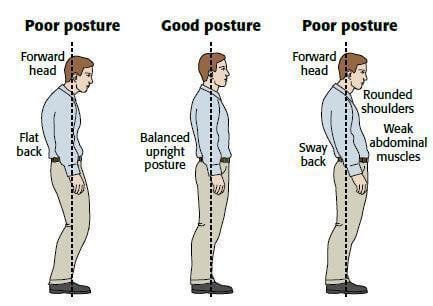
You can achieve a neutral, pain-free posture by building core strength through controlled movements that help you straighten your back and maintain spinal alignment. This process takes about 10 to 15 minutes of daily practice, costing nothing in equipment, and is considered medium difficulty because it requires consistent focus on body awareness. You must have a clear floor space and a firm, flat surface before you begin.
Tools to keep your back straight
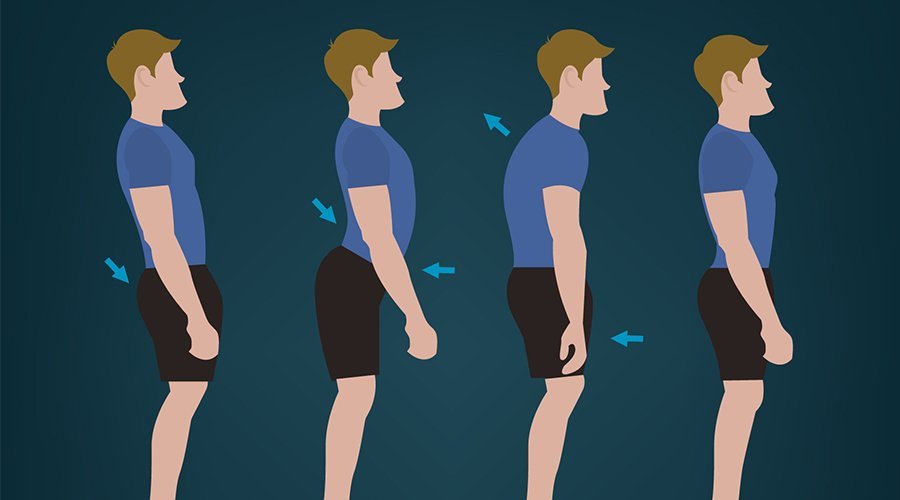
| Item | How much | Why it’s needed | A substitute |
|---|---|---|---|
| Yoga mat | 1 piece | Provides grip and cushioning | Thick carpet |
| Firm pillow | 1 unit | Supports the neck alignment | Folded towel |
| Mirror | 1 unit | Visual feedback for form | Phone camera |
| Comfortable clothing | 1 set | Allows full range motion | Loose pajamas |
| Timer | 1 unit | Tracks exercise duration | Wall clock |
Preparation for spinal alignment
- Clear a space of at least 6 feet by 4 feet to allow for full limb extension.
- Turn off distracting devices to maintain focus on your physical sensations.
- Wear non-slip socks or go barefoot to ensure stable contact with the floor.
- Consult a physical therapist if you have a history of disc herniation or chronic nerve pain, as these conditions require professional guidance to avoid injury.
Steps for improving back posture
- Lie flat on your back on a firm surface with your legs extended and arms resting at your sides for 1 minute.
- Bend your knees and place your feet flat on the floor, hip-width apart, to stabilize your pelvis and lower back position.
- Exhale fully while gently pressing your lower back into the floor by tilting your pelvis upward, holding for 5 seconds.
- Inhale and return to a neutral spine position, maintaining a small, natural curve under your lower back for 5 seconds.
- Repeat this pelvic tilt sequence 10 times to increase awareness of your spinal position and core muscle engagement.
- Extend one leg straight out while keeping the other knee bent, holding this position for 10 seconds to stretch the hip flexors.
- Switch legs and hold for another 10 seconds, ensuring your ribcage stays down and doesn’t flare upward during the movement.
- Bring both knees toward your chest, wrapping your arms around them to gently stretch the lumbar spine for 30 seconds.
- Roll onto your side and use your arms to push yourself up to a seated position to avoid sudden strain.
Signs of progress and success
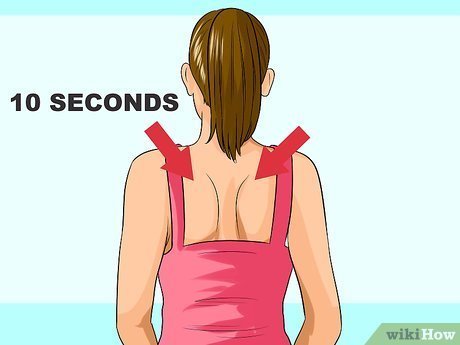
You’ll know this routine is working when you can feel your lower back muscles relax against the floor without discomfort during the pelvic tilt. A successful session ends with a feeling of openness in the hips and less tension in the upper shoulders. If you feel sharp pain or numbness, stop immediately, as this indicates improper form or a pre-existing injury that requires medical attention. According to the National Institute of Neurological Disorders and Stroke, maintaining a neutral spine is critical for reducing the mechanical stress that leads to chronic back pain. If you feel stiff after the session, perform the movements more slowly, as the speed of movement changes the amount of tension placed on your vertebrae.
Troubleshooting posture issues
| What happened | Why | What to do |
|---|---|---|
| Sharp lower pain | Over-arching spine | Reduce range of tilt |
| Neck strain | Chin is too high | Use thinner pillow |
| Numbness in legs | Nerve compression | Stop exercise immediately |
| Difficulty balancing | Weak core muscles | Hold onto wall |
| Muscle shaking | Fatigue from effort | Rest for 60 seconds |
Frequency of practice
You should perform these movements once daily to see results within 4 to 6 weeks. The frequency changes based on your current pain levels and your daily activity requirements. If you spend most of your day sitting, you may benefit from doing these movements in two shorter, 5-minute sessions. Always prioritize consistency over intensity, as the goal is to retrain your muscles to hold a neutral position naturally throughout your day.
Frequently asked questions
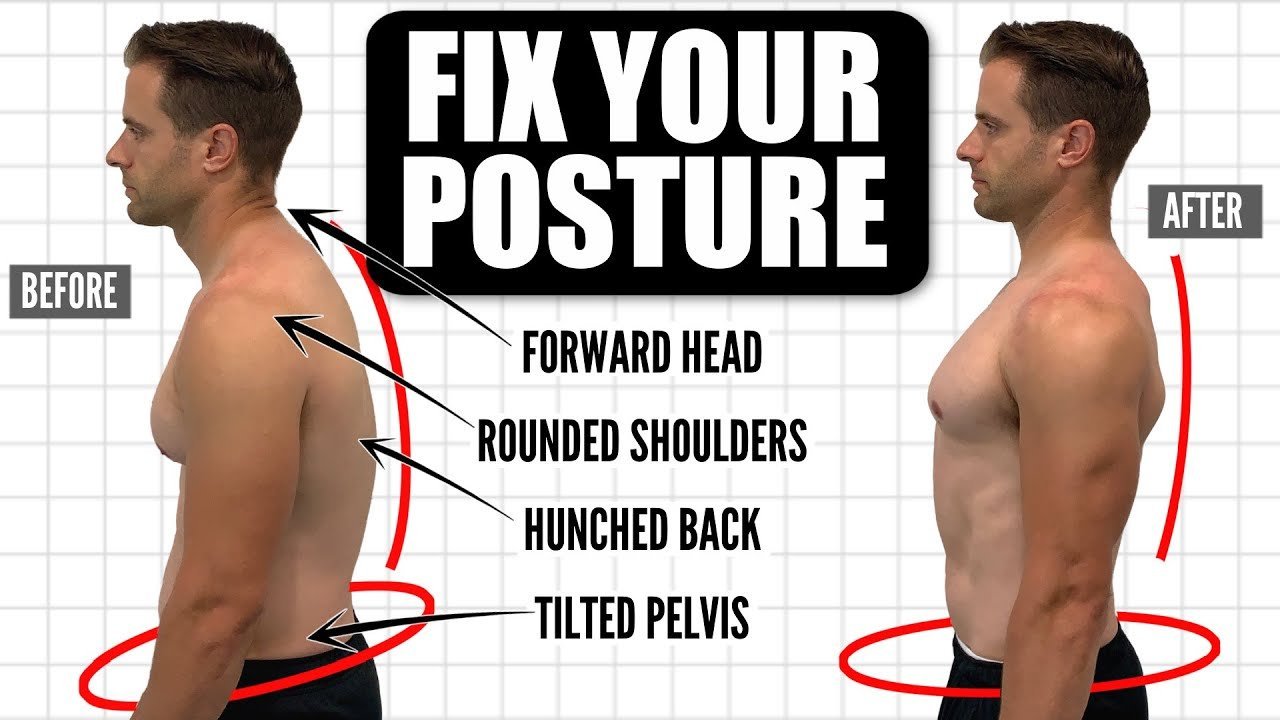
Can I do these stretches if I have back pain?
You can practice these movements if your pain is mild and non-radiating, but you must stop if the pain increases. Check with your doctor if the pain persists for more than two weeks.
How long does it take to fix my posture?
You’ll typically notice improved awareness within 4 weeks of daily practice. The total time required depends on your current muscle tightness and the amount of time you spend sitting daily.
Is it safe to stretch my back every day?
It’s safe to perform these gentle movements daily as long as you maintain a neutral spine. Avoid aggressive twisting or bouncing, which can cause injury to your spinal discs.
What happens if I skip a few days?
You’ll likely experience a temporary return of muscle stiffness if you skip sessions. Your body needs consistent, daily signals to adapt to a new, neutral resting posture.
Does it matter what time of day I stretch?
It doesn’t matter when you perform these, but doing them in the morning helps set your alignment for the day. Choose a time when you can focus without being rushed.
How many repetitions are ideal for beginners?
You should start with 10 repetitions of the pelvic tilt to avoid muscle fatigue. Increase the count by 2 repetitions each week only if you feel no discomfort.
Why does my back feel tight after sitting?
Your back feels tight because your hip flexors shorten and your core muscles deactivate during long periods of sitting. These exercises help lengthen those tight muscles and reactivate your core.
Conclusion
Consistency is the secret to lasting change, so try to make these movements a natural part of your morning routine. You’ll soon find that sitting and standing tall feels effortless rather than forced. Pay attention to how your body feels throughout the day, and you’ll notice your posture improving before you know it.