
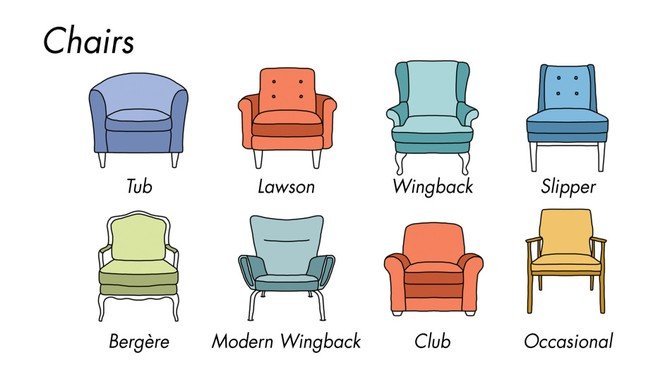
While a couch is technically a specialized form of seating furniture designed for multiple people, it’s broadly categorized as a type of chair in terms of basic function and architectural classification. Both pieces share the fundamental purpose of providing a surface for human rest, typically featuring a backrest, armrests, and a base. However, industry standards distinguish them by capacity, upholstery depth, and the intended social or relaxation context of the environment.
Key Takeaways
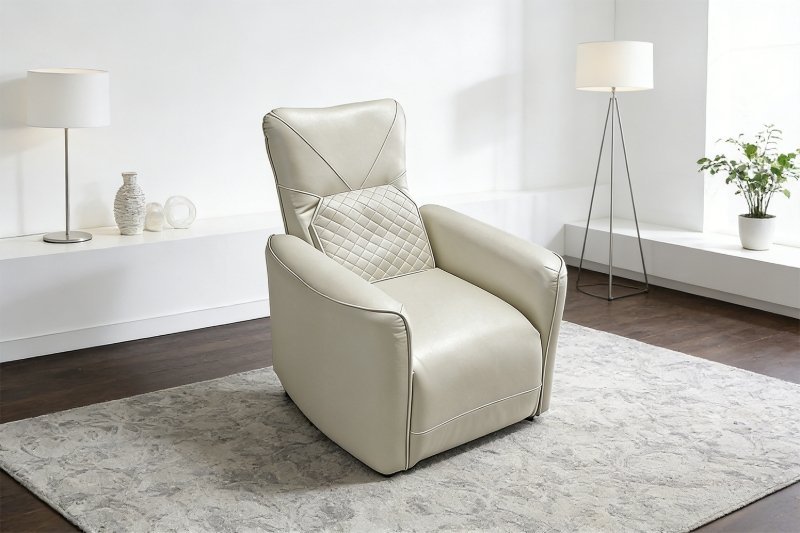
- Couch and sofa are interchangeable terms for furniture designed for two or more people.
- Chairs are generally engineered for individual use, prioritizing ergonomic support for one person.
- The primary differentiator is the “seat width,” which dictates the intended occupancy level.
- Most furniture retailers classify couches under “living room seating” rather than “accent chairs.”
- Understanding these definitions helps when selecting appropriate furniture for specific floor plans.
Is A Couch A Type Of Chair?
In the strictest sense of interior design terminology, a couch is considered a “settee” or “sofa,” which belongs to the broader class of upholstered seating. While a standard chair is defined as a seat for one person, a couch is essentially an elongated chair frame that accommodates multiple users. The structural components—legs, frame, cushions, and backrest—are identical in function to those found on a dining or lounge chair, proving that they exist on the same evolutionary furniture spectrum.
Core Structural Differences
| Feature | Standard Chair | Couch / Sofa |
|---|---|---|
| Occupancy | Single user | Multiple users |
| Seat Width | 18–24 inches | 60–96 inches |
| Primary Use | Task or dining | Relaxation or social |
| Depth | 16–20 inches | 22–28 inches |
Why Definitions Matter
Distinguishing between these items is crucial for spatial planning. If you attempt to replace a traditional chair with a couch, you must account for the increased footprint and the change in traffic flow. According to ANSI/BIFMA X5.4-2020 standards for lounge and public seating, specific testing protocols are applied to seating based on whether the item is intended for single-person stability or multi-person weight distribution. These technical standards confirm that the load-bearing requirements for a couch are significantly higher than those for a standard side chair.
Common Seating Categories
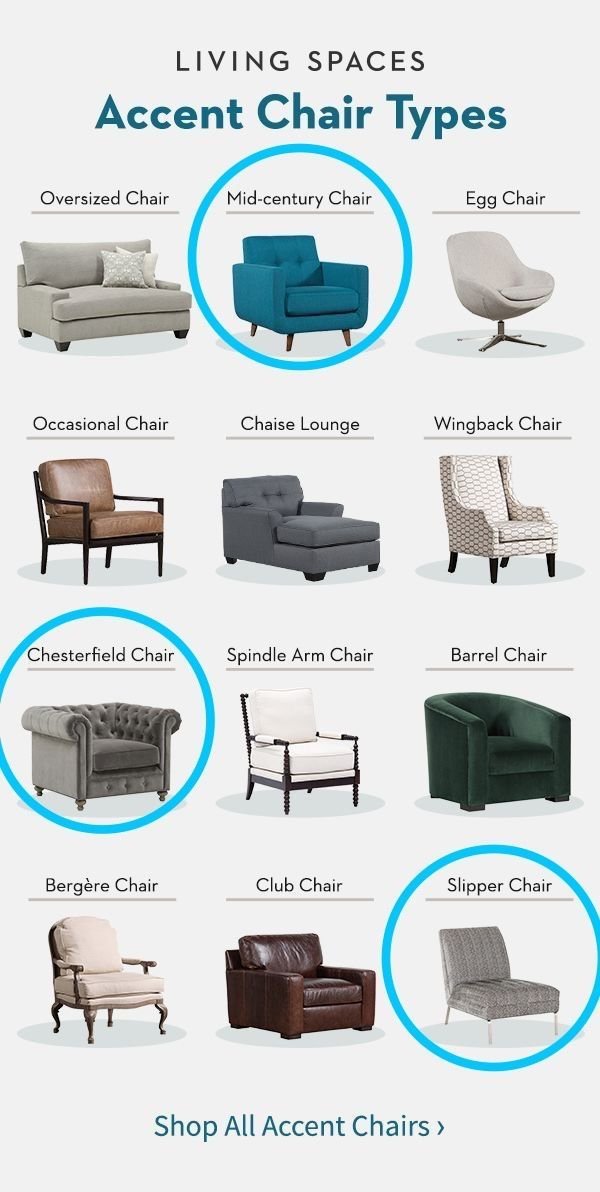
When shopping for furniture, you’ll encounter distinct labels that help clarify the intended use of each piece. Understanding these categories prevents confusion when browsing catalogs or visiting showrooms.
- Accent Chairs: Designed for aesthetics and singular comfort.
- Recliners: Mechanical chairs that provide adjustable back support.
- Loveseats: Small sofas designed specifically for two people.
- Sectionals: Modular configurations that function as extended couches.
- Ottomans: Footrests that are rarely classified as primary chairs.
When Is A Chair A Couch?
The line blurs when considering “oversized chairs” or “chair-and-a-half” models. These pieces sit in a grey area where they’re wider than a standard chair but lack the length required to be a formal sofa. In professional interior design, any seating unit that exceeds 36 inches in width is often treated as a compact settee, effectively bridging the gap between a standalone chair and a full-sized couch.
Functionality And Ergonomics
A standard chair is often built for upright posture, which is necessary for tasks like eating or working at a desk. Conversely, a couch is engineered for “lounge ergonomics.” The seat depth is usually greater, and the backrest is often tilted at a more relaxed angle. This shift in design isn’t a change in category, but rather a change in functional intent. Both items remain furniture for sitting, but they serve different physiological needs throughout the day.
Choosing The Right Seating
Pro Tip: When measuring your room, always add at least six inches of “clearance space” around any couch or chair to ensure the room doesn’t feel cramped or overcrowded.
Selecting the right furniture requires looking at your specific needs. If you require a piece for a quiet reading corner, a high-back armchair is superior. If you’re designing for a family movie night, a deep-seated couch is the standard. Don’t be misled by the technical classification; focus on how the piece interacts with your daily routine and the existing layout of your home.
Maintenance And Care
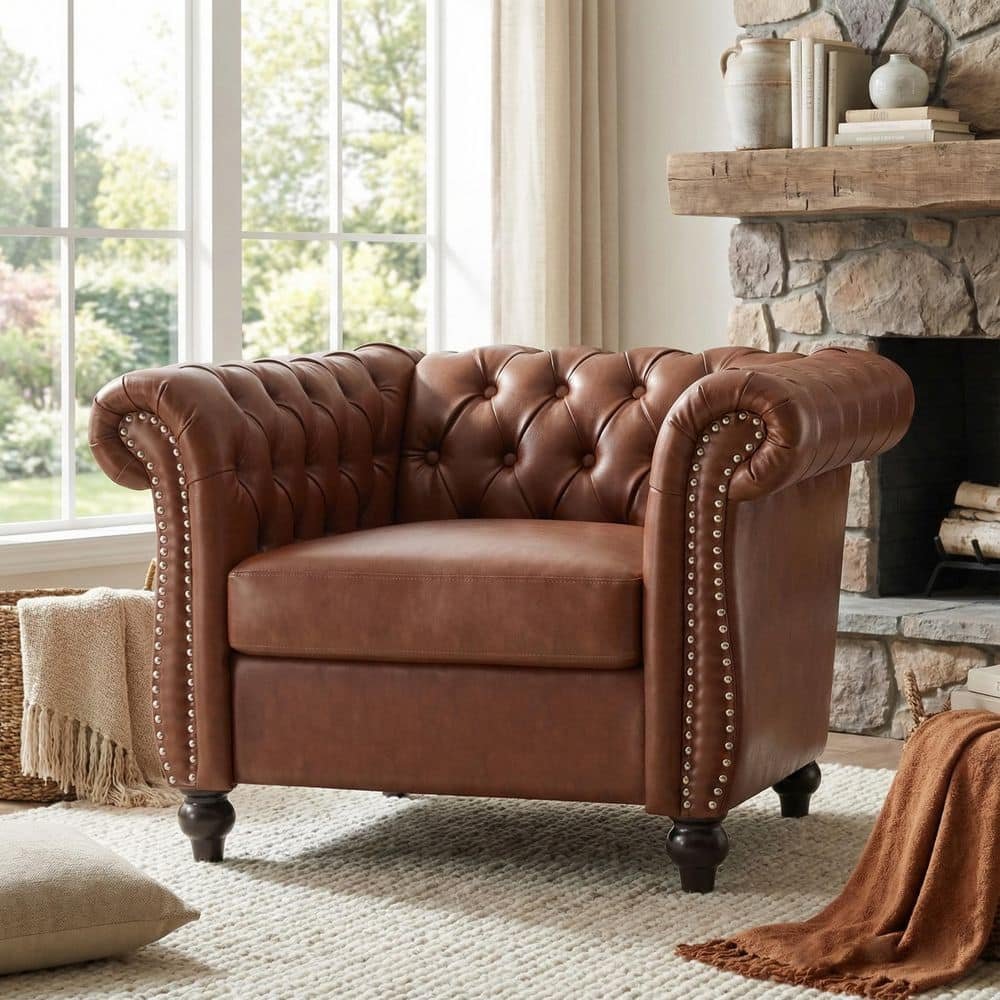
Warning: Always check the manufacturer’s fabric care label before applying any cleaning solutions, as improper chemicals can permanently damage the upholstery of both chairs and couches.
- Vacuuming: Use a soft brush attachment weekly.
- Rotation: Flip couch cushions every three months.
- Spot Cleaning: Use mild soap for minor stains.
- Professional Cleaning: Recommended for delicate natural fibers.
Frequently Asked Questions
Is a loveseat considered a couch?
Yes, a loveseat is technically a small couch designed to seat two people comfortably. While it’s smaller than a standard sofa, it functions as a multi-person seating unit rather than a single-person chair. In most retail settings, loveseats are grouped alongside full-sized couches within the living room seating category because they share the same structural design and upholstery styles.
Can I call a sofa a chair?
While you can colloquially refer to any seat as a chair, doing so in a professional or retail context will cause confusion. “Chair” implies a single-person seat, whereas “sofa” or “couch” implies multi-person capacity. Using the correct terminology ensures that sales staff or interior designers provide you with the appropriately sized furniture for your specific floor plan requirements.
Do chairs and couches share parts?
Yes, both pieces of furniture rely on identical construction components, including wooden frames, webbing or spring support systems, padding, and upholstery fabrics. A high-quality couch is essentially an engineering expansion of a chair frame. Manufacturers often use the same materials and assembly techniques for both, meaning a well-built chair and a well-built couch should offer similar levels of structural durability.
Why are couches more expensive?
Couches generally cost more because they require significantly more raw material, including wood for the frame, foam for the cushions, and yards of upholstery fabric. Because a couch is larger, it also incurs higher shipping and handling costs compared to a standard chair. The complexity of the internal spring construction for a large frame also adds to the total manufacturing labor time.
The next step in your furniture journey is to measure your available floor space and determine exactly how many people you need to seat on a regular basis. Once you have those dimensions, visit a reputable furniture showroom to test the seat depth and firmness of different models in person to ensure they meet your comfort expectations.