
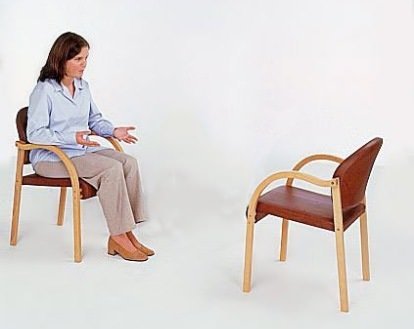
The two chair technique is a classic therapeutic exercise used in Gestalt therapy to help individuals resolve internal conflicts by externalizing different parts of their personality. By placing two chairs facing each other, you create a physical space to hold a dialogue between two opposing sides of yourself, such as a critical inner voice and a vulnerable aspect of your psyche. This method encourages you to switch seats, adopting different perspectives to foster empathy, self-awareness, and emotional integration.
Key Takeaways
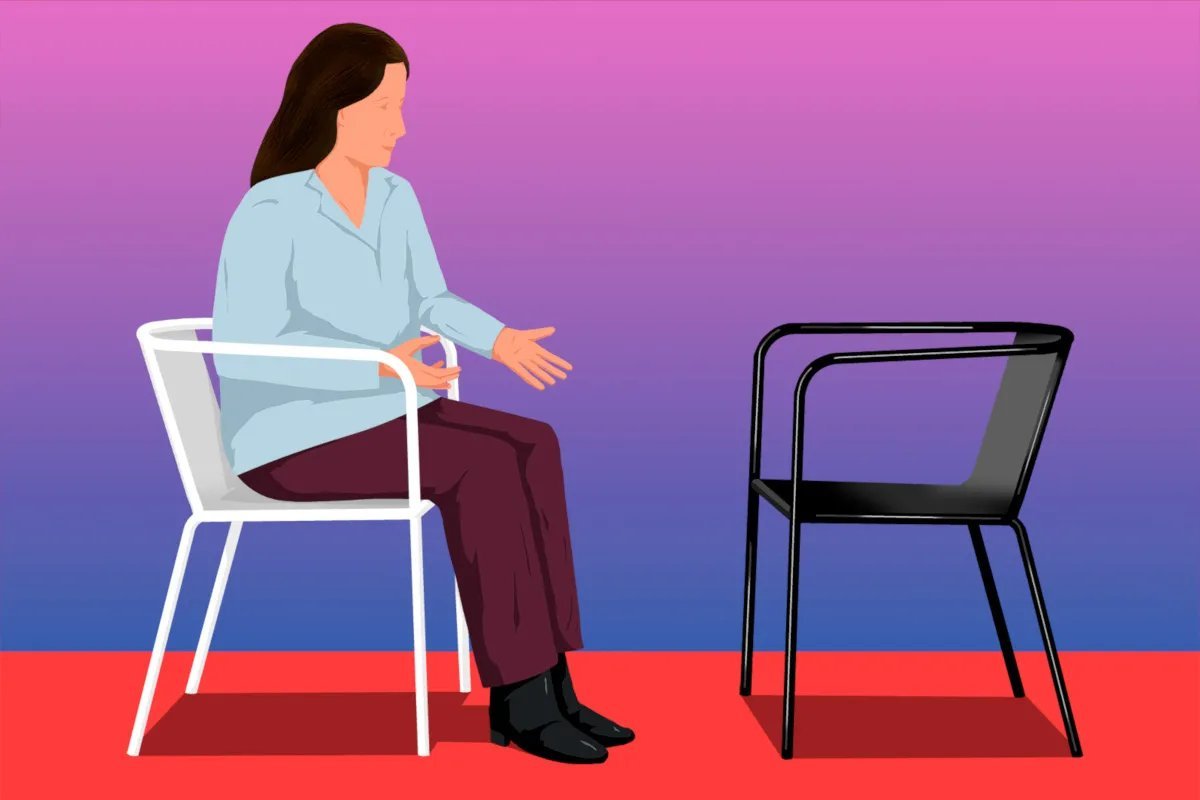
- Use two chairs to represent two conflicting aspects of your internal experience.
- Physical movement between chairs helps shift your mindset and emotional perspective.
- Speak out loud to externalize thoughts that usually stay trapped in your mind.
- Aim for reconciliation or understanding rather than winning an internal argument.
- Practice this in a quiet space where you feel safe to express strong emotions.
What Is The Two Chair Technique?
This therapeutic intervention is primarily associated with Gestalt therapy, a humanistic approach that emphasizes personal responsibility and the present moment. By separating your conflicting emotions into two distinct positions, you gain the objectivity necessary to observe your own patterns. The empty chair serves as a projection tool, allowing you to speak to a version of yourself or even a person from your past as if they were physically present.
Why Use This Psychological Method?
Many people struggle with “stuckness” when faced with difficult life decisions or persistent self-criticism. This technique breaks that cycle by forcing the mind out of its typical ruminative loops. When you stand up and move to the second chair, you interrupt your neurological patterns, which can lead to sudden, profound emotional breakthroughs. It’s a way to bridge the gap between your logic and your feelings.
| Step | Action Required | Focus Area |
|---|---|---|
| 1 | Position Chairs | Face them toward each other |
| 2 | Identify Sides | Choose a “critic” and a “self” |
| 3 | Start Dialogue | Speak clearly to the empty chair |
| 4 | Switch Seats | Adopt the other perspective fully |
| 5 | Seek Synthesis | Look for common ground or needs |
How To Set Up A Session
Choose a private room where you can speak aloud without interruption. You don’t need professional furniture; any two standard chairs will suffice. Ensure they’re close enough to feel intimate but spaced enough for you to move between them comfortably. The physical act of sitting down and standing up is just as important as the words spoken, as it signals a conscious transition to your brain.
Identifying Your Internal Conflict
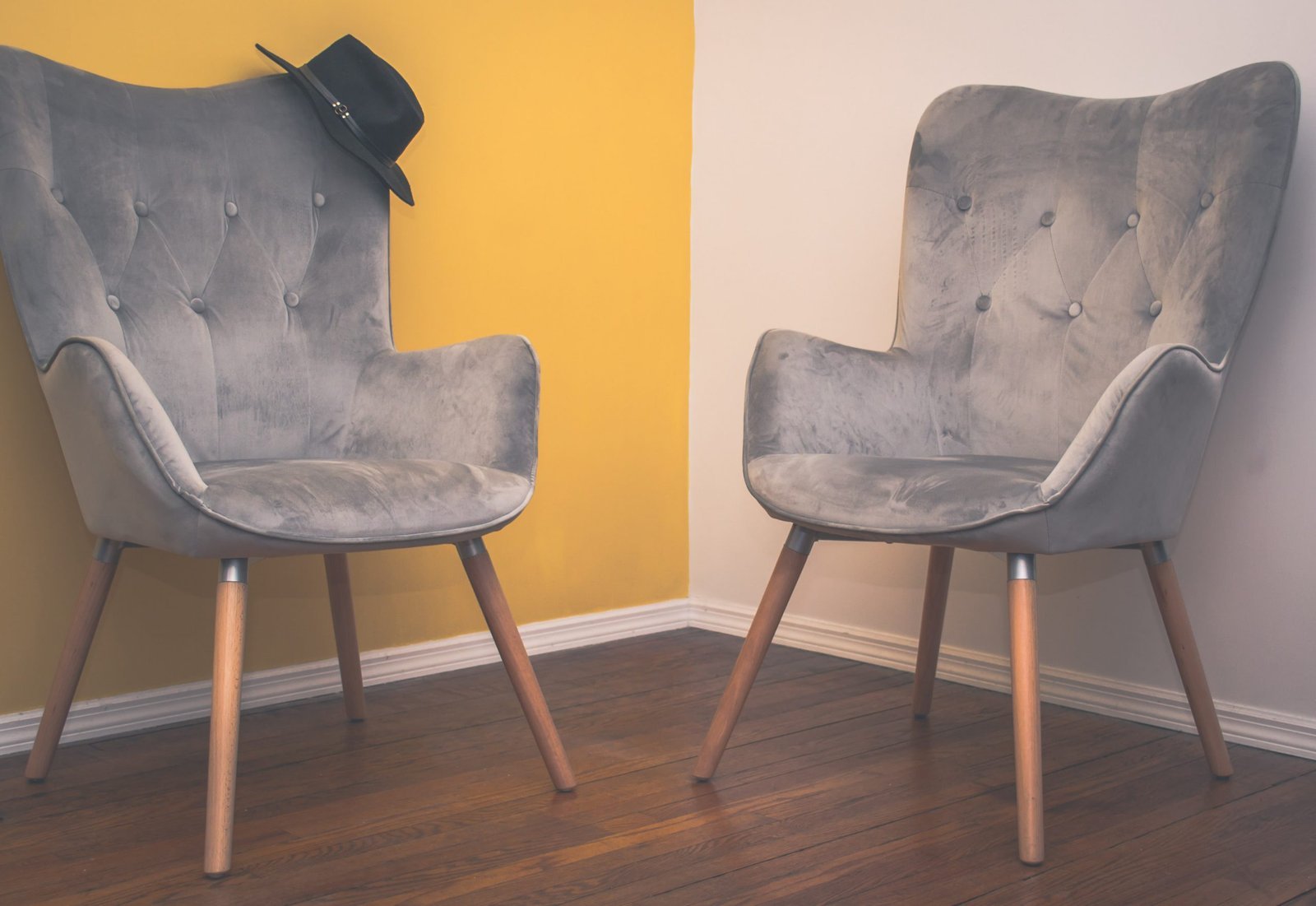
Before you begin, identify the two voices involved. Often, this involves a “top dog,” which represents your societal expectations, perfectionism, or critical inner voice. The “underdog” represents the part of you that feels victimized, tired, or resistant. Research published by the American Psychological Association indicates that dialogical processes like this can enhance emotional regulation by helping individuals process unresolved interpersonal experiences.
Can You Practice This Alone?
While this method is often guided by a therapist, it’s possible to use it as a self-help tool for minor conflicts. Warning: If you’re dealing with significant trauma or severe mental health struggles, don’t attempt this alone; work with a licensed therapist who can provide the necessary containment. If you proceed independently, keep your sessions brief and focus on specific, manageable situations rather than deep-seated historical trauma.
Managing The Emotional Shift
When moving between chairs, try to embody the posture and tone of the “character” you’re playing. If you’re sitting in the chair of your critical voice, sit tall and use a firm, authoritative tone. When you move to the vulnerable chair, notice if your body wants to curl inward or look down. This somatic awareness provides deep clues about how your body stores stress and emotional tension.
Troubleshooting Common Roadblocks
- Feeling silly: Acknowledge the awkwardness; it’s a normal reaction to talking to furniture.
- Stuck for words: Describe the physical sensation in your chest or stomach instead.
- Getting emotional: Allow yourself to cry or pause; the goal is expression, not performance.
- No resolution: It’s okay if you don’t solve the problem in one sitting.
How To Conclude The Dialogue

End the session when you feel a sense of fatigue or a slight shift in your perspective. You don’t need a perfect resolution. Sometimes, simply hearing your own critical thoughts spoken aloud is enough to strip them of their power. Take a moment to sit in a neutral space, breathe deeply, and ground yourself in the room before moving on to your daily tasks. Journaling your insights immediately after the session can help solidify what you learned during the dialogue.
Frequently Asked Questions
Is the two chair technique safe?
For most people, it’s a safe way to explore emotions. However, it can bring up intense feelings. If you have a history of trauma, dissociation, or severe anxiety, it’s safer to perform this under the supervision of a mental health professional who can help you manage any overwhelming reactions that may arise during the process.
Do I need a therapist present?
You don’t strictly need a therapist, but it’s highly recommended for your first few times. A therapist can help you navigate the dialogue if you get stuck or if the emotional content becomes too intense. They provide an objective witness that helps keep the process focused and productive rather than just a venting session.
How long should the session last?
A typical session lasts between 15 and 30 minutes. It’s better to have shorter, more frequent sessions than one long, exhausting one. If you find yourself going in circles for more than 40 minutes, it’s time to stop, take a break, and revisit the problem another day with a fresh perspective.
What if I feel foolish doing it?
Feeling foolish is a common barrier to entry. Remember that your brain doesn’t distinguish as sharply as you might think between speaking to a real person and speaking to an empty chair. The goal is to externalize the internal, and your brain will treat the process as a real cognitive task once you commit to the role-play.
Can I use this for relationship issues?
Yes, you can place a partner or family member in the empty chair to practice what you want to say to them. By speaking to the chair, you can refine your message, identify your triggers, and rehearse expressing your boundaries. This helps you enter the actual conversation with more clarity and less reactive emotion.
The two chair technique is a powerful tool for self-discovery and internal negotiation. By externalizing your thoughts, you gain the distance needed to treat yourself with the same compassion you would offer a friend. Start by identifying a small, nagging conflict today and dedicate fifteen minutes to the process. Consistent practice will sharpen your ability to resolve internal friction and maintain emotional balance.