
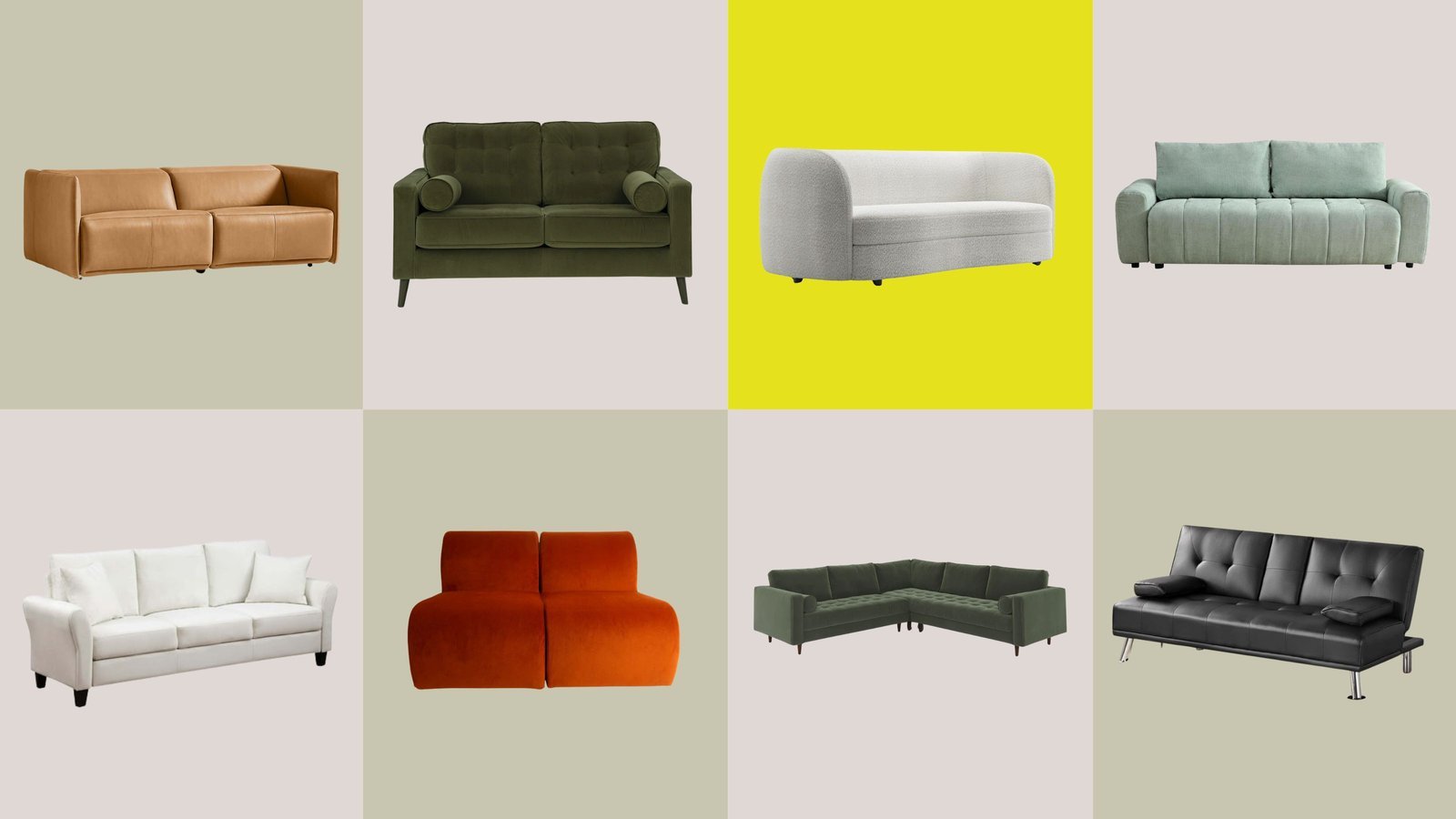
Identifying your furniture starts by observing the silhouette, upholstery material, and structural details like legs or armrests. Most sofas fall into a handful of classic archetypes, and once you know the specific terminology, it becomes significantly easier to describe or replace your piece. Whether you’re looking at a sleek mid-century design or a plush, overstuffed model, the physical characteristics act as a roadmap to its historical lineage and functional design intent.
Key Takeaways

- Check the frame shape, as arm style is the most reliable indicator of a sofa’s specific category.
- Measure the seat depth and back height to distinguish between lounging styles and formal upright designs.
- Look for manufacturer tags under the seat cushions or on the frame for model identifiers.
- Note the leg type, such as tapered wood or hidden block feet, which often signal the era of production.
- Use online image identification tools to compare your piece against standardized industry furniture catalogs.
What Type of Couch Is This?
Determining your specific style requires examining the armrests, which are the most defining features of any sofa. Common styles include the English Roll Arm, characterized by rounded arms set back from the front of the seat, and the Track Arm, which features a clean, straight line typical of modern or contemporary design. If your sofa has a high, rolled back and tufted upholstery, it’s likely a Chesterfield, a design staple for centuries.
How to Identify Your Furniture
To identify your piece, start by inspecting the construction. Flip the cushions to check for a brand label or a manufacturer identification number that might be printed on a law tag. If no tag exists, examine the joinery. Dovetail or mortise-and-tenon joints suggest higher quality craftsmanship, whereas staples and particle board are indicators of mass-produced, budget-friendly furniture.
| Feature | Low-End Indicators | High-End Indicators |
|---|---|---|
| Frame | Particle board | Kiln-dried hardwood |
| Joinery | Staples and glue | Mortise and tenon |
| Cushions | Polyurethane foam | Down or high-resiliency foam |
| Upholstery | Synthetic blends | Top-grain leather or linen |
Common Sofa Archetypes
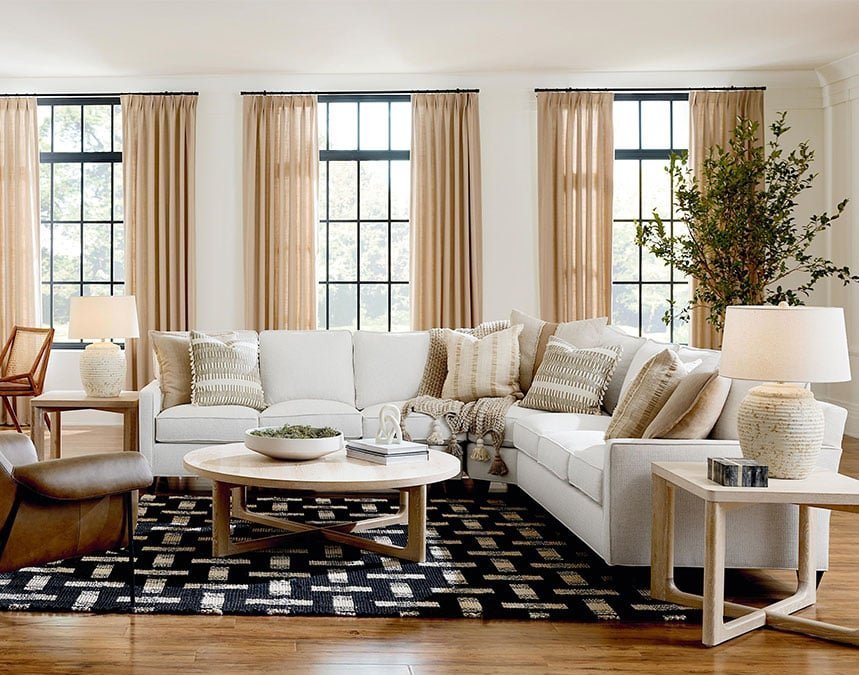
Understanding the standard categories helps narrow down the search. Many modern living rooms utilize a Sectional Sofa, which is modular and can be rearranged into various configurations like L-shapes or U-shapes. Other common types include the Lawson Sofa, designed for comfort with loose back cushions, and the Camelback, which features a distinct arched back that’s higher in the center than at the ends.
Analyzing Leg and Base Styles
The base of your sofa provides clues about its age and design movement. Tapered wooden legs are hallmarks of the mid-century modern aesthetic, while a skirted base—where fabric covers the legs completely—is a classic element of traditional or farmhouse decor. If the sofa sits directly on the floor without visible legs, it’s likely a modern low-profile design or a traditional piece intended to hide dust buildup.
Why Upholstery Matters
The fabric type often dictates the intended use of the couch. Performance fabrics like microfiber or solution-dyed acrylic are designed for high-traffic households, whereas delicate materials like velvet or silk indicate a piece intended for low-traffic, formal spaces. Checking the wear patterns can also tell you if the piece was built for daily lounging or occasional seating.
Comparing Sofa Configurations
Choosing the right sofa often depends on the layout of your space. Use this table to differentiate between common spatial footprints.
| Sofa Type | Best For | Typical Footprint |
|---|---|---|
| Apartment Sofa | Small studios | Under 72 inches |
| Loveseat | Tight corners | 50 to 60 inches |
| Chaise Lounge | Reading nooks | Variable depth |
| Sleeper Sofa | Guest rooms | Full to queen size |
Troubleshooting Common Identification Issues
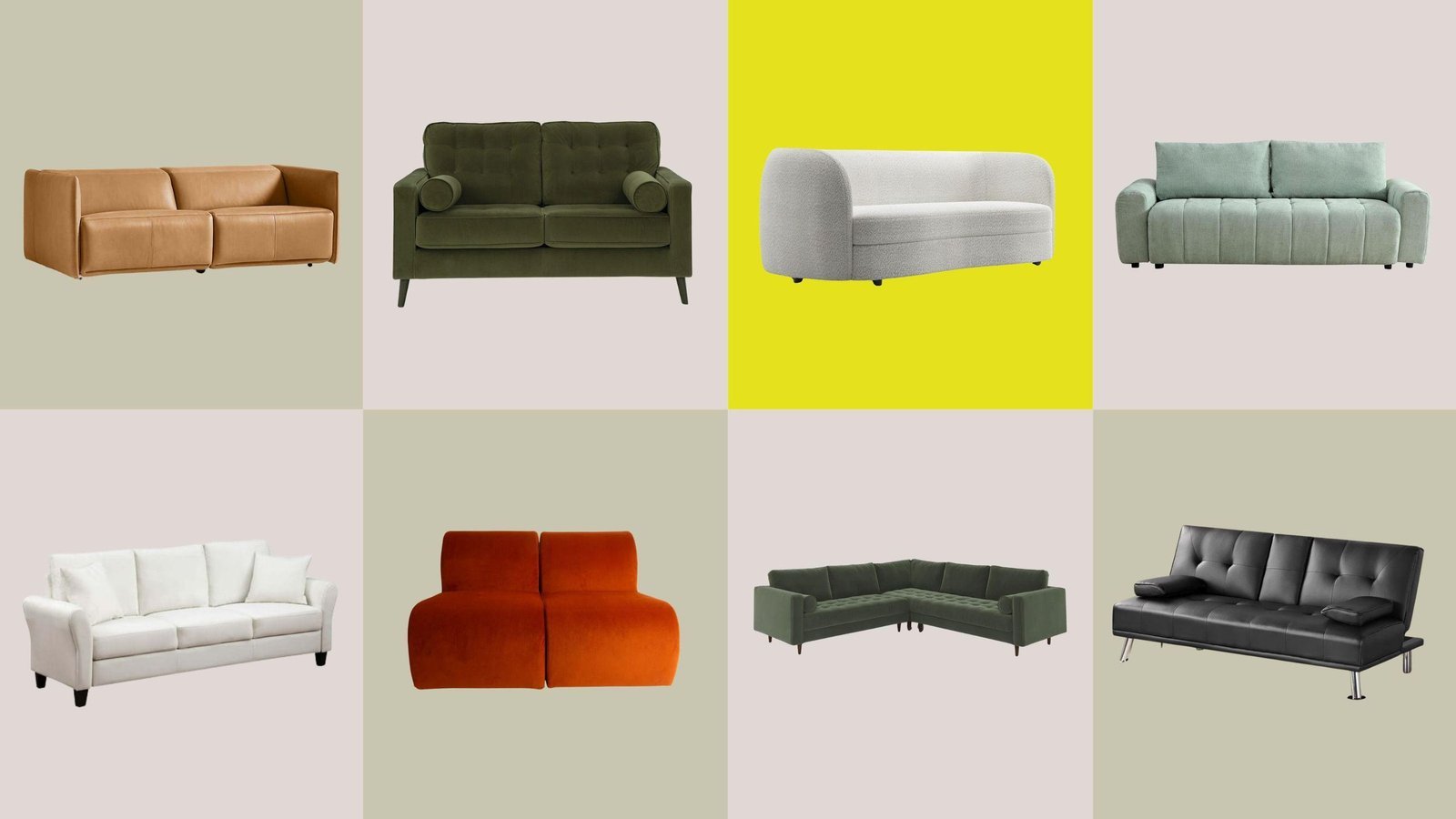
If your sofa looks like a hybrid, you’re likely looking at a “transitional” piece. Many manufacturers blend styles to appeal to broader markets, such as adding track arms to a traditional Lawson frame. If you can’t find a model name, search for “sofa style guide” images to match your visual profile.
Warning: Avoid relying solely on online marketplace listings for identification, as sellers often mislabel styles to increase visibility; always verify against professional interior design resources.
Related guides
Frequently Asked Questions
Where can I find the model number?
Look for a white or yellow law tag tucked into the crevices of the frame, usually hidden under the seat cushions or along the bottom dust cover. This tag contains the manufacturer name, model number, and material composition.
Is my couch an antique?
A couch is generally considered an antique if it’s over 100 years old. Check for hand-tied springs, natural horsehair or cotton batting stuffing, and frame construction that uses solid wood rather than screws or nails.
Why is my sofa frame squeaking?
Squeaking usually indicates that the internal wood frame has loosened or that the metal springs are rubbing against the wood. Tightening the frame bolts or adding a small amount of lubricant to the spring connections can often resolve the noise.
Can I identify a sofa by its fabric?
While fabric helps narrow down the era, many modern sofas use vintage-style fabrics. Focus on the structural silhouette first, as upholstery can be replaced during professional reupholstery projects, potentially misleading you about the original design intent.
Pro Tip: If you find a manufacturer name, search their official website for “archived collections” to find discontinued models that match your specific design features.
Determining the exact type of your couch is a process of elimination that starts with the arm style and ends with the construction quality. Once you have categorized your piece, you can better understand its maintenance needs, potential value, and how to style it within your existing living space. Take a photo of the frame and use a reverse image search to finalize your research today.