
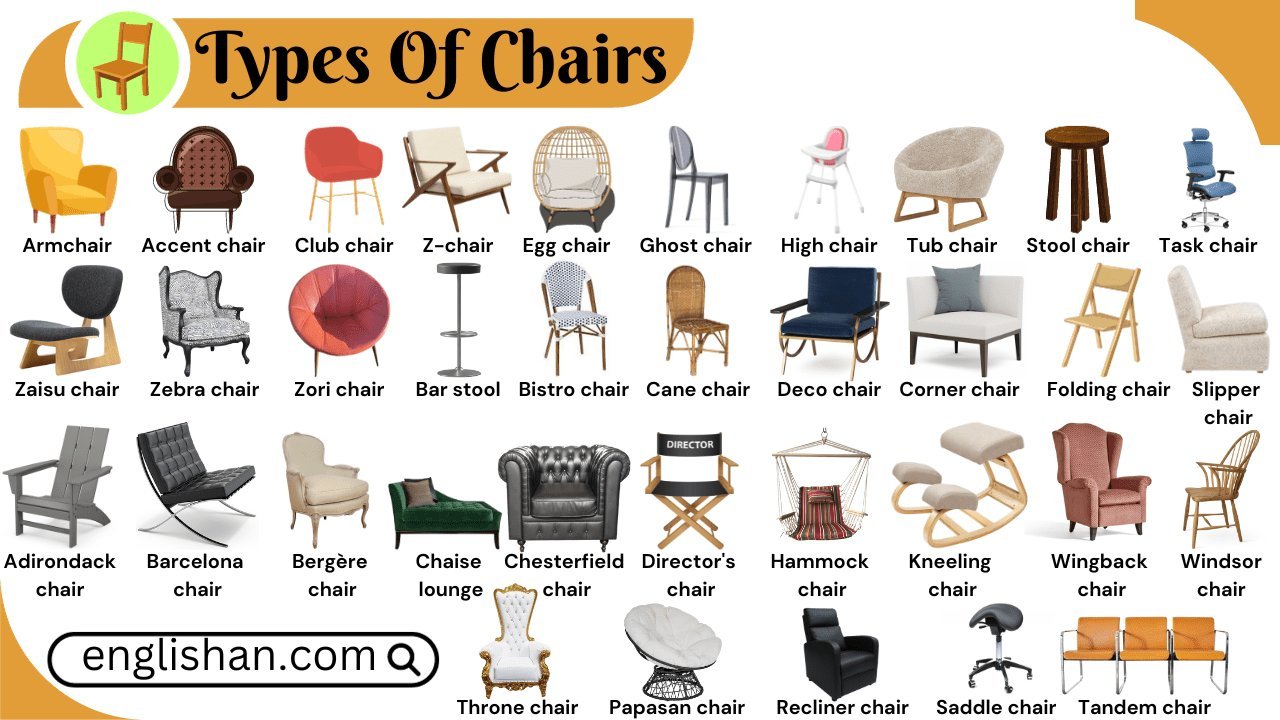
The term for the item you’re sitting on is usually a chair, though its specific name depends entirely on its design, intended function, and historical origin. Identifying a piece of furniture requires looking at the silhouette, the material composition, and the specific ergonomic features that define its purpose in a room. Whether you’re looking at a simple four-legged seat or a complex mechanical recliner, understanding the terminology helps you find parts, replacements, or matching pieces for your home decor.
Key Takeaways
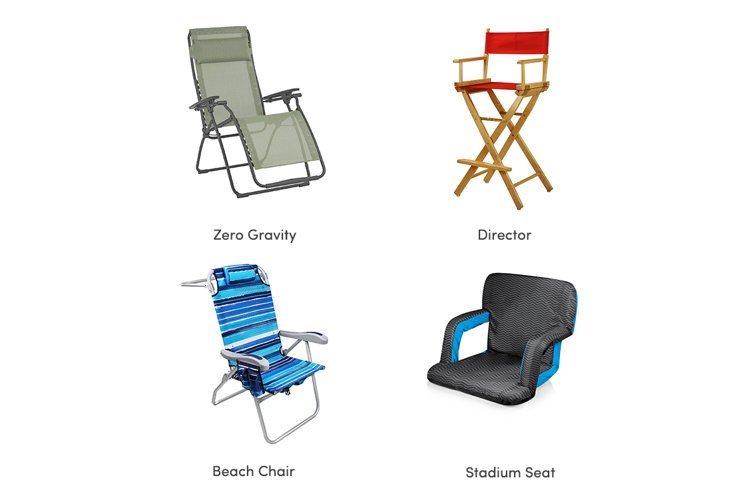
- Identify furniture by comparing the backrest height, armrest style, and base mechanism to standard design categories.
- Use specific terminology like “wingback,” “ergonomic,” or “ottoman” when searching for replacement parts or new purchases.
- Check for manufacturer stamps, usually located under the seat frame or on the leg, to identify the brand and model.
- Understand that seating is categorized into two main groups: task-oriented office furniture and aesthetic residential lounge furniture.
- Measure the seat height and depth to ensure the piece fits your specific living space correctly.
Identifying What Is The Name Of The Chair
To figure out the name of a specific seat, start by observing the structural frame. A chair with a high back and side panels is typically a wingback chair, originally designed to shield the user from drafts. If the piece features a continuous frame where the legs flow into the back without distinct joints, it’s likely a bentwood design. Identifying these physical characteristics is the first step in narrowing down the nomenclature.
Common Residential Seating Types
Residential furniture relies on comfort and style. The following table outlines standard household styles based on their primary physical attributes.
| Chair Name | Key Physical Feature | Best Use Case |
|---|---|---|
| Accent Chair | Decorative fabric/pattern | Living rooms or entryways |
| Club Chair | Deep, low-slung, leather | Reading nooks or studies |
| Dining Chair | Tall back, armless | Kitchen and dining tables |
| Rocking Chair | Curved base gliders | Nurseries or porches |
| Recliner | Adjustable back/footrest | Media rooms or dens |
Office And Task Seating Features
Office seating is defined by its mechanical adjustments rather than its upholstery. An ergonomic task chair typically includes pneumatic height adjustment, lumbar support, and swivel casters. These features are standardized to ensure the user maintains a neutral posture while working for extended periods. According to the Occupational Safety and Health Administration computer workstation guidelines, proper seat depth and backrest adjustability are essential for preventing musculoskeletal strain.
How To Find Your Model Number
If you need to replace a part, you must locate the manufacturer’s label. Most professional-grade furniture includes a sticker or heat-branded stamp on the underside of the seat base. If the sticker is missing, look for tags hidden inside the upholstery seams or embossed serial numbers on the metal base of swivel chairs.
Understanding Material Classifications
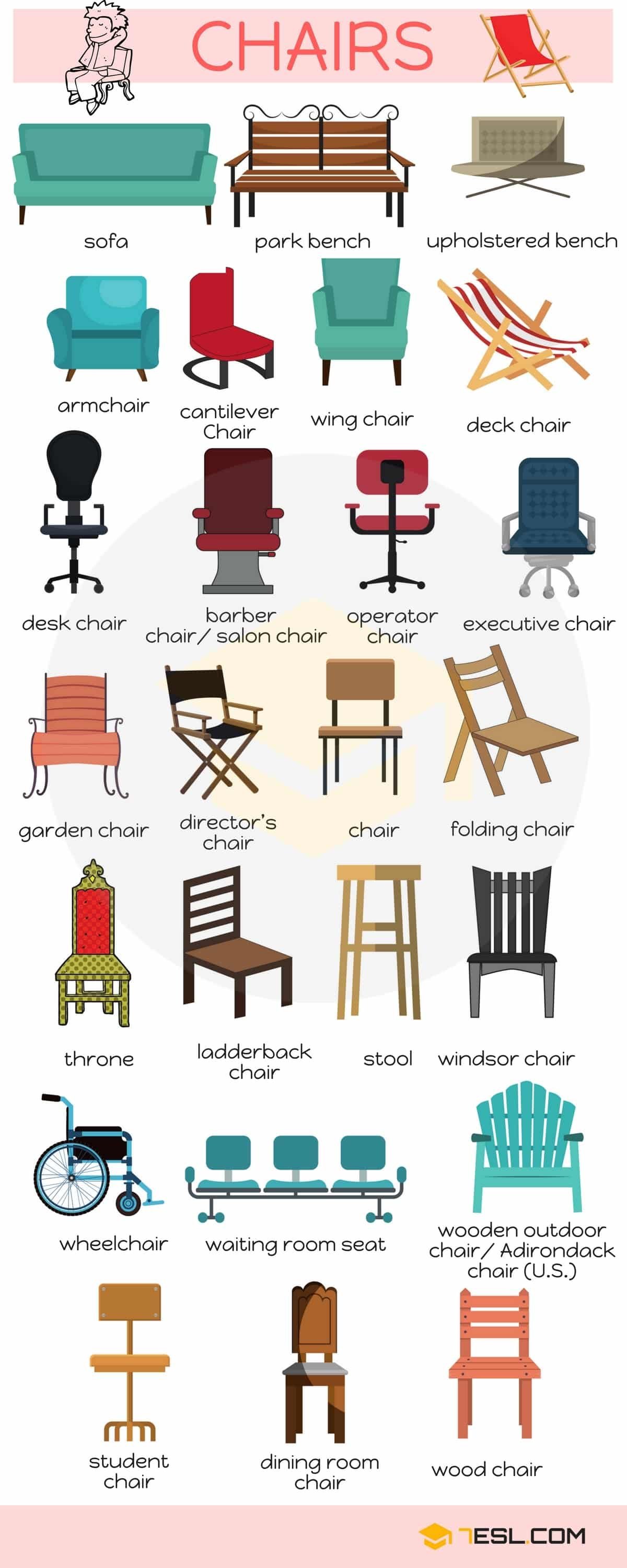
The material used in construction often dictates the name. A chair made from woven organic fibers, such as rattan or wicker, is classified as wicker furniture. Conversely, a chair constructed from molded plastic or fiberglass with a single-piece shell is known as a molded shell chair. Recognizing these materials helps you search for specialized cleaning products or professional repair services.
Why Does The Name Matter?
Knowing the correct name ensures you buy the right accessories. For instance, if you own a mid-century modern piece, you need specific tapered leg glides. Using generic search terms often leads to incompatible hardware. Being precise with your terminology allows you to filter through thousands of options to find items that match your current inventory or interior design aesthetic.
Comparing Fixed And Adjustable Bases
The base of a chair determines its stability and movement. You generally have two primary choices when selecting or naming a base type.
| Base Style | Movement Capability | Ideal Flooring Type |
|---|---|---|
| Four-Legged | Stationary | Hardwood or carpet |
| Swivel Pedestal | 360-degree rotation | Tile or laminate |
| Five-Star Caster | Rolling and swiveling | Low-pile office carpet |
| Sled Base | Slight rocking motion | Thin rugs or concrete |
Pro Tip: Inspecting The Joint Construction
Pro Tip: Always examine the joints where the leg meets the frame. If you see visible screws, it’s likely a mass-produced modern piece. If you see wooden dowels or mortise-and-tenon joints, the chair is likely a higher-quality, heirloom-style piece that may require specialized furniture restoration techniques rather than simple DIY tightening.
Troubleshooting Common Seating Issues
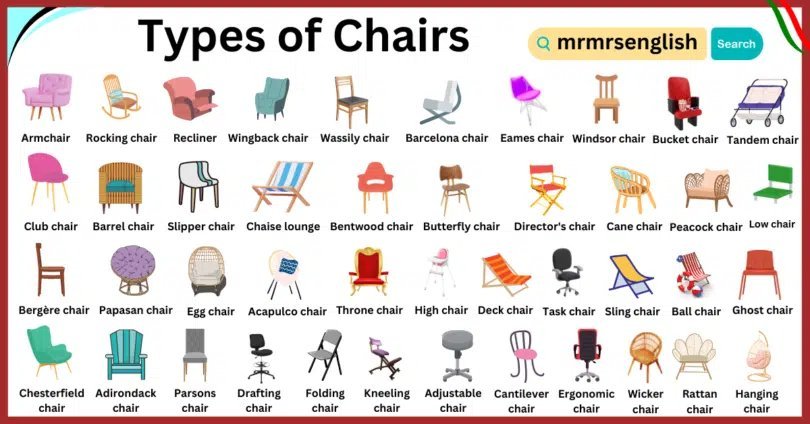
If your seat feels unstable, check for loose hardware first. Most chairs lose stability because the bolts connecting the seat to the legs have vibrated loose over time. Simply flipping the unit over and tightening the hex bolts with a standard Allen wrench often resolves the issue. If the frame itself is cracked, the piece may require professional wood glue injection or structural bracing to remain safe for daily use.
Frequently Asked Questions
How do I identify an antique chair?
Look for hand-cut dovetail joints, uneven wood grain, and square-headed nails. Antique furniture often lacks modern manufacturer labels. Check for a maker’s mark or a patent date stamped onto the underside of the seat frame. You can also consult a professional appraiser who can identify the specific furniture period, such as Victorian or Chippendale, based on the leg style and wood species.
What is the difference between a sofa and a chair?
A chair is designed for one person, while a sofa is designed to accommodate two or more people. While a “loveseat” is a small sofa, it still features a wider frame meant for multiple occupants. If you’re uncertain, count the number of seat cushions; if there’s only one defined seating area, it’s almost certainly a chair.
Can I replace the legs on any chair?
Most chairs feature legs that are either screwed into a threaded mounting plate or dowelled into the frame. If the legs are screwed in, you can replace them with universal furniture legs found at hardware stores. However, if the legs are integrated into the primary frame, they’re structural components and can’t be removed without compromising the integrity of the entire piece.
What defines an ergonomic chair?
An ergonomic chair is specifically designed to support the natural curvature of the human spine. Key indicators include adjustable lumbar support, seat depth control, and armrests that move to reduce shoulder tension. Unlike standard dining or accent chairs, these units prioritize physiological comfort over strictly aesthetic design, making them the preferred choice for long-term desk work or professional office environments.
To determine the exact name of your chair, take a clear, well-lit photo of the entire unit and a close-up of any markings under the seat. Use an online visual search tool to compare your image against manufacturer databases. Once you identify the brand and model, you can download a digital assembly guide or order specific replacement parts to keep your furniture in excellent condition for years to come.