
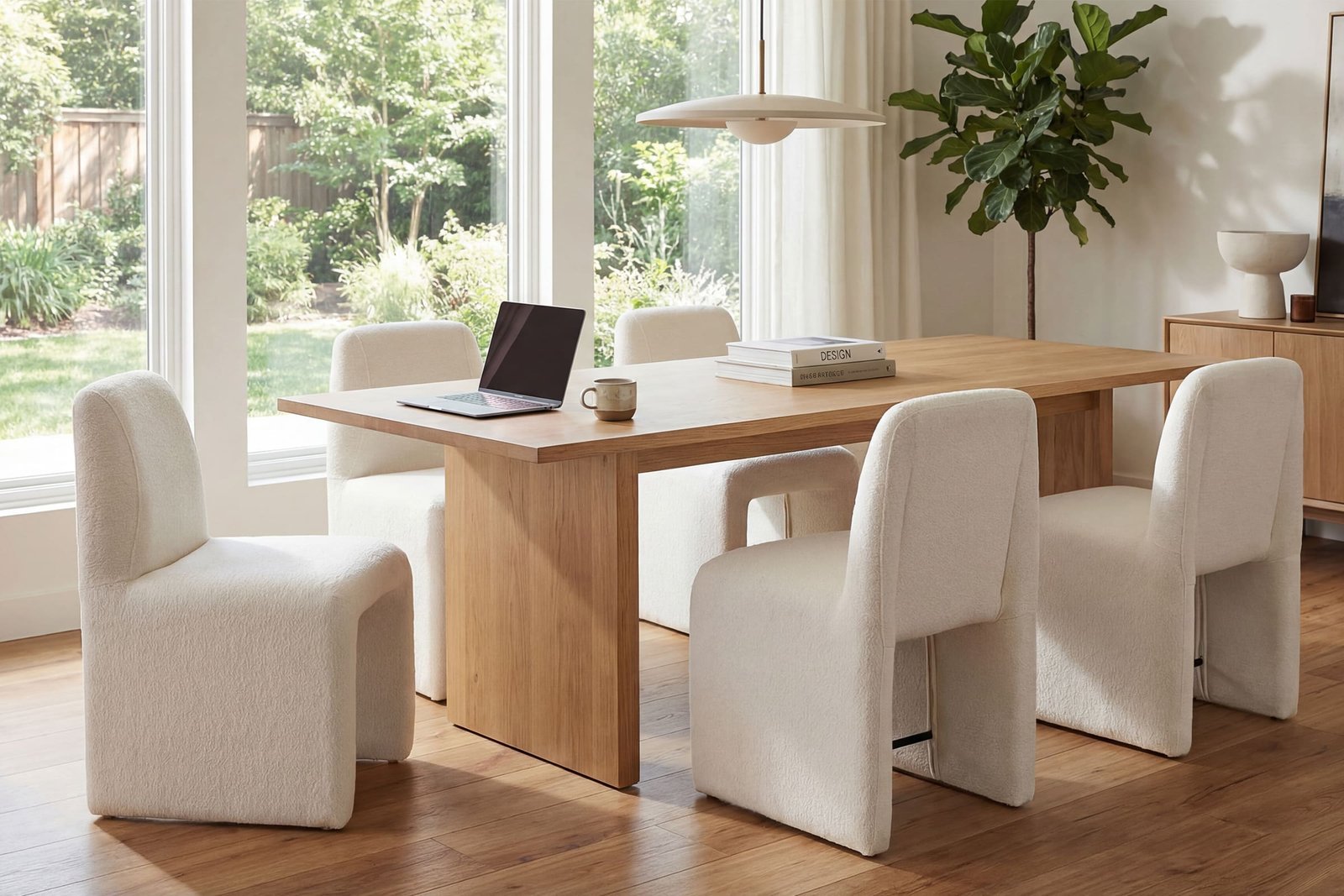
Selecting a desk that complements your home’s decor requires balancing physical dimensions with the existing visual language of your room. By analyzing your interior style, material preferences, and the specific functionality you need, you can transition from a cluttered workspace to a cohesive design statement. This process involves evaluating how the furniture piece interacts with your lighting, color palette, and surrounding architectural elements to ensure it feels like a natural extension of your home.
Key Takeaways
- Prioritize ergonomic dimensions to prevent strain while maintaining a clean aesthetic.
- Match wood undertones or metal finishes to existing hardware in the room.
- Use negative space to prevent a large desk from overwhelming smaller rooms.
- Consider modular or wall-mounted options for tight, multi-purpose living areas.
- Prioritize high-quality materials to ensure the desk ages gracefully with your home.
Analyzing Your Current Decor Style
To ensure your desk fits seamlessly, you must first identify the dominant design language of your home. If your space features clean lines, neutral colors, and functional simplicity, a Mid-Century Modern desk with tapered legs will likely feel more authentic than an ornate, heavy executive piece. Alternatively, if your room is filled with distressed textures and earthy tones, a Rustic Farmhouse style desk made of reclaimed wood will anchor the space effectively.
| Decor Style | Recommended Materials | Design Characteristics |
|---|---|---|
| Industrial | Steel and dark wood | Exposed bolts, raw textures |
| Scandinavian | Light oak or pine | Minimalist, functional shapes |
| Traditional | Mahogany or cherry | Turned legs, intricate moldings |
| Contemporary | Glass, chrome, lacquered MDF | Geometric forms, high gloss |
Choosing the Right Material Palette
The materials you select dictate how the desk interacts with light and shadow. A glass desk can make a small room feel larger because it maintains visual flow, whereas a solid wood desk adds warmth and permanence. To ensure long-term durability and safety, consult the ANSI/BIFMA furniture safety standards regarding structural integrity and material stability. By choosing high-quality veneers or solid hardwoods, you guarantee that the piece remains a focal point rather than a temporary addition.
How to Scale Your Desk Properly
One of the most common mistakes is selecting a desk that’s either too dominant or too diminutive for the available square footage. Measure your wall length and ensure there’s at least two feet of clearance behind your chair for easy movement. If you’re placing the desk in a multi-purpose room, use visual boundaries like area rugs to define the workspace.
- Small Studios: Opt for wall-mounted desks or drop-leaf tables.
- Home Offices: Use L-shaped desks to maximize corner utilization.
- Living Areas: Choose slim console-style desks that double as entry tables.
Integrating Color and Finishes
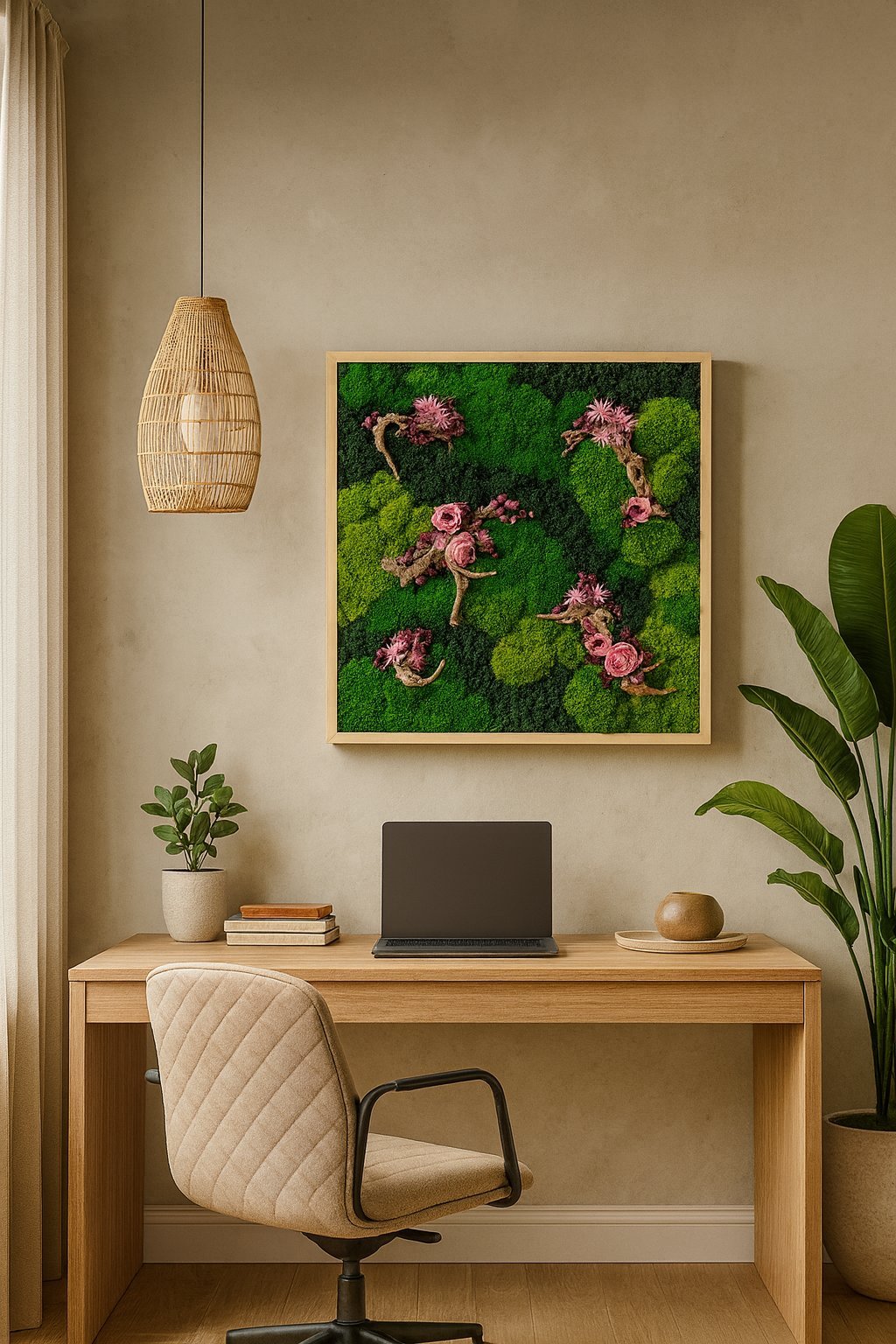
Your desk should harmonize with the existing color palette rather than fighting it. If your room has cool tones like blues or grays, a desk with a white, black, or grey-washed finish will look intentional. For rooms with warmer palettes, opt for natural wood stains or brass hardware.
Pro Tip: If you’re worried about a dark desk making a room look smaller, place it against a light-colored wall to create a high-contrast focal point that adds depth to the room.
Does Your Desk Need Storage?
Storage requirements significantly influence the visual profile of your desk. A desk with built-in drawers or hutch shelving is functional but inherently bulkier. If your decor leans toward a minimalist aesthetic, consider a sleek desk without drawers and supplement your storage with floating wall shelves or a mobile filing cabinet that can be tucked away when not in use.
Balancing Function and Aesthetics
A desk must be a tool for productivity, not just a decorative object. Ensure the height of your desk allows for a neutral posture, which is generally 28 to 30 inches from the floor for most adults. If you find a beautiful vintage piece that’s too low, consider using furniture risers to bring it to a comfortable level without sacrificing the style you love.
Troubleshooting Common Layout Issues
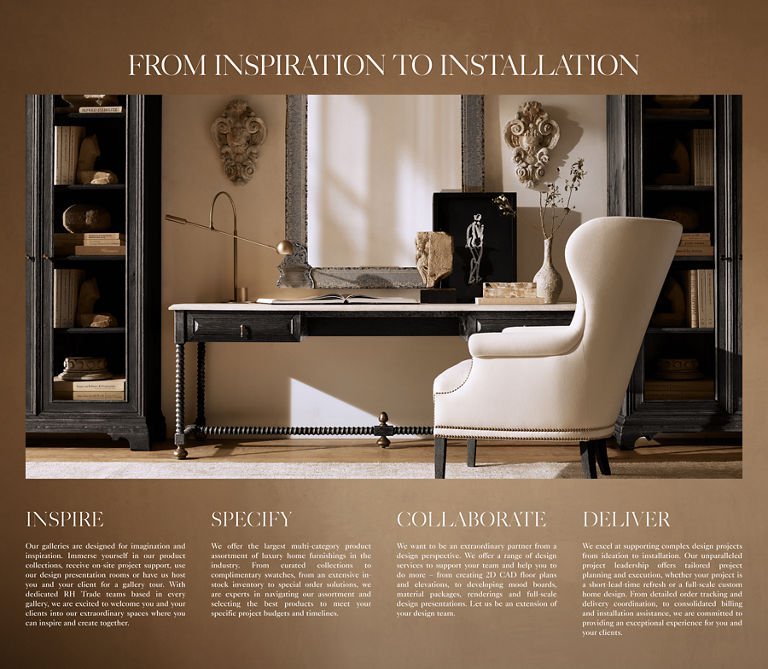
If your desk feels out of place, the problem is often the placement rather than the desk itself. Try rotating the orientation; facing a window can provide natural light, but facing the room interior can make the workspace feel more integrated with the home’s layout. If the area feels cluttered, remove secondary accessories to let the desk’s silhouette stand out.
Frequently Asked Questions
Can I mix wood tones in my office?
Yes, you can mix wood tones as long as you maintain a consistent undertone. If your existing furniture has cool, grey-leaning wood, avoid choosing a desk with deep red or orange undertones. Instead, aim for woods that share similar grain patterns or saturation levels to create a balanced, curated look.
How do I hide messy computer cables?
The best way to maintain a clean decor aesthetic is through integrated cable management. Look for desks with built-in grommets or hidden trays under the desktop. If your desk lacks these, use adhesive cable clips or fabric cord sleeves to bundle your wires and attach them to the underside of the desk frame, keeping them out of sight.
Should I choose a standing desk?
Standing desks are excellent for health, but they often feature industrial designs that can clash with traditional decor. If you want a standing desk that fits a classic home, look for models with wood-grain finishes or frames that feature decorative side panels to hide the mechanical lifting components from view.
What is the best desk for a small corner?
A corner desk or a compact writing desk is ideal for small spaces. These pieces are designed to tuck into tight areas without blocking traffic flow. For the best result, choose a desk that matches the color of your walls, which helps the piece “disappear” into the room when not in use, reducing the overall visual weight of the area.
Is glass a good material for a desk?
Glass desks are excellent for small rooms as they create a sense of transparency and openness. However, they show fingerprints and dust very easily. If you opt for glass, ensure you have a dedicated cleaning routine and consider using a desk mat to protect the surface from scratches and minimize the visibility of smudges.
Selecting a desk is about finding the intersection between your daily workflow requirements and your home’s unique interior design story. Once you have identified the right size, material, and finish, focus on styling your workspace with a lamp or a small plant to bridge the gap between furniture and home. Start by measuring your designated wall space today to find your perfect fit.