
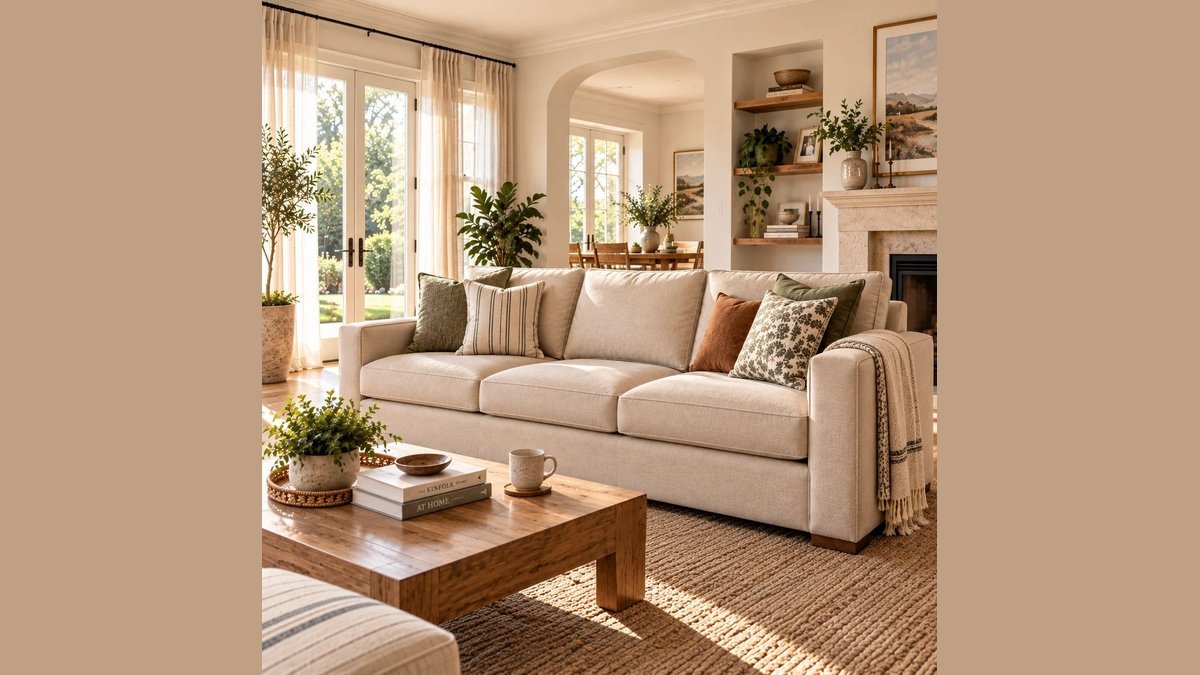
You can purchase high-quality couches through major national furniture retailers, specialized boutique showrooms, or direct-to-consumer online platforms. Depending on your needs, a new sofa typically costs between $400 and $4,500, with budget models starting as low as $250 and high-end, custom-upholstered pieces reaching upwards of $8,000. Selecting the right piece requires balancing your personal aesthetic, room dimensions, and the expected daily wear of the household.
Key Takeaways
- Measure your room doorways and hallways before ordering to ensure the sofa fits upon delivery.
- Check the upholstery material durability ratings to match your lifestyle, especially if you have pets or children.
- Prioritize solid hardwood frames over particleboard for long-term structural integrity.
- Compare return policies carefully, as shipping large furniture back often incurs significant restocking fees.
- Test the seat depth and back height in person whenever possible to confirm physical comfort.
Where Can I Buy Couches?
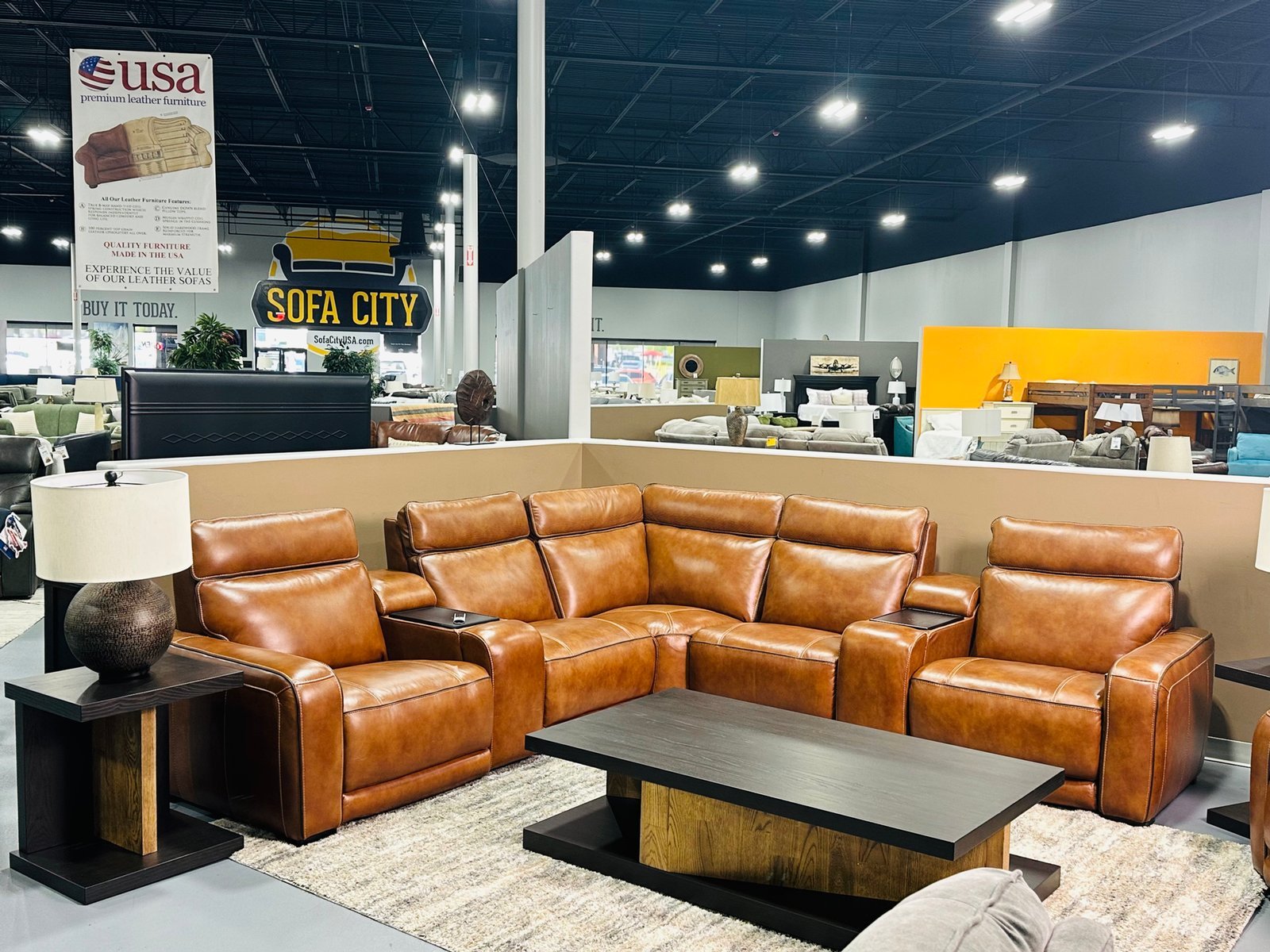
Finding the right sofa involves choosing between the convenience of digital storefronts and the tactile experience of a brick-and-mortar showroom. Large national chains like Pottery Barn, West Elm, and Crate & Barrel offer extensive customization options, while retailers like IKEA or Wayfair cater to those seeking immediate delivery or budget-friendly modular solutions.
| Retailer Category | Price Range | Best For |
|---|---|---|
| Big-Box Retailers | $300 – $1,500 | Quick delivery and modern, simple designs |
| Luxury Showrooms | $2,500 – $9,000 | Custom fabrics and heirloom-quality frames |
| Online Marketplaces | $400 – $2,000 | Value, variety, and convenient home shipping |
Assessing Your Specific Needs
Before you commit to a purchase, you must evaluate the intended use of the furniture. A formal living room sofa that sees little action can prioritize delicate fabrics like velvet or linen, whereas a family room couch needs performance fabrics that resist stains and snagging. Always check the manufacturer’s technical specifications for flame retardant compliance to ensure they meet the Consumer Product Safety Commission safety standards regarding flammability and material safety.
Physical Showroom Versus Online Shopping
Shopping in person allows you to verify the foam density and frame stability that online photos can’t replicate. When you visit a showroom, don’t just sit on the edge; lie down on the couch to see if the length and cushion support work for your frame. Conversely, online shopping provides access to thousands of reviews and a wider array of modular configurations that are often unavailable in smaller local storefronts.
Essential Features to Evaluate
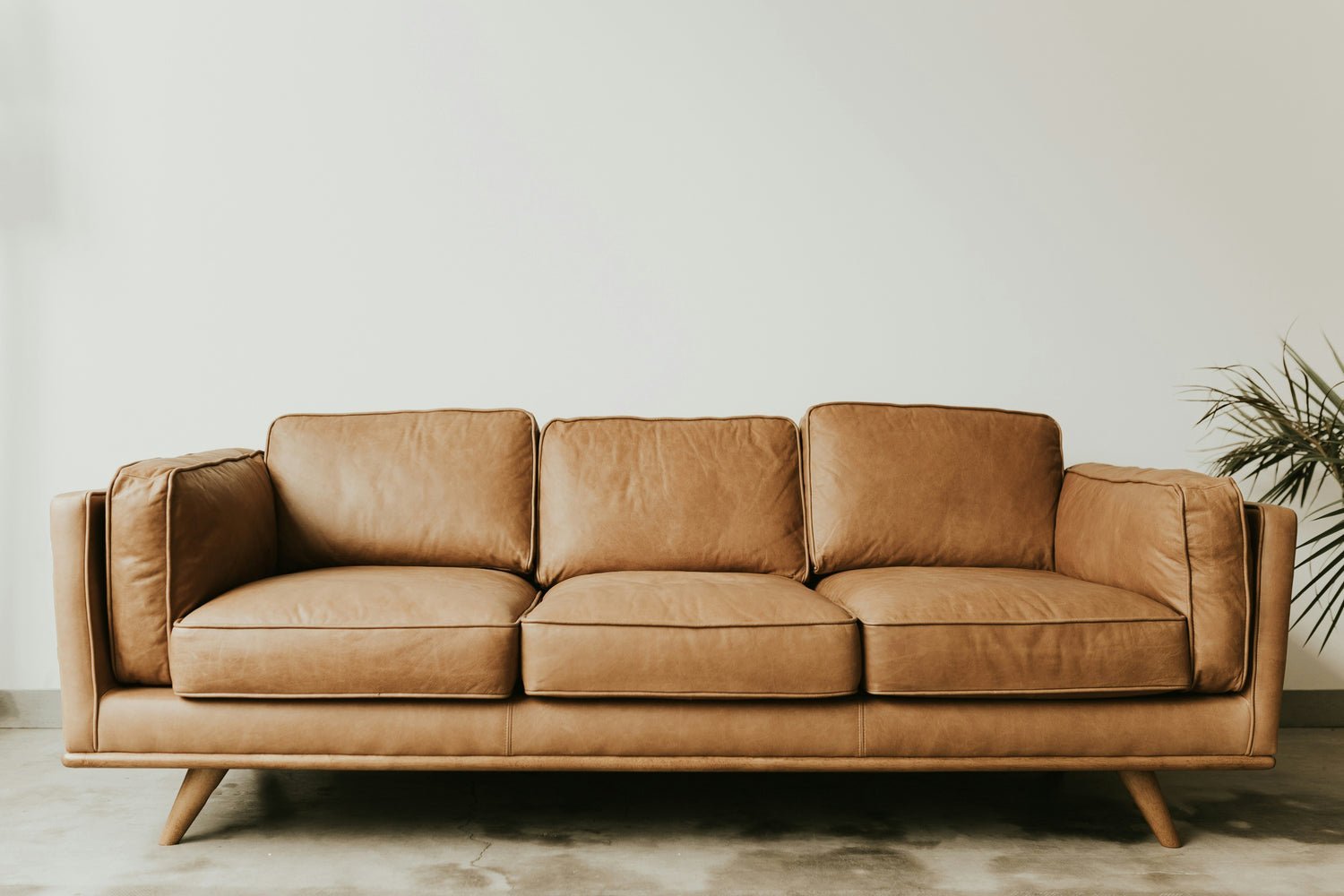
When inspecting a potential couch, look for signs of high-quality construction. The frame should be constructed from kiln-dried hardwood, which prevents warping over time. Avoid pieces that rely heavily on staples or glue at the joints.
- Corner Blocks: These provide essential support at the stress points of the frame.
- Sinuous Springs: These are common in mid-range sofas and offer a comfortable, bouncy feel.
- Eight-Way Hand-Tied Springs: Found in high-end furniture, these offer superior weight distribution and longevity.
What Are Common Sofa Styles?
Different aesthetics define the silhouette of your room. Choosing a style often dictates the overall comfort level and how the piece fits into your existing decor.
| Style Name | Defining Features | Best Room Type |
|---|---|---|
| Chesterfield | Deep button tufting and rolled arms | Traditional or formal studies |
| Mid-Century Modern | Tapered legs and clean, simple lines | Small apartments and urban homes |
| Sectional | L-shape or U-shape configurations | Large family rooms and open plans |
| Lawson | Overstuffed cushions and square arms | Casual living rooms and dens |
How to Check Frame Quality
Pro Tip: Always lift one front corner of the sofa about six inches off the floor. If the opposite front leg doesn’t lift immediately, the frame is likely weak or twisted, indicating poor structural integrity. A sturdy couch should feel heavy and rigid, with no noticeable wobbling or squeaking when you apply pressure to the arms or backrests.
Understanding Fabric Durability
The material covering your couch is the most exposed part of the furniture. For homes with pets, look for tightly woven synthetic fibers like microfiber or polyester blends, which are difficult for claws to penetrate. Natural fibers like cotton or wool are beautiful but often require professional cleaning if you spill liquids, making them less ideal for high-traffic environments.
Logistics of Delivery Services

Warning: Always measure the narrowest point of your home entrance, including hallways and stairwells, before placing your order. Many retailers charge a non-refundable “failed delivery” fee if the couch doesn’t fit through your front door. Ask if the service includes “white glove” delivery, which means the professionals will unbox the item, place it in your room, and remove all packaging materials.
Related guides
- How Big Is a 3 Person Couch: Standard Lengths and Dimensions
- Where Can I Buy an Office Chair: Retailer and Online Options
Frequently Asked Questions
How do I measure for a couch?
Start by measuring the length, width, and height of your designated area. Crucially, measure your doorway width, hallway turns, and elevator dimensions. A sofa that looks perfect in a showroom can easily become impossible to move into a home if you ignore the dimensions of your entry points. Always account for at least two inches of clearance on all sides during transit.
Is it better to buy online?
Buying online offers a massive selection and price transparency, but you lose the ability to test comfort. If you buy online, prioritize retailers with generous return policies and detailed user reviews. Look for companies that offer fabric swatches so you can see the color and texture in your home’s natural lighting before you finalize your expensive purchase.
How long should a sofa last?
A well-constructed sofa should last between seven and fifteen years. Budget options often start showing sagging cushions or frame wear within three to five years. If you invest in high-quality materials, such as solid wood frames and high-density foam, you can extend the lifespan significantly by rotating your cushions regularly and vacuuming the fabric to remove abrasive dust particles.
Can I fix a sagging sofa?
Yes, you can often fix minor sagging by adding a support board under the cushions or replacing the foam inserts. If the underlying spring system is broken, the repair might be more costly than the value of the couch. Always check if your purchase includes a manufacturer’s warranty, as many high-end brands cover structural frame issues for ten years or more.
What is the most durable fabric?
Synthetic fibers like polyester, nylon, and acrylic are generally the most durable choices. They’re engineered to resist fading, pilling, and staining. Leather is another excellent, long-lasting option, though it requires specific maintenance to prevent drying or cracking. If you choose leather, look for full-grain or top-grain varieties, as these will age gracefully and develop a unique patina over many years.
Selecting the right couch is a long-term investment in your home’s comfort and style. Take your time to research the materials, verify the dimensions of your living space, and compare the return policies of your preferred retailers. Once you have identified a frame and fabric that suit your lifestyle, visit a showroom to sit on the piece before placing your final order.