

No, a couch isn’t a chair because it’s designed to seat multiple people at once. While both pieces of furniture provide a place to sit, the industry standard for a chair defines it as a piece for one individual user.
Distinctions in furniture design
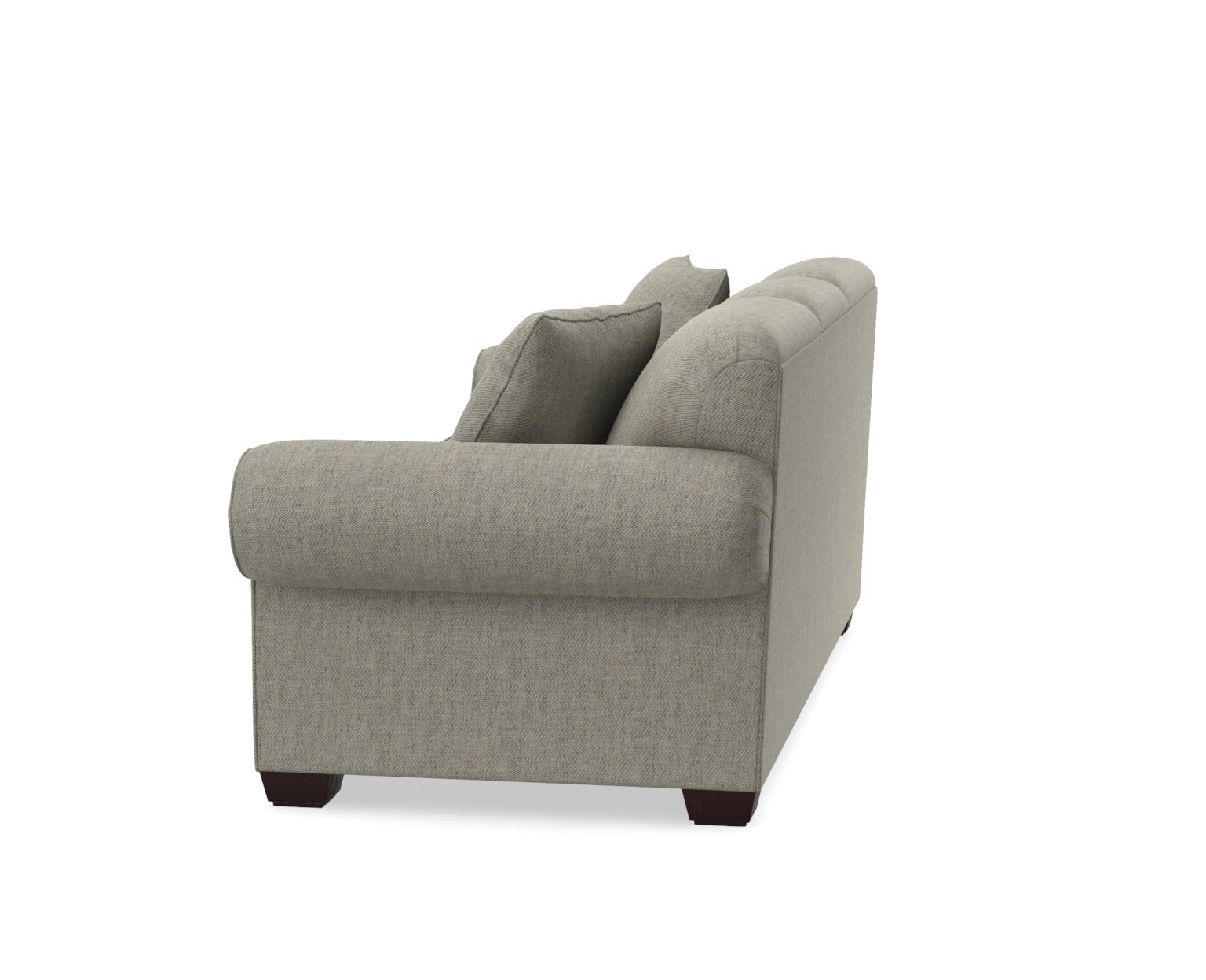
Furniture manufacturers and interior designers classify pieces based on their intended use, size, and physical construction. A chair is a single-seat unit that provides back support, while a couch, or sofa, is an elongated piece that features a frame built to support two or more people.
If you’re looking for tax or insurance purposes, a couch is usually categorized as a large seating unit. If you’re buying furniture, you should note that a chair typically measures between 20 to 30 inches in width, whereas a standard couch usually begins at 60 inches or wider. This size difference affects how you plan your room layout and how much floor space you need to keep clear.
Key differences between couches and chairs
- Seating capacity: A chair is built for one person, while a couch is built for multiple people.
- Width: Chairs are narrow, typically under 30 inches, while couches are wide, usually over 60 inches.
- Frame strength: Couch frames require extra structural support to handle the weight of two or more adults.
- Arms and back: Chairs often feature a more rigid, upright structure, whereas couches focus on deep, continuous cushioning.
- Room function: Chairs act as accent or task seating, while a couch serves as the primary gathering point in a living area.
Why they’re categorized differently
The primary reason for this distinction is the load-bearing capacity and the intended social function of the furniture. A chair is an individual task seat, while a sofa is a communal platform. This isn’t just about size; it’s about how the frame is engineered to distribute weight. A chair frame is simple and focused on a single point of gravity. A couch frame includes complex bracing to ensure that the middle section doesn’t sag when multiple people sit on it. If you try to use a couch like a chair, you might find that the depth is too great for proper posture, which can lead to back strain over long periods of sitting.
Situations where definitions change
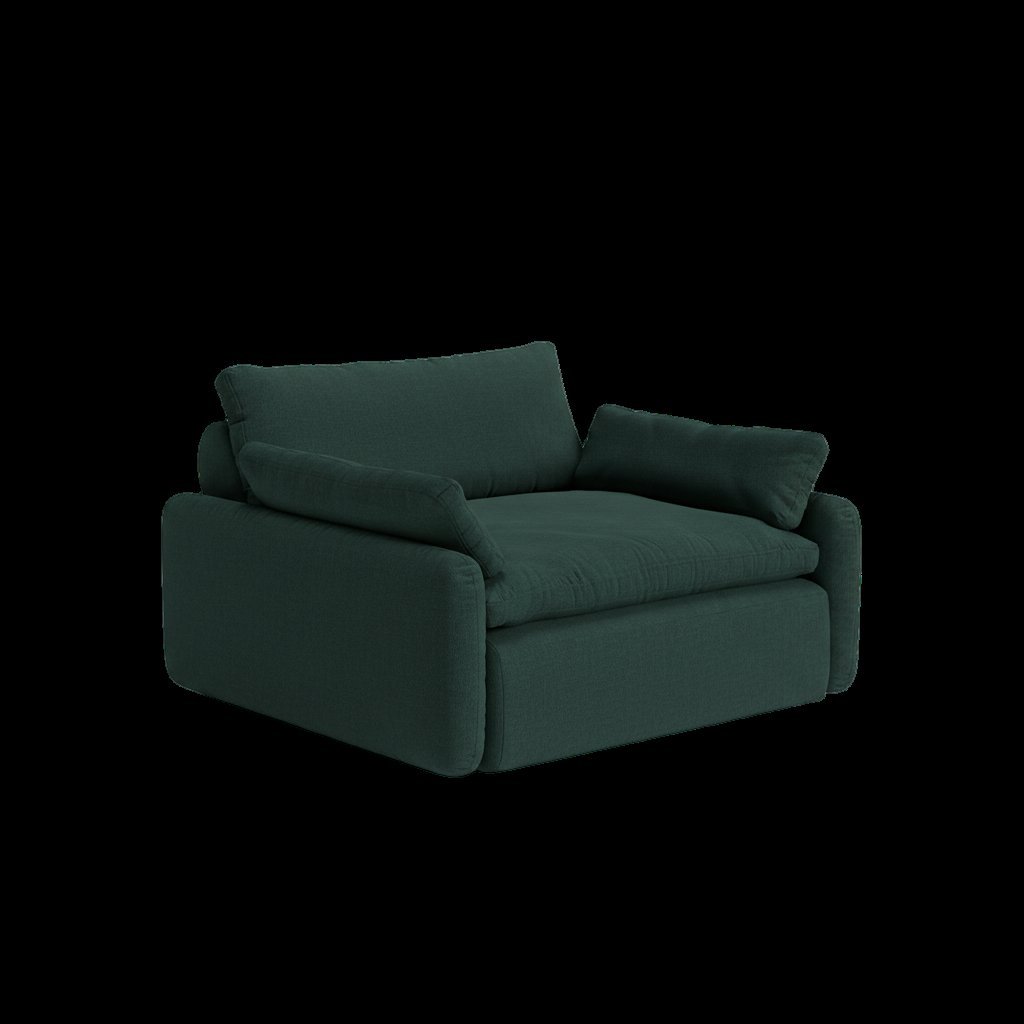
| Situation | What changes | What to do instead |
|---|---|---|
| Small apartments | Limited floor space | Choose a loveseat |
| Office settings | Ergonomic requirements | Use a task chair |
| Public waiting areas | Shared seating needs | Use modular benches |
| Bedroom use | Available area | Pick an accent chair |
| Hotel planning | Guest capacity | Select multi-seat sofas |
Selecting the right seating
- Measure your total available floor space, ensuring you leave at least 30 inches of walkway around any piece of furniture.
- Count the number of people who will use the space daily; if it’s one person, a chair is sufficient.
- Check the depth of the seat; a standard chair is 18 to 22 inches deep, while a couch is often 24 inches or deeper.
- Test the frame by sitting on the edge; if the piece feels unstable or leans, it lacks the proper support for its intended size.
- Match the back height to your needs; high-back chairs are for support, while low-back couches are for lounging.
- Verify the manufacturer’s weight limit, which is typically printed on a tag under the cushion or on the frame.
Mistakes that ruin your layout
- Placing a large couch in a tiny room makes the area feel cramped and prevents easy movement.
- Buying a chair when you need communal seating forces guests to sit on the floor or stand.
- Ignoring the depth of a couch often leads to poor posture because your feet may not touch the floor.
- Selecting furniture without measuring doorways means you might not be able to get the piece into your room.
Frequently asked questions
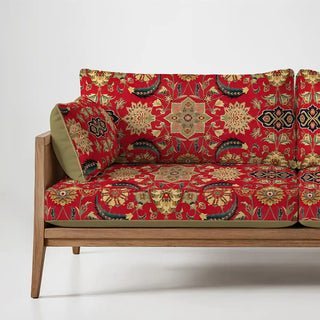
Can a loveseat be called a chair?
No, a loveseat isn’t a chair because it’s designed to seat two people. While it’s smaller than a full sofa, it still exceeds the single-person capacity that defines a standard chair in furniture retail.
Is it safe to use a couch for task work?
It isn’t recommended for long periods because couches lack the lumbar support of a proper task chair. You’ll likely experience back discomfort if you use a couch for office work for more than one hour at a time.
How long should a couch last?
A high-quality couch should last for a significant period with regular use. You can check the expected lifespan in the product documentation provided by the manufacturer or by inspecting the density of the foam and the quality of the frame joints.
What happens if I put a couch in a small office?
You’ll lose most of your usable floor space and likely block exit paths. A couch requires at least 60 inches of width and 36 inches of depth, which is usually too large for a standard home office setup.
Does it matter if I call a couch a chair?
It matters when you’re shopping or arranging professional insurance. Retailers use these terms to organize inventory, and using the wrong word can lead you to buy a piece that’s either too small or too large for your specific needs.
How many people does a standard chair seat?
A standard chair is designed to seat exactly one person. If you need to seat more than one person, you must choose a loveseat, a sofa, or a sectional, as these are engineered with the necessary frame strength for multiple users.
Conclusion
Choosing the right piece of furniture comes down to your specific space and the number of people who need to sit down at once. If you only have room for one person, a single chair is your best option, but for any social area, a couch provides the necessary length and structure to accommodate a group comfortably.
Related guides