
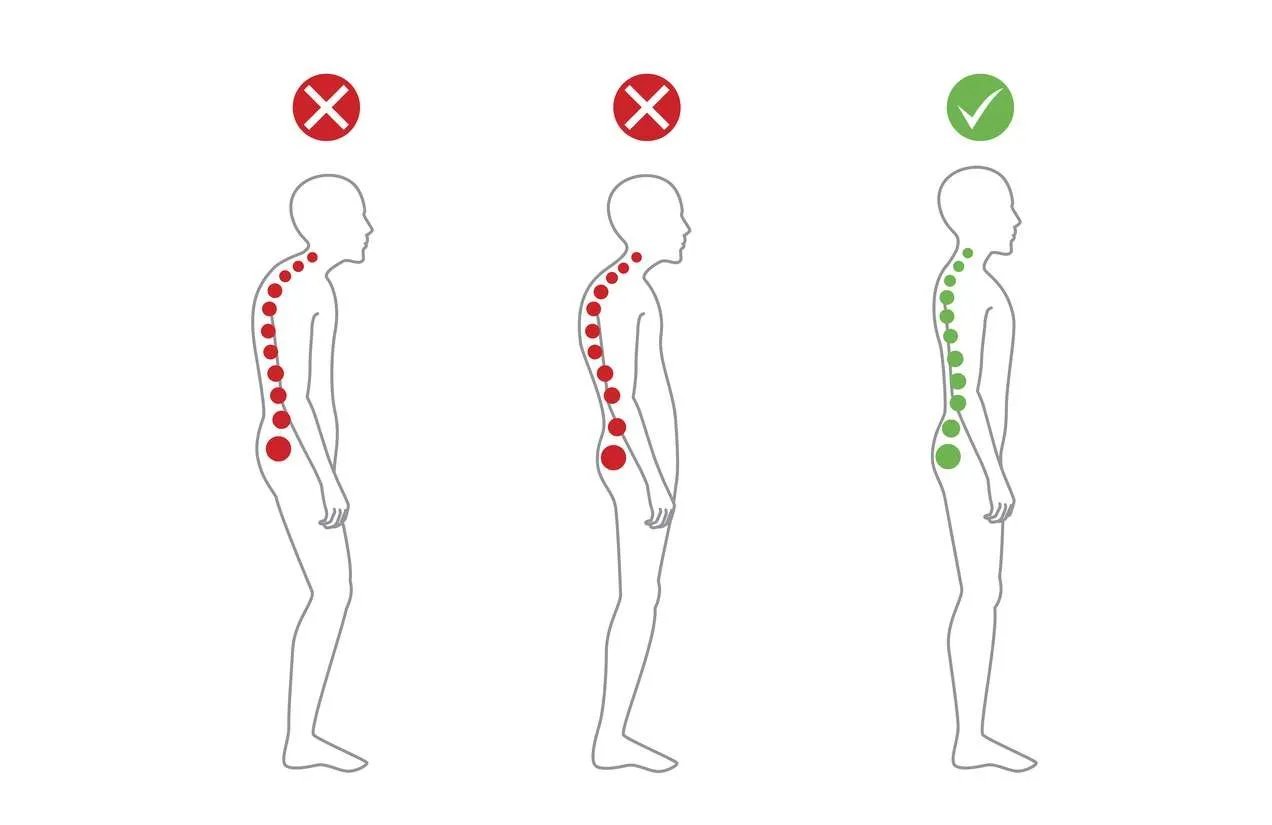
A straight back should look like a gentle, stacked line where your ears, shoulders, and hips align vertically when viewed from the side. This is how a straight back should look to keep your spine in a neutral, healthy position without forcing any muscles to overwork during your daily activities.
How should a straight back look? Visualizing Neutral Alignment
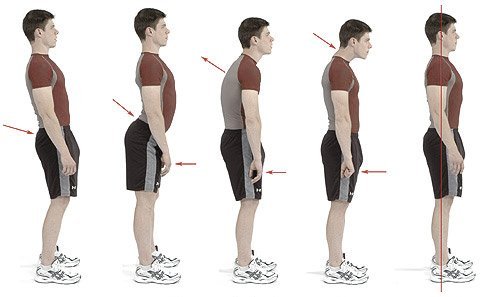
| Part or input | What it does | What you notice when it goes wrong |
|---|---|---|
| Ear canal | Aligns with shoulder | Head shifts too far forward |
| Shoulder joint | Stays over the hip | Rounded or slumped forward |
| Rib cage | Rests over the pelvis | Flaring out or sinking down |
| Lumbar spine | Maintains natural curve | Flat back or excessive sway |
| Pelvis | Stays in neutral tilt | Tilted too far forward or back |
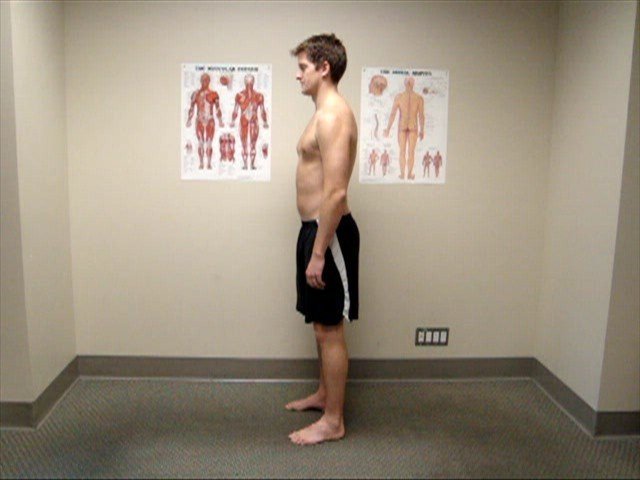
You can check your own alignment by standing against a wall. Your head, upper back, and buttocks should touch the wall comfortably. If your lower back has a small gap, that’s normal, but if your head can’t touch the wall without looking up, your posture needs adjustment. The National Health Service provides further guidance on maintaining these neutral positions for long-term health.
Steps to achieve neutral posture
- Stand with your feet shoulder-width apart, keeping your weight balanced evenly across both heels and the balls of your feet.
- Imagine a string pulling the top of your head toward the ceiling to lengthen your neck and lift your chest slightly.
- Roll your shoulders up, back, and down to release tension, ensuring they sit directly above your hip joints, not forward.
- Tighten your core muscles gently as if bracing for a light touch, which helps stabilize your spine against gravity’s downward pull.
- Check that your pelvis isn’t tilted forward or backward; it should feel level, like a bowl of water balanced flat.
- Hold this position for five to ten seconds while breathing normally, noticing how your muscles feel when they’re working together.
- Repeat this check every hour while sitting or standing to train your body to return to this neutral, stacked alignment naturally.
Why this matters when something goes wrong
When your spine loses its neutral alignment, your body compensates by overusing specific muscles, which leads to fatigue and pain. If your head sits forward of your shoulders, the muscles in your neck and upper back must work harder to hold up your head’s weight. This constant tension often results in aching muscles and tension headaches. Similarly, if your pelvis tilts too far forward, your lower back muscles tighten up to prevent you from falling over, causing strain in your lumbar region.
Distinguishing between a “straight” back and a “stiff” back is vital. A straight back doesn’t mean forcing your spine to be rigid like a board. It means keeping the natural curves of your neck, mid-back, and lower back supported. When you force your back to be rigid, you lose the shock-absorbing capacity of those natural curves.
Your control and design limits
Things you can change
- Your screen height to prevent looking down.
- The frequency of your posture check-ins.
- Your chair depth to support your thighs.
- Your core engagement during long tasks.
Things fixed by design
- The natural curves of your vertebrae.
- Your specific height and limb proportions.
- Underlying structural issues like scoliosis.
If you have chronic pain or structural concerns, you must consult a physical therapist or a doctor. They can perform an assessment that’s beyond the scope of general advice. Don’t attempt to force your spine into a position that causes sharp pain, as this can lead to injury.
Habits for better spinal health
Integrate these habits to support your back throughout the day. First, adjust your computer monitor so the top third of the screen is at eye level to stop you from slouching. Second, if you sit for more than thirty minutes, stand up and stretch for one minute to reset your alignment. Third, ensure your chair provides support for your lower back curve. Finally, keep your feet flat on the floor; if they dangle, use a footrest to keep your hips at a ninety-degree angle, which reduces pressure on your lower spine.
How do I know if my back is straight?
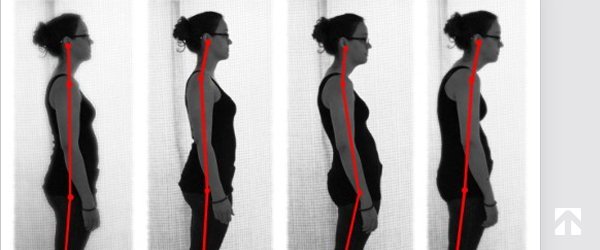
A straight back is properly aligned when a vertical line drawn from your ear passes through the center of your shoulder, hip, knee, and ankle. If you feel balanced and your muscles aren’t straining to hold you up, you’re likely in a good position.
Can I fix a rounded back by standing taller?
Yes, but you must engage your core rather than just pulling your shoulders back. Over-correcting by pulling your shoulders too far back can create new tension, so focus on lifting your chest and lengthening your spine upward instead.
Is it safe to hold a straight back all day?
No, holding any single position for more than thirty minutes causes muscle fatigue. Even a perfect posture needs movement, so shift your weight, walk, or stretch regularly to keep your muscles from locking up from static tension.
What happens if I keep my back too straight?
You might experience muscle spasms or increased fatigue in your back and neck. A spine that’s too rigid can’t move fluidly, which makes everyday tasks feel difficult and places unnecessary stress on the discs between your vertebrae.
Does my back shape change with age?
Yes, natural changes in bone density and muscle strength can affect your posture over decades. You can limit these changes by maintaining core strength and practicing good alignment habits, which helps your spine stay resilient as you get older.
How long does it take to improve posture?
Changes usually take four to eight weeks of consistent daily practice. Your muscles need time to adjust to new patterns, so be patient and focus on small, hourly corrections rather than trying to perfect your posture in a single day.
Maintaining a neutral spine is a skill you build through consistency rather than a one-time effort. By focusing on the alignment of your head, shoulders, and hips, you reduce the strain on your body and improve your comfort during daily tasks. Small, frequent adjustments are more effective than rigid posture, so listen to your body and move often to keep your spine healthy and mobile.
Related guides