
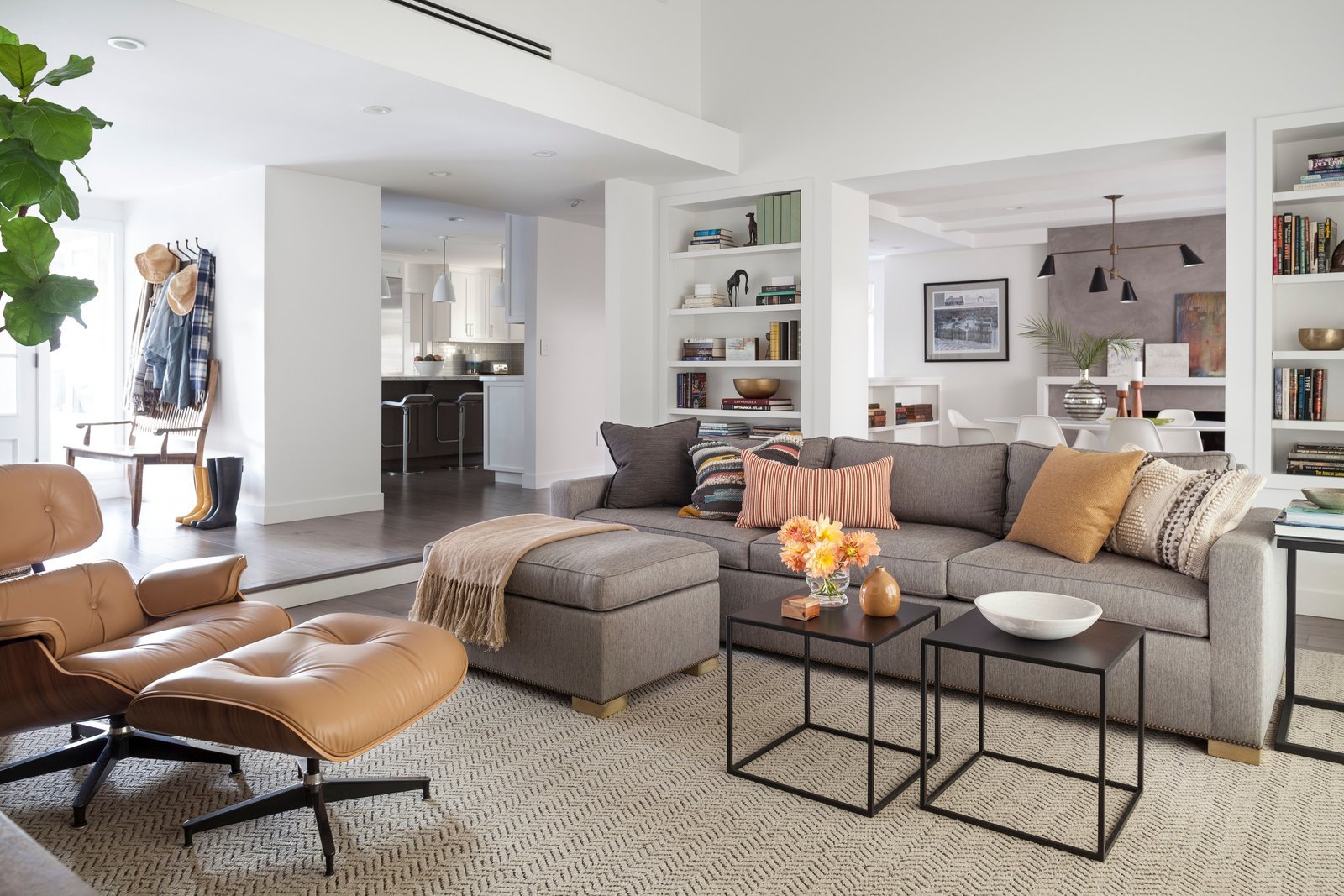
A standard living room couch typically costs between $600 and $2,500 for a mainstream, good-quality model. Budget-friendly retail sofas start as low as $250 to $500, while custom, bench-made designer sectionals easily climb into the $3,000 to $8,000 range. The final price tag depends on size, internal framing, upholstery materials, and origin of manufacturing.
Key Takeaways
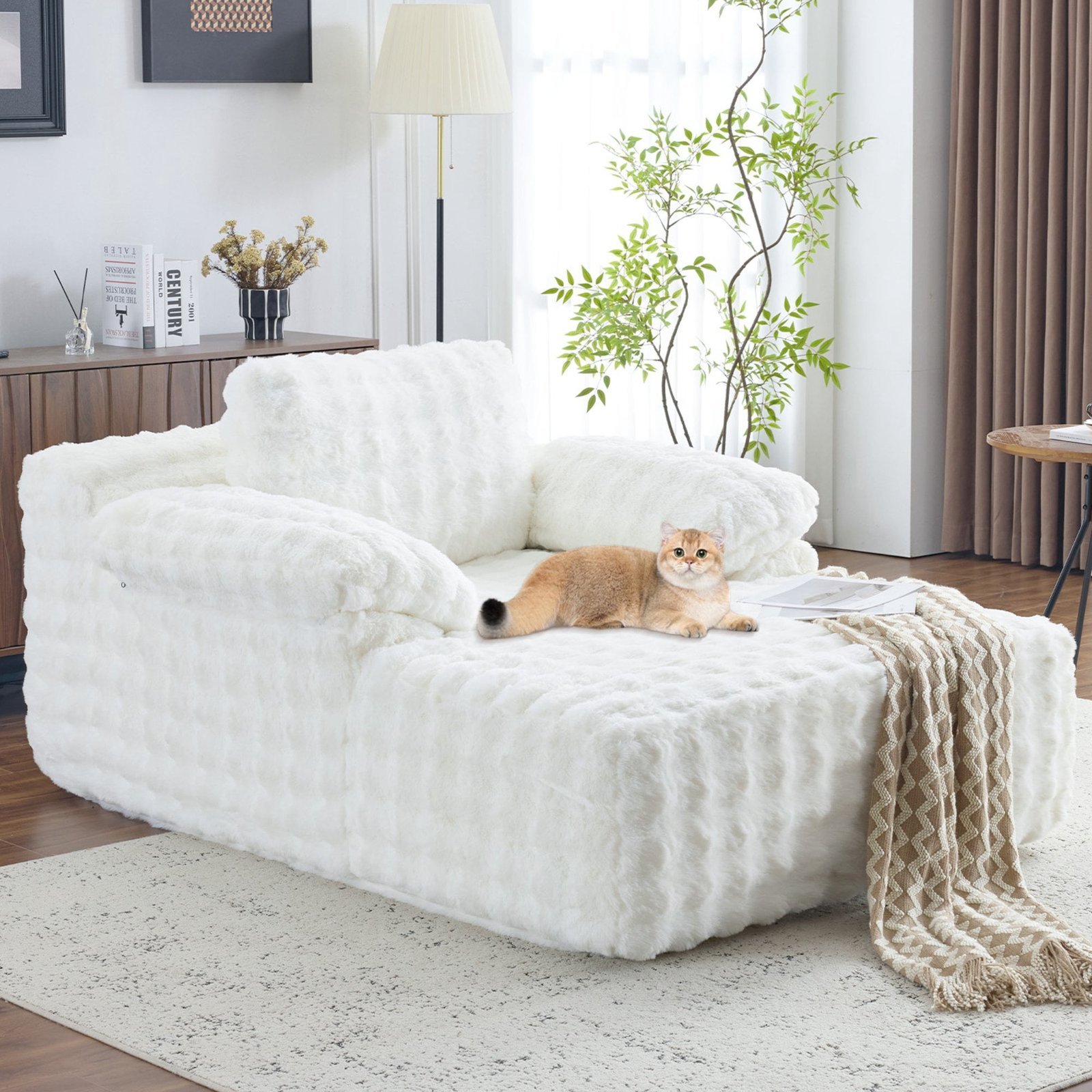
- Budget sofas range from $250 to $700, mid-tier options run $700 to $2,000, and luxury pieces cost $2,000 to $5,000+.
- Kiln-dried hardwood frames and high-resiliency foam drive up initial purchase prices but extend sofa lifespan past ten years.
- Performance fabric and genuine top-grain leather add $300 to $1,500 compared to standard polyester blends.
- Additional expenses like delivery, fabric protection plans, and sales tax typically add 15% to 25% to your final invoice.
- Sectionals cost roughly 40% to 70% more than standard three-seater sofas of comparable build quality.
Living Room Couch Cost Tiers
Couches fall into three main pricing tiers based on construction quality, retail channel, and expected durability.
| Tier | Price Range | Expected Lifespan | Typical Retailers |
|---|---|---|---|
| Budget / Entry-Level | $250 – $700 | 2 – 5 years | IKEA, Wayfair, Target |
| Mid-Range | $700 – $2,200 | 5 – 10 years | West Elm, Article, Crate & Barrel |
| High-End / Luxury | $2,200 – $7,000+ | 10 – 25+ years | Restoration Hardware, Room & Board, Ethan Allen |
Entry-level couches rely on engineered wood frames and lower-density foam cushions that lose shape relatively quickly. Mid-range seating introduces solid wood components, removable covers, and steel spring support systems. Luxury brands feature American or European solid hardwood framing, down-feather blends, and hand-tied spring systems.
Average Cost by Couch Style
Different silhouettes require varying amounts of structural support, raw materials, and upholstery yardage, which directly impacts the purchase price.
| Couch Style | Low End | Average Cost | High End |
|---|---|---|---|
| Loveseat (2-Seater) | $200 | $500 – $1,100 | $2,500+ |
| Standard 3-Seater Sofa | $350 | $800 – $1,800 | $4,500+ |
| L-Shaped Sectional | $650 | $1,500 – $3,200 | $7,000+ |
| U-Shaped Sectional | $1,000 | $2,200 – $4,500 | $9,000+ |
| Sleeper Sofa | $500 | $1,200 – $2,500 | $5,000+ |
| Power Reclining Sofa | $600 | $1,100 – $2,800 | $6,000+ |
Pro Tip: If your living room requires modular seating, purchasing a three-seater sofa paired with a standalone ottoman often costs $300 to $600 less than a dedicated L-shaped chaise sectional of the same brand.
What Drives Couch Prices Up?
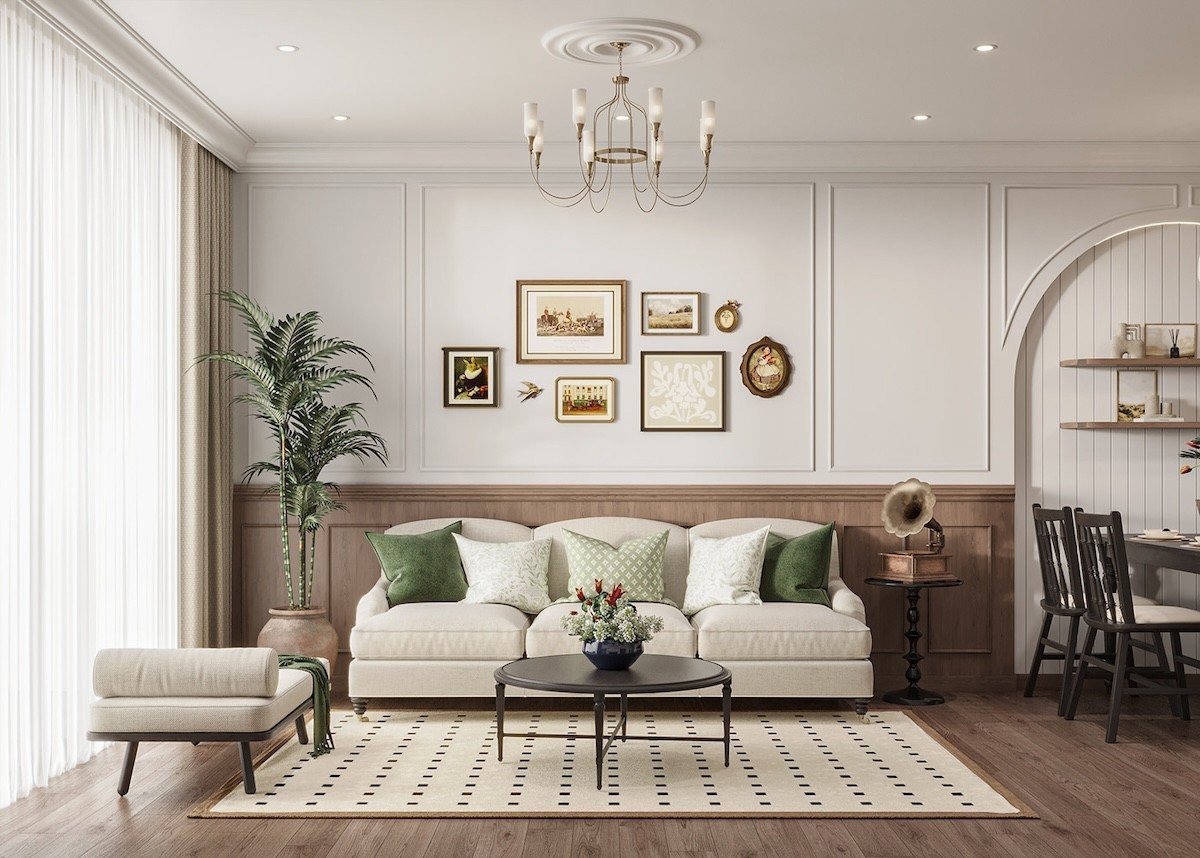
The internal craftsmanship of upholstered furniture accounts for massive price differences between pieces that look identical on showroom floors.
Frame Materials and Joint Construction
The sofa’s backbone dictates how long the unit remains stable without squeaking or wobbling. Cheap sofas use glued oriented strand board (OSB) or particleboard fastened with simple staples. Quality frames utilize kiln-dried hardwood like maple, ash, or oak to prevent warping over time. Premium builds feature mortise-and-tenon joinery reinforced with corner blocks and wooden dowels rather than short metal nails.
Cushion Cores and Internal Suspension
Support systems directly influence sitting comfort. Low-cost models rely on webbed elastic bands stretched across the base. Mid-market options incorporate steel sinuous springs (S-shaped wire). The gold standard remains eight-way hand-tied springs, requiring skilled labor to tie individual steel coils together. Cushion fillings also scale in price:
- Polyurethane foam: Inexpensive, quick to sag within 24 months.
- High-resiliency foam (HR): Dense, durable, retaining shape for a decade.
- Feather and down wrap: Adds $200 to $600 for plush, sink-in comfort that requires regular fluffing.
Fabric and Leather Options
Textiles represent 20% to 45% of total manufacturing costs. Base synthetic fabrics like standard polyester or microfiber maintain lower costs. Performance fabrics like Crypton and Sunbrella carry a $200 to $500 premium because they resist moisture, spills, and pet stains. Genuine leather adds substantial costs:
- Bonded or faux leather: Adds $0 to $150 (prone to peeling).
- Split grain: Adds $300 to $600.
- Top-grain or full-grain leather: Adds $800 to $2,500 due to material scarcity and hide yield.
Hidden Expenses When Buying Furniture
The list price on a website or showroom tag rarely represents the final out-of-pocket expenditure.
- Shipping and white-glove delivery: Flat curbside drop-off runs $50 to $150, while indoor assembly and packaging removal ranges from $150 to $300.
- State and local sales tax: An 8% tax rate adds $120 to a $1,500 purchase.
- Protection warranties: Retailers sell 3-to-5-year accidental stain policies for $80 to $250.
- Old furniture removal: Haul-away services charge $75 to $150 to dispose of your previous couch.
Warning: Always measure exterior door frames, stairwells, and hallway corners before finalizing an order; restocking fees for oversized items returned at the door often run between 10% and 25% plus return shipping fees.
Where to Buy Couches by Budget
Shopping at specific stores helps target defined price-to-quality ratios:
- Budget-conscious retailers: IKEA, Target, and Wayfair offer compact seating, flat-pack assembly options, and modular solutions suited for rental units and first apartments.
- Mid-market mainstream stores: West Elm, Pottery Barn, Macy’s, Article, and CB2 balance on-trend design with sturdy construction suited for everyday living.
- Custom and heirloom makers: Room & Board, Restoration Hardware, Maiden Home, and Arhaus prioritize domestic manufacturing, bench-crafted frames, and long structural warranties.
Safety Standards and Chemical Emissions
Couches contain multiple chemical compounds inside their synthetic foams and finishes. Consumers shopping for indoor seating should verify third-party certifications to minimize airborne toxins in their home. The EPA Indoor air quality guidelines outline how volatile organic compounds (VOCs) emit from consumer goods like upholstered furniture and building materials. Look for CertiPUR-US certified foams to ensure cushions are made without ozone depleters, mercury, lead, or regulated phthalates.
Frequently Asked Questions
How long should a $1,000 couch last?
A well-cared-for $1,000 couch typically lasts between five and eight years under regular household usage. To maximize longevity at this price point, rotate reversible cushions monthly, keep the fabric away from direct, all-day sunlight, and vacuum crumb buildup out of the seat deck crevices regularly to prevent fabric abrasion.
Is leather more expensive than fabric?
Yes, authentic leather upholstery costs roughly 30% to 60% more than standard woven fabrics on identical frame designs. Genuine top-grain cowhide requires specialized cutting and stitching techniques, and the raw hides themselves cost significantly more per square foot to source and tan than synthetic polyester blends.
Why are sectionals so expensive?
Sectionals require substantial structural framing, multiple separate connection brackets, and nearly double the yardage of foam, suspension springs, and upholstery fabric needed for a regular sofa. The larger overall footprint also increases domestic freight and warehouse storage costs for furniture retailers.
Can you finance a living room couch?
Most major furniture stores and online merchants offer financing programs through services like Affirm, Klarna, or store-branded credit cards. Many provide zero-percent interest promotional periods lasting 6 to 24 months, provided the account balance gets paid in full before the introductory window expires.
Measure your living room layout carefully using painter’s tape on the floor to outline target sofa dimensions, then establish a firm spending cap that accounts for taxes and delivery fees before browsing showrooms.