
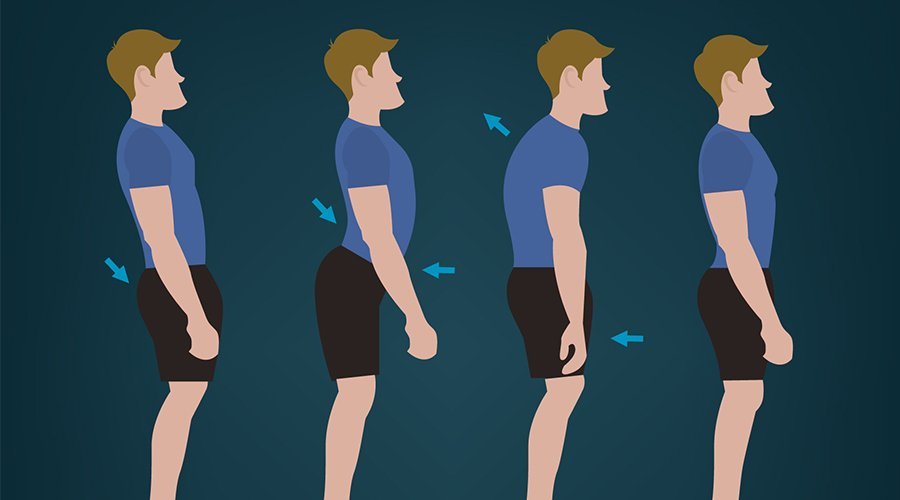
To learn how to be straight back, engage your core muscles and align your ears over your shoulders for ten minutes of practice each day.
Gear on how to be straight back
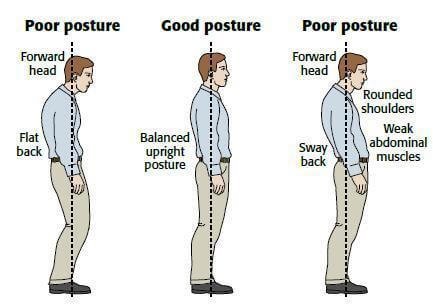
- A firm-backed chair: Use one without a deep recline to support your lower back.
- A mirror: Place it where you can see your side profile to check your ear-to-shoulder alignment.
- A resistance band: Use a light-tension band for shoulder blade squeezes.
- A small towel: Roll it up to place behind your lumbar curve while sitting.
- A timer: Set it for ten-minute intervals to avoid muscle fatigue.
If you’re a beginner, start with a light band; if you use heavy resistance too soon, you’ll strain your neck muscles. For professional guidance on spinal health, check the NHS posture advice.
Corrective movement steps
- Stand against a flat wall with your feet six inches away and your head, shoulders, and glutes touching the surface.
- Pull your shoulder blades together and down toward your back pockets to open your chest.
- Draw your belly button toward your spine to engage the deep core muscles that stabilize the torso.
- Tuck your chin slightly to keep your neck long and aligned with your upper back.
- Hold this position for exactly sixty seconds, repeating the cycle five times throughout your day.
- Walk away from the wall while maintaining the same upright height and shoulder placement you just practiced.
Tip: If you feel tension in your lower back, move your feet a few inches further from the wall to reduce the arch.
Careful: Don’t force your shoulders back so hard that your ribs flare out, as this causes lower back strain.
Posture adjustments by setting
Maintaining a straight back changes based on your environment. Use this table to adjust your focus throughout the day.
| Situation | Time/Effort | Key Difference | What to Watch |
|---|---|---|---|
| Office Desk | 8 hours | Requires lumbar support | Monitor eye level |
| Driving | 1 hour | Seat angle matters | Pelvis position |
| Standing | Ongoing | Gravity pull | Weight distribution |
| Heavy Lifting | Short bursts | Core bracing | Spine neutrality |
It’s safer to start with five minutes of focused alignment and add more time as your muscles gain endurance than to strain yourself by overcompensating on day one.
Verifying your alignment
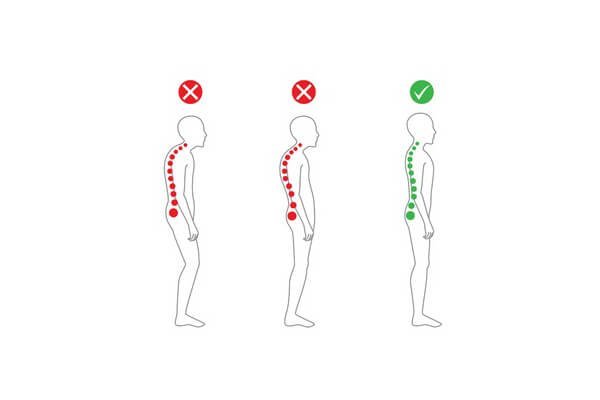
A good result looks like a vertical line running from your ear through your shoulder, hip, and ankle. If you see your head pushed forward or your shoulders rounded, you’re likely suffering from “tech neck,” which occurs when the neck muscles overstretch due to constant screen viewing. To prevent this, place your screen at eye level so your head stays neutral. If you struggle to hold the position for more than a minute, focus on strengthening your rhomboids and trapezius muscles rather than just pulling your shoulders back manually.
Standards and maintenance
The American Chiropractic Association suggests that maintaining a neutral spine reduces unnecessary pressure on your discs, which prevents long-term wear. After your practice session, ensure you stand up and walk for two minutes to reset your joints. If you work at a desk, perform these checks every hour to prevent muscle memory from locking your body into a slouch. This routine isn’t a replacement for medical care; if you experience sharp pain or numbness, consult a physical therapist or a licensed physician before continuing these exercises.
Alternative approaches
Yoga and Pilates
These disciplines focus on controlled movements that build endurance in the deep postural muscles. They’re excellent for long-term results but require more time and instruction than simple daily wall checks.
Ergonomic workstations
Investing in a standing desk or a specialized chair forces your body into better alignment. This lowers the effort needed to stay straight but doesn’t replace the need for active muscle engagement.
Physical therapy
If you have a history of back pain, a therapist provides custom exercises. This is the most effective route for correcting structural imbalances that simple home practice can’t reach on its own.
Frequently asked questions
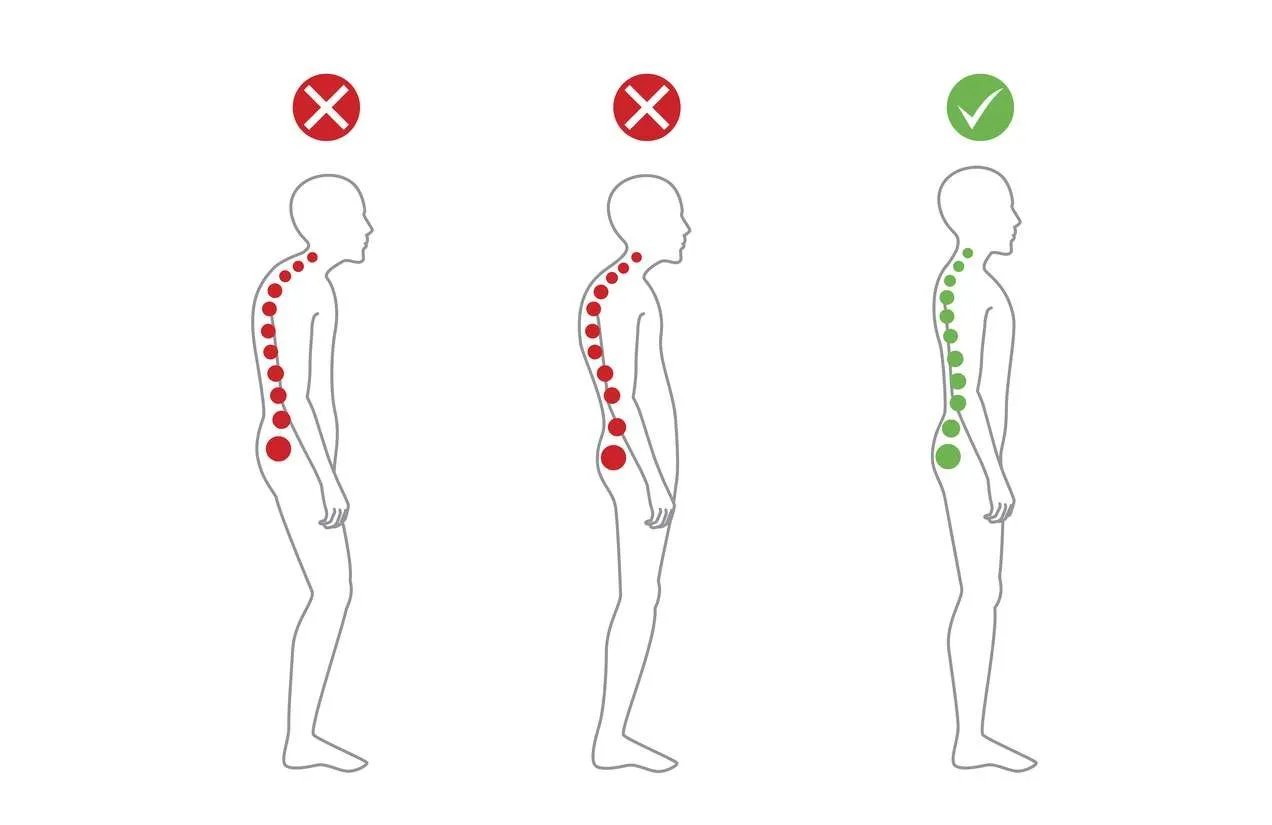
How long does it take to fix a rounded back?
It takes four to eight weeks of daily practice to see noticeable changes in your resting posture. Consistency is the primary factor, as your muscles need time to adapt to holding a new, upright position throughout the day.
Is it safe to force my back into a straight position?
No, forcing your back into an unnatural, rigid position can lead to muscle spasms. Always aim for a neutral, relaxed spine rather than pulling your shoulders back with maximum effort, as tension should never replace natural alignment.
Can I fix a curved spine with exercise?
No, exercises can improve your postural muscles, but they can’t correct a structural spinal condition like scoliosis. If you suspect a physical curvature, see a doctor to determine if you need specialized medical intervention or bracing.
What happens if I keep slouching?
Slouching for extended periods leads to chronic neck pain and shortened chest muscles. Over time, this rounded shape becomes your default position, making it physically harder to stand straight without conscious, repeated effort to retrain your muscles.
How often should I check my posture?
Check your alignment every hour during the workday to prevent slouching from becoming a habit. A quick thirty-second reset at your desk is enough to remind your body of the correct position before muscle fatigue sets in.
Why does my back hurt when I try to stand straight?
Your back hurts because the muscles responsible for holding you upright are weak from disuse. Start with shorter intervals and gentle stretching to build strength gradually without causing the inflammation that leads to sharp, lasting discomfort.
Regular movement is the best way to keep your back healthy. If you find yourself stiff after sitting, walk around and stretch your chest to keep your spine mobile.
Straight back, in short
Consistency is the real secret to lasting change. You’ll find that your body naturally starts to crave this upright position as your muscles grow stronger. Try checking your reflection in a window or mirror whenever you walk past one today; it’s a simple way to keep your posture top of mind.