
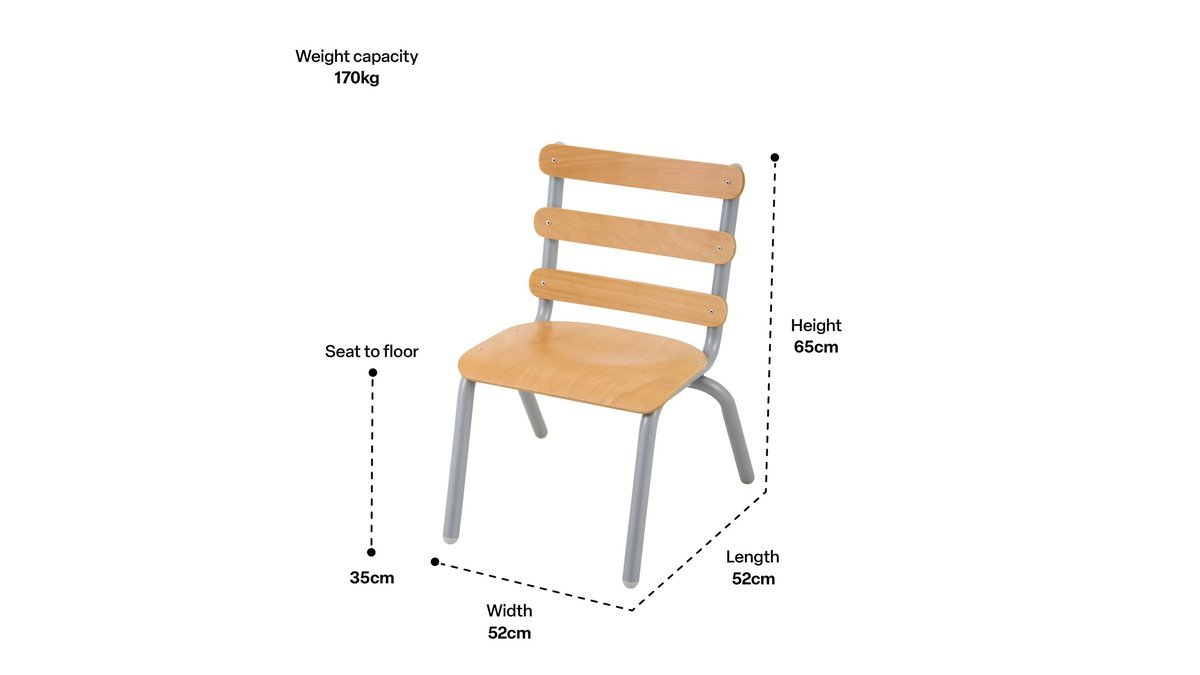
The length of a chair typically ranges from 16 to 24 inches in depth, while the total footprint varies significantly depending on the style, such as a compact dining chair versus a sprawling lounge armchair. Understanding these dimensions is essential for ensuring your furniture fits comfortably within a room without obstructing walkways or creating a cluttered aesthetic. Most standard furniture follows ergonomic guidelines designed to support the human frame, but variations exist based on intended use and design intent.
Key Takeaways
- Standard dining chairs usually measure 16 to 20 inches in depth.
- Lounge chairs and recliners often require 30 to 40 inches of depth.
- Always leave at least 30 inches of clearance behind a chair for easy movement.
- Measure your available floor space before purchasing to avoid traffic flow issues.
- Verify the seat height in addition to depth to ensure proper leg comfort.
What Is The Length Of A Chair?
When people ask about the length of a chair, they’re usually referring to the total depth from the front edge of the seat to the back of the frame. This dimension is the primary factor in determining how much floor space a piece of furniture occupies. For standard dining chairs, the depth is intentionally kept shorter to allow for easy entry and exit from a table. In contrast, lounge furniture is built for relaxation, necessitating a deeper seat and a more pronounced backrest angle.
| Chair Type | Typical Depth (Inches) | Best Use Case |
|---|---|---|
| Dining Chair | 16–20 | Kitchen and dining tables |
| Office Chair | 17–22 | Desk work and productivity |
| Accent Chair | 22–30 | Living room corners or bedrooms |
| Lounge Chair | 30–40 | Reading nooks and relaxation |
Standard Dimensions For Dining Chairs
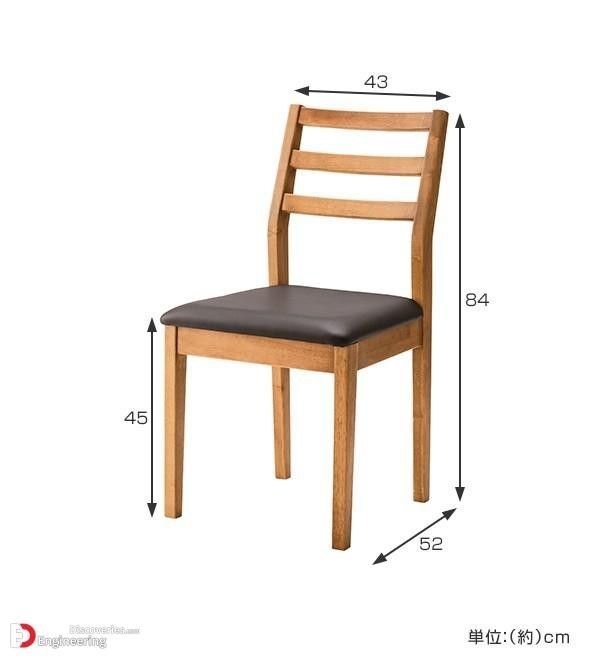
Dining chairs are engineered for an upright, supportive posture. The depth is kept relatively shallow to ensure that the user’s back remains against the support while their feet touch the floor comfortably. According to the ANSI/BIFMA X5.1 Office Furniture Standards, proper seat dimensions are critical for maintaining musculoskeletal health during prolonged periods of sitting. Most manufacturers follow these ergonomic principles to ensure that the user doesn’t experience undue pressure on the back of the thighs.
Measuring Your Living Room Space
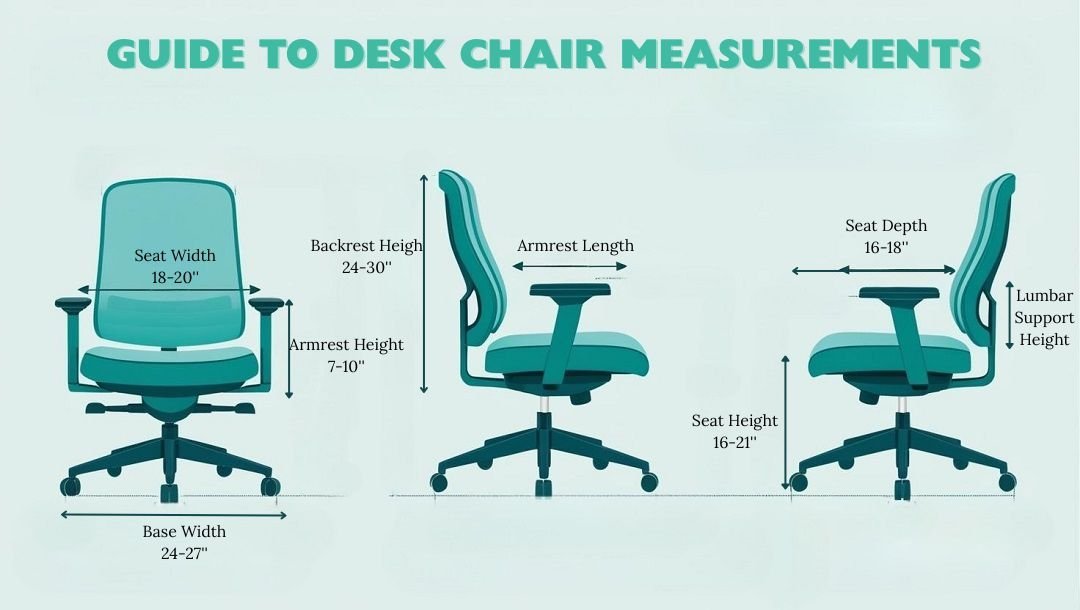
Before buying, you must account for the total footprint. A common mistake is measuring only the seat depth, ignoring the backrest angle or the protrusion of the legs. Use a measuring tape to determine the maximum depth, which includes the furthest point at the back and the front. Pro Tip: Place painter’s tape on the floor to visualize the exact footprint of a potential chair to see if it impedes your room’s natural traffic paths.
Depth Requirements For Office Chairs
Office chairs prioritize adjustability. Because different users have varying leg lengths, many professional-grade chairs feature sliding seats that allow you to customize the depth. This adjustability is crucial for preventing nerve compression behind the knees. Look for models that provide at least two inches of space between the edge of the seat and the back of your calves for optimal circulation.
How To Choose The Right Size
When selecting seating, consider the scale of your existing furniture. A massive, deep-seated lounge chair will overwhelm a small studio apartment, while a dainty dining chair might look lost in a large living room. Balance is key to a cohesive interior design. Focus on these three metrics:
- Total depth from front to back.
- Seat height from floor to top of cushion.
- Width between the armrests.
Troubleshooting Common Fitment Issues
If you find that your chairs feel too deep, a lumbar pillow can often bridge the gap, pushing the user forward and providing better back support. If the chairs are too long for your table, consider swapping them for armless designs, which take up less visual and physical space. Warning: Avoid placing chairs too close to high-traffic doors, as this creates a safety hazard by blocking potential exit routes during an emergency.
| Troubleshooting Issue | Potential Solution |
|---|---|
| Chair is too deep | Add a firm lumbar cushion |
| Chair blocks walkway | Rotate 45 degrees or downsize |
| Chair hits the table | Remove the armrests or use stools |
Related guides
- How Big Is a 3 Person Couch: Standard Lengths and Dimensions
- How Wide Is a 3 Seater Sofa: Standard Dimensions and Sizes
- How Long Is a Chair in Meters: Standard Dimensions Explained
Frequently Asked Questions
How much space should be behind a chair?
You should leave at least 30 inches of clearance behind a dining chair to allow someone to pull it out and walk past comfortably. In a living room setting, 18 to 24 inches between a chair and a coffee table is typically sufficient for legroom while maintaining a conversational distance.
Does the backrest affect total length?
Yes, the backrest significantly impacts the total length. A reclined lounge chair can extend several inches further than an upright chair because the backrest angle pushes the top of the chair further away from the front edge. Always measure from the furthest point of the back structure to the front of the seat.
Are all chairs the same depth?
No, chairs vary wildly based on their design. A formal dining chair might be 18 inches deep, while a plush sectional lounge chair could exceed 40 inches. Always verify the specific product dimensions provided by the manufacturer rather than assuming a standard size, as modern design trends often favor deeper, oversized seating.
Can I adjust the length of a chair?
Most standard wooden chairs can’t be adjusted in length. However, many modern office chairs and some high-end recliners offer seat-depth adjustment features. If you’re buying a stationary chair, you’re locked into the manufacturer’s dimensions, so accurate pre-purchase measurements are the only way to ensure the chair fits your specific physical needs and room layout.
Why does seat depth matter?
Seat depth is vital for ergonomic support. If a chair is too deep, your back won’t reach the support, causing you to slouch. If it’s too shallow, your legs won’t be properly supported, causing strain on your knees and hips. Finding the right balance ensures you can sit comfortably for long periods without developing fatigue or pain.
Measure your available floor space carefully before finalizing your furniture purchase. By understanding these common dimensions, you ensure that your new chairs provide both aesthetic appeal and physical comfort for years to come. Start by clearing your floor, measuring your primary seating area, and comparing these numbers against the specifications of your favorite designs to achieve a perfect fit.