
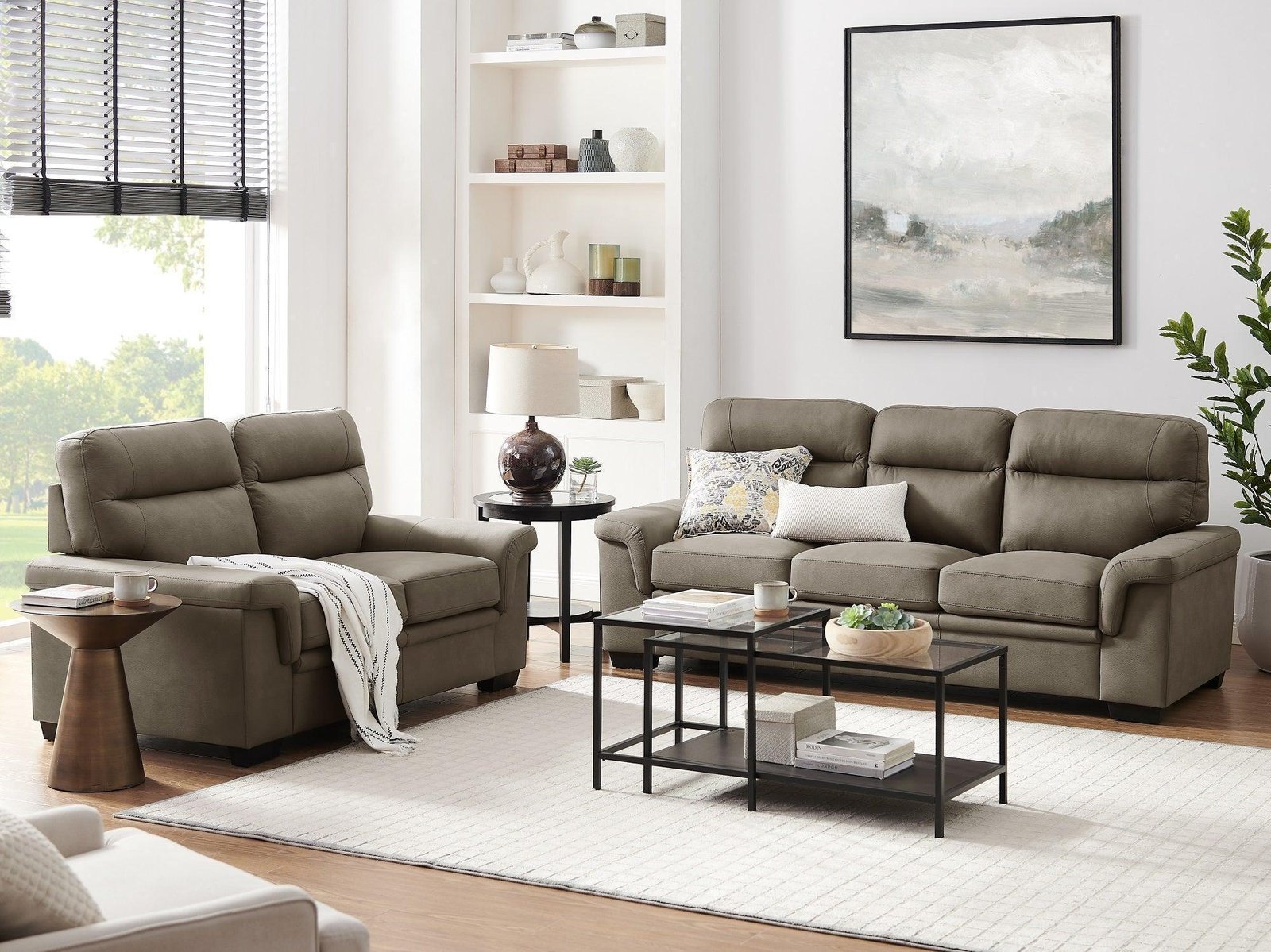
To pair a sofa and chairs effectively, you must balance visual weight, scale, and color harmony to create a cohesive living room arrangement. Achieving a designer look doesn’t require matching furniture sets; in fact, mixing styles often results in a more sophisticated, curated aesthetic. By focusing on the relationship between silhouettes, textures, and spatial flow, you can transform a disjointed space into a functional, inviting retreat.
Key Takeaways
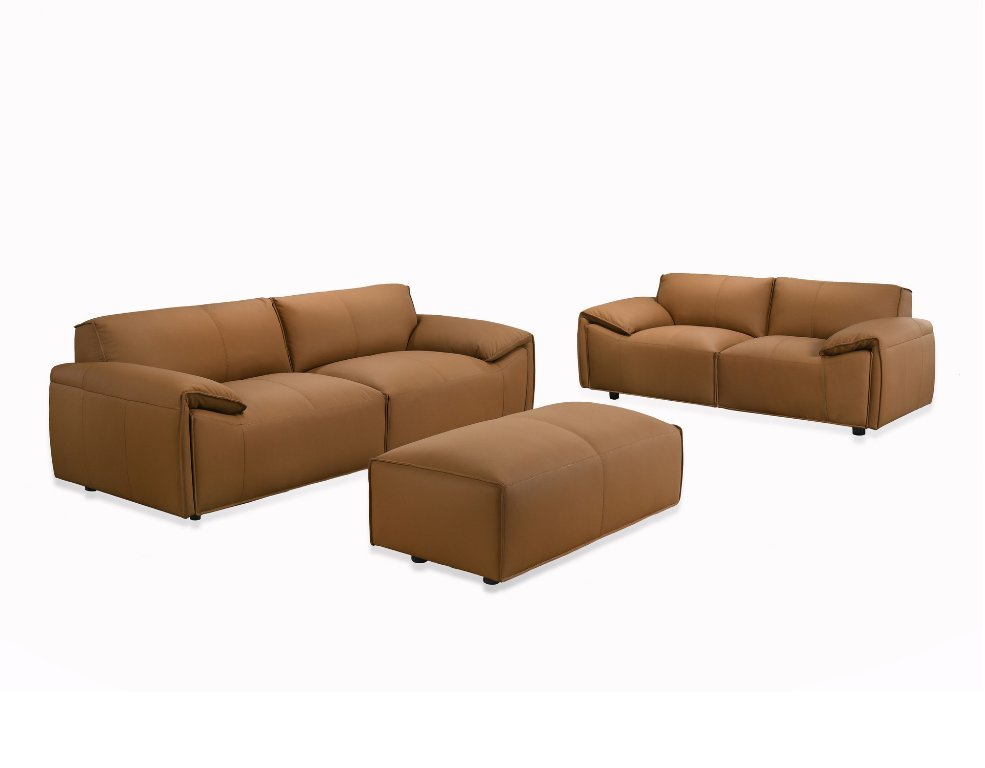
- Maintain a consistent scale so chairs don’t dwarf or disappear next to your sofa.
- Use a “bridge” element, such as a throw pillow or rug, to tie different furniture styles together.
- Aim for a mix of textures to add depth to your seating area.
- Keep the floor space clear to ensure easy movement around your furniture pieces.
- Prioritize comfort by testing seat heights to ensure they’re within a few inches of each other.
How to Pair Sofa and Chairs
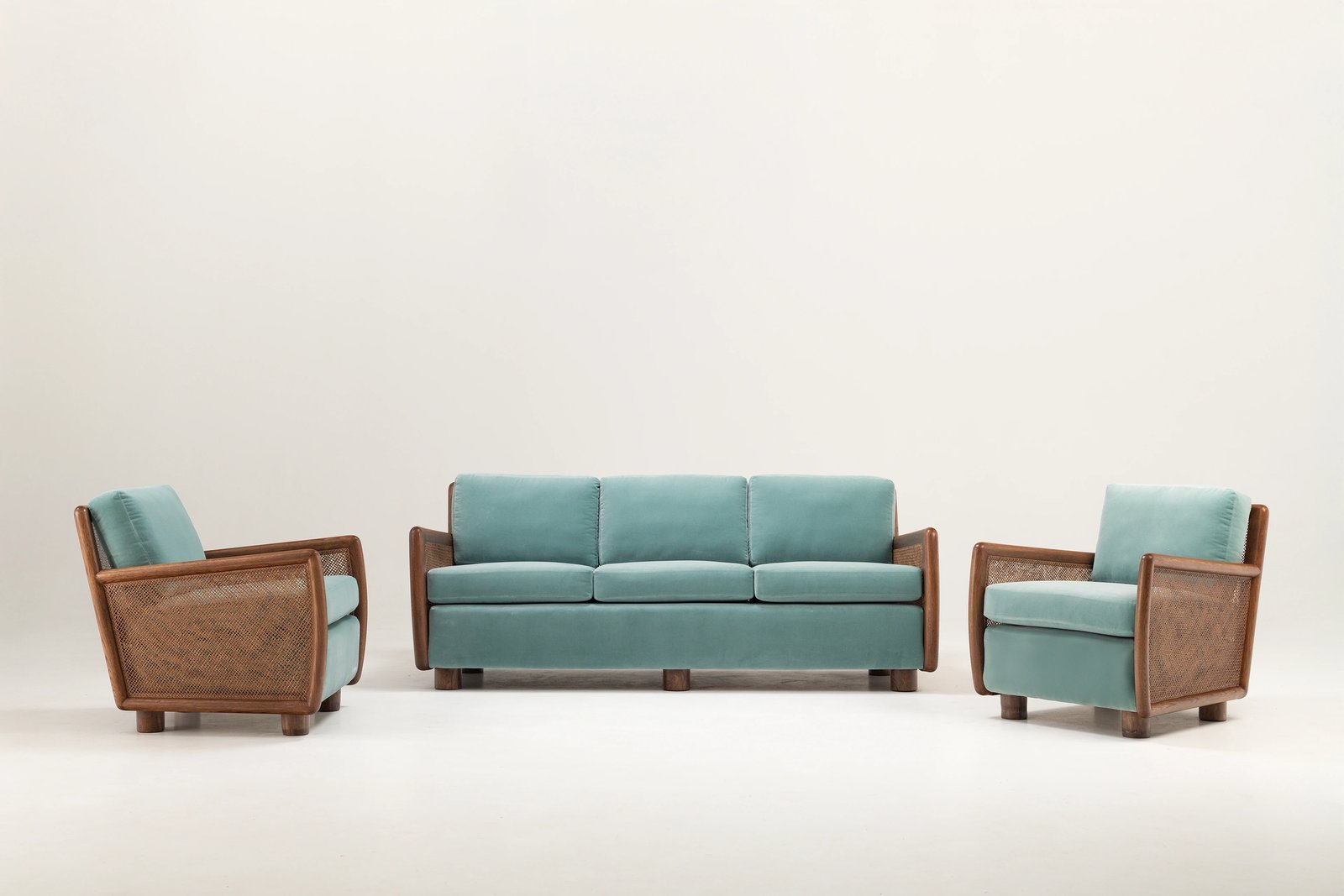
Pairing seating begins with understanding the visual weight of your furniture. A bulky, overstuffed sofa needs chairs that possess enough substance to hold their own, such as wingbacks or club chairs. Conversely, a streamlined, mid-century modern sofa with tapered legs pairs best with open-frame chairs. When you mix styles, ensure one element remains consistent, such as the wood finish, the leg shape, or the fabric tone, to act as an anchor.
Choosing Your Furniture Layout
The arrangement of your pieces dictates how the room functions. A symmetrical layout, featuring two matching chairs facing the sofa, creates a formal, balanced look. For a more casual, conversational vibe, try an asymmetrical approach, placing one lounge chair at an angle to the sofa. According to the Cornell University Department of Design and Environmental Analysis, spatial arrangement in residential environments significantly impacts social interaction and comfort levels.
| Layout Type | Best For | Spatial Requirement |
|---|---|---|
| Symmetrical | Formal living rooms | Large, open floor plans |
| Asymmetrical | Conversation zones | Small to medium spaces |
| U-Shape | Large families | Generous square footage |
Balancing Colors and Patterns
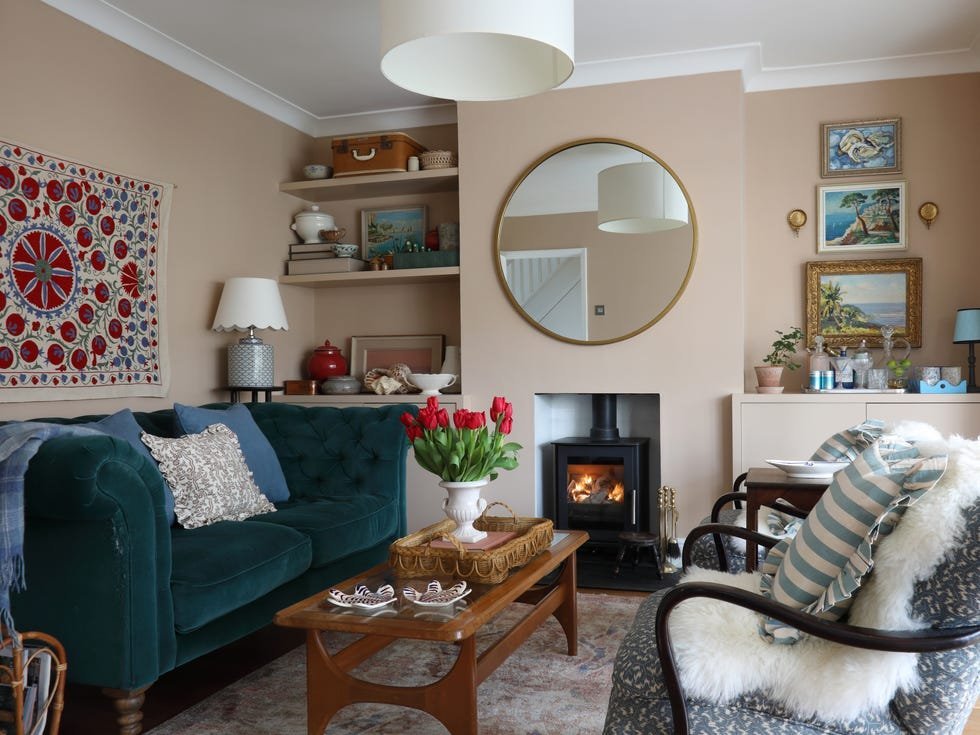
When mixing fabrics, stick to a 60-30-10 rule. Use your sofa as the primary color (60%), the chairs as a secondary color or pattern (30%), and accent pieces for the final 10%. If your sofa is a neutral grey, you might select chairs in a bold navy or a textured velvet. If you want to incorporate patterns, use a large-scale print on the chairs and keep the sofa solid to avoid visual clutter.
The Role of Scale
Scale is the most common mistake in interior design. If your sofa is deep and low-slung, avoid pairing it with high-backed, formal chairs that make the sofa look like a toy. Ensure the seat height of your chairs is within two to three inches of the sofa’s seat height. This creates a comfortable line of sight for guests and ensures that the furniture feels like a single, unified group rather than random pieces.
Selecting Complementary Textures
Texture adds life to a neutral palette. If your sofa is upholstered in a smooth, flat-weave fabric, consider chairs in a tactile material like leather, boucle, or linen. This contrast prevents the room from looking flat. Tactile variety is essential in modern design, as it engages the senses and makes a room feel lived-in and cozy rather than like a showroom.
Recommended Material Pairings
- Leather sofa + Fabric chairs
- Velvet sofa + Linen or cotton chairs
- Boucle sofa + Wood-frame chairs
How to Mix Different Styles
Mixing periods, such as pairing a Victorian settee with minimalist accent chairs, is a high-reward strategy. To make this work, look for a shared design language. For instance, if both pieces have curved lines, they will naturally look good together despite coming from different eras. If the styles are wildly different, keep the color palette monochromatic to bridge the gap.
Essential Furniture Brands
Selecting quality pieces ensures your furniture holds its shape over time. While you don’t need to buy from a single collection, sticking to reputable manufacturers helps with consistency in height and quality.
- West Elm: Great for modern, low-profile designs.
- Pottery Barn: Excellent for classic, comfortable silhouettes.
- Article: Ideal for mid-century modern, streamlined pieces.
- Crate & Barrel: Offers a balanced range of transitional styles.
Troubleshooting Common Issues
Warning: Avoid overcrowding your space. If you can’t walk comfortably between the coffee table and the chairs, your furniture is too large for the room. If a chair feels “lost” next to the sofa, anchor it with a side table and a floor lamp to give it its own dedicated zone. This helps define the chair as a purposeful addition rather than an afterthought.
Pro Tip: Use a large area rug to physically ground your sofa and chairs. When all front legs of your furniture rest on the rug, the pieces are visually “locked” into the same conversation zone, which instantly makes the pairing look intentional and professional.
Related guides
Frequently Asked Questions
Should my chairs be the same color as my sofa?
Not necessarily. While matching sets can look clean, using complementary or contrasting colors creates a more dynamic, designer-quality space. If you’re nervous about mixing colors, try using the same color in different shades or textures. This keeps the room feeling cohesive while adding visual interest that prevents the space from feeling like a sterile catalog display.
How much space should be between furniture?
Aim for 14 to 18 inches between the sofa and the coffee table, and leave at least 30 inches of walking space around the main seating area. This allows for comfortable movement without making the room feel like a hallway. If your space is tight, opt for smaller-scale accent chairs rather than bulky recliners to maintain flow.
Can I mix wood finishes in one room?
Yes, you can mix wood finishes as long as you maintain a consistent temperature. For example, keep all your woods either warm-toned or cool-toned. You should also try to repeat each wood finish at least twice in the room so the choice feels intentional. Balancing the distribution of wood tones prevents one specific furniture piece from looking like it doesn’t belong.
Do chairs need to face the sofa?
Chairs don’t have to face the sofa directly, but they should be angled toward the conversation area. Placing chairs at a 45-degree angle toward the center of the room encourages interaction and makes the seating group feel inclusive. Avoid placing chairs with their backs entirely to the room’s entrance, as this can make the space feel closed off and unwelcoming.
Start by measuring your floor space to determine the maximum footprint your chairs can occupy without obstructing walkways. Once you know your constraints, choose one “hero” piece—either the sofa or the chairs—and build the rest of the room around its color and scale. Take these measurements with you when you visit showrooms to ensure every new addition fits your home perfectly.