
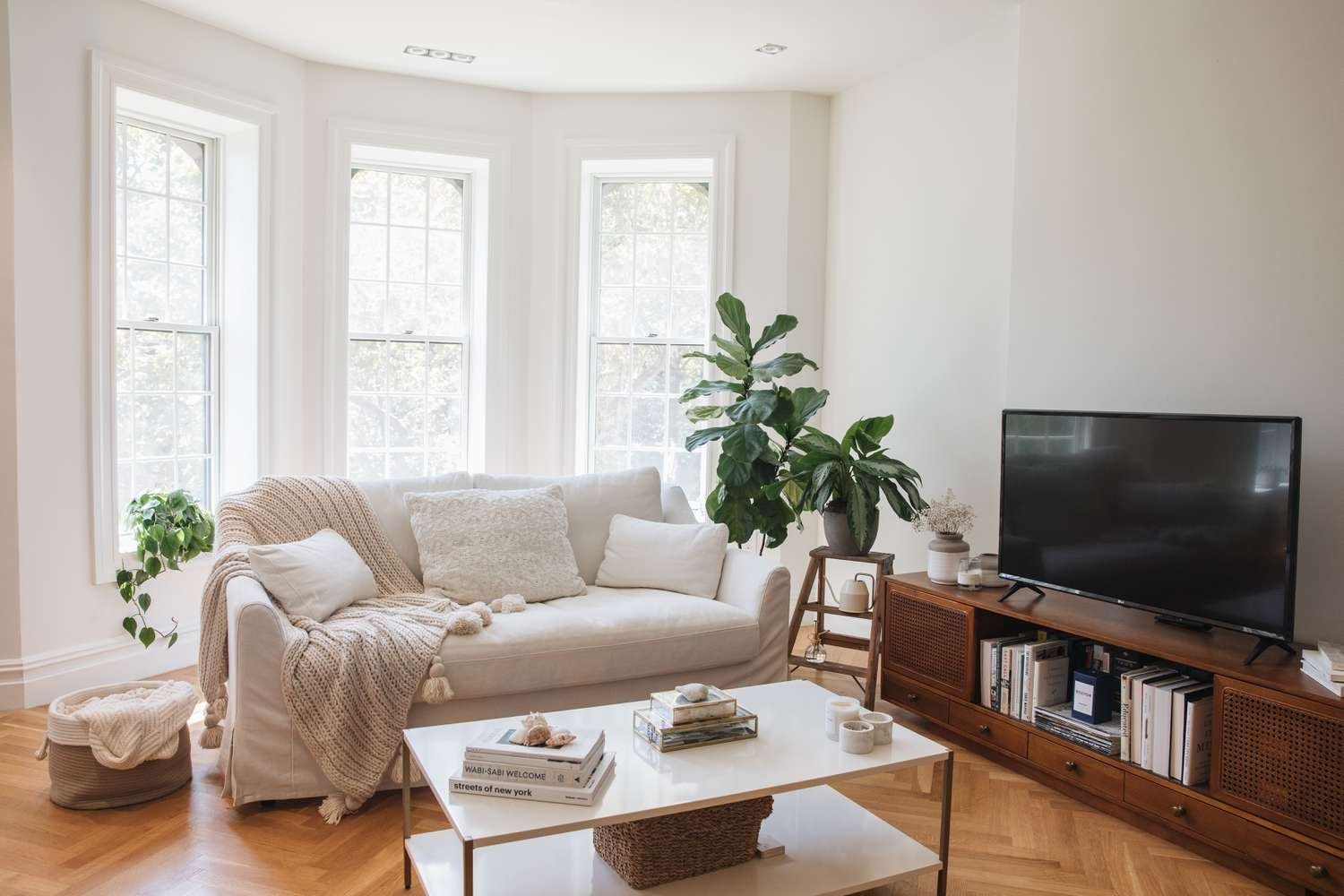
The most common layout for a home is when the sofa is in the living room facing the primary focal point. This setup creates a natural flow for traffic while keeping the seating area centered and inviting for guests and household members alike.
Arranging the sofa in your living room
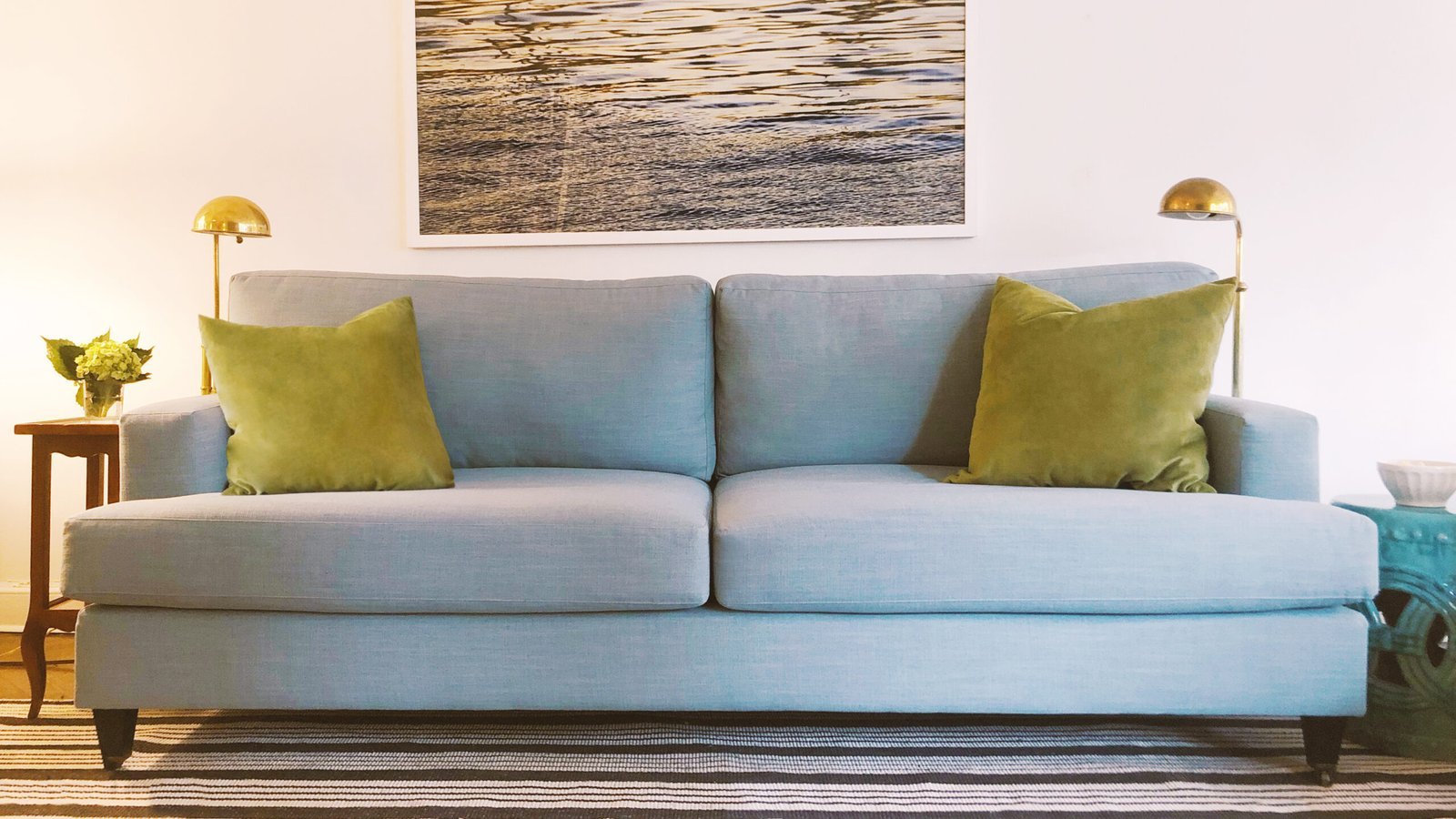
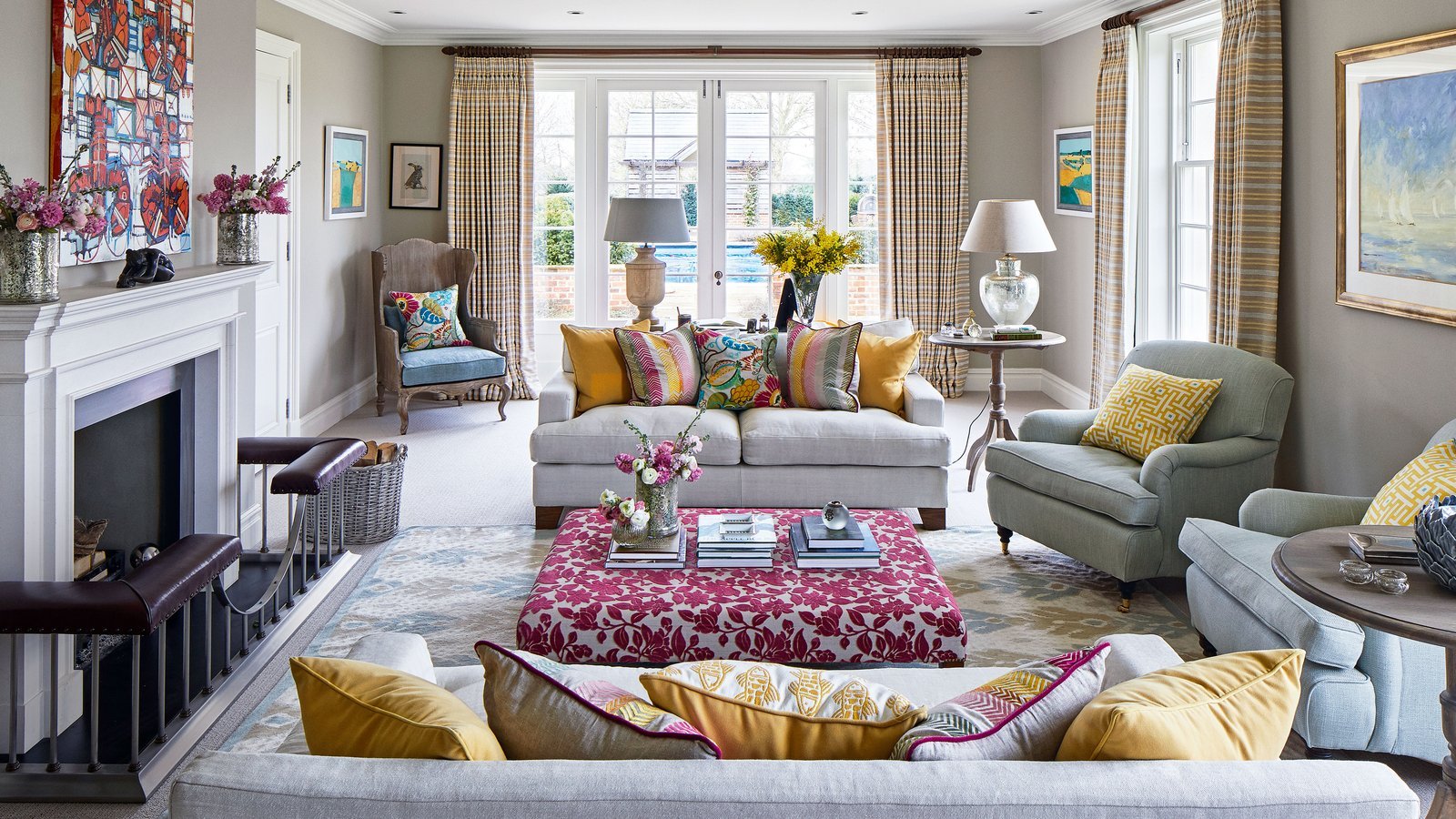
A well-organized space relies on clear pathways and balanced weight. In a larger room, use the sofa to divide the space into distinct zones; in a small room, placing furniture against walls can help maximize usable floor space.
- Leave at least 30 inches of space between the sofa and coffee table for easy movement.
- Position the sofa so it doesn’t block natural light from windows or doors.
- Ensure there’s a clear path of at least 36 inches for walking through the room.
- Place area rugs so the front legs of the sofa sit firmly on the surface.
- If you have a TV, keep the sofa about 7 to 10 feet away for comfortable viewing.
- Use side tables to provide a place for lamps or drinks near the seating ends.
Why Placement Matters for Comfort
The arrangement of your furniture dictates how the entire room functions throughout the day. When you place a sofa, you’re defining the social center of your home, which affects how people interact and move through the space. A central placement allows for conversation circles, whereas placing it against a wall can make a room feel more formal or restricted. Physics plays a role here too; blocking ventilation or heat sources can damage fabric fibers over time. According to the Environmental Protection Agency, maintaining proper airflow is essential for reducing the buildup of indoor pollutants that can settle on soft furniture. If you have a choice, keep the sofa away from direct heating vents to prevent the material from drying out or fading. This simple rule helps your furniture last longer while ensuring the room remains a healthy, breathable environment for your family to enjoy.
When the Sofa Placement Changes
| Situation | What changes | What to do instead |
|---|---|---|
| Long, narrow room | Sofa blocks the path | Place it against the side wall |
| Open floor plan | No clear room border | Use sofa back as a divider |
| Small studio apartment | Floor space is tight | Choose a sofa with exposed legs |
| Multiple focal points | View is conflicted | Float the sofa in the center |
| High traffic area | People bump the sofa | Angle the sofa toward the corner |
Steps to Position Your Sofa
- Measure the length and width of your living room to understand the available footprint for your furniture.
- Identify the main focal point, such as a fireplace, a large window, or your television screen setup.
- Place the sofa approximately 8 to 10 feet away from the focal point for an optimal viewing angle.
- Check that the sofa doesn’t obstruct any doorways or high-traffic paths leading to other house rooms.
- Slide the sofa into position and test the seating distance by sitting down to check your comfort level.
- Adjust the angle by 5 to 10 degrees if the room feels too rigid or lacks a natural flow.
Common Mistakes That Ruin Layouts
- Pushing all furniture against the walls makes the center of the room feel empty and cold.
- Blocking a window with a high-backed sofa cuts off natural light and makes the room dark.
- Choosing a sofa that’s too large for the floor plan creates a cramped, cluttered feeling.
- Placing the sofa too far from other chairs prevents easy conversation and breaks social flow.
Frequently asked questions

How much space should be between the sofa and the wall?
You should leave at least 6 to 12 inches of space between the sofa and the wall. This gap prevents scuff marks on your paint and allows for better air circulation behind the piece, which helps prevent moisture buildup.
Can I place a sofa in front of a radiator?
You should avoid placing a sofa directly in front of a radiator. The heat can damage the upholstery fabric and internal frame components, and it also prevents the radiator from heating the room efficiently, leading to higher energy use.
Does the sofa need to face the television?
It depends on your room’s primary use, but the sofa should face your main focal point. If you watch television daily, face it toward the screen; if you prefer reading or socializing, face it toward a fireplace or a window view.
How do I know if my sofa is too big?
Your sofa is too big if it leaves less than 30 inches of walking space around it. You can measure your floor area before buying to ensure the piece fits comfortably without making the room feel crowded or hard to navigate.
Is it safe to place a sofa over an air vent?
You should never place a sofa directly over an air vent. This blocks the airflow into the room, which can strain your HVAC system and cause uneven temperatures, potentially leading to increased utility costs and poor indoor air quality.
How long should the sofa be for a small room?
A sofa for a small room should be no longer than 72 to 80 inches. This size provides enough seating for two people without overwhelming the floor space, allowing you to keep other essential furniture like side tables nearby.
Conclusion
Properly arranging your living room furniture helps you get the most out of your home. By keeping paths clear and focusing on how you use the space, you’ll create a room that’s both beautiful and functional for years to come.