
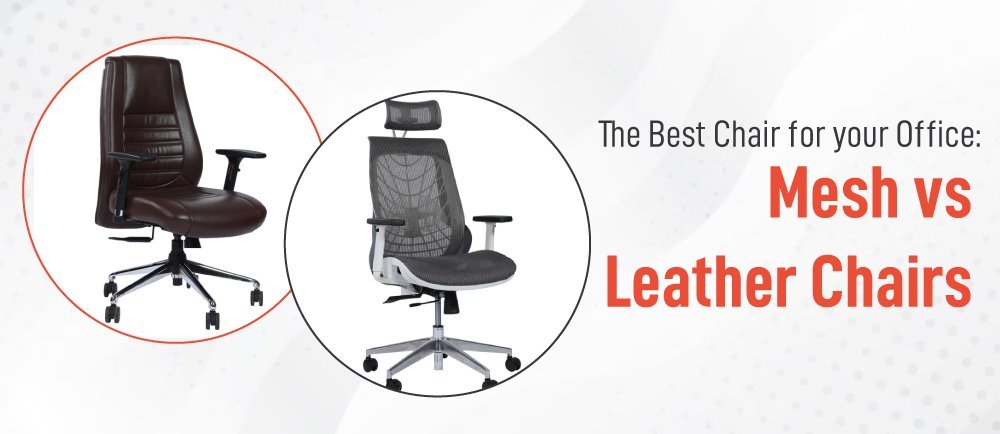
A leather chair is generally considered good for health if you have allergies, because it doesn’t trap dust, pet dander, or pollen like fabric upholstery does. While it provides a clean surface, it isn’t a cure for back pain; your comfort depends entirely on the chair’s ergonomic support features.
Choosing the right material is the first step toward a healthy home environment. If you struggle with chronic respiratory issues, switching to leather or faux leather can reduce your exposure to common household triggers. However, the most common mistake is assuming that buying a high-end leather chair automatically fixes poor posture. A chair only promotes good health if its height, lumbar support, and armrests are adjusted to fit your specific body measurements.
How leather chairs support your health
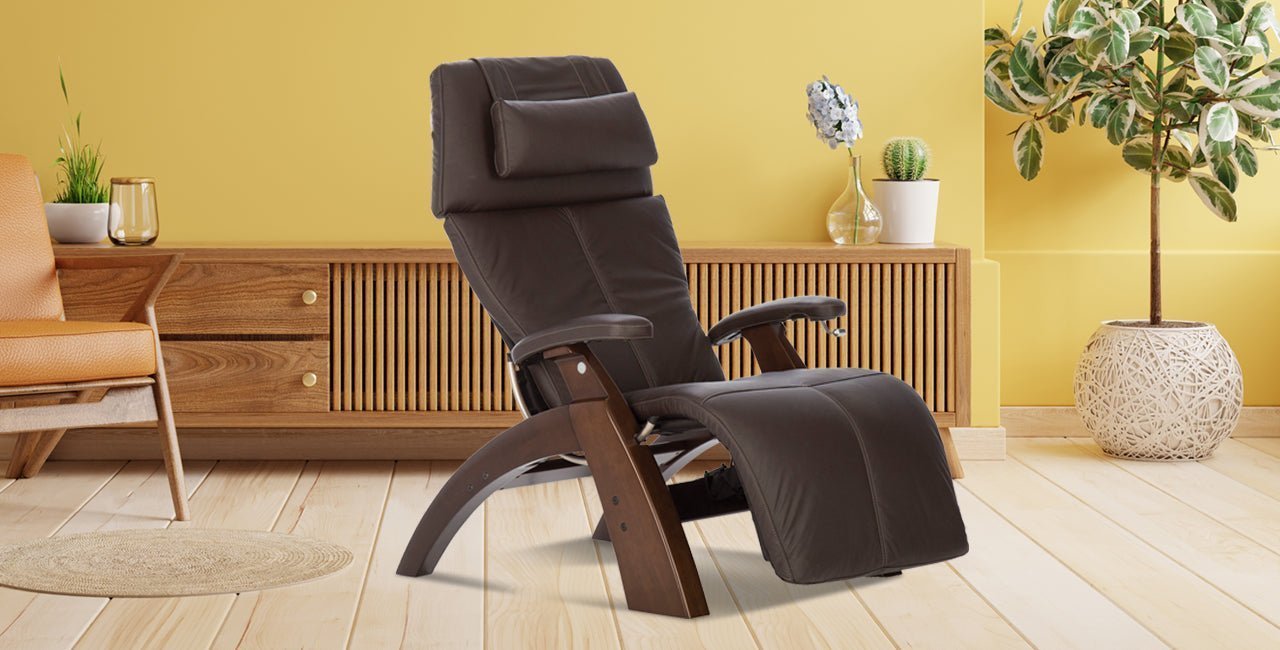
- Adjust the seat height so your feet rest flat on the floor and your knees stay at a 90-degree angle.
- Position the lumbar support to fit the natural inward curve of your lower back, which prevents slouching during long hours of work.
- Set the armrests to a level where your shoulders remain relaxed and your elbows stay bent at roughly 90 degrees.
- Check the depth of the seat to ensure there’s a small gap of about two inches between the back of your knees and the edge of the seat.
- Use a footrest if your feet don’t reach the floor comfortably after you adjust the chair height.
Tip: If you feel tension in your neck or shoulders after one hour, your monitor height or armrest position is likely off.
Tip: Avoid sitting in the same position for more than 45 minutes; stand up and stretch to keep blood flowing to your muscles.
Comparing chair materials for wellness
| Material | Allergy Friendly | Breathability | Maintenance Needs |
|---|---|---|---|
| Genuine Leather | High | Moderate | High (needs conditioning) |
| Faux Leather | High | Low | Low (wipe clean) |
| Cotton/Linen | Low | High | Moderate (needs vacuuming) |
| Synthetic Fabric | Low | Moderate | Moderate (needs deep cleaning) |
If you find that your chair is consistently causing physical discomfort, you should consult an ergonomics guide from the Occupational Safety and Health Administration to see if your current setup meets standard safety recommendations.
Signs of a healthy seating position
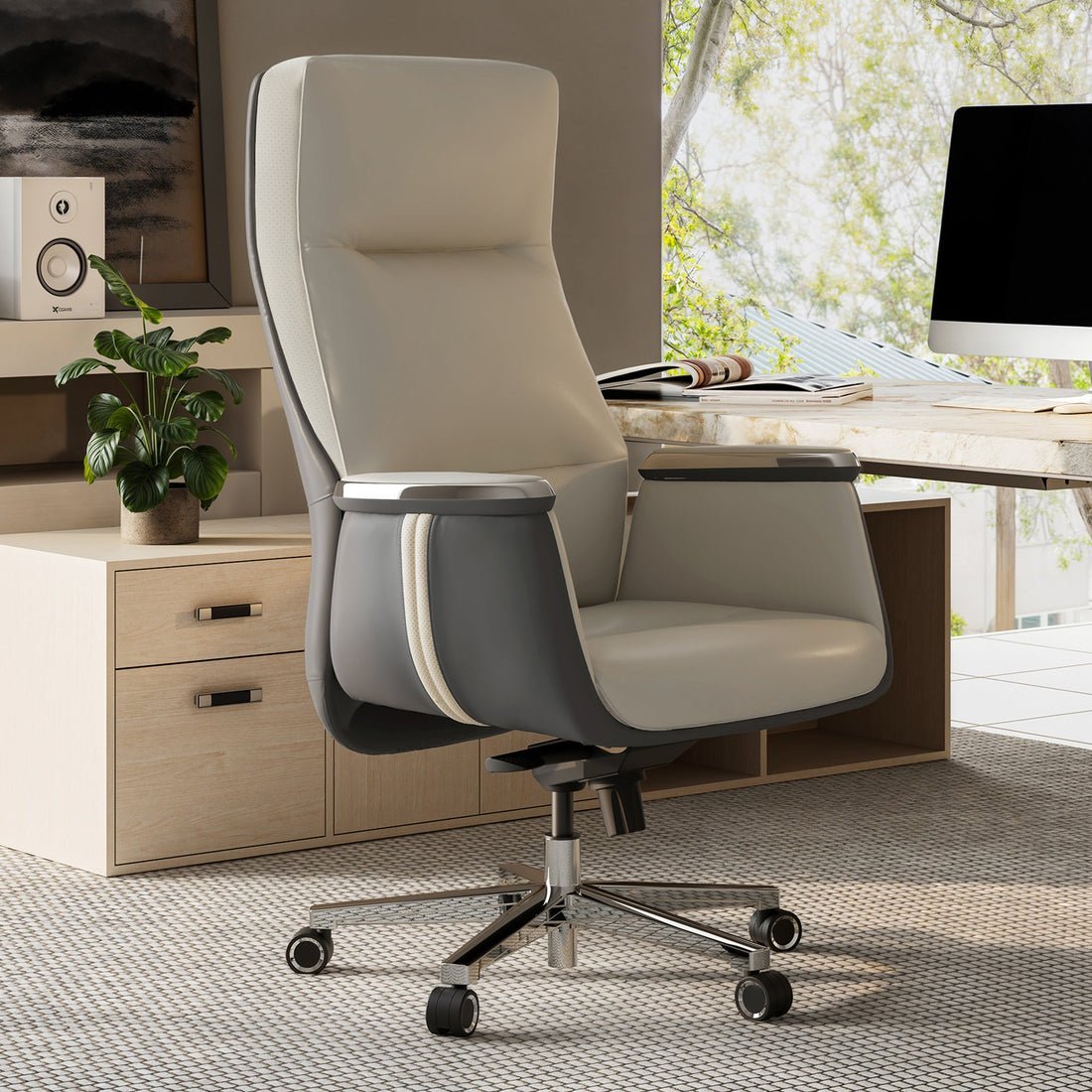
You can tell your chair is working for your health when you can sit for an hour without feeling the need to shift your weight constantly. Your ears, shoulders, and hips should form a vertical line when viewed from the side. If you feel pressure behind your knees or a gap between your lower back and the chair, the seat isn’t supporting your frame correctly. If you have back pain, the gold standard test is whether you can stand up after sitting without feeling stiffness or sharp pain in your spine.
Mistakes that ruin your posture
- Buying for looks over function: Many people choose a leather chair based on color or brand, which often leads to choosing a model that lacks adjustable lumbar support. Always test the chair in person to ensure the back support hits your spine in the right place.
- Ignoring the seat depth: A seat that’s too long will push against the back of your knees, cutting off circulation and forcing you to sit on the edge. Choose a chair with a sliding seat pan if you’re shorter or taller than the average user.
- Neglecting regular cleaning: Even though leather is better for allergies, it still collects dust on the surface. Wipe your chair down weekly with a damp cloth to remove allergens that accumulate over time.
Frequently asked questions
Can a leather chair cause back pain?
Yes, a leather chair can cause back pain if it lacks proper lumbar support or doesn’t fit your body height. The material itself isn’t the cause, but a stiff, non-adjustable design forces your spine into an unnatural curve, leading to muscle fatigue and long-term discomfort.
Is leather or fabric better for asthma?
Leather is much better for asthma because it doesn’t trap dust mites, pet dander, or mold spores like fabric does. If you have severe allergies, you can easily wipe leather clean, whereas fabric requires regular deep vacuuming to remove the microscopic particles that trigger breathing issues.
How long should you sit in a leather chair?
You shouldn’t sit in any chair for more than 45 to 60 minutes at a time without taking a short break. Regardless of the material, prolonged sitting reduces blood circulation and puts pressure on your spinal discs, so you must stand up and move frequently.
Is faux leather as healthy as genuine leather?
Yes, faux leather is just as healthy as genuine leather regarding allergy control because both materials have non-porous surfaces that don’t hold dust. The main difference is breathability, as genuine leather allows for better airflow, which keeps your skin cooler and more comfortable during long periods.
What happens if the leather is too slippery?
If your chair is too slippery, you may find yourself sliding forward, which causes you to slouch and puts extra strain on your lower back. You can fix this by using a firm seat cushion or ensuring your chair has a slight tilt-back mechanism to keep your hips positioned correctly.
Is it safe to use leather cleaners on all chairs?
No, it isn’t safe to use all cleaners, as harsh chemicals can dry out the leather and cause it to crack over time. Always check the manufacturer’s label for your specific type of leather and use only recommended products to maintain the material’s integrity.
Conclusion
Ultimately, choosing the right seat comes down to how your body feels after a long day of work. If you’re planning to buy one, don’t just look at the material; visit a store to test the lumbar support yourself. You’ll find that a well-designed chair makes all the difference in your daily comfort.
Related guides