
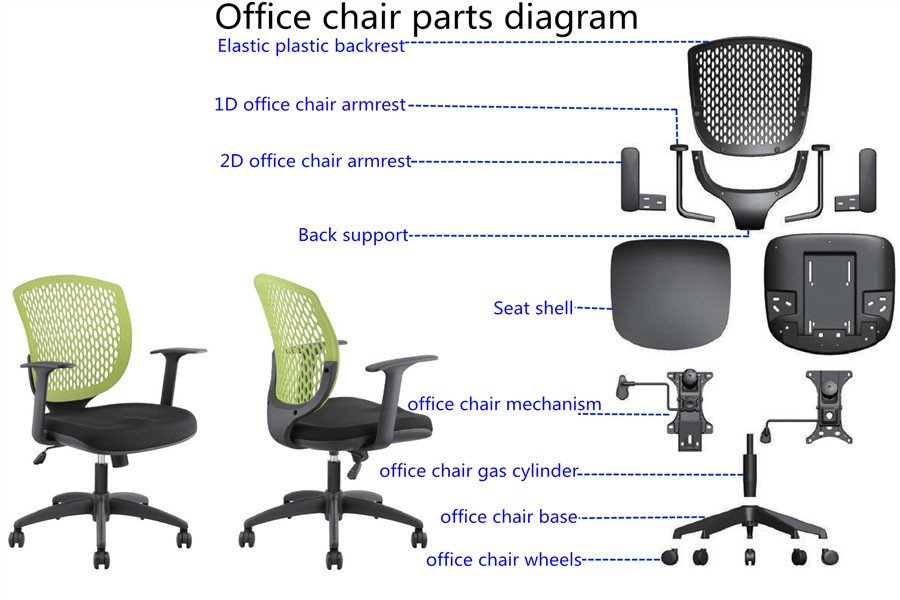
A chair with wheels is most commonly referred to as an office chair, task chair, or a rolling chair. These versatile pieces of furniture are designed to provide mobility and comfort in professional or home workspaces, featuring a swiveling base mounted on casters. While the term “office chair” is the standard industry descriptor, you may also hear them called desk chairs, swivel chairs, or ergonomic chairs depending on their specific construction and intended use.
Key Takeaways
- Identify your primary use case, such as gaming, administrative work, or drafting, to select the right wheel style.
- Check your flooring surface, as hardwood floors require soft-tread polyurethane wheels to prevent scratching.
- Ensure the chair has an adjustable height mechanism to maintain proper posture and reduce long-term physical strain.
- Understand that “casters” is the technical term for the wheel assemblies attached to the bottom of the chair base.
- Prioritize ergonomic features like lumbar support and adjustable armrests to improve your daily comfort and efficiency.
What is a chair with wheels called?
While the general term is an office chair, the specific components have their own nomenclature. The wheels themselves are called casters. These are typically attached to a five-point base, which provides the stability necessary to prevent the chair from tipping over when you lean back or move suddenly. Understanding these parts helps when you need to replace a worn-out component or upgrade your setup for better performance on specific floor types.
Types of rolling chairs
Not every chair with wheels serves the same function. Depending on your environment, you might need a specialized model rather than a standard office chair.
| Chair Type | Primary Use Case | Key Features |
|---|---|---|
| Task Chair | General office work | Compact, basic height adjustment |
| Gaming Chair | Long-duration seating | High back, recline, racing style |
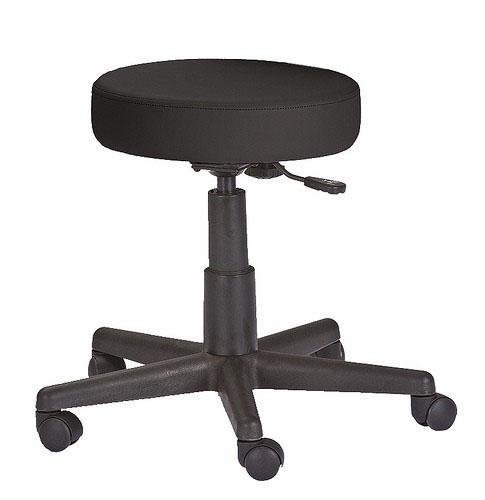
| Drafting Chair | High desks or counters | Extended gas lift, foot ring |
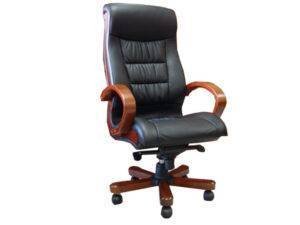
| Executive Chair | Management offices | Premium materials, added padding |
Choosing the right wheels
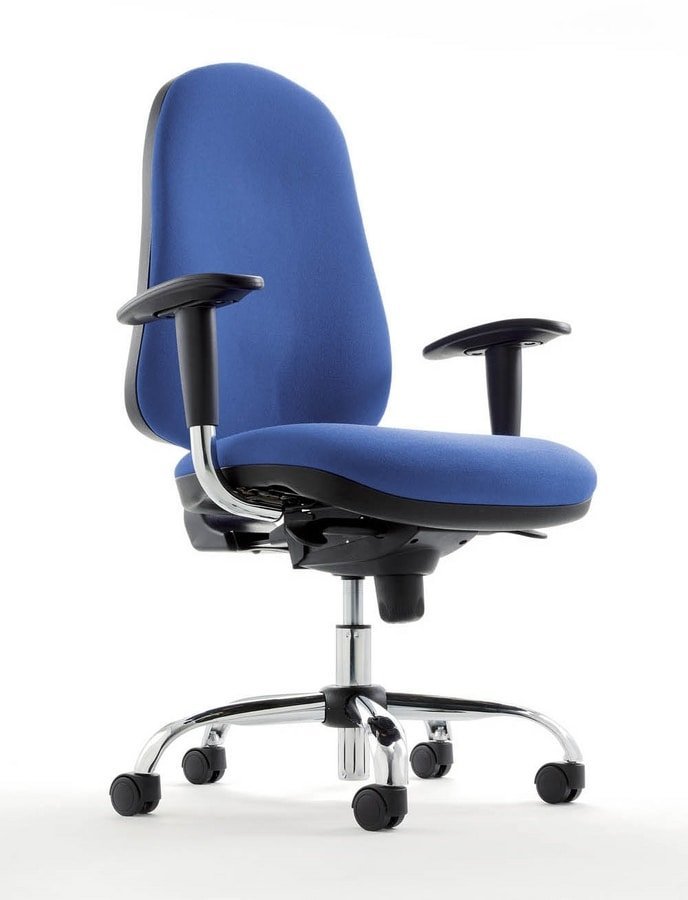
The wheels on your chair aren’t universal. If you’re rolling across a thick carpet, you need large, hard plastic wheels that can navigate the fibers without getting stuck. Conversely, if you’re working on a delicate hardwood or laminate floor, you should opt for rubberized casters. These soft-tread wheels prevent the permanent indentations and surface scuffs that often occur with standard hard nylon wheels over time.
Pro Tip: If your chair wheels are leaving marks on your floor, look for “rollerblade-style” replacement casters which provide a smooth, silent glide that’s gentle on almost all hard surfaces.
Why use an ergonomic design?
The primary reason to choose an office chair with wheels is to facilitate movement, but the frame design is equally vital. Ergonomics focuses on how the chair supports your body to prevent musculoskeletal issues. According to the Occupational Safety and Health Administration guidelines for computer workstations, a well-adjusted chair should allow your feet to rest flat on the floor or a footrest while keeping your thighs parallel to the ground. This alignment reduces pressure on your lower back and promotes better circulation throughout the workday.
Common chair components
Beyond the wheels, the construction of a quality chair involves several critical elements:
- Pneumatic Gas Lift: The cylinder that allows you to adjust the seat height instantly.
- Five-Star Base: The structural foundation that ensures the chair remains stable during movement.
- Backrest Lumbar Support: A contoured section designed to maintain the natural curve of your spine.
- Tilt Tension Control: A knob that dictates how much force is required to recline the chair.
How to maintain your chair
To extend the lifespan of your rolling chair, perform a quick maintenance check every six months. Start by flipping the chair over to inspect the casters for hair, carpet fibers, or debris that might be inhibiting smooth rotation. Use a pair of tweezers or small scissors to clear the buildup. Once the casters are clear, tighten any loose bolts on the seat pan or armrests to prevent the chair from becoming wobbly or making annoying squeaking noises during use.
Warning: Never attempt to disassemble the pneumatic gas lift cylinder yourself, as it’s under high pressure and can cause injury if handled incorrectly or forced open.
Frequently Asked Questions
Can I replace wheels on any chair?
Most standard office chairs use a universal stem size for their casters, usually measuring 7/16 inches in diameter. However, some boutique or specialized furniture brands use proprietary sizes. Always measure the existing stem diameter before purchasing a replacement set to ensure a proper fit.
Are gaming chairs better than office chairs?
Gaming chairs are optimized for aesthetic appeal and long-duration reclining, while traditional office chairs often prioritize neutral posture and task-specific support. If you work long hours at a desk, an ergonomic office chair is usually the better choice for your spinal health, whereas gaming chairs are better suited for entertainment setups.
Why does my chair squeak?
Squeaking is typically caused by friction between metal parts or dry joints in the tilt mechanism. You can often silence these noises by applying a small amount of silicone-based lubricant to the pivot points and the connection between the seat and the base. Avoid using oil-based lubricants, as they can attract dust and grime over time.
How do I stop a chair from rolling?
If you need your chair to remain stationary, you can replace the rolling casters with stationary glides. These are bell-shaped plastic or metal feet that fit into the same socket as your wheels. Alternatively, some chairs come with locking casters that feature a small lever to prevent the wheel from spinning.
How long should a chair last?
A high-quality office chair with proper maintenance should last between five and ten years. Factors influencing longevity include the frequency of use, the weight load placed on the mechanism, and the quality of the materials used in the upholstery and frame. If the gas lift begins to sink on its own, it’s usually time to replace the cylinder.
Investing in a quality chair is an investment in your daily productivity and long-term physical health. Whether you’re setting up a home office or upgrading a professional workspace, take the time to test the adjustability of the seat and the compatibility of the wheels with your flooring. Start by clearing your workspace and measuring your desk height to ensure your new chair provides the perfect ergonomic fit.