
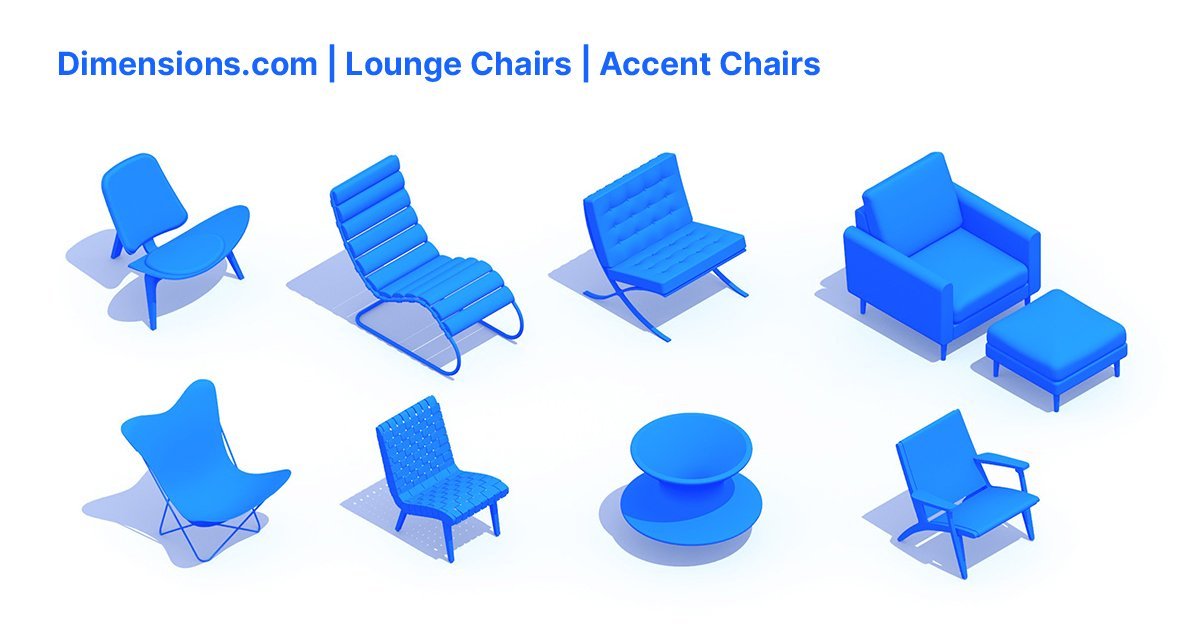
A lounge chair is a specialized piece of furniture engineered primarily for relaxation, featuring a reclined backrest and often accompanied by an ottoman or integrated footrest. Unlike standard dining or office chairs, which promote an upright, active posture, these seats are designed to support the body in a semi-supine position. They vary widely in design, from mid-century modern classics to plush, overstuffed recliners, and are intended for leisure activities like reading, watching television, or napping.
Key Takeaways
- Prioritize ergonomic lumbar support to prevent back strain during extended periods of rest.
- Measure your available floor space carefully, as these chairs often require a larger footprint than standard seating.
- Choose materials like top-grain leather for durability or performance fabrics for stain resistance in high-traffic homes.
- Test the recline mechanism to ensure it operates smoothly without needing excessive manual force.
- Consider the weight capacity of the frame to ensure long-term structural integrity and user safety.
Defining the Lounge Chair
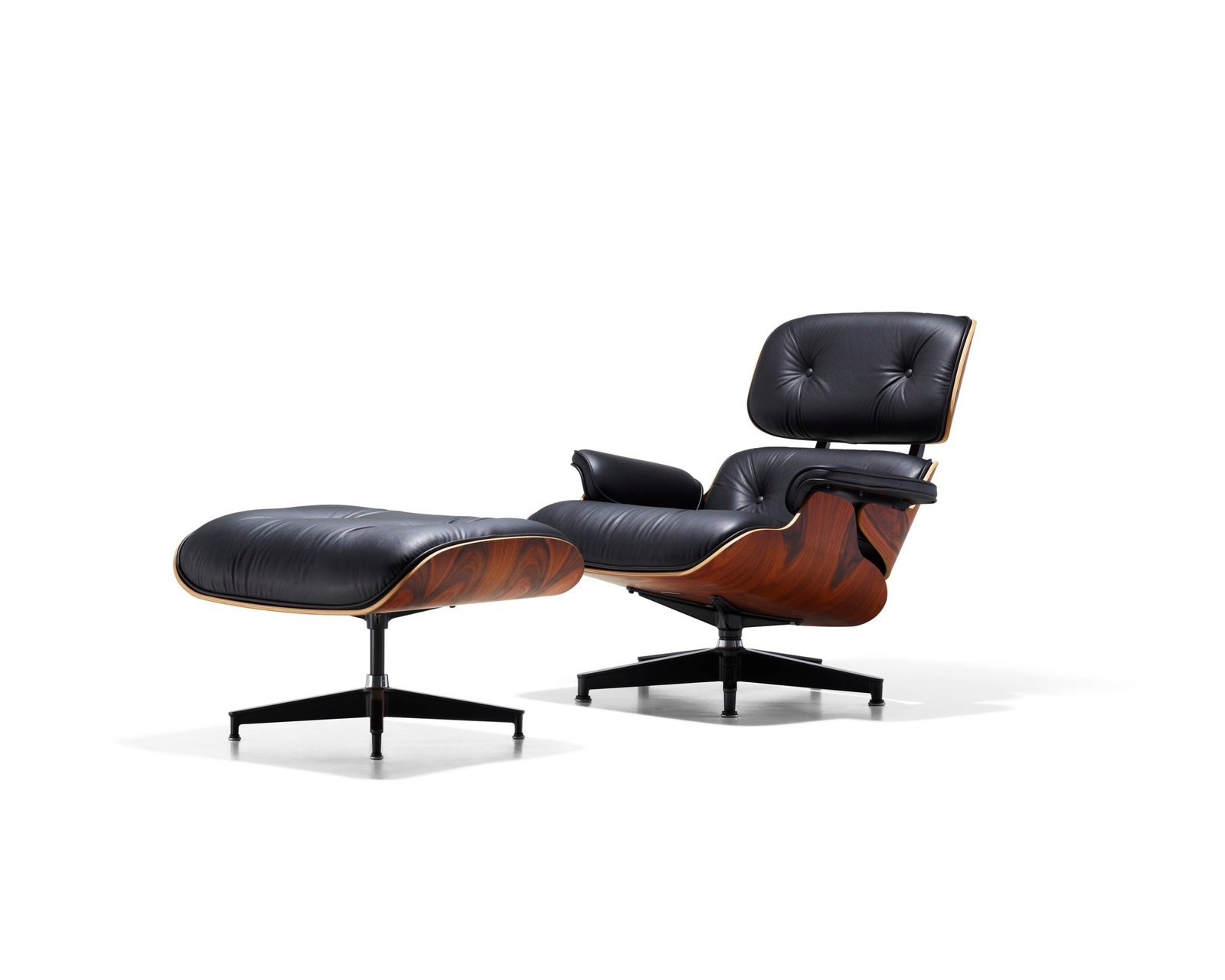
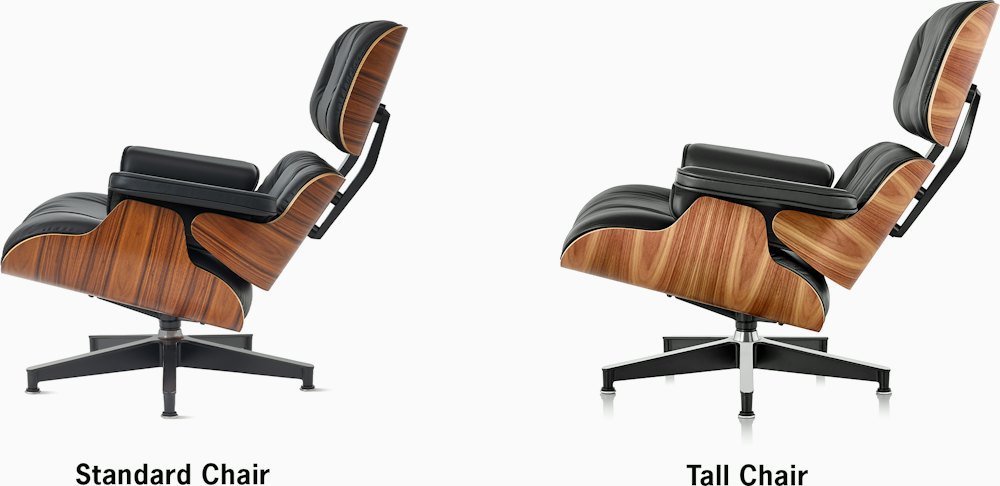
At its core, a lounge chair is a piece of furniture meant to facilitate a state of rest. While a standard chair keeps your spine at a ninety-degree angle, this category of seating encourages a more open hip angle, which can help alleviate pressure on the lower spine. Whether you’re looking at a sleek Eames-style design or a motorized recliner, the primary goal is comfort. These chairs often incorporate cushioned armrests and high-density foam padding to provide a soft, supportive surface for your entire body.
What Is a Lounge Chair Used For?
These pieces serve as the focal point of a relaxation area. People typically place them in living rooms, home offices, or dedicated reading nooks. By allowing the user to elevate their legs or lean back at an angle, they promote better circulation and relaxation of the muscles. Many modern versions include features like built-in lumbar adjustment or even integrated massage functions to enhance the physical benefits of sitting.
| Use Case | Recommended Feature | Benefit |
|---|---|---|
| Reading | Adjustable headrest | Reduces neck strain |
| Napping | Full recline capacity | Improves comfort |
| Media Room | Integrated cup holders | Prevents spills |
| Home Office | Swivel base | Enhances mobility |
Materials and Construction
The longevity of your furniture depends heavily on the materials used. Frames are typically constructed from kiln-dried hardwood, engineered plywood, or powder-coated steel. The upholstery choices are equally important, as they dictate both the tactile experience and the ease of maintenance. You should look for high-resiliency foam that maintains its shape over time, preventing the sagging often found in cheaper, mass-produced alternatives.
Popular Upholstery Options
- Full-grain leather: Develops a patina and lasts for decades.
- Performance velvet: Offers a luxurious feel with high stain resistance.
- Woven linen: Provides a textured, breathable surface for warm climates.
- Synthetic microfiber: Ideal for households with pets or young children.
Why Do You Need One?
If you suffer from chronic fatigue or simply need a dedicated space to disconnect from the digital world, a lounge chair provides a physical boundary for rest. Unlike a sofa, which is often a shared space, this chair is usually personal. It creates a dedicated zone for your mental and physical recovery. Because these chairs meet rigorous Consumer Product Safety Commission standards regarding fire resistance and material safety, they’re a secure addition to any living environment.
How Much Does It Cost?
The price of a lounge chair varies significantly based on brand, materials, and mechanical complexity. You can expect to pay anywhere from $250 to $800 for entry-level models, while mid-range options typically fall between $800 and $2,500. Luxury, designer-grade pieces—often featuring premium leather or complex, hand-crafted frames—can range from $2,500 to $7,000 or more.
| Price Tier | Typical Cost Range | Expected Quality |
|---|---|---|
| Entry-Level | $250 – $800 | Basic frame, mass-produced fabric |
| Mid-Range | $800 – $2,500 | Solid wood, performance upholstery |
| High-End | $2,500 – $7,000+ | Designer materials, artisan assembly |
Troubleshooting Common Issues
Warning: Always check the hinges and bolts on your recliner every six months to ensure nothing has loosened from regular use. If your chair begins to squeak, a simple application of silicone-based lubricant on the metal joints often resolves the problem. If the recliner mechanism gets stuck, don’t force it; instead, inspect the underside for obstructions such as loose wires or small objects that may have fallen into the track.
Pro Tip: If you have limited space, look for a “wall-hugger” recliner model, which is engineered to recline forward rather than tilting back, allowing you to place it just inches from a wall.
Selecting the Right Style
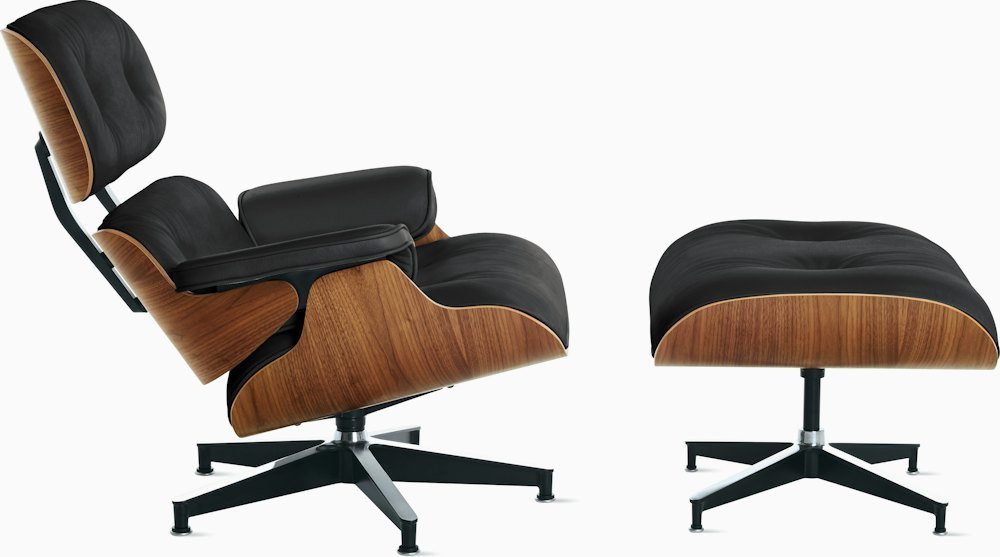
Choosing the right aesthetic is just as important as the physical comfort. If your home features a minimalist aesthetic, look for sculptural wooden frames with clean lines. If you prefer a traditional or maximalist look, consider overstuffed upholstery with tufted buttons and nailhead trim.
- Mid-Century Modern: Features tapered legs and exposed wood frames.
- Scandinavian: Emphasizes light woods and functional, simple textiles.
- Industrial: Utilizes metal accents and distressed, rugged leather.
- Contemporary: Focuses on modular shapes and bold, solid colors.
Frequently Asked Questions
Are lounge chairs good for your back?
Yes, provided they offer proper lumbar support. A well-designed chair allows you to maintain the natural curve of your spine. If you have existing back conditions, look for models with adjustable lumbar depth or those that include a matching ottoman to reduce pelvic tilt while you’re in a reclined position.
How much space do I need?
You should allow for at least eighteen inches of clearance around the front and sides of the chair. If it’s a reclining model, calculate the full length of the chair when it’s extended to ensure it doesn’t hit walls or other furniture pieces during operation.
Is leather better than fabric?
Leather is generally more durable and easier to clean, making it ideal for high-traffic areas. However, fabric offers more variety in texture and color, and it’s often more breathable in hot climates. The choice depends on your lifestyle and how much maintenance you’re willing to perform.
Can I put a lounge chair in a bedroom?
Absolutely. A lounge chair in a bedroom creates a quiet sanctuary for reading or dressing. It works best in a corner near a window to take advantage of natural light. Ensure the scale of the chair is proportionate to the size of your bedroom to avoid clutter.
How long should a lounge chair last?
A well-constructed piece should last between ten and fifteen years with proper care. High-end models with solid wood frames can last even longer if the upholstery is periodically cleaned or professionally reupholstered. Avoid placing your chair in direct, harsh sunlight to prevent the material from fading or cracking over time.
Investing in a high-quality lounge chair is an investment in your daily comfort and long-term health. Take the time to visit a local furniture showroom to sit in several different models, testing the tension and padding before making your final selection. Prioritize ergonomic fit to ensure your new chair becomes your favorite spot in the house for years to come.