
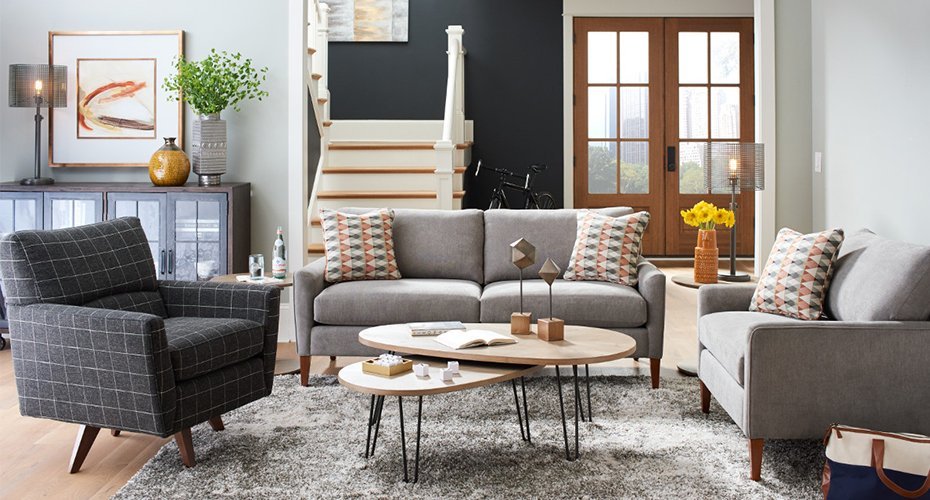
Matching a sofa and chairs requires balancing visual weight, color harmony, and functional flow to create a cohesive room that feels intentional rather than accidental. You achieve this by anchoring your space with a primary piece and selecting secondary seating that either complements or contrasts based on your desired aesthetic. Whether you prefer a tailored, uniform look or a curated, eclectic vibe, the secret lies in repeating specific design elements like texture, leg style, or fabric undertones.
Key Takeaways
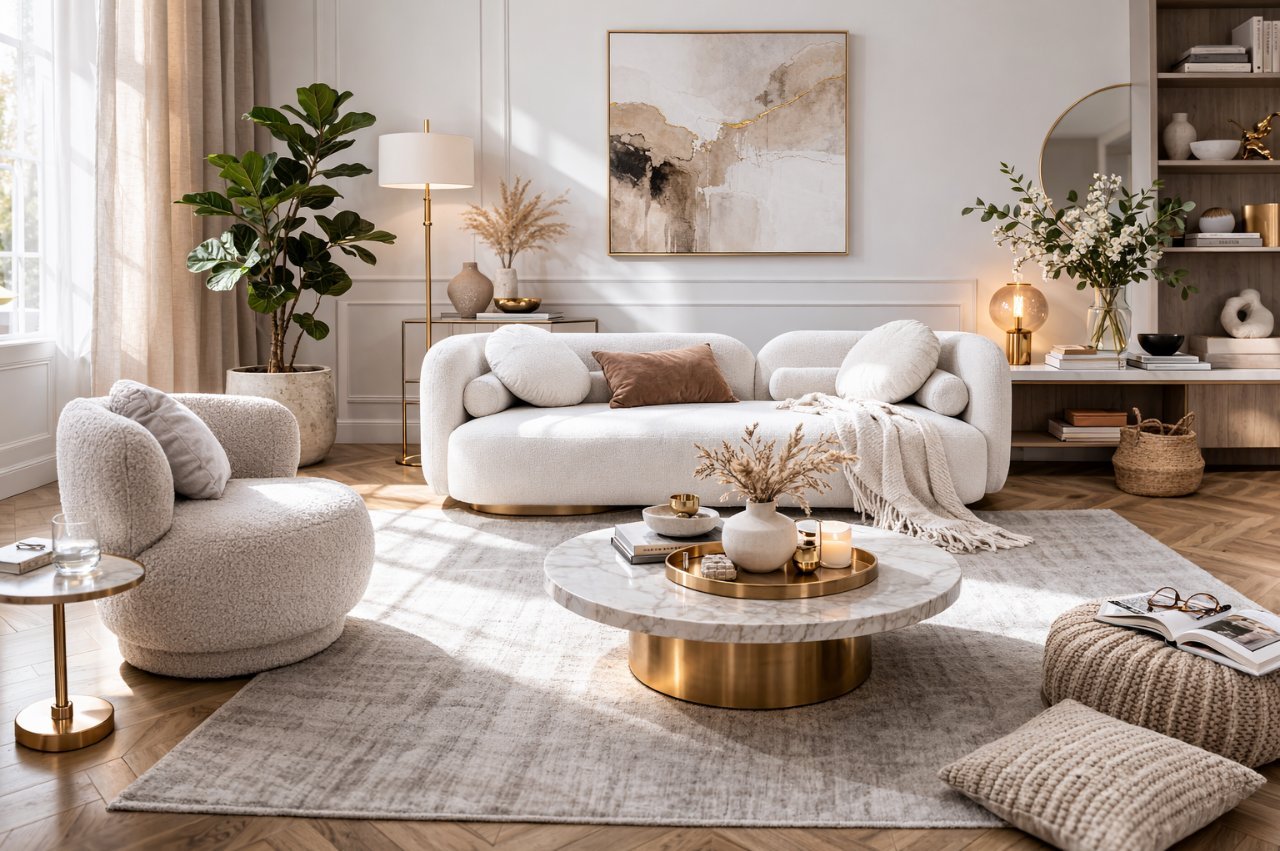
- Balance the visual weight of furniture to prevent one side of the room from feeling heavier than the other.
- Use a cohesive color palette by pulling accent colors from a rug or artwork to tie different pieces together.
- Maintain a consistent scale and proportion so chairs don’t dwarf or disappear next to your sofa.
- Incorporate at least one shared design element, such as matching wood finishes or similar tufting details.
- Create a functional layout that allows for easy conversation and movement throughout the space.
How to Match Sofa and Chairs
Matching furniture isn’t about buying a pre-packaged set; it’s about creating a conversation between individual pieces. To begin, identify your anchor piece, usually the sofa, and determine its primary style—modern, traditional, or transitional. If the sofa has clean lines and minimalist fabric, you have more freedom to introduce patterned or textured chairs. Conversely, if your sofa is a bold statement piece, choose chairs with neutral tones to avoid overwhelming the eye.
| Element | Matching Approach | Contrasting Approach |
|---|---|---|
| Fabric | Same textile or color family | Different material, like leather vs. velvet |
| Silhouette | Identical arm and back profiles | Mixing curves with geometric edges |
| Leg Style | Shared wood finish or metal tone | Mixing wood types with caution |
| Pattern | Solid to solid | Large print to small-scale texture |
Does Everything Need to Match?
The short answer is no. In fact, a room where every piece matches perfectly can feel like a furniture showroom rather than a home. Designers often use the “rule of three” to create balance: choose one dominant color for the sofa, a secondary color for the chairs, and a tertiary accent color for pillows, throws, or ottomans. This strategy ensures that while the items aren’t identical, they speak the same visual language.
Selecting the Right Scale
Proportion is the most common pitfall in interior design. A massive, overstuffed sofa paired with petite, spindly chairs will look awkward. When selecting chairs, ensure the back height of the chair is relatively close to the sofa’s back height, or use a side table to bridge the gap. If you choose a high-backed wing chair, balance it with a floor lamp to integrate it into the seating arrangement.
Establishing a Cohesive Palette
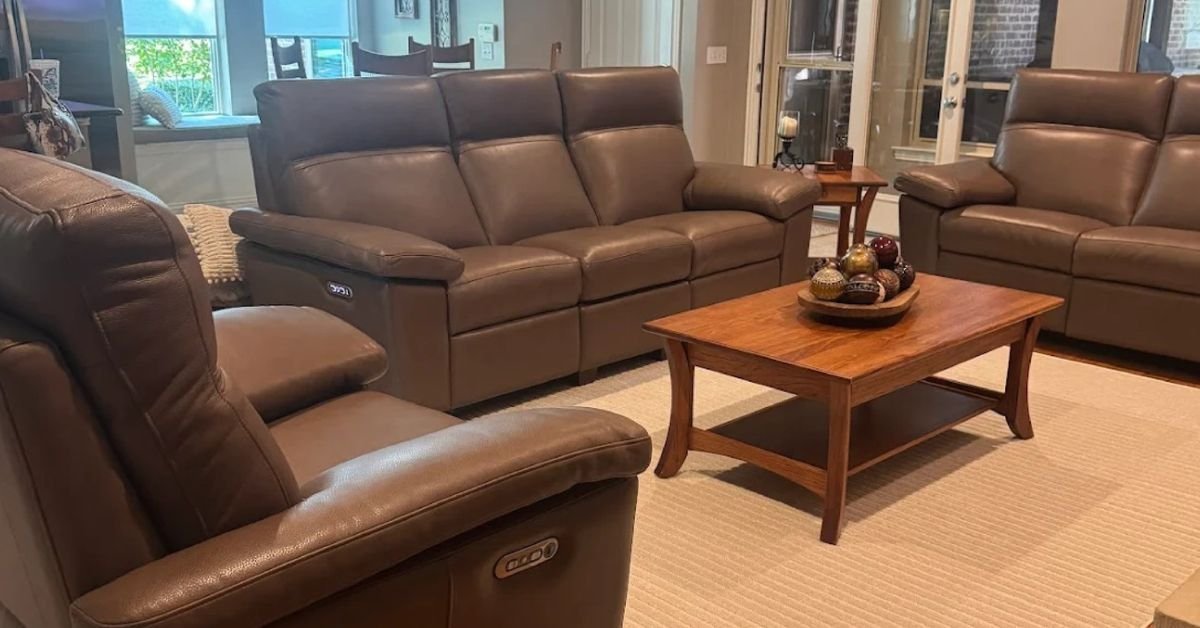
Colors don’t have to be identical to be harmonious. Look for undertones in your fabrics. If your sofa is a warm gray, ensure the chairs have warm undertones as well, rather than pairing them with a cool, blue-gray fabric. You can use a color wheel to find complementary shades or stick to a monochromatic scheme by using different saturations of the same hue.
Why Use Texture Variations?
Texture adds depth and prevents a room from feeling flat. If your sofa is upholstered in a smooth, flat-weave fabric, consider chairs in a tactile material like boucle, velvet, or linen. This contrast makes the room feel sophisticated and layered.
Mixing Modern and Traditional
Blending eras is a classic designer move. You can place a mid-century modern sofa next to a pair of traditional tufted armchairs. To make this work, keep the wood finishes consistent. If the sofa has walnut legs, look for chairs that feature a similar wood tone. This common denominator provides the necessary thread to tie disparate styles together into one unified room design.
The Role of Accent Tables
Accent tables serve as the bridge between your sofa and chairs. A well-placed end table can unite a sofa and a chair by acting as a visual anchor. If the sofa is modern, choose a table with sculptural, metallic legs; if the chairs are traditional, a wooden side table with classic carvings creates a bridge that makes the transition feel intentional.
Pro Tips for Furniture Layout
Pro Tip: Always leave at least eighteen inches between your sofa and the coffee table, and ensure there’s enough space for people to walk behind the chairs without bumping into the sofa.
Warning: Avoid placing all your furniture against the walls. Pulling your sofa and chairs toward the center of the room creates a more intimate, conversational environment.
Troubleshooting Common Layout Issues
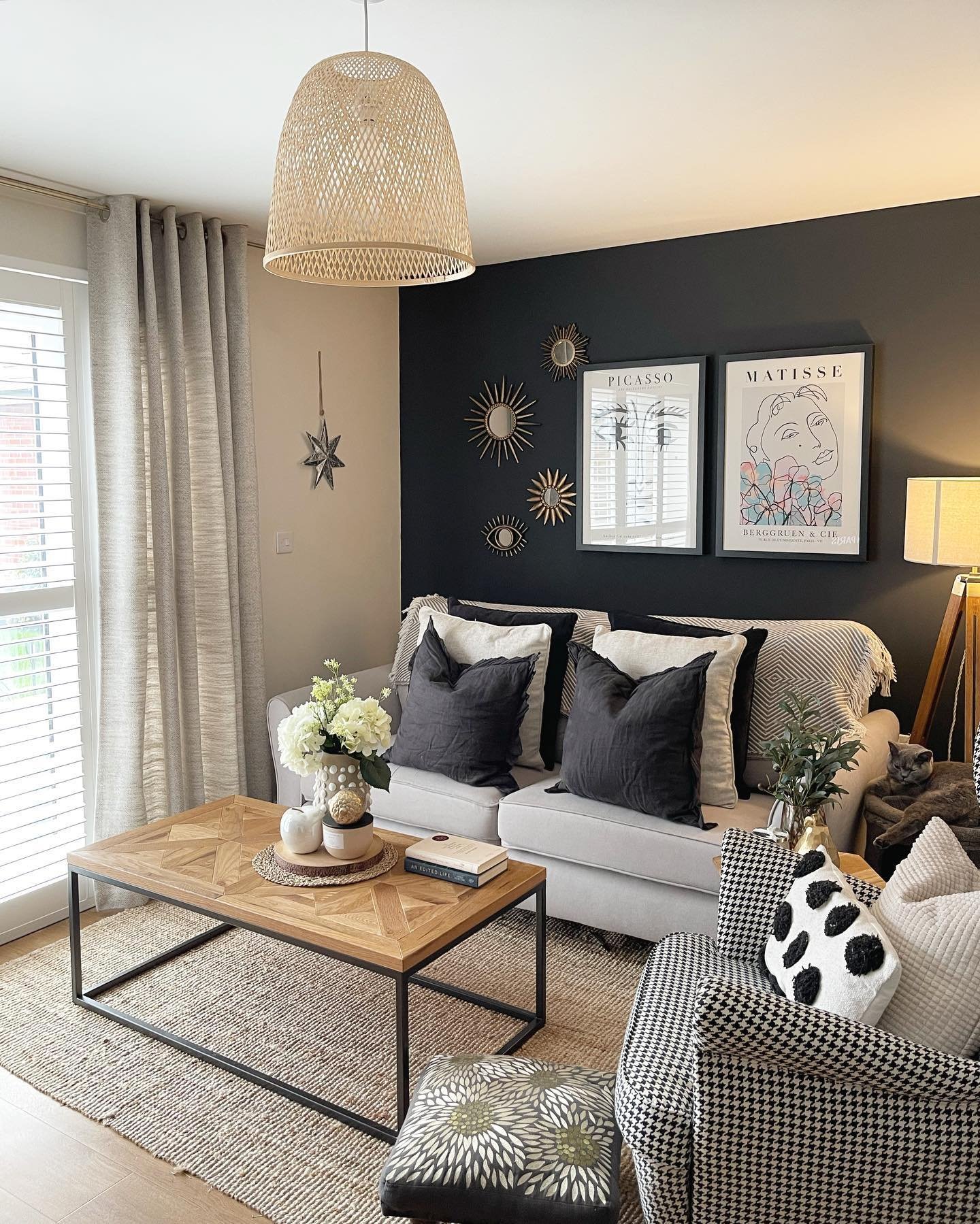
- Floating furniture: If your pieces feel disconnected, place them on a large area rug that captures the front legs of both the sofa and the chairs.
- Visual clutter: If the room feels messy, swap patterned chairs for solid, neutral ones to calm the space.
- Lack of flow: If the room feels tight, choose chairs with exposed legs rather than skirted models to create a sense of openness.
Related guides
Frequently Asked Questions
Can I mix leather and fabric?
Yes, mixing materials is an excellent way to add visual interest. A leather sofa paired with fabric armchairs creates a cozy, lived-in feel. Ensure the colors are in the same tonal family to keep the look grounded and prevent the materials from clashing.
Should chairs always match each other?
You don’t need to use matching chairs. Using two different styles of accent chairs can create a more eclectic, designer look. To maintain balance, ensure both chairs share a similar scale or height so the furniture arrangement doesn’t appear lopsided or disorganized.
How do I coordinate patterns?
If you want to use patterned chairs, keep the sofa solid. Use a large-scale pattern on the chairs and a smaller, more subtle pattern on throw pillows to create a cohesive narrative. The key is to ensure both patterns share at least one primary color.
Does the sofa color matter?
The sofa is your largest piece, so it dictates the room’s mood. A neutral sofa—like beige, gray, or navy—provides the most versatility, allowing you to change your accent chairs as trends evolve. If your sofa is a bright, bold color, keep the chairs neutral to avoid visual fatigue.
How do I tie everything together?
Use accessories like throw pillows, rugs, and artwork to pull colors from both the sofa and the chairs. If your sofa is gray and your chairs are blue, use pillows that feature both gray and blue fabrics to bridge the gap and unify the entire seating arrangement.
Start by assessing the size and color of your current sofa, then look for one common element—such as wood finish, leg style, or fabric undertone—when shopping for your accent chairs. By focusing on these shared characteristics rather than seeking an exact match, you’ll create a professional, layered look that feels both comfortable and uniquely yours.