
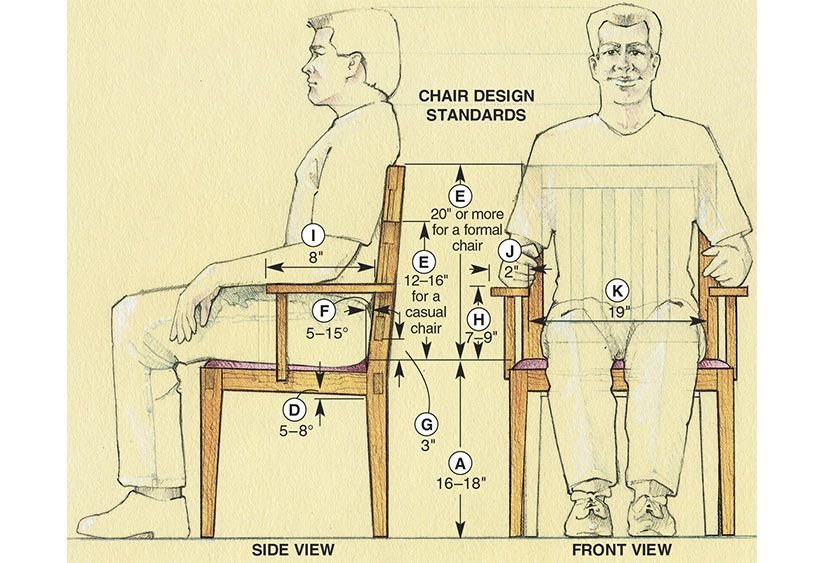
A standard seat depth is between 18 and 20 inches, as this range provides enough room for most adults to sit comfortably with their back against the support. Understanding the ideal chair depth helps you avoid back strain or pressure behind your knees.
How deep your chair should be
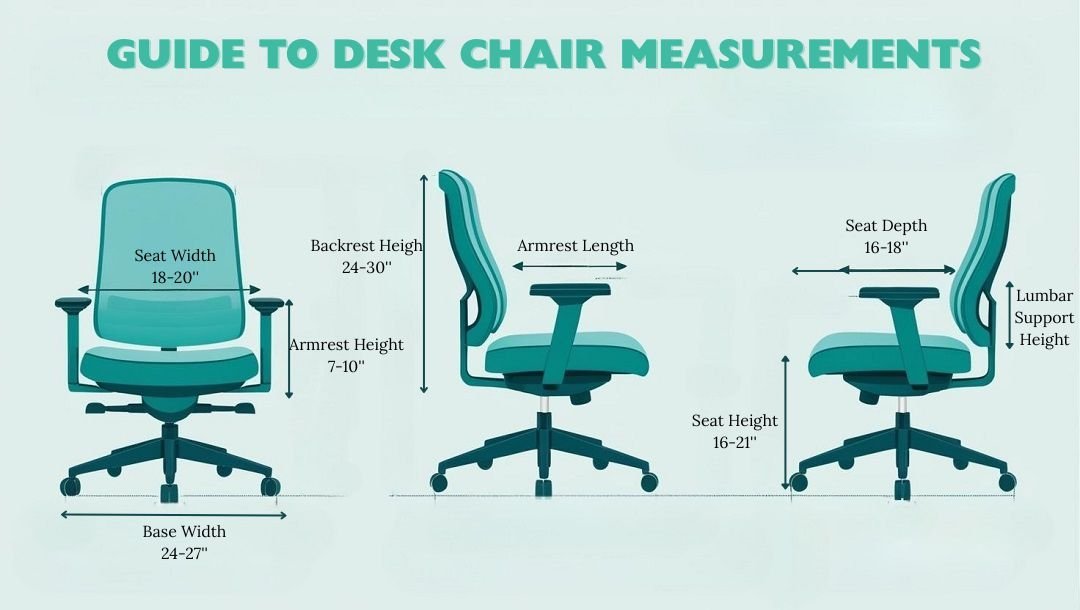
Finding the right fit depends on your height and how you prefer to sit. If the seat is too deep, you’ll lean forward, causing slouching. If it’s too shallow, you’ll feel like you’re sliding off the edge.
| Method | How long | Effort | Cost | Best for |
|---|---|---|---|---|
| Wall Test | 1 minute | Low | Free | Quick checks |
| Tape Measure | 2 minutes | Low | Low | Shopping |
| Footrest Use | 5 minutes | Medium | Medium | Short users |
This varies by model — check the label to see if the manufacturer lists internal seat depth rather than external frame depth.
The wall test for fit
You can check if a seat fits your body by using a simple wall test. This helps you identify if a piece of furniture will support your spine correctly.
- Stand with your back and shoulder blades flat against a wall.
- Have someone measure the distance from the wall to the back of your knee.
- Subtract 2 to 3 inches from that measurement to find your ideal seat depth.
- Ensure your feet are flat on the floor during this measurement to avoid errors.
This method works well because it mimics the support of a chair back. However, it doesn’t account for the thickness of a cushion, which can compress over time.
Using a tape measure for shopping
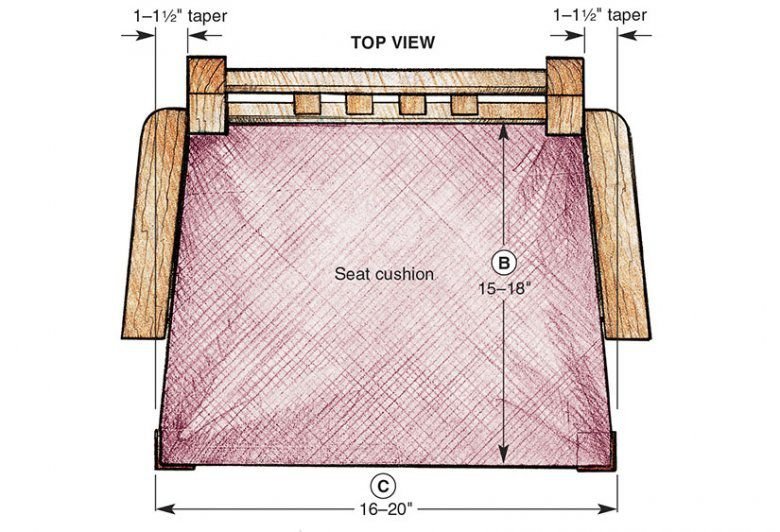
When you’re in a furniture store, use your own tool to confirm dimensions. People often make the mistake of trusting the visual appearance of a chair, which costs them money if they buy an uncomfortable item.
- Place your tape measure at the very back of the seat where the cushion meets the frame.
- Extend the tape to the front edge of the seat cushion.
- Compare this number to your personal measurement from the wall test.
- If you’re buying a recliner, measure the depth while it’s in the upright position.
This is best for verifying specs before purchase. It isn’t helpful for chairs that have curved or sloped backs that prevent a straight measurement.
Adjusting for height and comfort
If you find a chair you love but the seat is too deep, you can add a lumbar pillow to reduce the depth. According to the Occupational Safety and Health Administration, maintaining proper back support is key to preventing discomfort during long periods of sitting.
- Place a firm pillow against the backrest to shorten the seat depth.
- If your feet dangle, add a small footrest or box under your desk.
- Check that your hips are level with or slightly higher than your knees.
- Replace cushions regularly if they lose their shape and cause you to sink.
This is great for office chairs or deep lounge seating. The main weakness is that adding pillows can sometimes make the chair feel unstable.
Finding your ideal chair size
If you’re doing this for the first time, perform the wall test to get an exact number based on your leg length. If you want the best possible result, look for chairs with adjustable seat sliders that let you change the depth to fit your exact frame. This is a trade-off between simplicity and comfort, as adjustable chairs often cost more than fixed-depth models.
Standard rules for seating posture
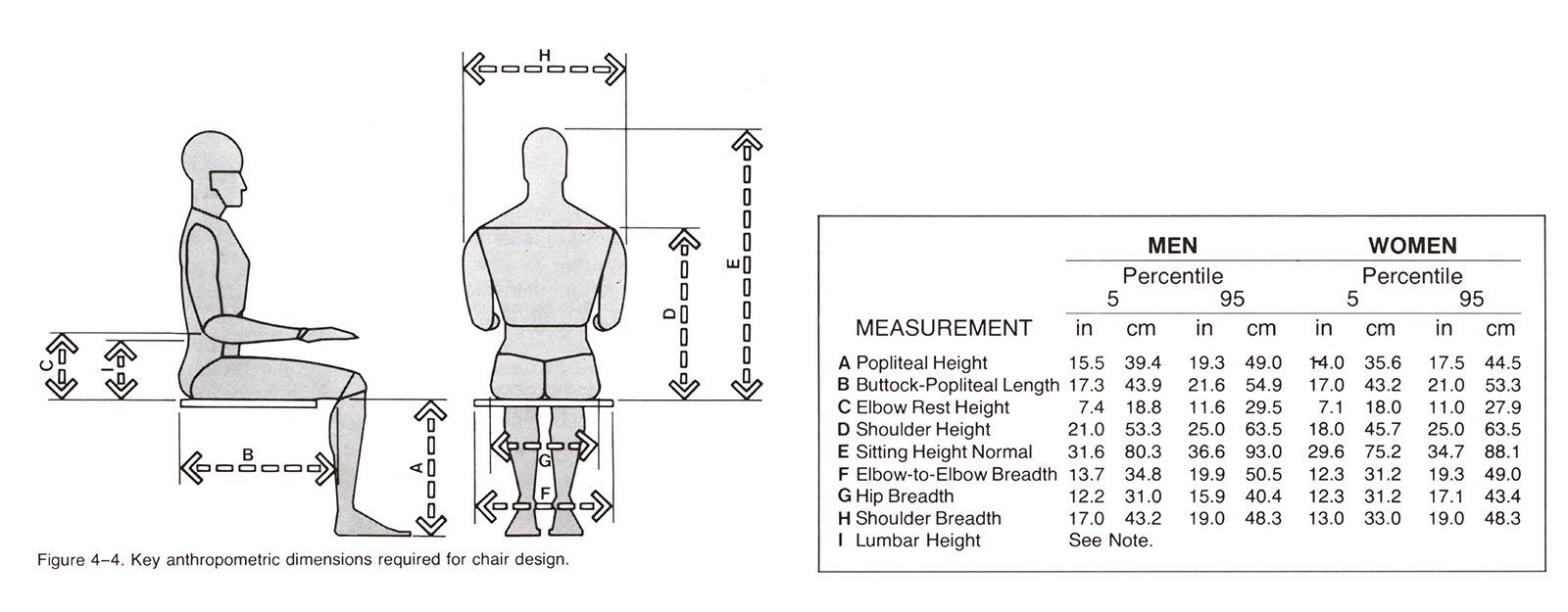
Regardless of the style you choose, your posture remains the most important factor. Always ensure your feet remain flat on the floor; if they do not, your circulation may be restricted. Check your posture partway through your day to see if you have drifted away from the back support. At the end of the process, your lower back should feel fully supported without any gap. If you experience chronic pain, seek advice from a physical therapist who handles ergonomic assessments. Never attempt to modify a chair’s structural frame yourself, as this can void warranties or create a safety hazard if the joints fail.
How deep should a chair be for a tall person?
A tall person usually needs a depth of 21 to 23 inches to provide proper support for longer thighs. If the seat is too short, your legs will lack support near the knees, which causes muscle fatigue after long periods.
Can a seat be too shallow?
Yes, a seat that’s less than 17 inches deep will feel like you’re perched on the edge. This forces you to lean forward, which prevents your back from resting against the chair and leads to poor posture.
Is it safe to add cushions to a deep chair?
Yes, it’s safe as long as the cushion doesn’t slide out from under you while you sit. Use a non-slip pad under the cushion to keep it secure and ensure it remains firmly against the backrest.
How long should I sit in one chair?
You should stand up or move around every 30 to 60 minutes to maintain blood flow. Even with a perfectly sized chair, staying in one position for too long causes stiffness in your hips and spine.
What happens if the seat depth is wrong?
You’ll likely experience lower back pain or numbness in your legs. If the seat is too deep, you’ll slouch; if it’s too shallow, your hamstrings will bear too much weight, causing discomfort.
How do I measure a curved chair back?
Place a straight object like a book vertically against the backrest to create a flat surface. Measure from that object to the front edge of the seat to get an accurate depth for your legs.
Deep chair, in short
When you’re shopping for new furniture, don’t just look at the style. Take a moment to sit down and test how your body feels against the frame. You’ll find that choosing the right fit makes a world of difference, so you shouldn’t settle for anything that doesn’t feel supportive and relaxed.