
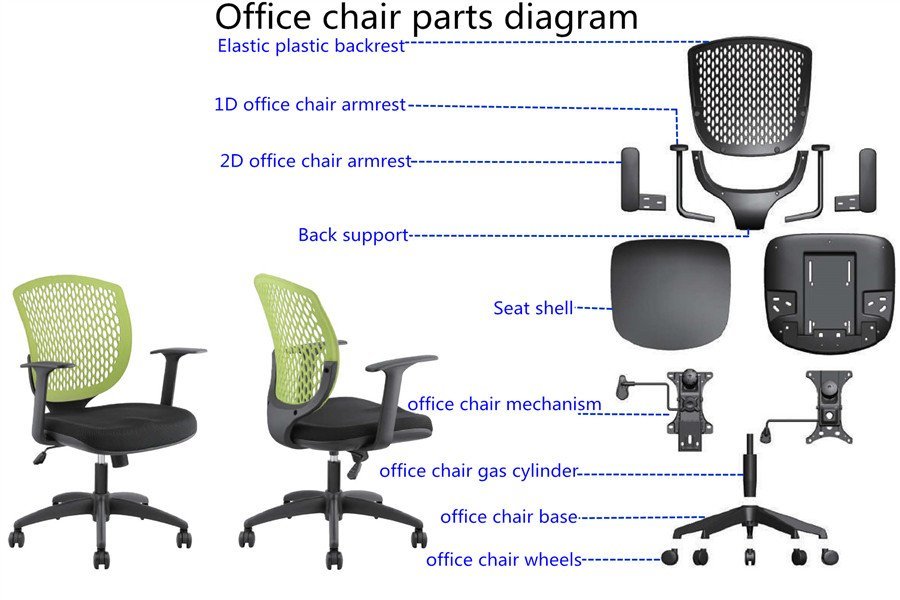
A chair fitted with wheels is most commonly called an office chair, a desk chair, or a task chair, while the small wheels attached to the base are technically known as casters.
Key Takeaways
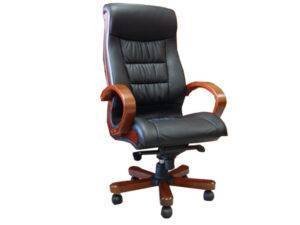
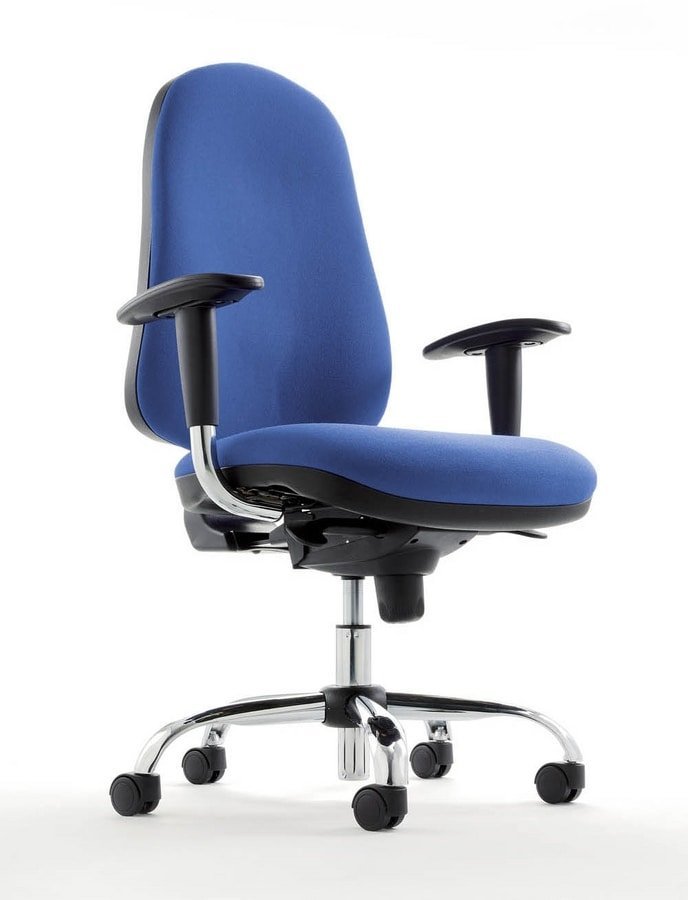
- Look for terms like task chair or desk chair when shopping for everyday computer workstations.
- The rolling components beneath the base are called caster wheels, and they come in specific designs for hard floors versus carpets.
- Specialized variations include drafting chairs for elevated tables and swivel stools for clinical or salon environments.
- Proper ergonomic setup requires an adjustable base that aligns with standard workplace safety guidelines.
Primary Names for Wheeled Chairs
The everyday name for this furniture changes based on where it sits and how it functions.
Common terms include:
- Desk chair: A general retail term for any seated furniture designed to pair with a study table or computer workstation.
- Task chair: A compact, utilitarian rolling chair built for productivity, usually lacking bulky headrests or deep reclining mechanisms.
- Computer chair: An interchangeable retail phrase often emphasizing mid-back support, swivel action, and floor mobility.
- Swivel chair: Emphasizes the 360-degree rotation mechanism, though not all swivel designs feature rolling wheels beneath their legs.
- Executive chair: A larger, plush model built with high backs, integrated headrests, and premium materials like bonded or top-grain leather.
Pro Tip: If your shopping budget is tight, searching specifically for a task chair yields the most cost-effective and space-conscious rolling models compared to bulky executive designs.
What Are the Wheels Called?
The small wheels on a rolling chair are called casters.
Most office furniture uses twin-wheel casters. Single-wheel casters are typically found on industrial equipment rather than seating.
| Caster Type | Best Surface | Key Benefit | Typical Material |
|---|---|---|---|
| Hard casters | Low-pile carpet, rugs | Rolls effortlessly over fibers | Rigid nylon, polyurethane |
| Soft casters | Hardwood, tile, vinyl | Prevents gouging and surface scratches | Soft rubber, clear urethane |
| Locking casters | Smooth inclines, standing desks | Anchors seat firmly in position | Steel frame with rubber tread |
| Rollerblade casters | All hard surfaces | Completely silent, ultra-smooth glide | Solid clear polyurethane |
Specialized Wheeled Seating Types
Rolling chairs extend far beyond traditional cubicle environments. Many technical professions rely on modified rolling seating adapted to elevated surfaces, medical sanitization, or extended leisure.
Drafting Chairs and Stools
A drafting stool features an extended pneumatic cylinder to reach standing-height desks, drafting tables, and laboratory benches. They always include an integrated chrome or steel foot ring to support the lower body, as the occupant’s feet can’t touch the floor.
Gaming Chairs
Popularized by brands like Secretlab and DXRacer, a gaming chair mimics a race-car bucket seat. These products emphasize deep side bolsters, lumbar pillows, headrests, and multi-angle tilt mechanisms for extended play.
Medical and Rolling Utility Stools
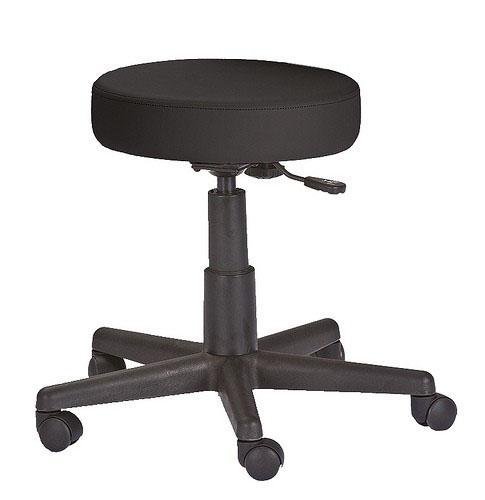
Found across clinical exam rooms, dental operatories, and hair salons, a rolling stool lacks backrests or armrests entirely. Many feature saddle seating geometry, which positions the user’s pelvis in a semi-standing stance to relieve pressure during manual procedures.
Assistive Mobility: Wheelchairs
Chairs for those with limited mobility are called wheelchairs or transport chairs. Manual versions use push rims, while electric chairs use joystick controllers.
Anatomical Components of a Rolling Chair
To troubleshoot mechanical issues or purchase replacement components, knowing the precise trade terms for each part of a rolling chair is essential.
- Caster stem: The metal pin (most standard chairs utilize an 11mm or 7/16-inch grip-ring stem) that slots into the chair base.
- Star base: The structural five-point foundation that distributes the occupant’s weight evenly across the casters to avoid tipping.
- Pneumatic gas cylinder: The pressurized nitrogen cartridge that controls smooth vertical height adjustment via a bottom hand lever.
- Tilt mechanism: The under-seat steel chassis housing tilt-tension springs, recline locks, and height levers.
- Lumbar support: An adjustable pad or curve integrated into the lower backrest to sustain natural spinal alignment.
How to Choose the Right Rolling Chair
Match your chair to your sitting habits. According to ergonomic computer workstation guidelines published by the Occupational Safety and Health Administration, an effective task chair must support dynamic movement, maintain a stable five-point base, and provide full adjustability for seat height and lumbar positioning.
| Feature to Inspect | Everyday Desk Use | Technical / Elevated Work | Leisure / Long Gaming |
|---|---|---|---|
| Base Style | 5-star rolling base | 5-star rolling base with foot ring | Reinforced 5-star aluminum base |
| Backrest Height | Mid-back or high-back | Low-back or backless | Full-length high-back with headrest |
| Armrest Motion | Standard 2D (height/width) | None (avoids table interference) | 3D or 4D (rotational, forward/back) |
| Seat Cushion | Molded high-density foam | Seamless vinyl or polyurethane | High-density memory foam |
Warning: Using hard nylon casters directly on natural hardwood or engineered laminate will gradually strip away the polyurethane protective finish, causing deep wood abrasions; always swap to soft rubber casters or place a polycarbonate floor mat underneath.
Troubleshooting Common Rolling Chair Problems
Rolling chairs endure wear. Diagnosing mechanical faults early prevents unexpected damage to your floorboards or sudden falls.
The Seat Sinks Automatically
When a chair slowly drifts downward during use, the internal seals within the pneumatic gas lift have degraded, letting nitrogen pressure escape. The fix involves replacing the gas cylinder entirely or sliding an inexpensive plastic clamp around the exposed cylinder shaft.
The Wheels Won’t Roll
Thread, long hair, and carpet lint readily wrap around internal caster axles. Pop the caster stem free from the star base with a flathead screwdriver, clear the caught fibers using utility shears, and apply a non-greasy silicone lubricant to the wheel pin.
Loud Creaking During Recline
Creaks stem from dry metal joints within the under-seat tilt control plate. Invert the chair and apply spray lithium grease directly to the internal pivot coil and tension springs.
Frequently Asked Questions
What is a desk chair with wheels called?
Desk chairs with wheels are called office, task, or computer chairs. Manufacturers call compact models task chairs and taller versions executive chairs. The small, rotating wheels fitted to the base are technically known as caster wheels.
What is the difference between a task chair and an office chair?
Office chair is an umbrella term for seated office furniture. Task chairs are compact, adjustable, mid-height seats built for productivity in tight spaces.
What are the wheels on furniture called?
Furniture wheels are known as casters. Casters are engineered to swivel in all directions, facilitating the multi-directional movement of heavy tables, chairs, and utility carts.
Are office chair wheels a standard universal size?
Most North American office chairs use universal stem dimensions measuring 7/16 inches (11 mm) in diameter by 7/8 inches (22 mm) in length. However, IKEA rolling chairs are an exception, utilizing a proprietary 3/8-inch (10 mm) stem that requires brand-specific replacement casters.
Measure your desk clearance and floor surface to choose between standard task chairs, drafting models, or protective replacement casters that preserve your flooring.
Whether you’re setting up a home workspace or upgrading your current setup, choosing the right seat makes a big difference. Don’t settle for discomfort when you’re spending hours at your desk. Check the floor type in your room first, as you’ll want to ensure your new casters won’t scratch the surface.