
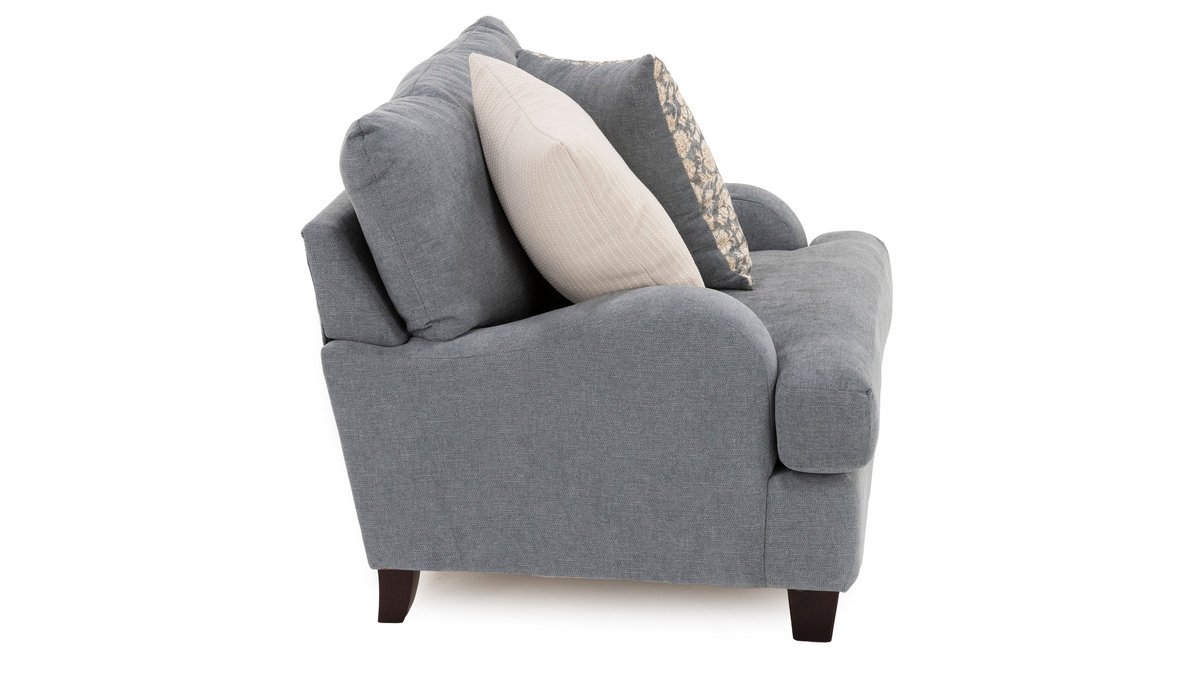
An average armchair measures between 30 and 40 inches in width. This standard dimension depends on the style, such as a compact accent chair or a deep-seated lounge piece, so you should measure your available floor space before you finalize your choice.
Quick reference for chair dimensions
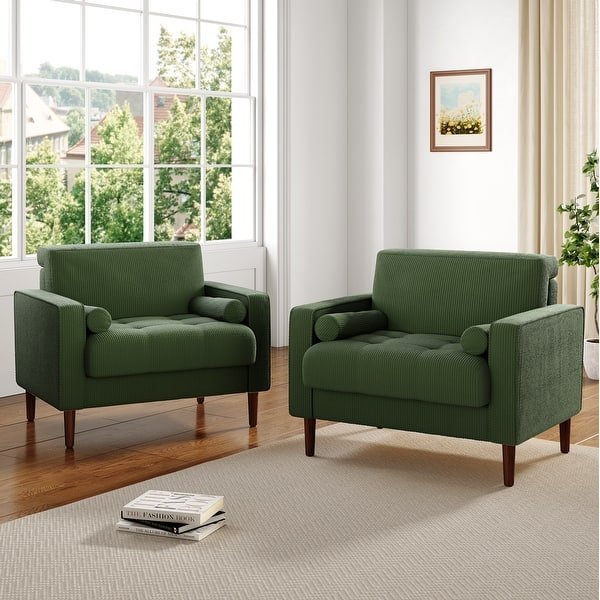
- Compact accent chairs: 28 to 32 inches wide, ideal for small corners.
- Standard club chairs: 33 to 36 inches wide, offering a balance of comfort and size.
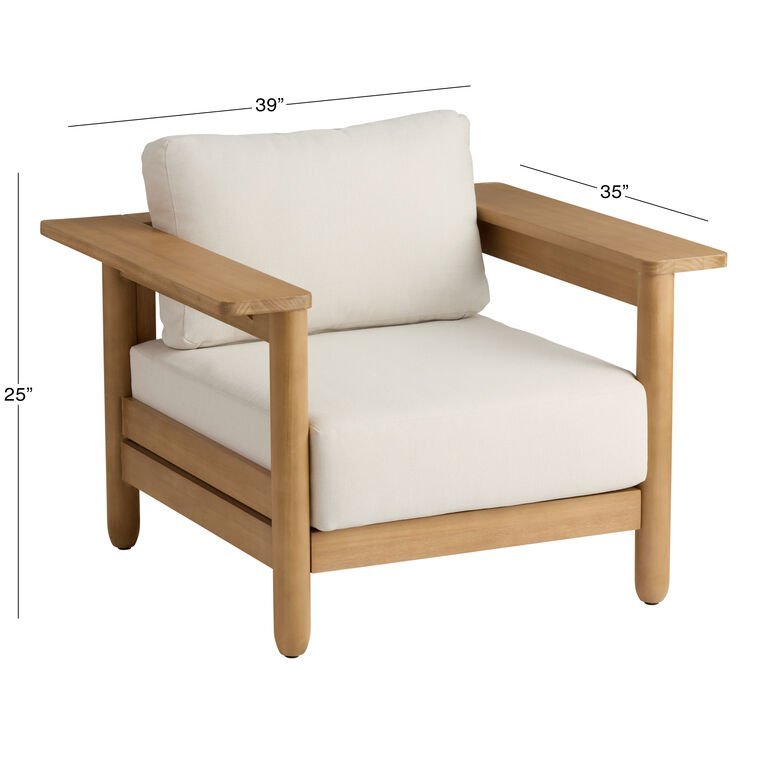
- Oversized lounge chairs: 37 to 45 inches wide, designed for extra room or curling up.
- Measure your space: Always leave at least 18 inches of clearance on each side for movement.
- Check your doorways: Ensure the chair width is at least 3 inches smaller than your narrowest door frame.
- Consider arm style: Rolled arms add 4 to 6 inches to the total width compared to track arms.
Why width varies by design
The total width of a chair is determined by the frame construction and the padding style, which varies significantly between manufacturers. A chair with thick, rolled arms takes up more space than one with thin, straight track arms, even if the seat cushion size is identical.
If you’re looking for a specific fit, check the manufacturer’s specification sheet. This document identifies the “outside width,” which is the measurement from the outermost point of one arm to the other. If you can’t find this sheet, measure the widest point of the chair manually using a steel tape measure. The frame thickness is the main variable that changes the total width, so always prioritize the outside measurement over the seat cushion size when planning your room layout.
When the size changes
| Situation | What changes | What to do instead |
|---|---|---|
| Small apartment | Floor space limits | Choose armless styles |
| Wide person | Seat comfort needs | Buy wider frames |
| Tight hallway | Access width | Remove the legs |
| Recliner model | Wall clearance | Add 12 inches depth |
| Swivel base | Footprint shape | Measure circular diameter |
How to measure for a new chair
- Clear the area where you intend to place the chair to ensure you have an accurate view of the floor space available.
- Use a metal tape measure to find the distance between the two furthest points on the arms of the chair you want.
- Place the chair in your desired spot and use painter’s tape on the floor to mark the full width of the furniture piece.
- Walk around the taped area to ensure you have at least 18 inches of clearance for comfortable movement in your living room space.
- Check that the width of the chair is at least 3 inches less than your narrowest interior doorway to allow for easy delivery.
- If the chair has a recliner mechanism, ensure the width account for any side levers that extend beyond the main armrest frame.
The mistakes that ruin it
- Measuring only the seat cushion instead of the total arm-to-arm width, which leads to a chair that physically won’t fit in your room.
- Ignoring the base width, as some chairs flare at the bottom and may hit baseboards or wall outlets you didn’t notice.
- Forgetting to account for the “swing” of a recliner or swivel chair, which requires more space than a stationary piece.
- Measuring the chair in a showroom without accounting for the extra bulk of packaging or delivery blankets during the actual move.
Frequently asked questions
How wide is an armchair for a small bedroom?
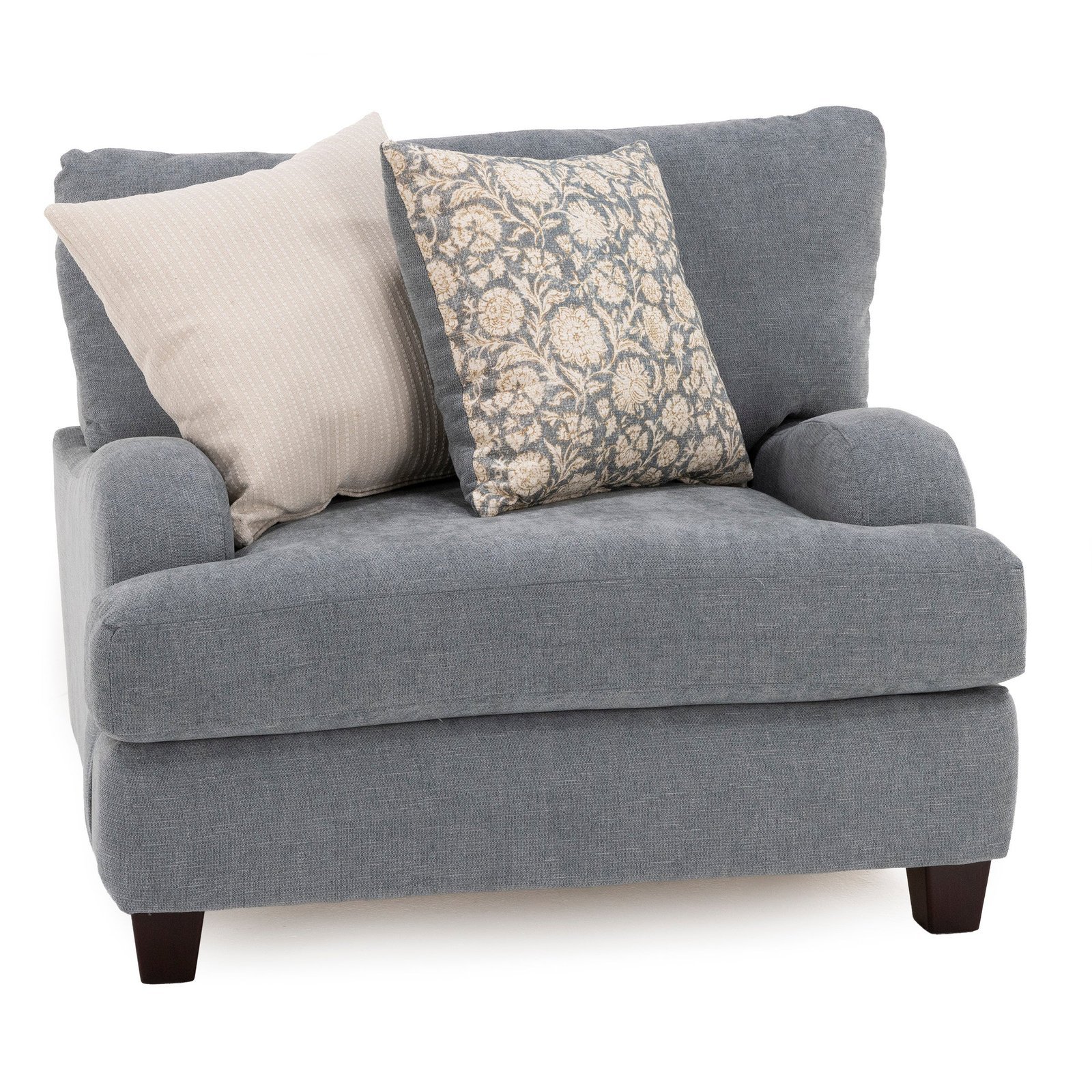
Most small bedroom chairs are 28 to 30 inches wide. This size fits well in corners without blocking walking paths, but you should verify your room’s floor plan before buying to ensure the piece doesn’t crowd your bed or dresser.
Is it safe to buy a chair wider than my door?
No, a chair wider than your door won’t pass through without damage to the frame or your walls. You must measure the narrowest point of your door frame and ensure the chair width is at least 3 inches smaller for clearance.
Does arm style change the width significantly?
Yes, arm style can change the width by 4 to 6 inches depending on the design. Rolled arms are typically wider and more decorative, while track or armless designs are much thinner and better for saving space in tight areas.
How much space should I leave around an armchair?
You should leave at least 18 inches of space around the chair for comfortable access. If you have less space, the room will feel cluttered and movement will be difficult, especially if the chair is placed near a high-traffic area.
Can I remove the arms to make a chair narrower?
No, you can’t safely remove the arms of an armchair because they’re structural parts of the frame. Removing them will destroy the chair’s stability and likely void any warranty provided by the manufacturer.
How do I measure a recliner width?
Measure the widest point of the recliner, which is often the armrests, while the chair is in the closed position. If the chair has a side lever, include that in your measurement to ensure it doesn’t hit a wall.
Conclusion
Before you head to the store, grab a piece of painter’s tape and mark the dimensions on your floor. It’s a simple trick that helps you visualize how the piece will fit in your room. You’ll feel much more confident once you can actually see the space it’s going to occupy.