
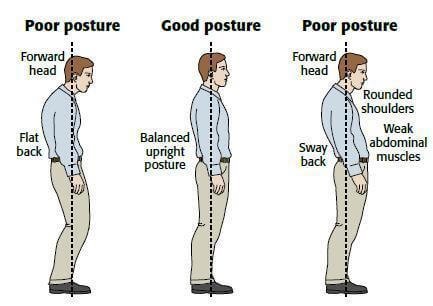
A straight back refers to the anatomical alignment of the spine where the natural curves of the neck, upper back, and lower back are maintained in a neutral, balanced position rather than being hunched or overly arched. Achieving this posture involves stacking the head, shoulders, and hips in a vertical line, which reduces unnecessary stress on the muscles, ligaments, and discs that support your body. When you maintain this alignment, you’re effectively distributing the weight of your torso evenly across your skeletal structure.
Key Takeaways
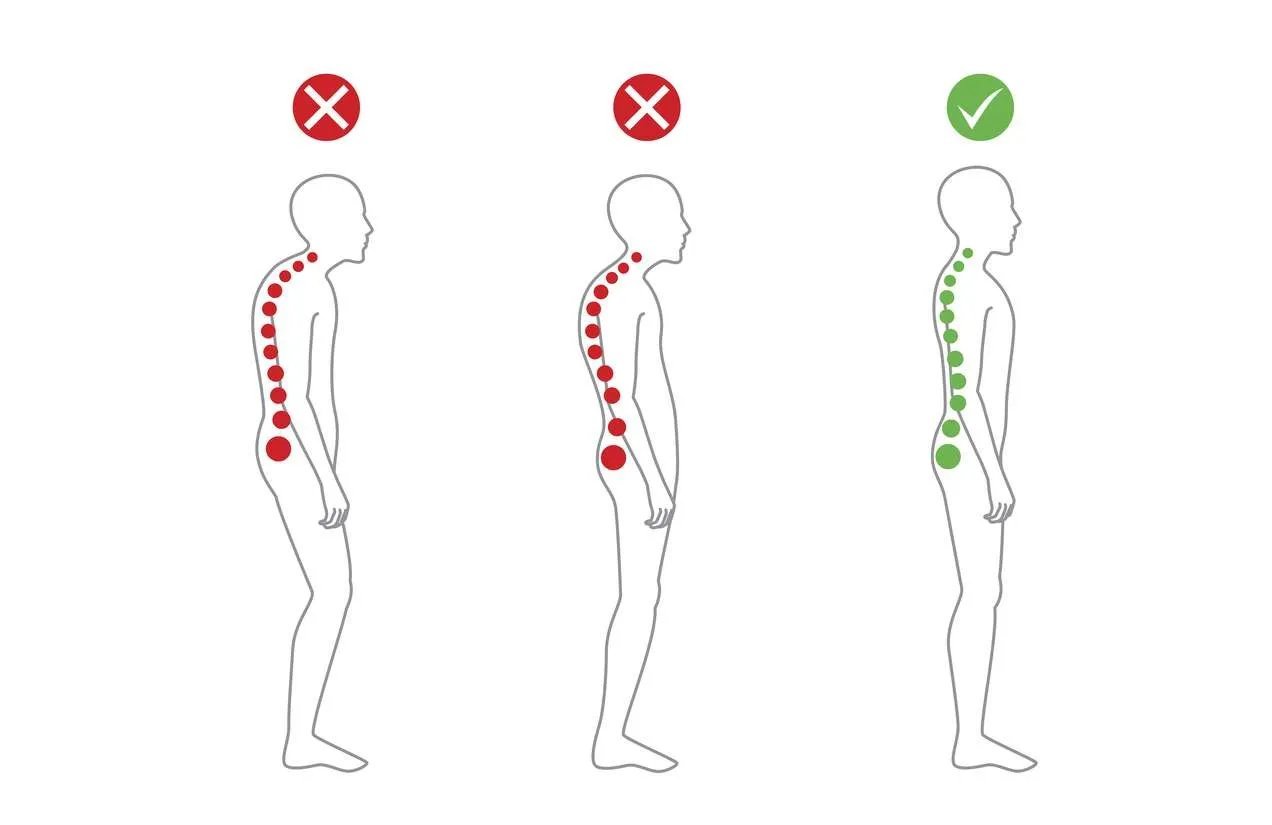
- A neutral spine alignment minimizes the risk of chronic back pain and muscle fatigue.
- Daily habits like slouching over screens are the primary causes of poor posture.
- Consistent engagement of your core muscles is essential for maintaining a vertical, straight back.
- Ergonomic adjustments to your workspace can physically force better spinal habits throughout the day.
- Targeted mobility exercises help reverse the tightness that prevents you from standing tall.
Understanding What Is A Straight Back
A straight back isn’t a rigid, stiff, or perfectly vertical rod; it’s a healthy, neutral spine that respects your natural anatomical curves. Your spine consists of three main curves: the cervical (neck), thoracic (upper back), and lumbar (lower back). Keeping a “straight” back means preventing these curves from becoming exaggerated, such as the rounded shoulders associated with kyphosis or the excessive inward arch of the lower back known as lordosis. By practicing neutral spine alignment, you allow your bones to bear the load of your body weight instead of relying exclusively on your soft tissues.
Common Causes Of Poor Posture
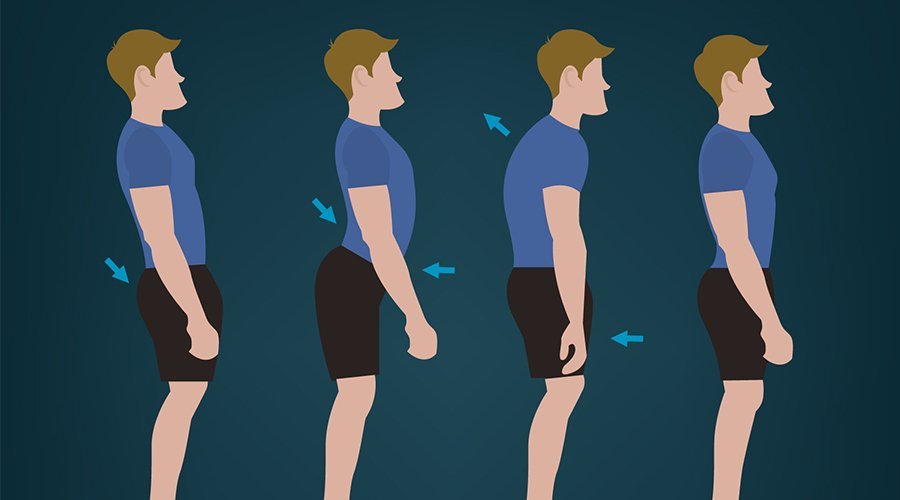
Many people struggle to maintain a straight back due to modern lifestyle factors that push the body out of alignment. Identifying the source of your slouching is the first step toward correction.
- Sedentary Work: Prolonged sitting at a desk often leads to “tech neck” and rounded shoulders.
- Weak Core Muscles: Without a strong abdominal wall, your lower back must overcompensate to support your torso.
- Improper Footwear: High heels or shoes with poor arch support shift your pelvic tilt and spinal balance.
- Repetitive Motions: Carrying heavy bags on one shoulder or leaning to one side frequently creates muscle imbalances.
Exercises For Spinal Alignment
To train your body to hold a straight back naturally, you must strengthen the posterior chain and release tight chest muscles. Consistency is the key to retraining your nervous system.
| Exercise Name | Target Muscle Group | Frequency |
|---|---|---|
| Cat-Cow Stretch | Spine Mobility | 2 sets of 10 |
| Plank Hold | Core Stability | 3 sets of 45s |
| Wall Angels | Upper Back/Shoulders | 3 sets of 12 |
| Bird Dog | Lower Back/Balance | 3 sets of 10 |
Ergonomic Tips For Daily Life
Your environment dictates your posture more than you might realize. If your chair is too low or your monitor is at the wrong height, your body will naturally collapse into a rounded position.
Adjusting Your Workspace
- Monitor Height: The top third of your screen should be at eye level so your chin remains parallel to the floor.
- Chair Support: Use a chair with lumbar support that keeps your lower back slightly arched inward.
- Keyboard Position: Keep your elbows at a 90-degree angle to prevent shoulder shrugging.
Pro Tip: Place a small sticky note on the corner of your monitor that says “check posture” to remind yourself to reset your shoulders every thirty minutes.
How To Fix Rounded Shoulders
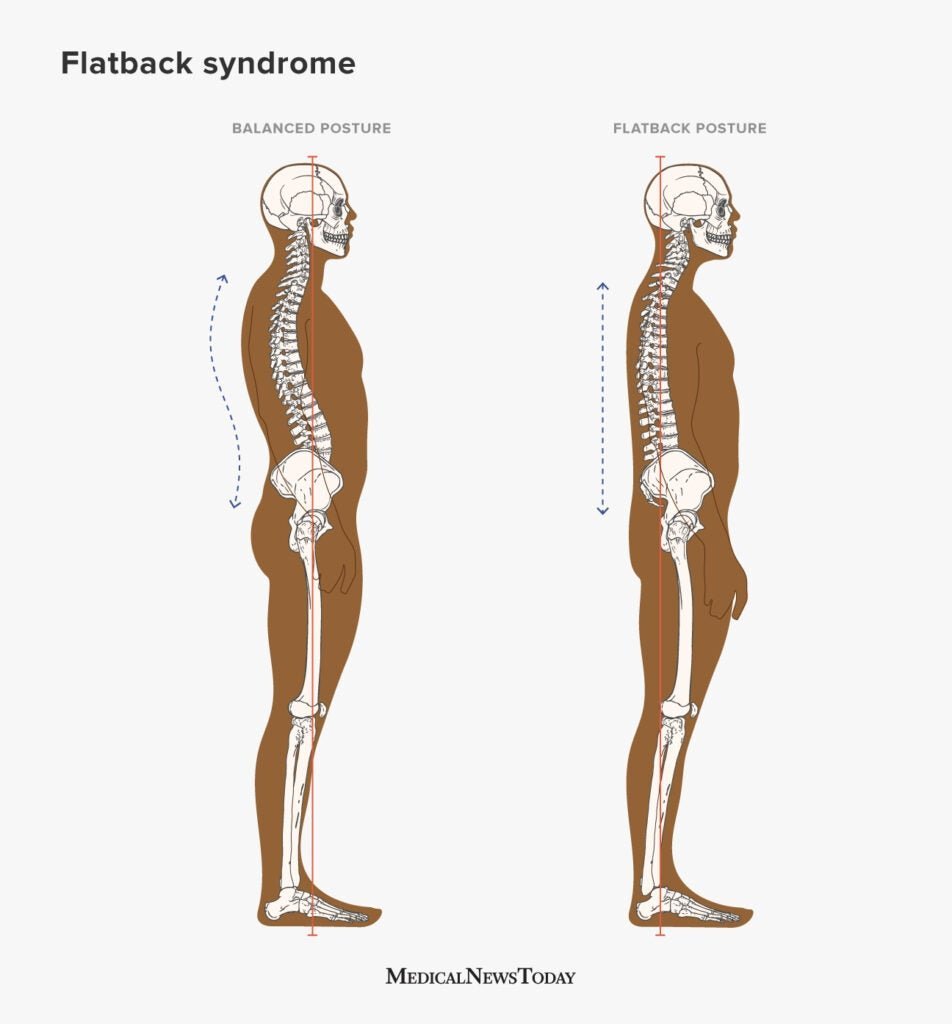
Rounded shoulders are perhaps the most visible indicator of a spine that has lost its neutral alignment. This condition often results from tight pectoral muscles pulling the shoulders forward. To correct this, focus on chest opening stretches and scapular retractions. By squeezing your shoulder blades together, you physically move your joints back into a balanced position. Incorporating rows and face pulls into your fitness routine is highly effective for building the strength required to keep your shoulders pinned back without constant conscious effort.
Frequently Asked Questions
Is a straight back the same as military posture?
No. Military posture often involves an exaggerated, rigid chest-out position that can strain the lower back. A healthy, straight back is a neutral, relaxed alignment where the spine maintains its natural S-curve without excessive tension.
How long does it take to improve posture?
With daily practice, you can see noticeable improvements in your postural awareness within two to four weeks. However, significant structural changes to muscle tightness and spinal habits usually require three to six months of consistent effort.
Can a mattress affect my spinal alignment?
Yes. A mattress that’s too soft will cause your hips to sink, creating an unnatural curve in your lower back. A medium-firm mattress typically provides the best support for maintaining a neutral spine while sleeping.
Does yoga help with spinal health?
Yoga is excellent for improving a straight back because it focuses on both flexibility and core strength. Poses like Mountain Pose, Cobra, and Child’s Pose are specifically designed to lengthen the spine and open the chest muscles that contribute to slouching.
Should I use a back brace?
Back braces can provide temporary support or pain relief, but they shouldn’t be a permanent crutch. If you rely on a brace, your core muscles may weaken over time. It’s better to rely on active muscle strengthening exercises to build your own natural support system.
Warning: If you experience sharp, shooting pain or numbness when attempting to straighten your back, consult with a medical professional immediately to rule out underlying structural issues like scoliosis or herniated discs.
Improving your posture is a process of unlearning years of bad habits. Start by setting up your workspace for success and performing simple mobility stretches every morning. Pay attention to how your body feels when you’re standing tall, and use that physical sensation as your benchmark throughout the day. Consistency with these small, daily adjustments will eventually make a straight back your body’s natural resting state.