

You can buy dining chairs through a wide variety of retailers ranging from high-end design boutiques to affordable big-box stores, with typical prices for a single chair falling between $80 and $600 depending on materials and brand prestige. Finding the right seating involves balancing your home’s aesthetic, the durability of the upholstery, and your budget. Whether you prefer the convenience of online shopping or the tactile experience of testing chairs in a physical showroom, understanding your options is the first step toward a successful purchase.
Key Takeaways
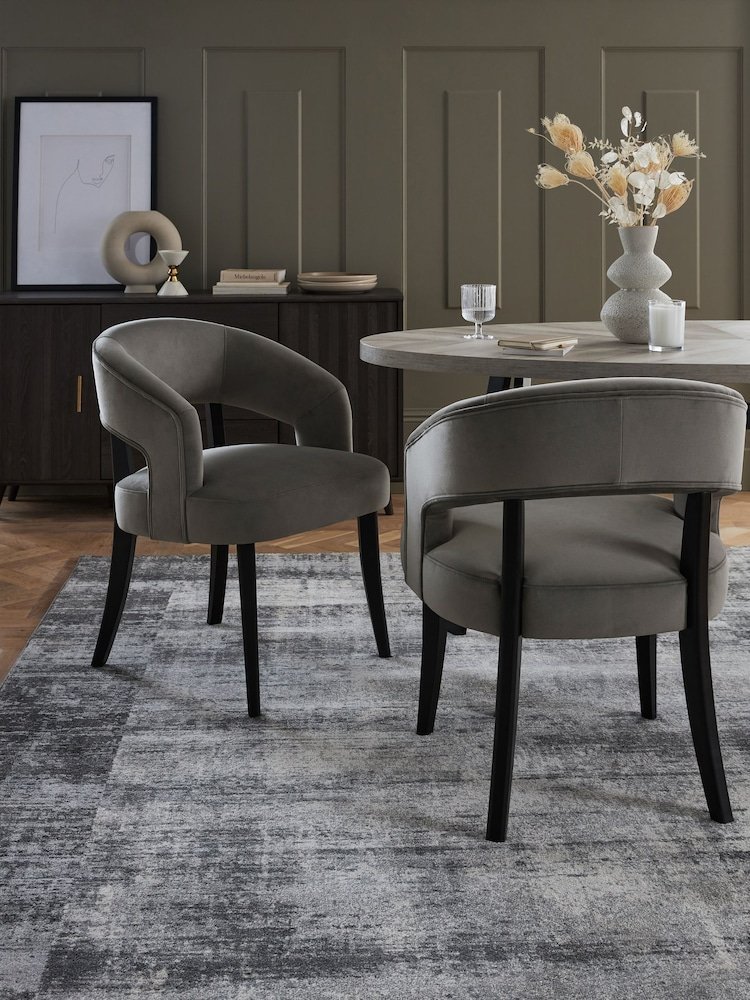
- Measure your table height to ensure your chairs provide at least 10 to 12 inches of legroom.
- Prioritize performance fabrics if you have young children or pets to ensure easier maintenance.
- Check the weight capacity of each chair to guarantee structural longevity for all guests.
- Compare shipping costs and return policies, as furniture returns often incur significant restocking fees.
- Test chairs in person whenever possible to evaluate the depth and firmness of the seat.
Where Can I Buy Dining Chairs?
Finding the perfect seating depends on your specific style and budget requirements. If you seek modern or minimalist designs, retailers like West Elm or CB2 offer curated selections. For those prioritizing affordability and assembly-ready furniture, IKEA or Target are reliable options. If you prefer high-end craftsmanship or custom upholstery, visiting local furniture galleries or specialized interior design showrooms is recommended.
| Retailer Category | Price Range | Best For |
|---|---|---|
| Big-Box Retailers | $50–$250 | Budget-conscious, quick delivery |
| Mid-Range Furniture Stores | $200–$600 | Style, durability, variety |
| Luxury Design Boutiques | $600–$2,000+ | Heirloom quality, custom fabrics |
How Much Should You Spend?
Establishing a budget early prevents overspending on features you may not need. While entry-level chairs offer basic functionality, premium investments often include superior joinery and sustainable materials. To determine your total cost, multiply the price per chair by the number of seats needed, and always account for potential shipping or white-glove delivery fees.
Warning: Always verify the weight capacity of your chosen chairs, as the United States Consumer Product Safety Commission provides detailed information on product safety standards that reputable manufacturers must follow to prevent structural failure.
Factors Affecting Your Chair Selection
Choosing the right chair involves more than just visual appeal. Consider the following variables to ensure your dining room remains both functional and comfortable for years to come.
- Seat Height: Standard dining tables are typically 28 to 30 inches high. Aim for a seat height of 18 to 20 inches.
- Upholstery: Leather is easy to wipe clean, while performance velvet or linen blends offer a softer, more textured aesthetic.
- Back Height: High-back chairs provide formal support, while low-profile chairs keep small spaces feeling open and airy.
Comparing Material Durability
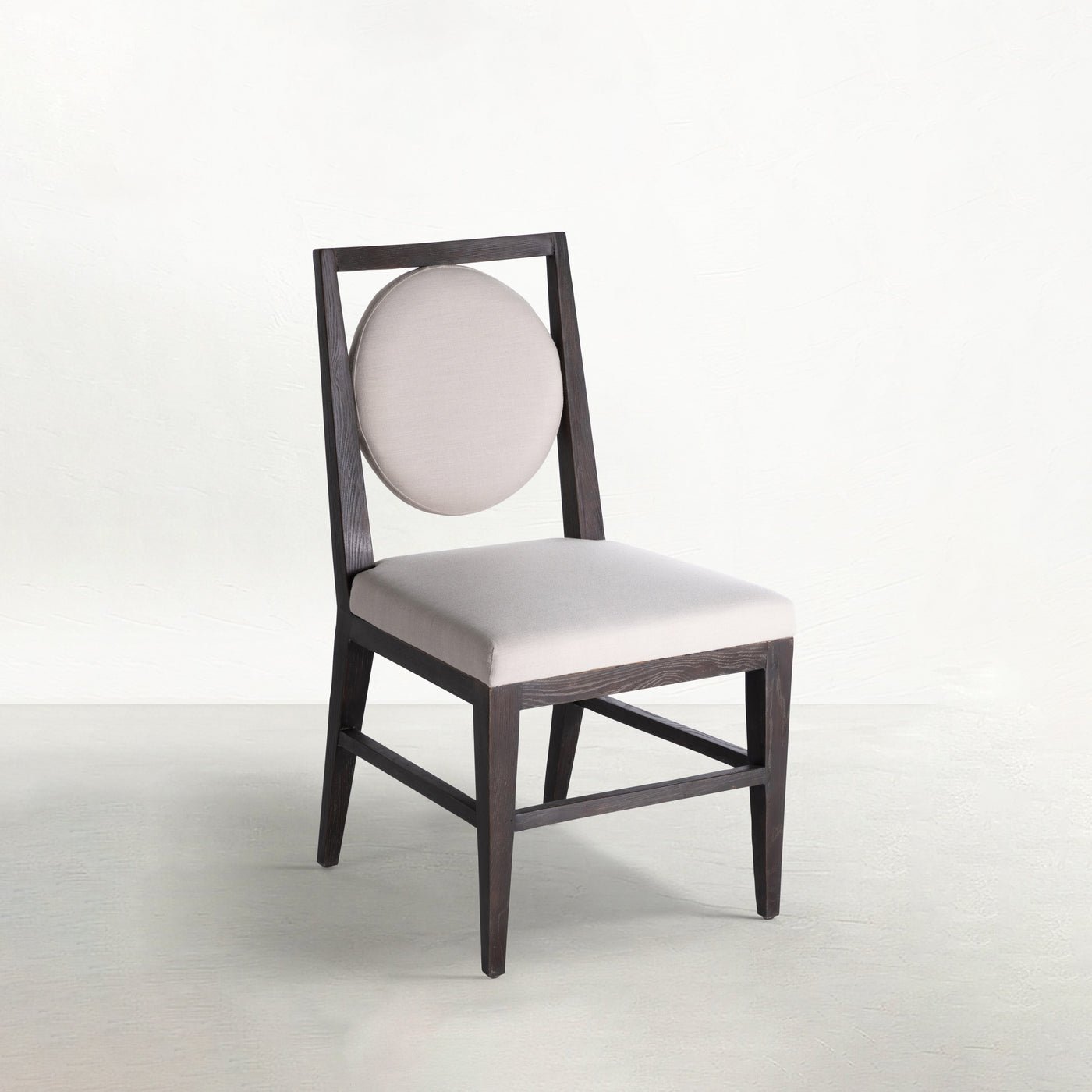
The longevity of your dining set depends heavily on the materials used in construction. Solid wood remains the gold standard for stability, but metal frames can provide a sleek, industrial aesthetic that’s highly resistant to wear and tear.
| Material Type | Maintenance Level | Best Application |
|---|---|---|
| Solid Wood | Moderate | Traditional, rustic, or farmhouse homes |
| Metal/Steel | Low | Modern, industrial, or high-traffic areas |
| Upholstered | High | Formal dining or extended seating sessions |
| Rattan/Wicker | Moderate | Coastal, bohemian, or casual breakfast nooks |
Essential Tips for Online Shopping
When buying furniture online, you can’t physically test the comfort level, so you must rely on product descriptions and customer feedback. Look for high-resolution images that show the chair from multiple angles, specifically focusing on the joints and leg attachments.
Pro Tip: Always order a fabric swatch if the retailer offers one, as colors often appear different on screens than they do in your home’s natural lighting.
Evaluating Comfort and Ergonomics
Comfort is subjective, but good ergonomics are universal. A chair that’s too deep can make it difficult to sit upright, while a chair that’s too shallow may feel flimsy. Ensure the width of the chair allows for adequate movement; usually, 18 to 22 inches of width is sufficient for most adults to sit comfortably without feeling crowded.
Maintenance and Care Requirements
Different materials require specific cleaning routines. Wood may need occasional oiling or polishing to prevent drying, while upholstered chairs may require professional cleaning or spot treatment. Always check the manufacturer’s care label to ensure you have the proper supplies before a spill occurs.
Managing Delivery and Assembly
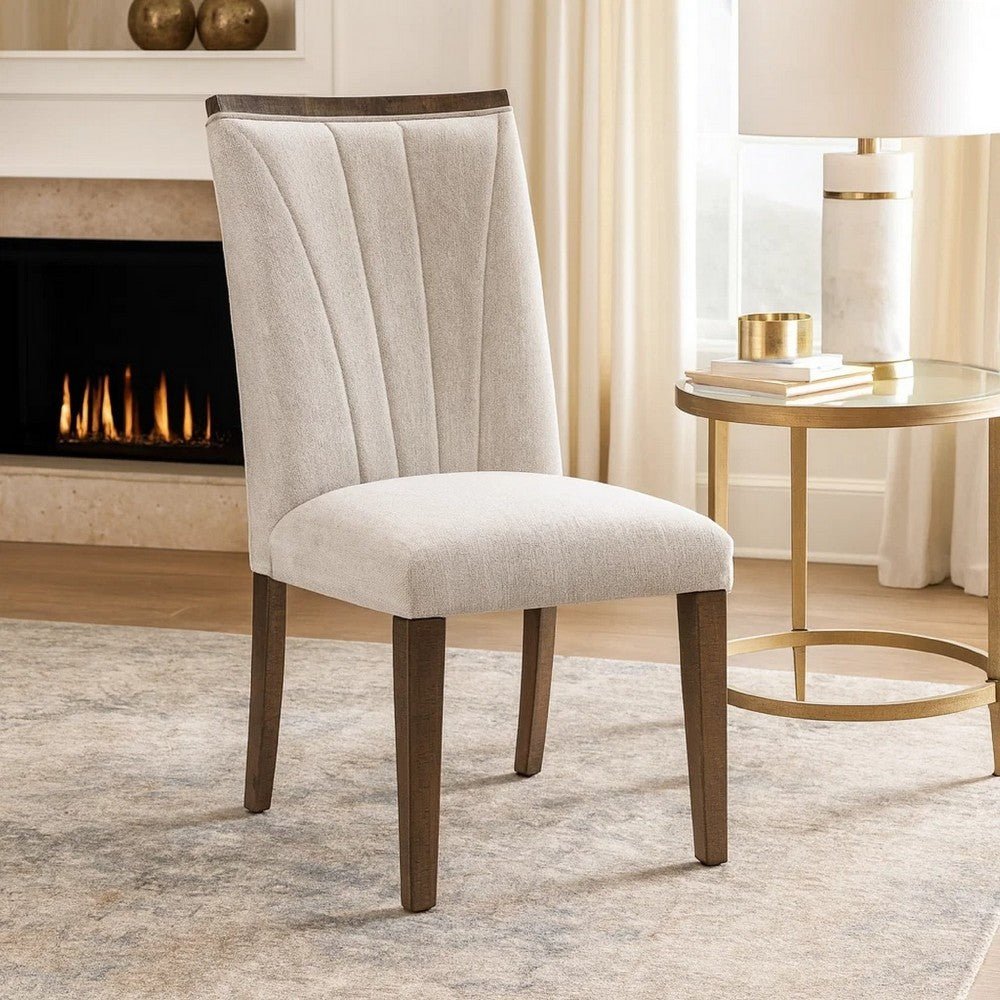
Many modern dining chairs arrive flat-packed, requiring assembly. If you aren’t confident with tools, look for retailers that offer “white-glove” delivery services. This service ensures that professionals assemble the chairs and remove all packaging materials from your home.
Related guides
Frequently Asked Questions
How many chairs do I need?
The number of chairs depends on the length of your table. Generally, allocate 24 inches of table edge per person to ensure everyone has enough elbow room. A standard rectangular table seating six usually requires three chairs on each side, while round tables require calculating the circumference to ensure chairs can be tucked in without overlapping.
Are armchairs better than side chairs?
Armchairs offer more support and comfort for long dinners, but they consume more space and may not fit under every table apron. Use armchairs at the head and foot of the table for a formal look, and use armless side chairs along the lengths to maximize seating capacity and maintain a clean, streamlined visual flow.
Can I mix and match styles?
Eclectic dining rooms are currently very popular. You can mix chairs of different colors or textures as long as they share a common element, such as a similar height or a consistent design era. Keeping the table as a neutral anchor allows you to be more adventurous with the chair styles you choose to incorporate.
How do I clean upholstered chairs?
Always check the cleaning code on the tag. Code “W” means you can use water-based cleaners, while “S” requires a solvent-based cleaner. If the tag says “X,” you should only vacuum the chair. For most households, performance fabrics are the best choice as they’re specifically engineered to resist stains and are often machine-washable or easily wiped down with mild soap.
What is the ideal chair height?
The ideal height is determined by the distance between the seat and the tabletop, known as the “apron clearance.” You want roughly 10 to 12 inches of space between the top of the seat and the underside of the table. This allows enough room for legs to move comfortably without hitting the table frame while eating or rising from the seat.
Taking the time to measure your space and understand the materials will ensure you invest in pieces that complement your lifestyle. Once you have identified your preferred style and verified the necessary dimensions, visit a trusted retailer to view their current inventory or order fabric samples to finalize your decision. Start by clearing your dining area and marking the floor to visualize how many chairs will fit comfortably.