

Writing an effective sales description for a sofa requires balancing technical specifications with emotional appeal to capture a buyer’s interest quickly. To successfully describe a sofa for sale, you must detail the physical dimensions, material composition, structural integrity, and the overall aesthetic style of the piece. By providing a transparent and organized overview, you reduce the number of redundant questions from potential buyers and increase the likelihood of a fast, successful transaction.
Key Takeaways
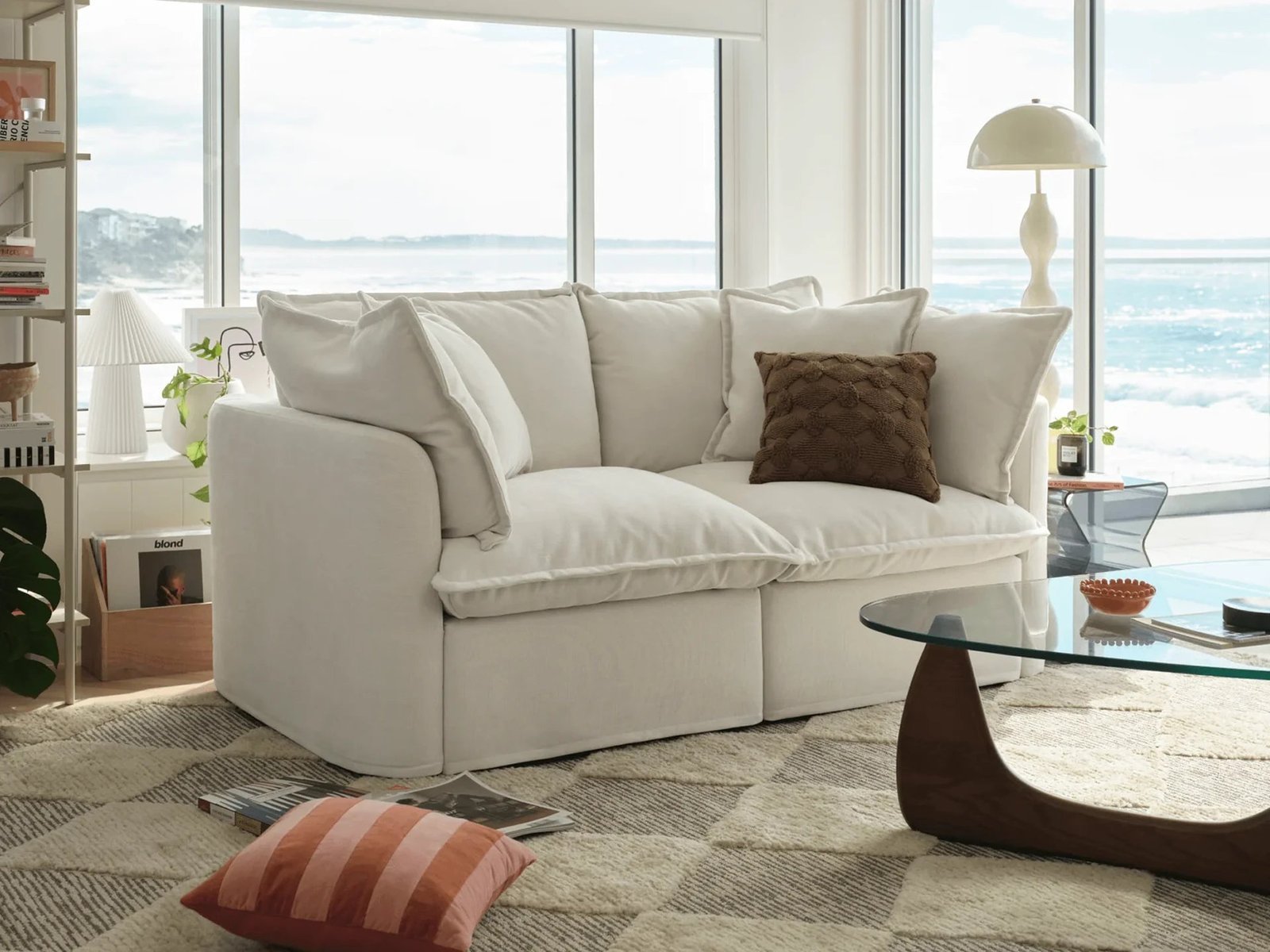
- Include exact dimensions to avoid unnecessary inquiries about room fit.
- Disclose all flaws honestly to build trust and prevent returns.
- Highlight the upholstery material and its durability for daily use.
- Categorize the style clearly to help buyers visualize the piece.
- Use high-resolution photos alongside your written description for impact.
How to Describe a Sofa for Sale
When drafting your listing, start with the most critical information: the condition and the primary features. A professional description should read like a narrative of the furniture’s life. Begin with the brand or model if known, followed by a brief summary of why the sofa is a great value. Use descriptive adjectives that convey comfort, such as “plush,” “firm,” or “supportive,” while remaining grounded in facts.
Essential Physical Measurements
Size is often the biggest hurdle in a furniture sale. You must provide the width, depth, and height of the sofa, as well as the seat height and depth for comfort verification. It’s also helpful to mention if the sofa can be disassembled, as this dictates how it will move through doorways or elevators.
| Measurement Type | Why It Matters |
|---|---|
| Overall Width | Determines if the piece fits your wall space. |
| Total Depth | Shows how far the sofa extends into the room. |
| Seat Height | Indicates how easy it’s to stand up. |
| Back Height | Shows if the sofa provides head support. |
Detailing Upholstery and Materials
Buyers want to know exactly what they’re sitting on. Be specific about the fabric type, such as top-grain leather, velvet, linen, or high-performance polyester. If the sofa has been professionally cleaned, state that clearly. Mentioning the frame construction, such as kiln-dried hardwood, adds significant value, as it indicates longevity and structural stability.
Pro Tip: Always mention if your home is smoke-free or pet-free, as these are common deal-breakers for buyers with allergies or sensitivities.
Assessing Condition and Wear
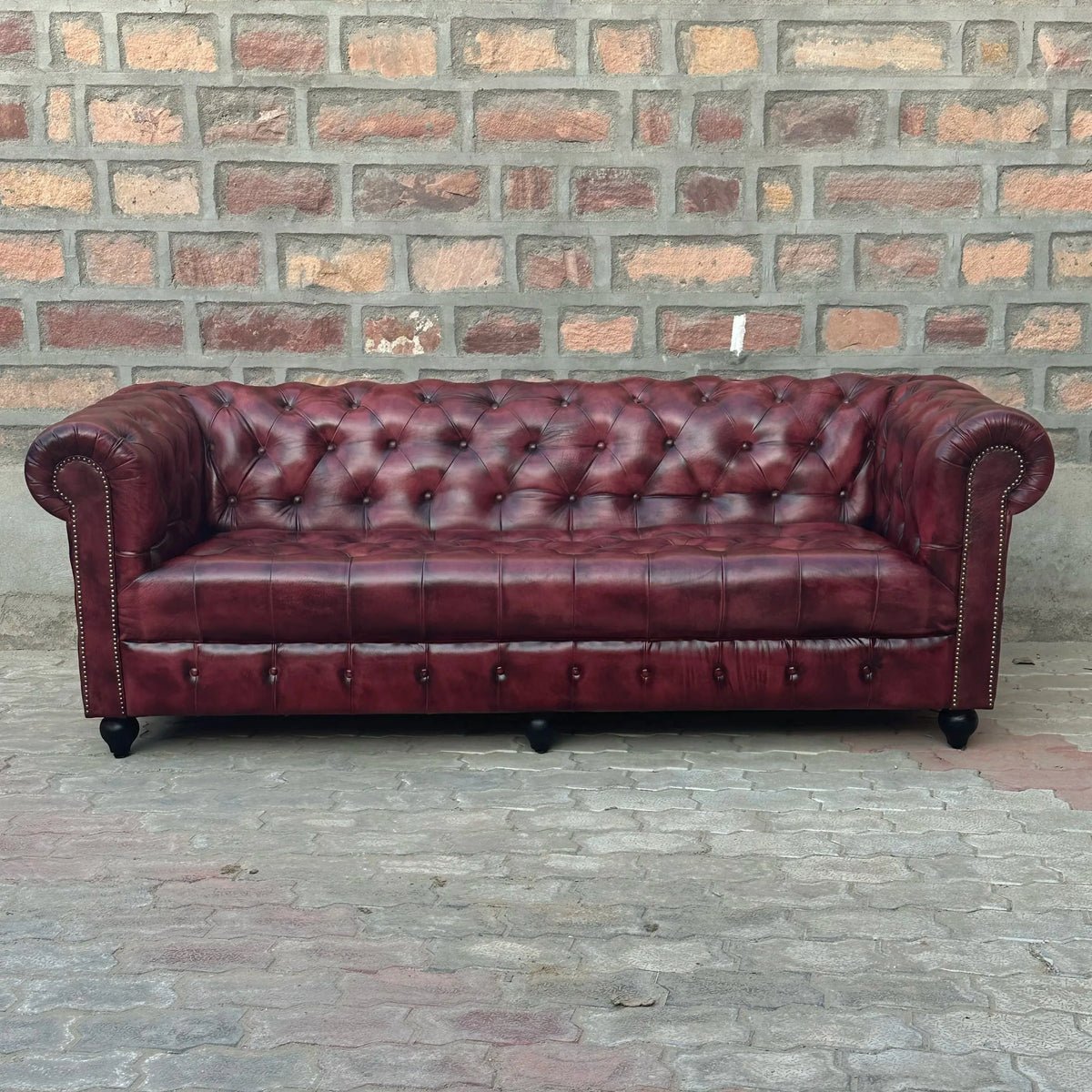
Honesty is the best policy when describing furniture. If there are stains, sun fading, or scratches, disclose them immediately. Use a scale or clear language to describe the state of the cushions. If the springs are sagging or the fabric is pilled, mention those details.
Determining Your Sofa Style
Categorizing your sofa helps buyers find it in search results. Is it mid-century modern, traditional, industrial, or minimalist? If you’re unsure, look for identifying features like tapered legs, track arms, or tufted back cushions. Using the correct design terminology helps attract the right audience who is already looking for that specific aesthetic for their home decor.
| Design Style | Key Visual Indicators |
|---|---|
| Mid-Century Modern | Tapered wooden legs, clean lines. |
| Traditional | Rolled arms, skirted base, intricate wood. |
| Industrial | Distressed leather, exposed metal frames. |
| Minimalist | Low profile, neutral colors, simple shapes. |
Why Should You Mention Maintenance?
If you have cared for the piece well, tell the buyer how to keep it looking new. Mention if the covers are removable and machine washable, or if the leather requires specific conditioning products. Providing a short care routine suggests that you have been a responsible owner, which gives the buyer confidence that the sofa has been treated with respect.
What Are the Best Selling Platforms?
Choosing where to list your sofa can dictate how you write your description. Some platforms require short, punchy headlines, while others allow for long-form storytelling. Research the current market to see how similar items are priced and described.
- Facebook Marketplace for local, quick sales.
- OfferUp for streamlined mobile-first interactions.
- Chairish for high-end, vintage, or designer pieces.
- Craigslist for a broad, traditional local reach.
Warning: Never share your personal home address or phone number in the public description; keep all communication within the platform’s secure messaging system until you have confirmed a buyer.
Frequently Asked Questions
Should I include the original purchase price?
Including the original price is helpful because it establishes the value of the item, especially if it’s a high-end brand. It shows the buyer the discount they’re receiving compared to retail. However, focus primarily on the current condition and why it’s a fair deal for the buyer today rather than just the historical cost.
How do I handle negotiation in the description?
It’s best to state “price is firm” or “open to reasonable offers” at the very end of your listing. This sets boundaries early and prevents low-ball offers that waste your time. If you’re willing to negotiate, keep your starting price slightly higher than your bottom line to allow room for a polite haggle during the transaction.
Should I mention why I am selling?
You don’t need to provide an elaborate reason, but a brief, neutral mention like “moving to a smaller space” or “redecorating” can help. It provides a sense of legitimacy to the sale and assures the buyer that the sofa isn’t being sold because of a hidden defect or pest issue. Keep it brief and professional.
How many photos should I provide?
Aim for at least five to eight high-quality photos. You should include a full front shot, side profile, a close-up of the fabric texture, a shot of the legs, and a clear photo of any flaws or wear. Good lighting is essential; take pictures during the day near a window to ensure the colors are represented accurately to the buyer.
What if the sofa is very heavy?
Clearly state that the buyer is responsible for moving the furniture. Mention if it’s located on a ground floor or if it requires a flight of stairs, as this affects the logistics of the pickup. If you can’t help move it, explicitly state “buyer must bring help to move” to avoid any awkward situations when the buyer arrives to collect it.
Once your description is polished and your photos are uploaded, double-check that your contact preferences are set correctly. Ensure you’re ready to respond to inquiries promptly, as furniture often sells to the first person who asks a relevant question and schedules a viewing. Good luck with your sale and your next furniture project.