
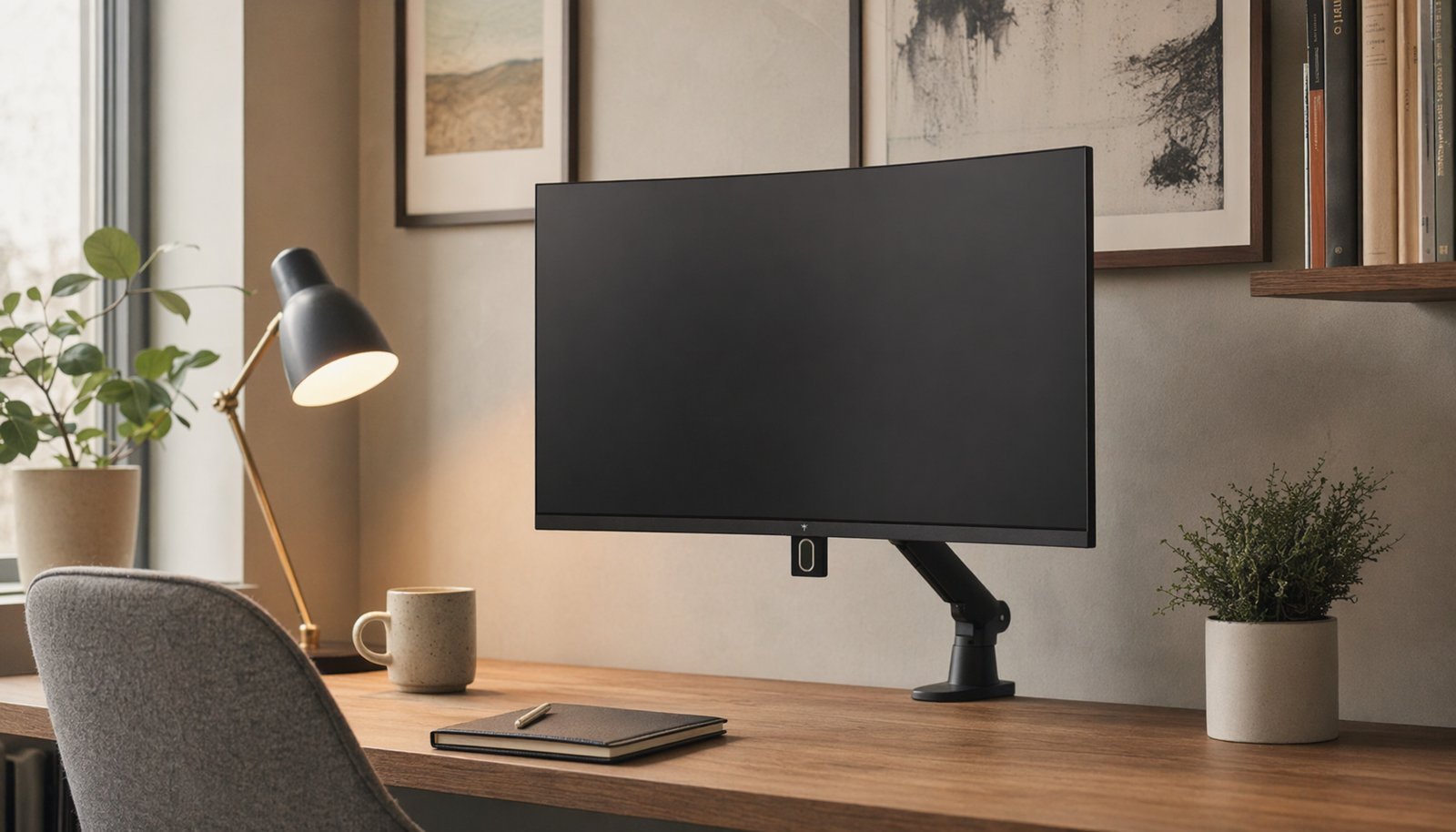
Choosing a desk that matches your home decor requires balancing aesthetic consistency with functional requirements by analyzing existing furniture profiles, color palettes, and material textures. The process involves identifying your room’s dominant style, measuring your available floor space, and selecting finishes that complement rather than clash with your current interior design scheme. By focusing on cohesive design elements, you ensure your workspace feels like a natural extension of your living area rather than an intrusive addition.
Key Takeaways
- Identify your room’s primary style, such as Scandinavian, industrial, or mid-century, before browsing.
- Prioritize consistent wood tones or metallic finishes to maintain visual harmony across the room.
- Measure your footprint accurately to avoid overcrowding or choosing a desk that looks disproportionately small.
- Use a neutral base for the desk if your current decor features high-contrast patterns or bold colors.
- Evaluate the desk profile—legs versus storage cabinets—to match the weight of surrounding furniture.
Analyzing Your Current Interior Style
To ensure your new desk integrates seamlessly, categorize your room into a specific design language. If your space features clean lines, light woods, and functional minimalism, a Scandinavian desk with tapered legs is ideal. Conversely, if your home features exposed brick, dark metal, or raw wood, an industrial-style desk with a powder-coated steel frame will better suit the environment.
| Style Category | Key Material | Design Profile |
|---|---|---|
| Mid-Century | Walnut or Teak | Organic curves, tapered legs |
| Industrial | Reclaimed wood/iron | Boxy, heavy, raw textures |
| Modern Minimalist | White lacquer/glass | Geometric, sleek, hidden storage |
| Traditional | Mahogany or Cherry | Ornate carvings, brass hardware |
How to Choose a Desk That Matches Home Decor
Start by assessing the “visual weight” of your existing furniture. If your room is filled with heavy, upholstered pieces, a glass or acrylic desk can prevent the space from feeling cramped. If your room is sparse, a solid wood desk can serve as a grounding anchor. Focus on the color temperature of your room; warm-toned floors and walls pair best with oak or walnut, while cool-toned palettes benefit from gray-washed woods or matte black finishes.
Selecting the Right Material
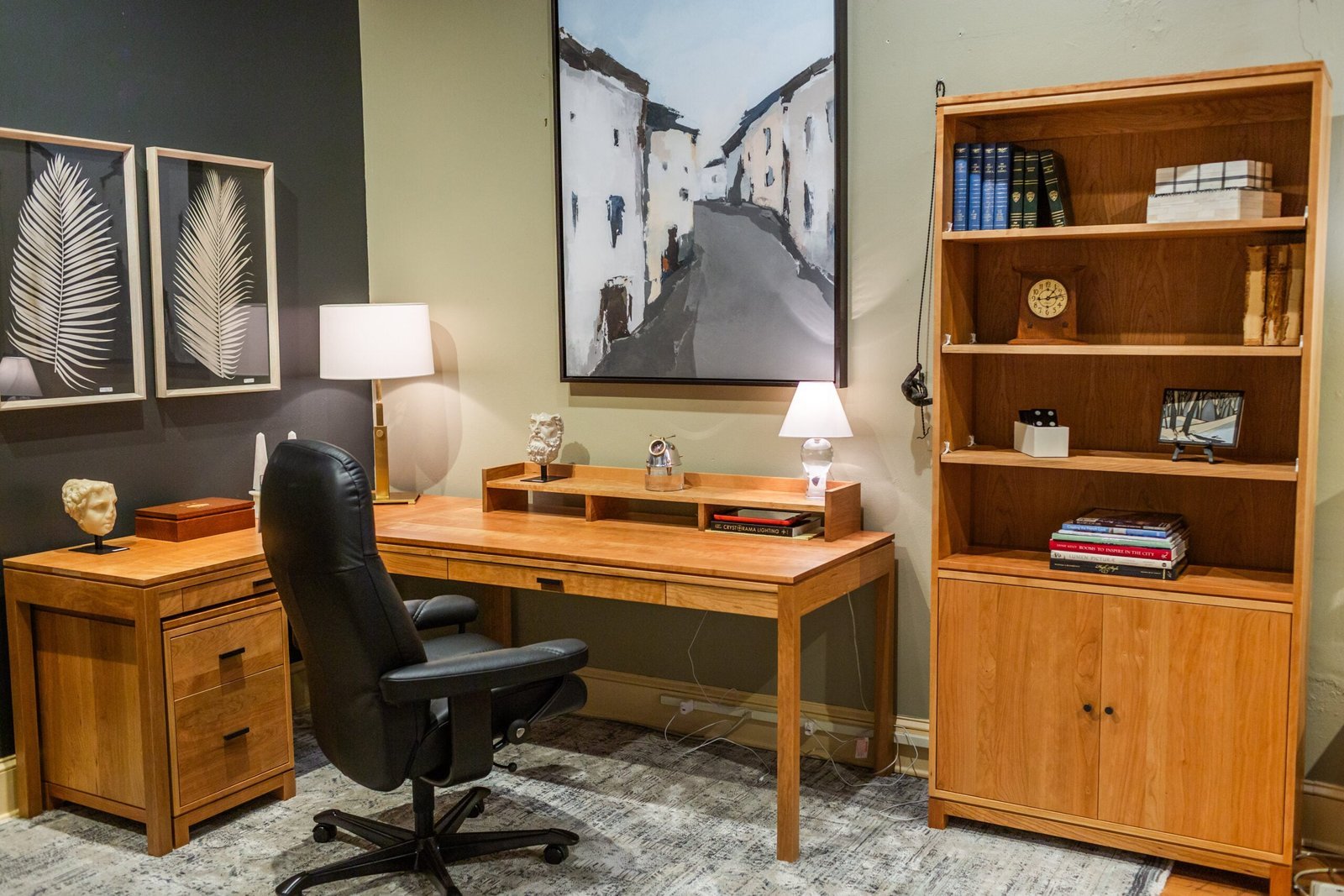
Material selection is the bridge between utility and style. Match the material of your desk to other surfaces in the room, such as bookshelves, coffee tables, or sideboards. If you have a matching set of furniture, avoid adding a new piece that introduces a competing wood grain or metal finish.
- Solid Hardwoods: Best for traditional or farmhouse aesthetics.
- Engineered Wood/Laminate: Versatile for modern, budget-friendly setups.
- Metal and Glass: Excellent for tight spaces or contemporary lofts.
Does the Desk Shape Matter?
The silhouette of your desk impacts the flow of the room. A rectangular desk is a standard choice, but a corner desk might be necessary if you’re tucked away in a living area. According to the U.S. General Services Administration standards, ensuring proper clearance around your furniture is essential for safety and comfort in any workspace layout. A rounded or oval desk softens the room if you have many sharp, angular furniture pieces nearby.
Managing Color and Texture
Consistency is achieved through repetition. If you have brass cabinet pulls in your kitchen or living room, look for a desk with brass hardware or metallic legs. If your room features bold textiles or patterned rugs, choose a desk with a neutral finish to avoid visual noise.
Pro Tip: Use a paint swatch or wood sample from your existing furniture when shopping to compare against potential desk finishes under different lighting conditions.
Balancing Function and Aesthetics
A beautiful desk is useless if it hampers your workflow. Prioritize ergonomics while keeping the design simple. Look for integrated cable management systems, which prevent unsightly cords from ruining the clean lines of your carefully chosen decor. A clutter-free workspace is the easiest way to ensure the desk remains a stylish feature rather than a disorganized eyesore.
Integrating Storage Without Bulk
If you need storage, choose pieces that mimic the cabinetry already present in your home. If your room has floor-to-ceiling bookshelves, a desk with a matching hutch can look like a built-in unit. Avoid oversized filing cabinets if your home is small; instead, opt for slim drawers or floating wall shelves to keep the floor space open.
Frequently Asked Questions
Should the desk match the floor color?
It doesn’t need to match exactly, but it should harmonize. Aim for a contrast of at least two shades lighter or darker than your floor to prevent the desk from disappearing or clashing. If you have dark hardwood floors, a light-toned wood or white desk provides a crisp, intentional look that prevents the room from feeling too heavy or dark.
Can I mix metal and wood finishes?
Yes, mixing materials is acceptable if you maintain a consistent color temperature. For example, a warm walnut wood top paired with matte black metal legs works well in most modern homes. The key is to pick one dominant material that ties back to your existing furniture and use the secondary material as an accent throughout the room.
How do I make a cheap desk look expensive?
Swap out standard hardware for high-quality metal pulls, such as brushed brass or matte black handles. Adding a desk pad, a high-quality lamp, and a well-styled chair can significantly elevate the appearance of a basic desk. Proper cable management and keeping the surface clear of unnecessary items also make a budget piece look more refined and intentional.
What size desk fits a small room?
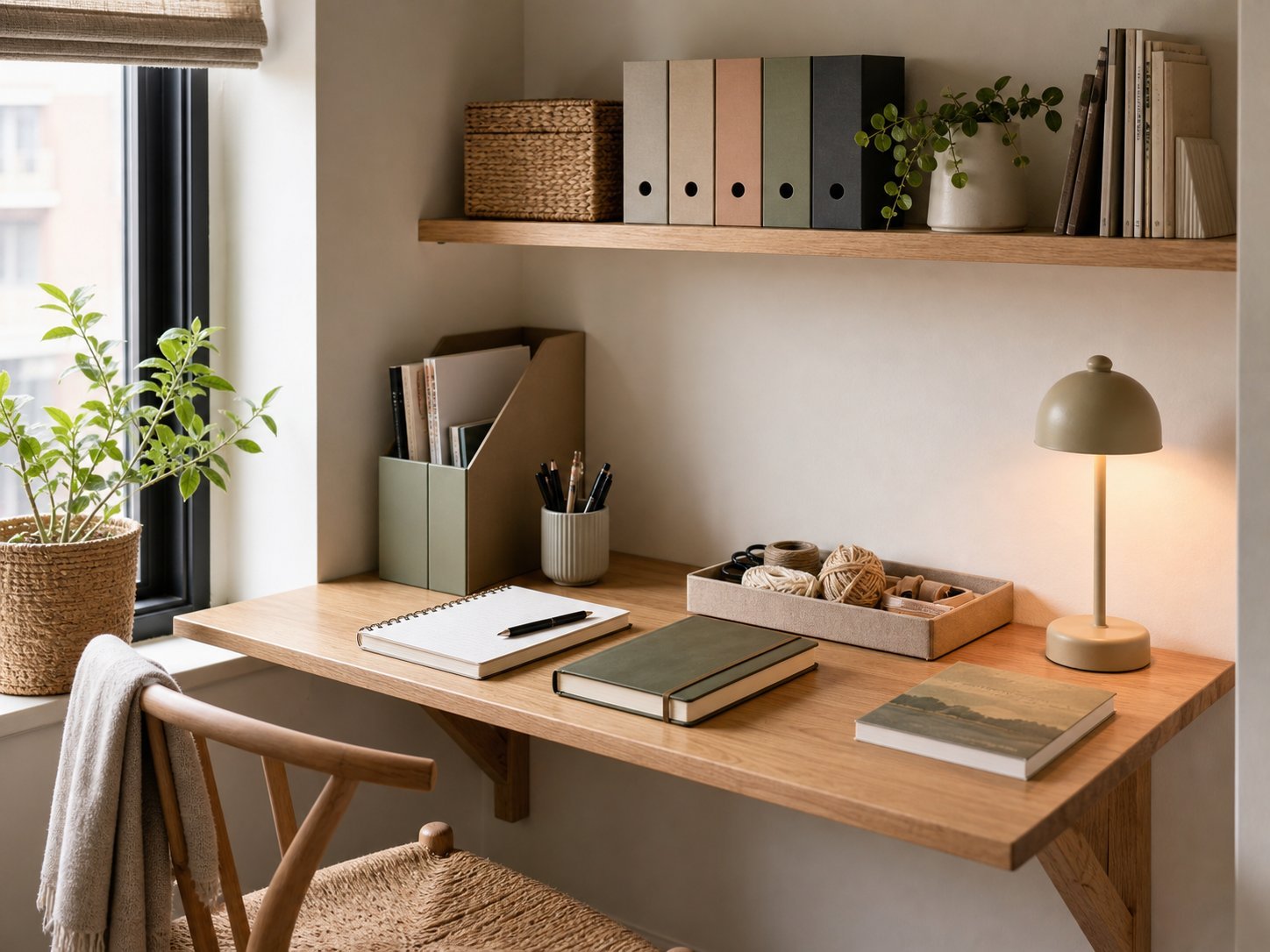
For small spaces, look for desks with a depth of 20 to 24 inches. A wall-mounted floating desk is the best option for tight areas as it eliminates legs and creates an airy, open feel. If you must have a floor-standing model, look for one with an open frame rather than solid side panels to ensure light can pass through.
How do I style a desk in a living room?
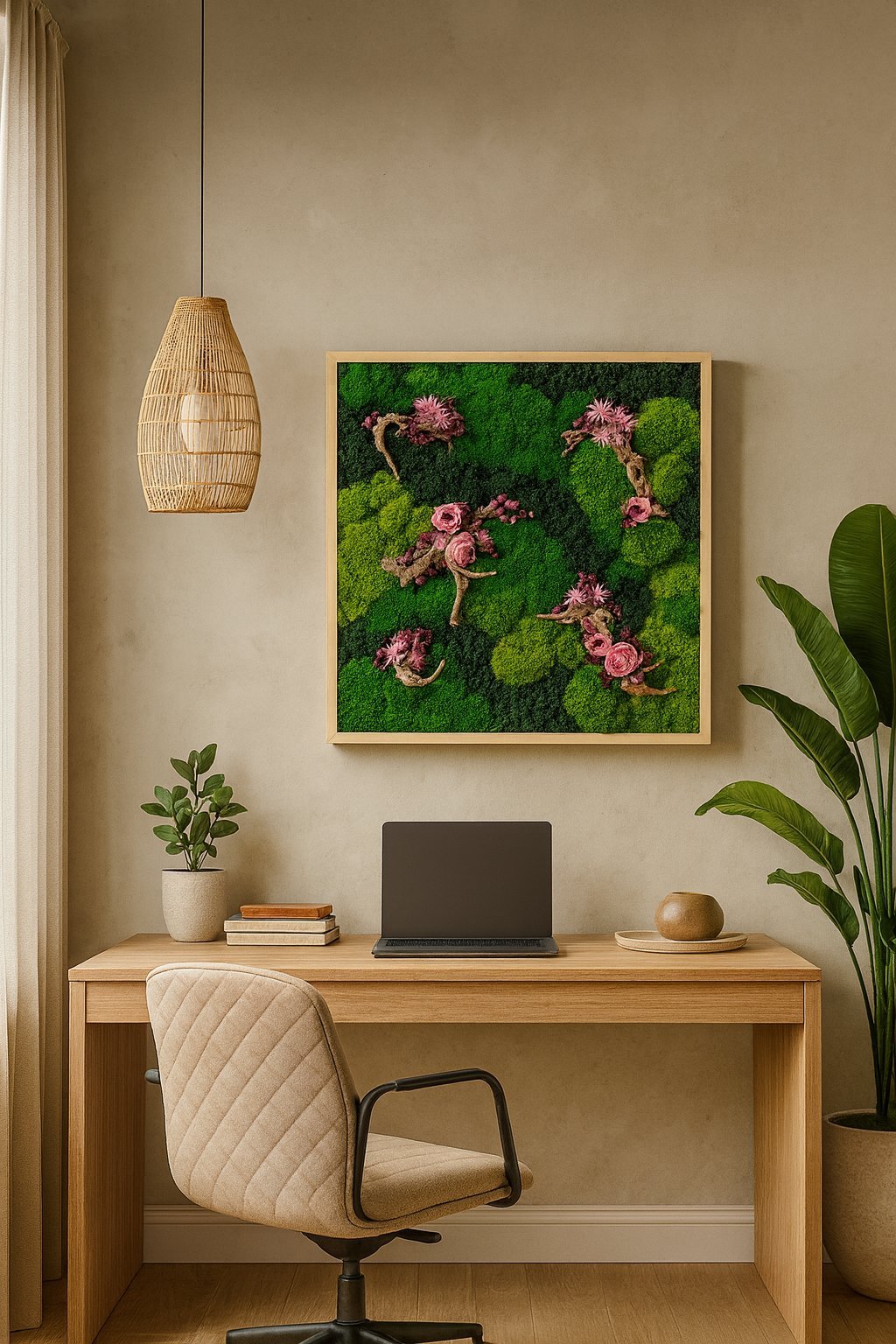
Treat the desk as a piece of display furniture rather than just an office tool. Use the surface for decorative items like a small plant, a stack of books, or a piece of art when you aren’t working. Choosing a chair that matches your living room’s seating upholstery will help the workspace blend into the room’s overall design.
Selecting the right desk is about patience and observation. Take a photo of your room to reference while shopping to ensure the scale, color, and material align with your vision. Once you have identified the ideal dimensions and finish, commit to a piece that balances your professional needs with the aesthetic harmony of your home, and your workspace will quickly become your favorite room feature.