
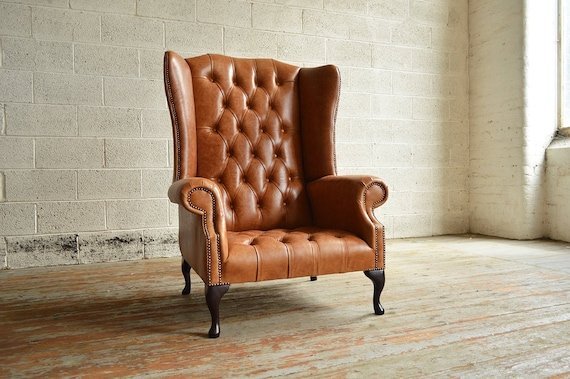
A standard armchair is typically 30 to 40 inches wide, 30 to 40 inches deep, and 30 to 40 inches tall. Because how big is an armchair depends on the specific design, you should always check the manufacturer’s dimensions before you buy to ensure it fits your floor plan.
The most important factor is the clearance space around the piece. Many people make the mistake of measuring only the chair itself without accounting for the “traffic” lanes. You need at least 18 inches of walking space between the chair and other furniture to avoid a cramped room. If you’re putting the chair in a corner, verify that the recliner mechanism or backrest doesn’t hit the wall when fully extended.
Measuring for Your Space
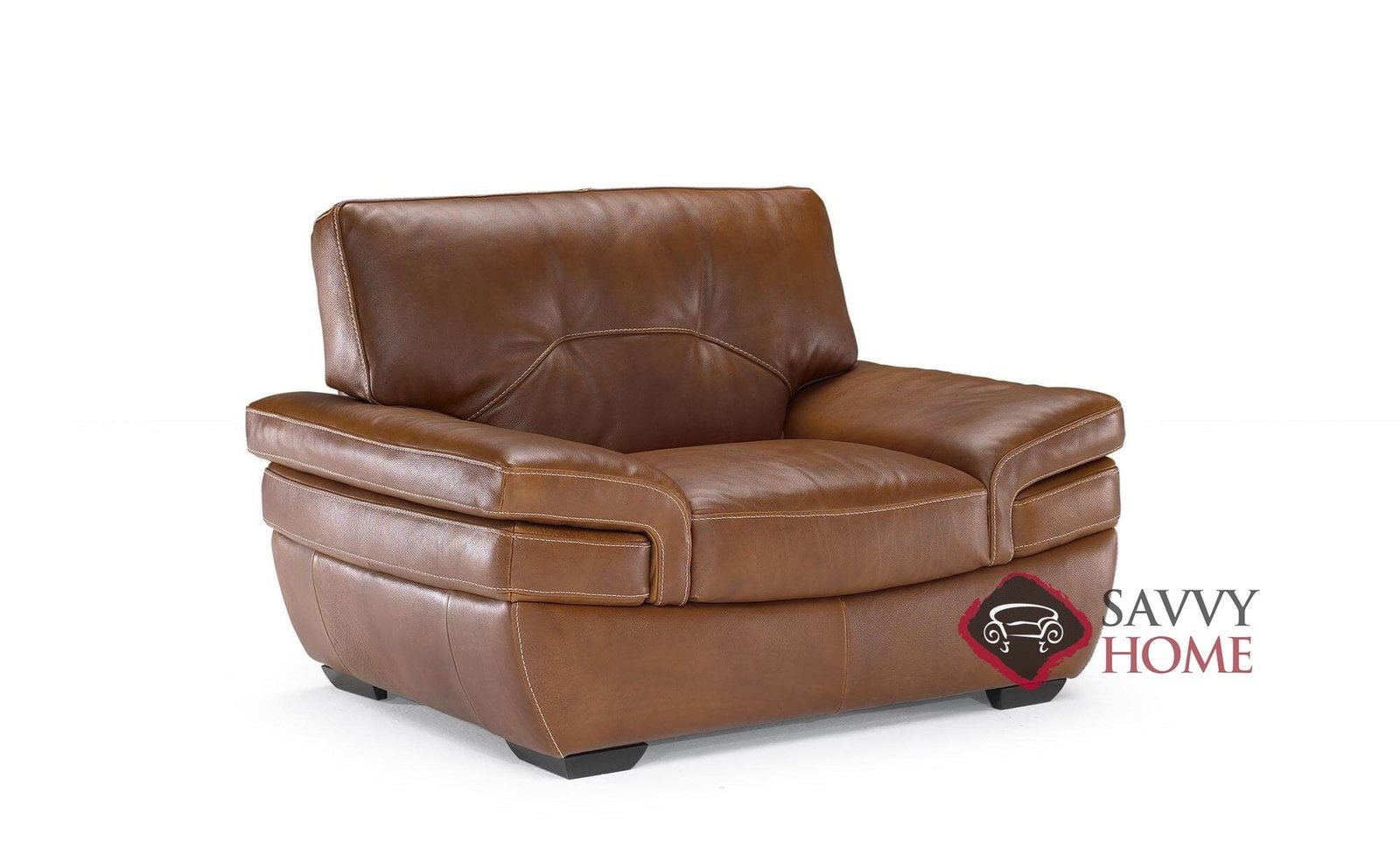
- Measure the total width of the area where you want to place the chair.
- Record the depth of the chair, noting whether it’s a stationary piece or a recliner that requires extra floor space.
- Check the height of the backrest to ensure it doesn’t block a window or look too small against a high wall.
- Use painter’s tape on your floor to outline the footprint of the chair based on the manufacturer’s specifications.
- Walk around the taped area to confirm that the chair size allows for easy movement in the room.
Tip: If you have narrow doorways, measure the width of the chair frame without the legs, as many modern designs allow you to unscrew them to gain an extra two inches of clearance.
How Big Is an Armchair by Type
| Chair Type | Average Width | Average Depth | Average Height |
|---|---|---|---|
| Accent Chair | 26–32 inches | 28–32 inches | 30–35 inches |
| Club Chair | 33–40 inches | 35–40 inches | 32–38 inches |
| Recliner | 32–40 inches | 35–65 inches | 36–42 inches |
| Wingback | 30–36 inches | 30–35 inches | 38–45 inches |
This table assumes standard adult sizing; for oversized or “chair-and-a-half” models, you should expect the width to increase by at least 10 to 15 inches. If your room feels small, opt for a chair with exposed legs rather than a skirted base, as seeing the floor underneath creates an illusion of more space. According to the ADA Standards for Accessible Design, pathways should generally remain at least 36 inches wide to accommodate mobility devices, so keep this in mind if you’re arranging a living space for all users.
Signs You Have the Right Size
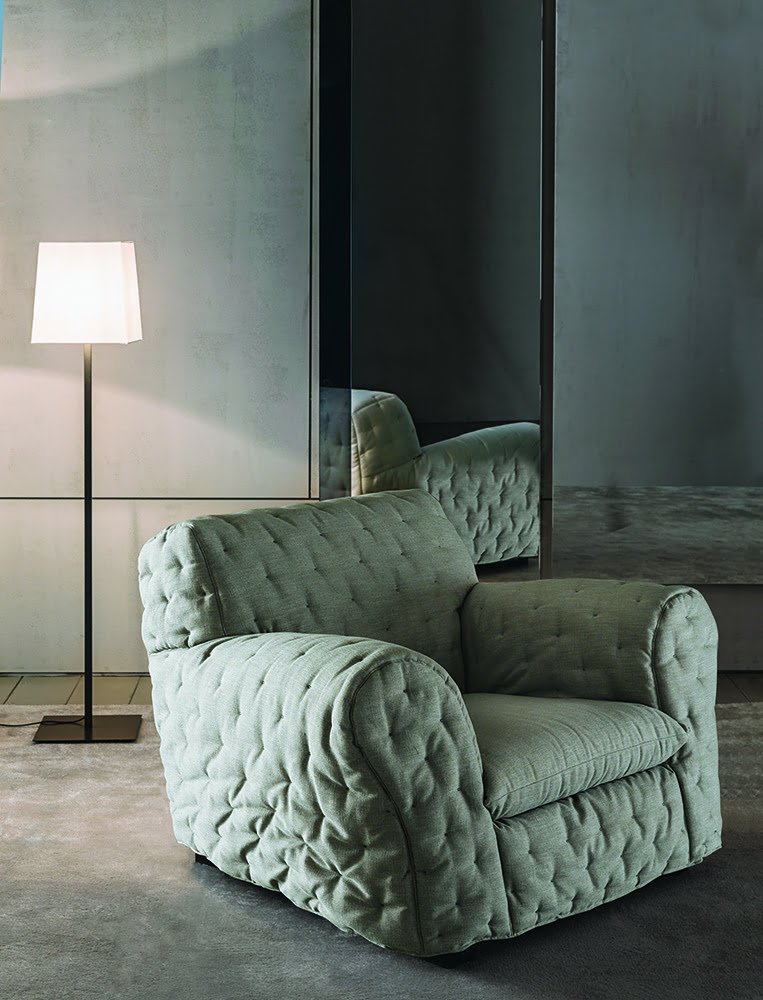
You can tell the chair fits when the scale matches the nearby sofa and side tables. A chair is properly scaled if the top of its backrest is roughly level with or slightly lower than the back of your sofa. If the armrests sit at the same height as your other furniture, the room will look balanced. The ultimate test is the “reach test”: if you can sit down and easily place a drink on a side table without leaning too far, the chair is perfectly positioned for your comfort.
Common Furniture Mistakes
- Ignoring the swing of a door. If you place a large armchair too close to an entrance, it may prevent the door from opening fully or cause damage to the upholstery. Always measure the full arc of your door swing before finalizing the chair’s location.
- Buying for looks instead of reach. Choosing a chair that’s too deep for your height makes it difficult to get out of the seat easily. Check the seat depth against your own leg length to ensure your feet rest flat on the floor while your back stays supported.
- Blocking natural light. Placing a tall wingback chair directly in front of a window can darken your room significantly. Shift the chair to the side of the window to keep the room bright and airy.
Frequently asked questions
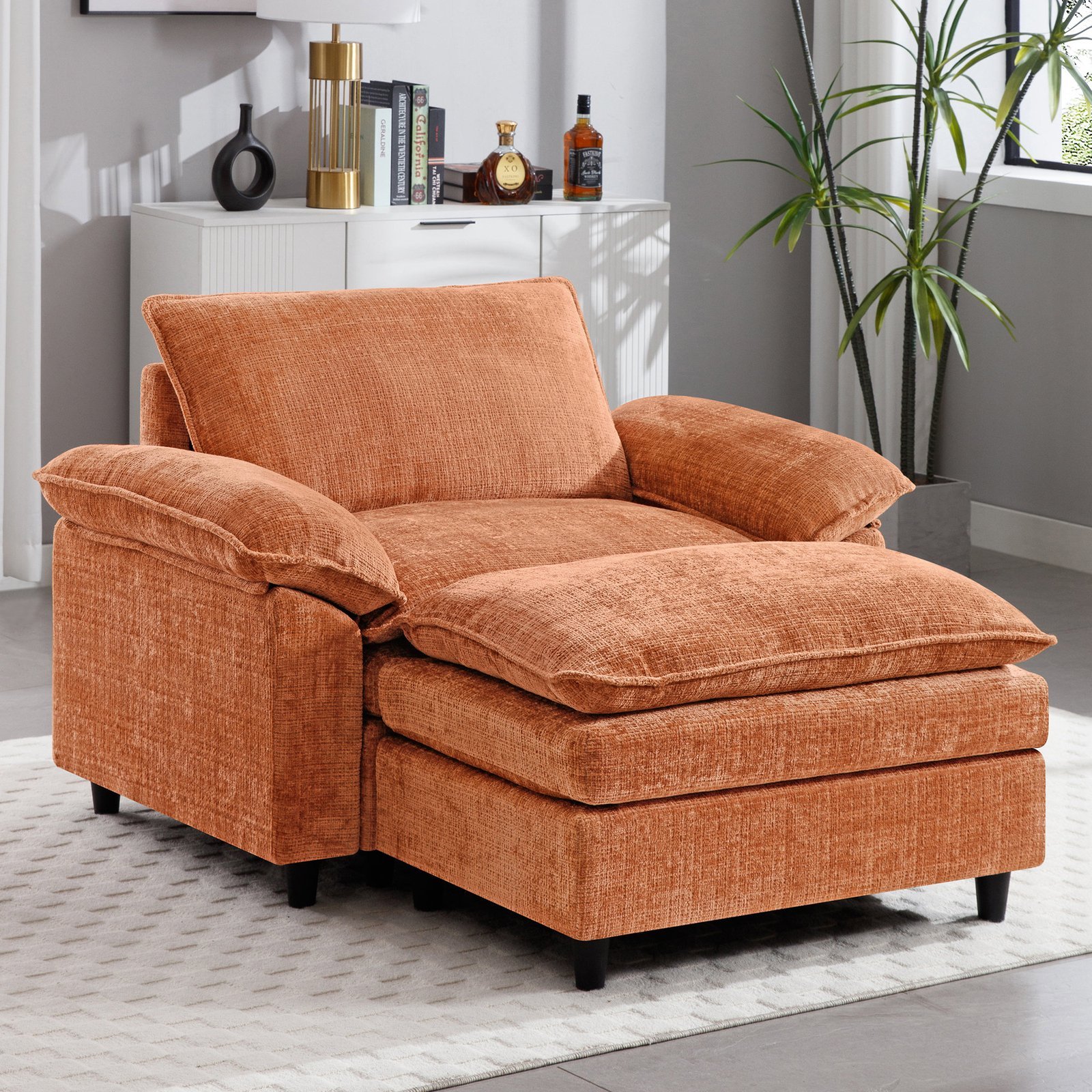
How much space do I need for a recliner?
You need at least 12 to 18 inches of clearance between the back of the recliner and the wall to allow for full extension. Always check the manufacturer’s “wall-hugger” specifications if your space is limited, as some models are designed to slide forward rather than tilting back.
Is it safe to put an armchair in front of a heater?
No, it isn’t safe to place furniture directly against or within three feet of a heating source. Follow the National Fire Protection Association guidelines, which state that keeping furniture away from heaters prevents the fabric from overheating and reduces the risk of fire.
How wide is a standard accent chair?
A standard accent chair is usually between 26 and 32 inches wide. This size is ideal for small corners or entryways where a full-sized club chair would look too bulky or block the natural flow of the room.
How can I tell if a chair will fit through my door?
You can determine this by measuring the narrowest point of your door frame and comparing it to the width of the chair. If the chair is wider than the door, check if the legs are removable, as this often reduces the height enough to allow for passage.
What happens if the chair is too big for the room?
If the chair is too big, it will create “visual weight” that makes the room feel cramped and limits your movement. You’ll likely find that it blocks traffic paths, making the space feel cluttered and difficult to navigate on a daily basis.
How high should my armchair be?
An armchair’s seat height should typically be between 17 and 19 inches from the floor to the top of the cushion. This standard height allows most adults to sit down and stand up comfortably without putting excessive strain on their knees or hips.
Big armchair, in short
Before you finalize your choice, grab a piece of painter’s tape and mark the chair’s footprint directly onto your living room floor. You’ll quickly see if the piece leaves enough space to walk around comfortably. It’s a simple trick that ensures you won’t feel cramped once your new furniture arrives.