
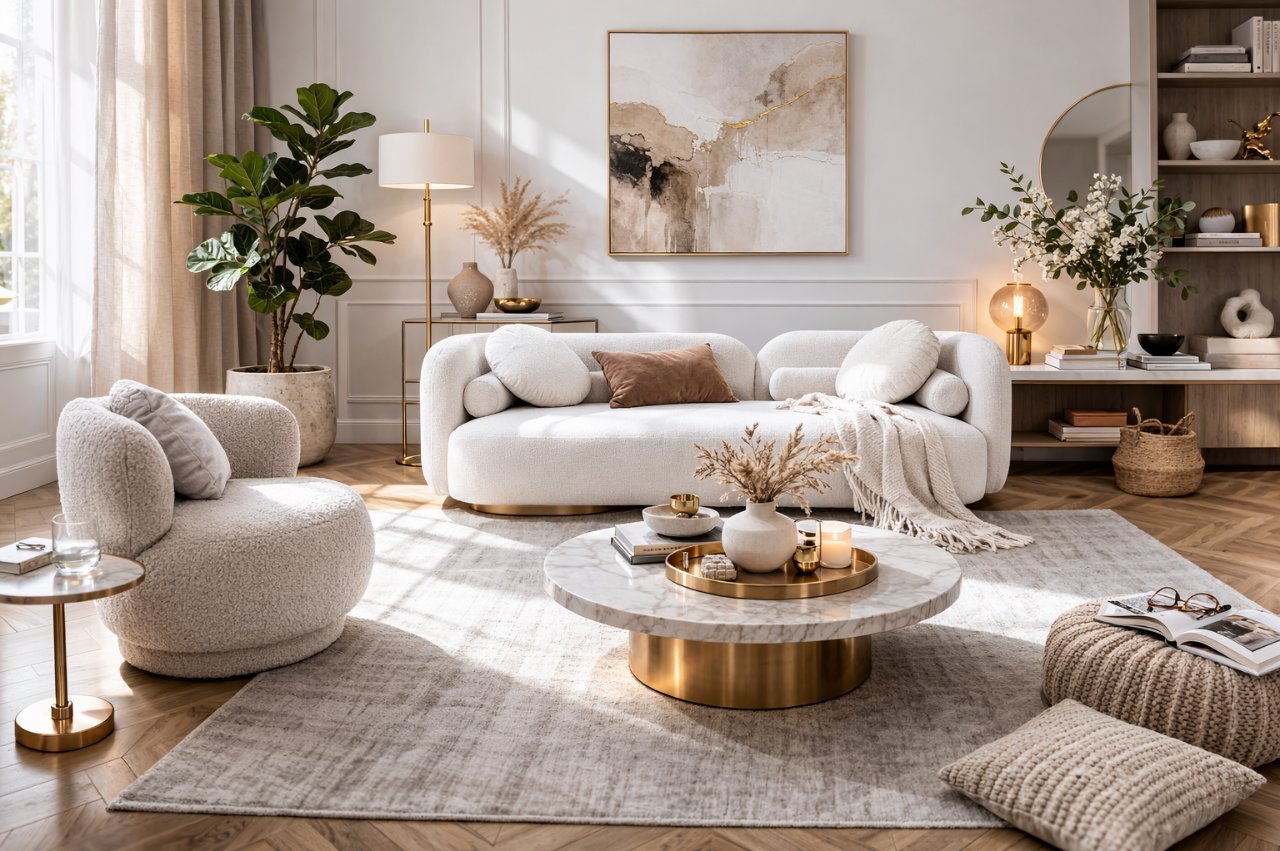
Pairing chairs with a sofa requires balancing scale, color, and texture to create a cohesive living space that feels curated rather than cluttered. By focusing on the visual weight of your furniture, you can ensure that your accent chairs complement your primary seating without overwhelming the room’s layout. Successful coordination depends on identifying a common thread, such as a shared wood tone, a repetitive fabric pattern, or a consistent design era that anchors the grouping.
Key Takeaways
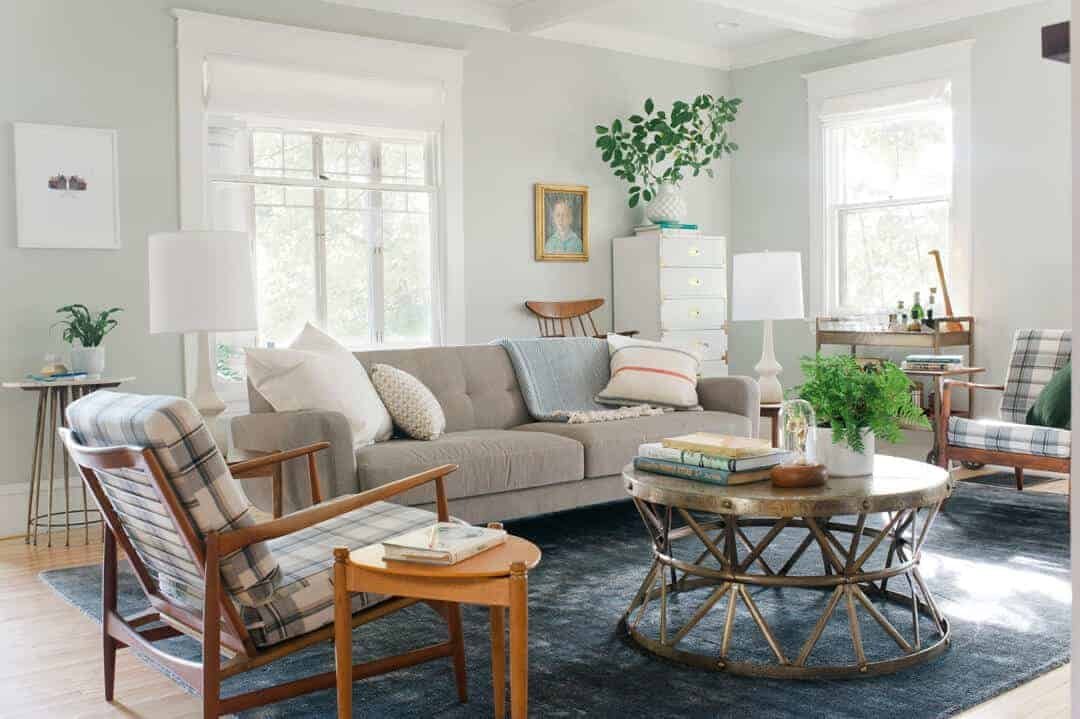
- Match the seat height of your chairs to your sofa to ensure a comfortable, conversational flow.
- Use a contrasting texture—such as velvet chairs against a linen sofa—to add depth to your design.
- Group seating in an open U-shape or L-shape to foster better social interaction.
- Choose a complementary color palette by pulling a secondary color from a rug or throw pillow.
- Keep the visual weight balanced by placing heavier, upholstered chairs opposite lighter, leggy styles.
How to Pair Chairs With Sofa
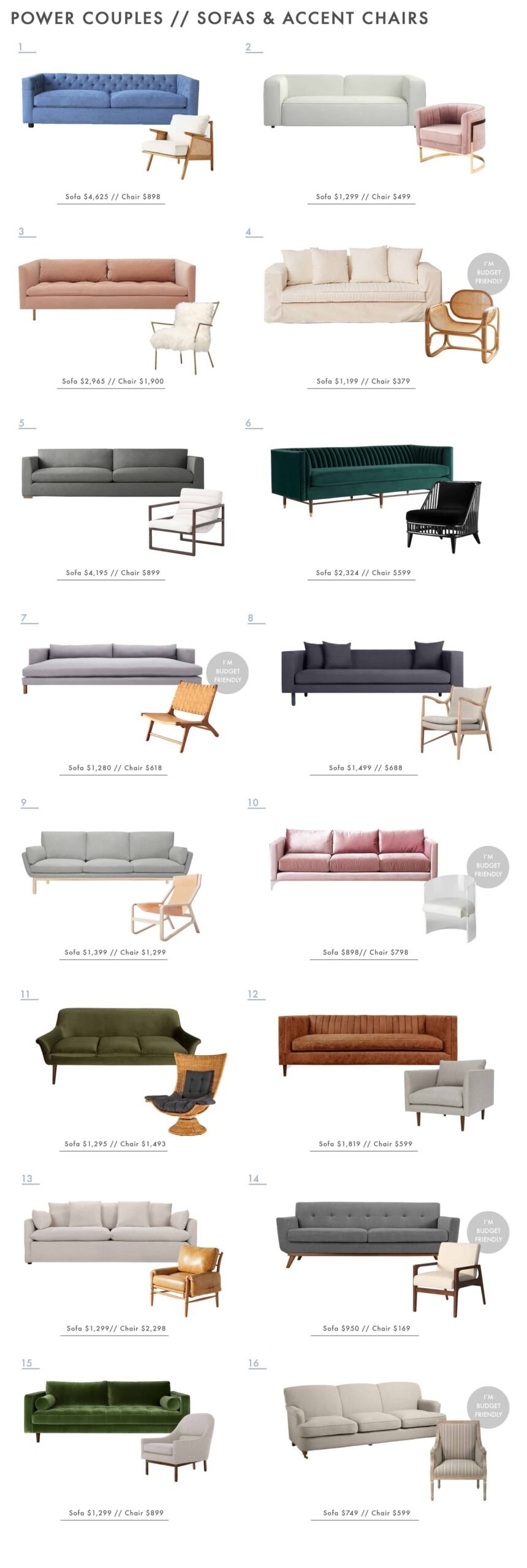
The secret to a balanced living room is visual harmony. If your sofa is a large, solid block of color, opt for chairs with exposed legs to prevent the floor from looking crowded. Conversely, if your sofa is sleek and minimalist, you can introduce chairs with more substantial frames or bolder silhouettes to provide a necessary focal point. Always consider the scale of your pieces; two delicate chairs can easily disappear next to a massive, overstuffed sectional.
| Furniture Type | Best Pairing Strategy | Visual Impact |
|---|---|---|
| Large Sectional | Two matching armchairs | Symmetry and formal balance |
| Loveseat | One chaise or recliner | Cozy and asymmetric |
| Mid-Century Sofa | Spindle-back or teak chairs | Retro, clean lines |
| Chesterfield Sofa | Velvet or leather club chairs | Traditional and moody |
Why Scale Matters Most
Scale dictates how your furniture interacts with the architecture of your room. A common mistake is choosing chairs that are too small, making them look like toys next to the sofa. You want your chairs to feel substantial enough to hold their own. If you’re working with a small footprint, look for chairs with lower back profiles so you don’t block sightlines or make the room feel cramped.
Should You Match or Mix?
Mixing styles adds character, but matching offers safety. If you’re aiming for a designer look, try the “60/40 rule” where 60 percent of your furniture follows one style and 40 percent introduces a different, complementary element. If you prefer a uniform look, buy chairs from the same collection as your sofa, but change the upholstery or throw pillows to keep the room from feeling like a sterile showroom.
Choosing the Right Fabric
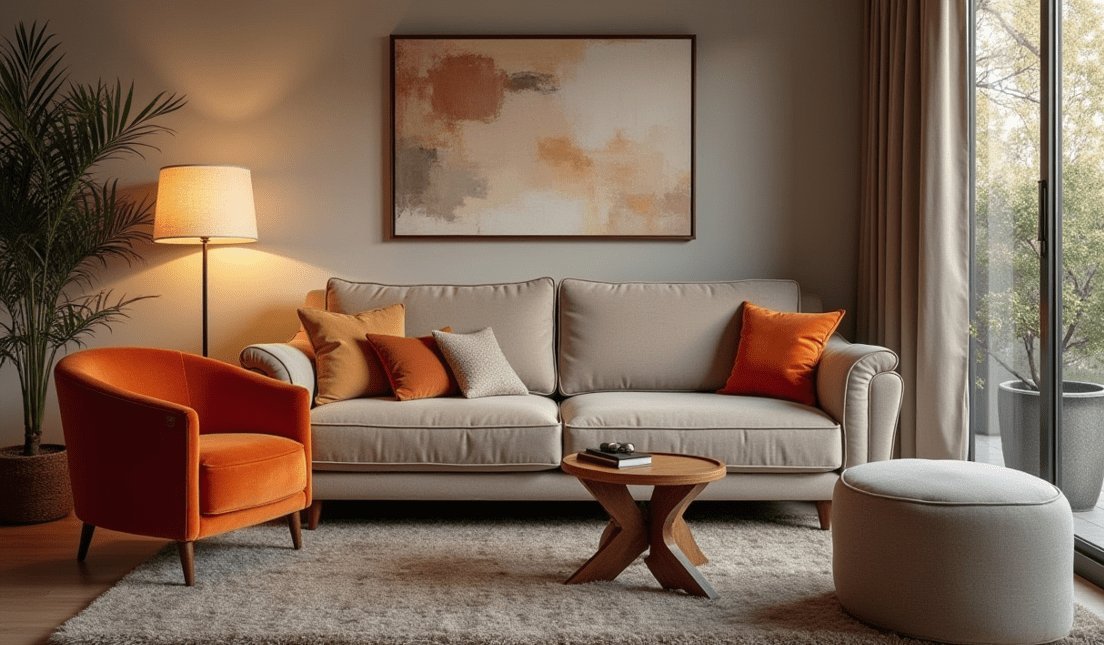
Texture is your best friend when colors are similar. If your sofa is a neutral gray, pairing it with textured bouclé or leather chairs will make the room feel expensive and layered. According to the American Society of Interior Designers, professional space planning relies on varying materials to guide the eye across a room. This prevents the space from feeling flat and ensures that every piece of furniture serves a distinct purpose in the overall environment.
Where Do Chairs Go?
Placement is dictated by your room’s traffic patterns. Ideally, chairs should be angled toward the sofa to create a conversation circle. Avoid pushing all your furniture against the walls, which is a common mistake that creates a “dead zone” in the center of your room.
- Floating layout: Place the sofa in the center with two chairs facing it.
- Corner focus: Angle chairs toward the sofa’s corner for a cozy reading nook.
- Symmetry: Place two identical chairs directly across from the sofa.
How to Balance Color
Use your sofa as the anchor color. If you have a neutral sofa, you have the freedom to choose chairs in bold patterns or vibrant hues. If your sofa is a statement piece, keep your chairs in a neutral tone to avoid visual chaos.
Pro Tip: Use the 60-30-10 rule: 60 percent of the room is your primary color (sofa), 30 percent is your secondary color (chairs/rugs), and 10 percent is your accent color (pillows/art).
What About Leg Styles?
The legs of your furniture act as the “jewelry” of the room. A sofa with blocky, solid feet pairs beautifully with chairs that have tapered, mid-century modern legs. This contrast keeps the room from looking too heavy. If you mix styles, keep the wood finish consistent to tie the pieces together.
Frequently Asked Questions
Can I mix leather and fabric?
Yes, mixing leather and fabric is a classic design technique. The warmth of fabric softens the cool, structured look of leather. Use a leather sofa with two fabric accent chairs to create a balanced, high-end aesthetic. Ensure the undertones of the leather and the fabric match to keep the look intentional rather than haphazard.
How much space between pieces?
Aim for 14 to 18 inches of clearance between your sofa and the coffee table, and roughly 30 to 36 inches between the sofa and the chairs. This allows for comfortable movement through the room without making the furniture feel too disconnected. Proper spacing is essential for both physical flow and visual balance in your living area.
Do chairs need to match each other?
Chairs don’t have to match, but they should share a common element like height, leg style, or frame shape. If you choose two different chairs, ensure they’re of similar scale so one doesn’t overpower the other. Mixing mismatched chairs is a great way to create an eclectic, bohemian, or collected-over-time look in your home.
How do I tie different styles together?
Use a large area rug to anchor the entire grouping. By placing the front legs of both your sofa and your chairs on the rug, you physically connect the pieces. Additionally, use throw pillows on your chairs that feature the same fabric or color as your sofa to create a repeating visual bridge that links the disparate elements together.
Should chairs be lower than the sofa?
Generally, the back of your accent chairs should be roughly the same height as the back of your sofa. If the chairs are significantly taller, they will dominate the room and make the sofa feel small. If they’re significantly lower, the conversation area will feel lopsided. Aim for a consistent horizontal line across the tops of your furniture pieces.
Warning: Avoid placing chairs so far away that they feel isolated from the sofa; if you need to shout to be heard, the distance is too great for a functional conversation area.
Start your transformation by measuring your current living room floor space and identifying the primary function of the room. Once you know your constraints, choose one piece—either the sofa or the chairs—as your anchor, and build the rest of the room around that central element to achieve a perfectly balanced and stylish home environment.