
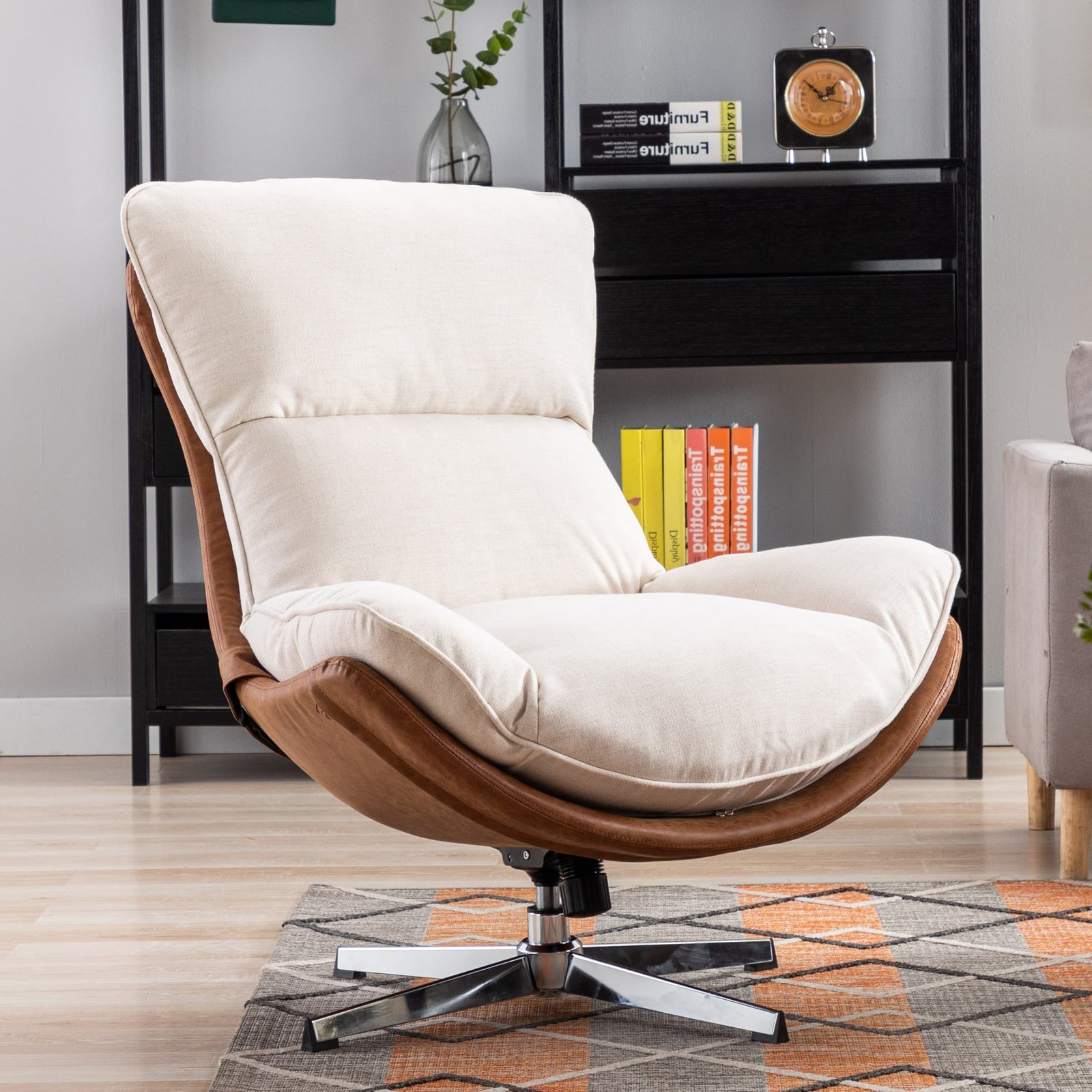
An accent chair what is it you ask, well, it’s a single seat designed to add style, color, or texture to a room’s existing decor. It acts as a visual anchor, balancing larger furniture like sofas while providing extra seating that you can move easily to suit your needs.
How an accent chair functions
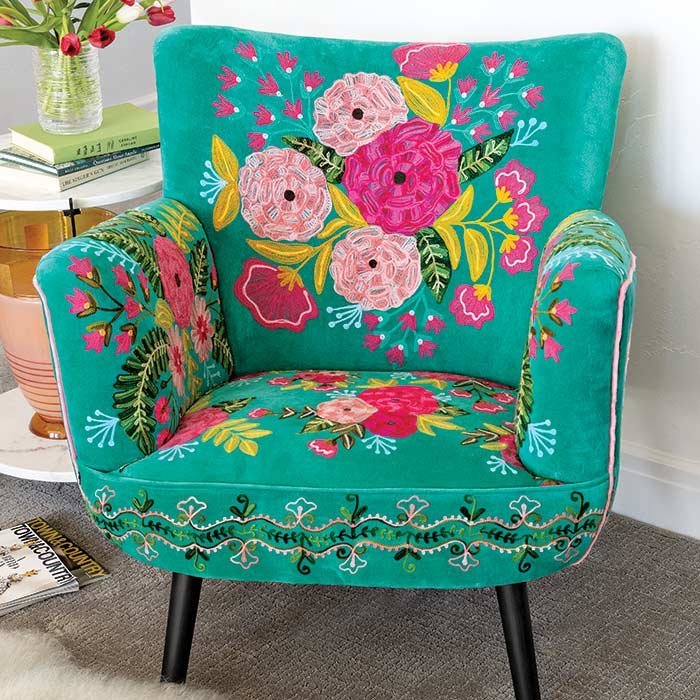
| Part or input | What it does | What you notice when it goes wrong |
|---|---|---|
| Frame material | Provides the structural shape | Creaking sounds or wobbly joints |
| Cushion foam | Offers support and comfort | Sagging or loss of original shape |
| Fabric cover | Defines the visual style | Fading colors or worn-out patches |
| Legs or base | Keeps the chair stable | Uneven rocking or scratched flooring |
| Spring system | Absorbs the seating weight | Bottoming out feeling during use |
What happens, step by step
- You select a corner or empty wall space in your living area to break up the visual monotony of larger furniture pieces.
- Place the chair at a 45-degree angle toward the room center to encourage conversation.
- Check that the seat height matches your sofa; standard seat heights are 18 to 20 inches, though this varies by model — check the label.
- Add a decorative pillow to the seat if the chair fabric is plain, which helps tie the room’s color palette together instantly.
- Sit down to test the back support; if your feet don’t touch the floor flatly, you may need a footstool for better posture.
- Use the chair daily for reading or relaxing, but rotate the seat cushion regularly to ensure even wear across the foam.
Why this matters when something goes wrong
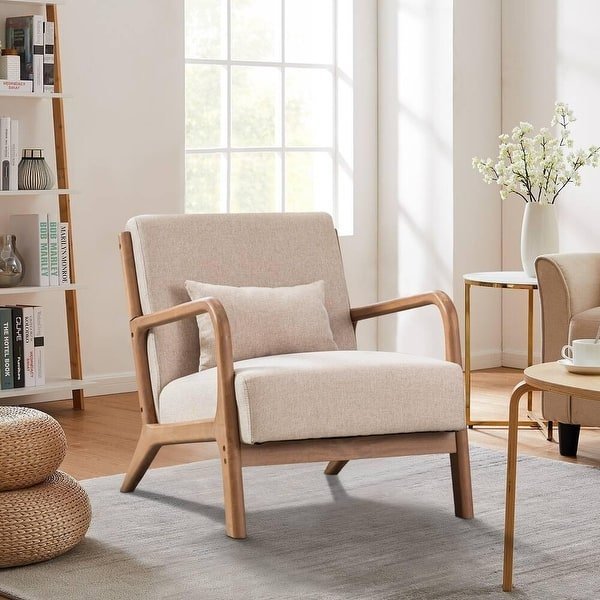
Identifying why a chair feels uncomfortable or looks out of place helps you decide if a repair is worth the effort. If the frame feels unstable, it often means the joints have loosened over years of movement, which is a structural issue requiring professional furniture repair. However, if the chair is simply uncomfortable, the issue is likely the density of the foam, which degrades based on daily use frequency. Understanding these mechanics stops you from wasting money on new fabric when the real failure is in the internal support structure.
What you can change, and what you cannot
Things you can change
- The fabric color using slipcovers or upholstery kits.
- The leg height by adding furniture risers for better clearance.
- The position in the room to improve traffic flow.
- The cushion firmness by replacing internal foam inserts.
Things that are fixed
- The overall frame shape and silhouette.
- The weight capacity limits set by the manufacturer.
- The original seat width and depth dimensions.
Getting more out of it
To keep your chair looking new, vacuum the fabric regularly with a soft brush attachment to remove dust that wears down fibers. If you spill liquid, blot it immediately with a dry cloth rather than rubbing, as rubbing pushes stains deeper into the weave. For chairs with wooden legs, apply felt pads to the bottom to prevent floor damage when you slide the chair. If you have a leather model, condition the surface whenever you notice it to prevent cracking. These habits add years to the chair’s life, provided you follow the specific care instructions listed on the manufacturer’s tag for your specific material type.
Frequently asked questions
Can an accent chair be used at a dining table?
Yes, but only if the seat height is compatible with your table. Most dining chairs are 18 inches high, so ensure your accent chair doesn’t exceed this, or you’ll find it difficult to eat comfortably.
How do I know if the chair fits my room?
Measure your available floor space before buying, as a standard accent chair requires at least 30 inches of width. Check the product specifications for the exact footprint to avoid blocking walkways or making the room feel crowded.
Is it safe to put an accent chair on a rug?
Yes, provided the rug is large enough to keep the chair stable. If the chair legs are uneven on the rug, use a thin furniture pad underneath the shorter leg to prevent rocking and ensure the chair stays level.
Why is my accent chair squeaking?
The squeaking usually comes from friction between the internal springs or loose frame joints. Tighten any visible bolts on the legs first; if the sound persists, the internal frame structure likely needs professional attention to fix.
Does it matter if the chair matches my sofa?
No, the purpose of an accent chair is to provide contrast rather than a perfect match. You can choose a different color or texture to create a focal point, as long as the style complements the overall room theme.
How long should an accent chair last?
The lifespan depends on the quality of the frame and the frequency of use. A well-constructed chair with a solid wood frame can last ten years or more, but this varies by model — check the label for warranty information.
Final Thoughts
Finding the perfect piece is all about trusting your personal taste. Don’t be afraid to experiment with a bold pattern or a unique shape that makes you smile. You’ll be surprised how much a single chair can transform your space, so start browsing local shops to see what catches your eye today.