
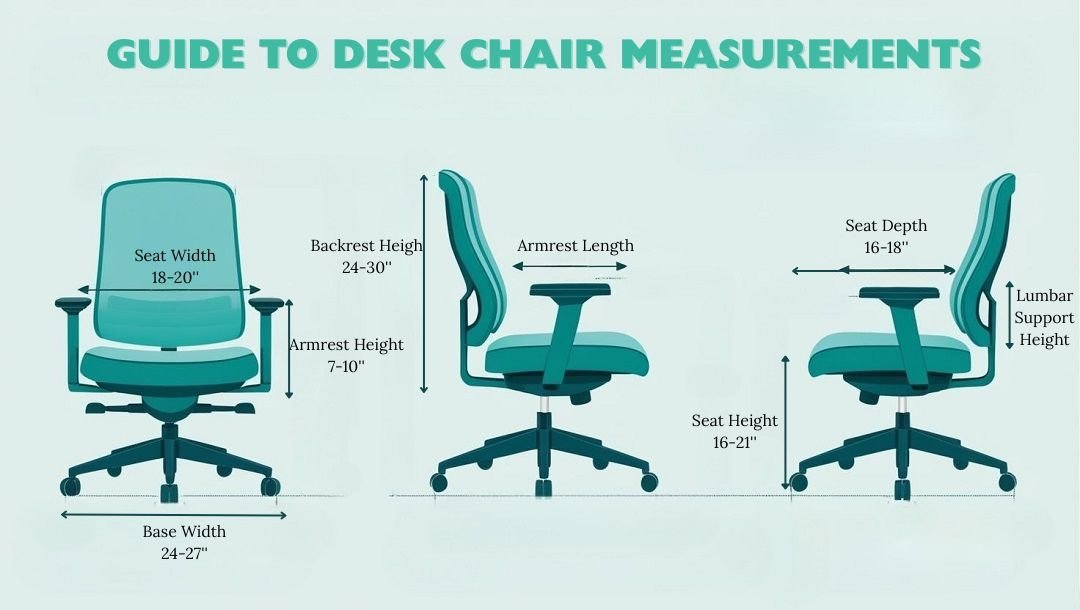
The depth of a chair typically ranges from 18 to 24 inches, measured from the front edge of the seat to the backrest. This dimension is a critical factor in ergonomic comfort, as it determines how much of your thigh is supported while your back remains properly aligned with the lumbar support. Understanding these measurements helps prevent discomfort, poor posture, and long-term strain, especially for those who spend significant hours working or relaxing in a seated position.
Key Takeaways
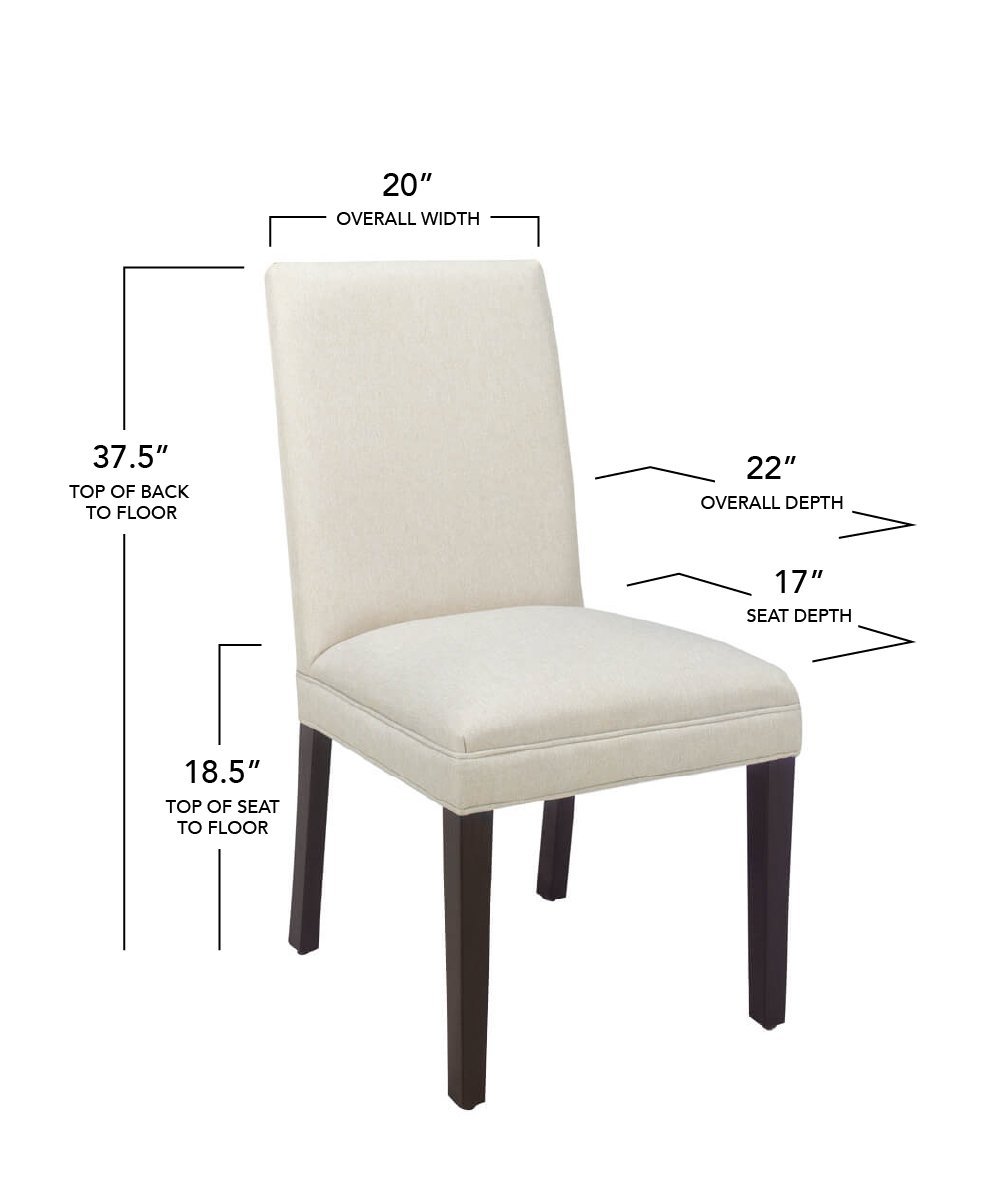
- Standard seat depth for most dining chairs is between 17 and 19 inches.
- Lounge chairs prioritize comfort and often feature deeper seats of 20 to 24 inches.
- Always ensure there’s a two-inch gap between the seat edge and your knees.
- Adjustable seat depth mechanisms are highly recommended for shared office workstations.
- Correct depth measurements are essential for maintaining healthy spinal alignment.
Understanding the Depth of a Chair
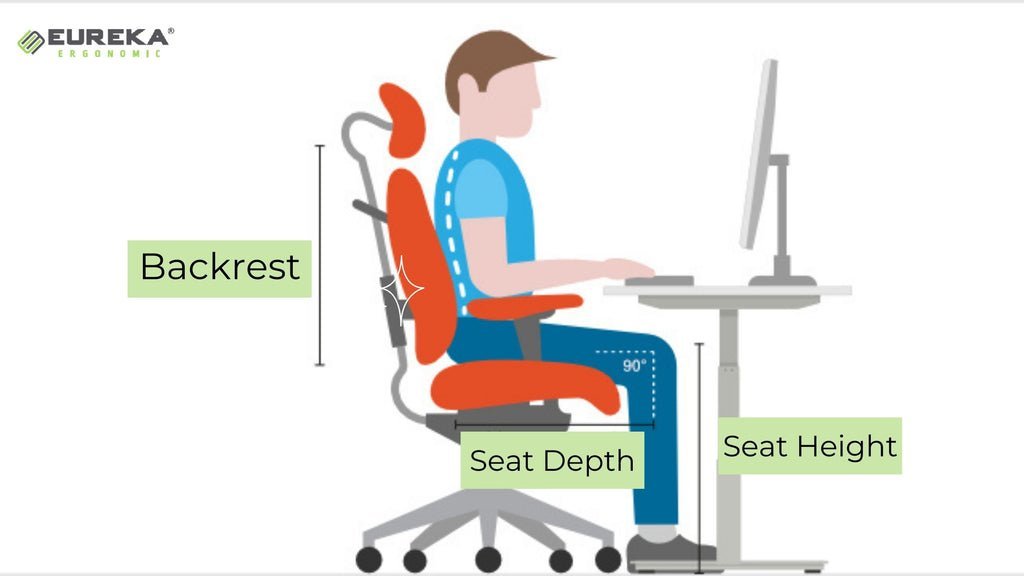
The depth of a chair is the horizontal distance from the front of the seat cushion to the point where the seat meets the backrest. While it seems like a simple measurement, it represents the primary interface between your body and the furniture. If a seat is too deep, your back won’t reach the support, forcing you to slide forward and slouch. If it’s too shallow, your thighs will lack support, creating pressure points near your knees.
| Chair Type | Typical Depth Range (Inches) | Primary Use Case |
|---|---|---|
| Dining Chair | 17 – 19 | Upright posture for meals |
| Office Chair | 18 – 22 | Long-term task performance |
| Lounge Chair | 20 – 24 | Relaxed, reclining comfort |
| Accent Chair | 18 – 21 | Occasional or decorative use |
Why Measurement Accuracy Matters
Ergonomic health requires your feet to rest flat on the floor while your back sits flush against the chair’s backrest. When the seat depth is correctly calibrated, the weight of your body is distributed evenly across your thighs.
Warning: Never choose a chair based solely on aesthetic appeal if the depth doesn’t align with your physical stature, as long-term use of poorly fitted furniture often leads to chronic lower back pain.
How to Measure Your Needs
To determine your ideal depth, sit on a chair with your back pressed firmly against the backrest. Measure the distance from the back of your calf to the back of your seat. Subtract two inches from this measurement to account for the space required to prevent the seat edge from pressing into the back of your knees. This two-inch gap is the golden rule for maintaining proper circulation and freedom of movement.
Adjusting for Different Body Types
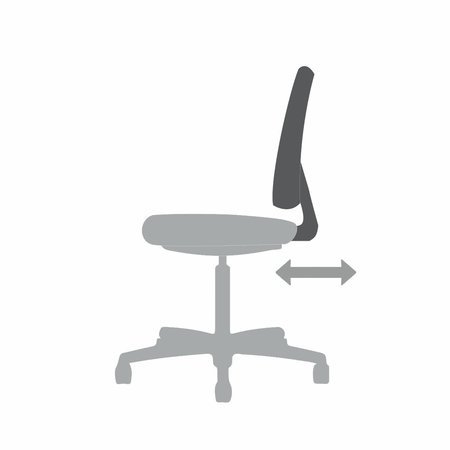
Not everyone fits into the “standard” category, which is why many modern office chairs feature a seat slider mechanism. This allows the user to push the seat forward or backward to achieve the desired depth regardless of their leg length. For home furniture, you can often compensate for a seat that’s too deep by using a firm lumbar pillow. This reduces the effective depth of the chair, allowing shorter individuals to sit back while still maintaining contact with the backrest.
Comparing Standard Seat Depths
When shopping for furniture, you’ll encounter varying standards depending on the design philosophy of the manufacturer. Dining chairs are intentionally shallow to keep users in an upright position, while plush armchairs are designed to encourage a reclined posture.
| Furniture Category | Seat Depth Approach | Recommended User Profile |
|---|---|---|
| Minimalist Modern | 17 – 18 inches | Users preferring upright seating |
| Mid-Century Style | 18 – 20 inches | Balanced style and function |
| Oversized Sectional | 22 – 25 inches | Tall users or lounging needs |
Pro Tips for Better Comfort
Pro Tip: If you’re buying a chair for a shared workspace, prioritize models that offer seat depth adjustment as a standard feature, as this single adjustment accommodates the widest range of body sizes.
Pro Tip: When trying out chairs in a showroom, ignore the visual appeal for five minutes and focus entirely on whether your lower back feels fully supported while your knees have that essential two-inch clearance.
Common Issues with Incorrect Depth
- Circulation restriction: Caused by seats that are too deep.
- Lower back strain: Caused by seats that prevent the user from reaching the backrest.
- Poor posture: Occurs when the user perpetually leans forward to compensate for lack of support.
- Leg fatigue: Resulting from a lack of thigh support on shallow seats.
Related guides
- How Many Cm Is a 3 Seater Sofa: Standard Size Guide
- What Is the Standard Size of a 3 Seater Sofa Dimensions Guide
- What Is the Size of 3 Seater Sofa: Standard Width and Depth
Frequently Asked Questions
Is seat depth the same as seat height?
No, these are distinct measurements. Seat depth refers to the distance from the front of the seat to the backrest, while seat height is the vertical distance from the floor to the top of the seat cushion. Both are vital for comfort, but they serve different purposes in maintaining healthy alignment.
Can I change the depth of my current chair?
Most standard dining or accent chairs don’t have adjustable depths. However, you can use a firm, slim back cushion to occupy space between your lower back and the chair’s backrest. This effectively reduces the depth, bringing the front edge of the seat closer to your knees and improving your overall sitting position.
What if my chair is too shallow?
If your chair is too shallow, you’ll feel as though you’re perched on the edge, and your thighs won’t receive enough support. This can cause discomfort over long periods. You can mitigate this by choosing a chair with a more contoured seat or by adding a seat cushion that extends slightly further forward than the original frame.
Does seat depth affect back pain?
Yes, it’s a primary contributor to back pain. If the seat is too deep, you can’t lean back without your legs dangling or hitting the edge of the seat. If you sit forward to reach the floor, your lumbar spine loses support. Both scenarios cause the muscles in your lower back to overwork, leading to stiffness and pain.
How much space should be behind my knees?
You should maintain a gap of approximately two inches between the front edge of the seat and the back of your knees. This space ensures that the chair doesn’t put pressure on the sensitive nerves and blood vessels located behind the knee, which is essential for maintaining comfort during extended periods of sitting.
Improving your seating experience starts with identifying the right dimensions for your body and ensuring your furniture supports that posture. Take a tape measure to your existing chairs today to see how they compare to the recommended ranges provided here. Once you know your ideal depth, use those figures as your primary filter when searching for your next piece of furniture to ensure long-term comfort.