
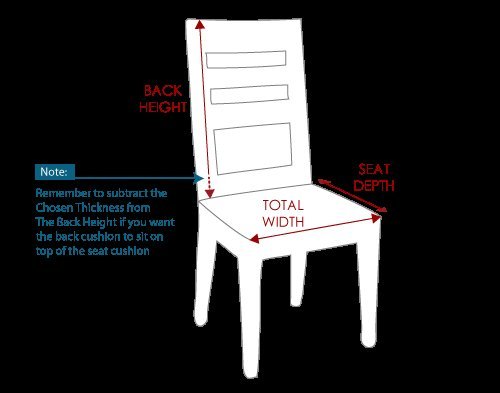
To find the seat depth, you use a tape measure to track the distance from the front edge of the seat to the backrest. Measuring the depth of a chair correctly ensures you choose furniture that supports your legs and prevents back pain.
How to measure your chair depth
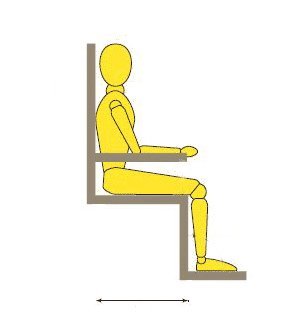
- Tape placement: Start the tape at the very front edge of the seat cushion.
- Back contact: Run the tape straight back until it hits the lumbar support or backrest.
- Avoid curves: Pull the tape tight to avoid measuring the curve of the cushion.
- Consistent point: Always measure from the center of the seat for the most accurate result.
- Total depth: Note that this is different from the total depth of the chair frame.
Why seat depth matters for comfort
The primary goal of measuring seat depth is to align your body with the chair’s structural support. If the seat is too deep, you can’t lean back against the lumbar support without your legs hitting the front edge, which restricts circulation. If it’s too shallow, your thighs lack proper support, causing you to slide forward or slouch to find comfort.
Ergonomic standards, such as those provided by the Occupational Safety and Health Administration, emphasize that a proper seat depth allows for a small gap between the front of the seat and the back of your knees. This space prevents pressure on the nerves behind the knee, which is essential for long-term comfort while sitting. If you’re taller, you need a longer seat depth to support your legs; if you’re shorter, a shallower seat is necessary to maintain proper posture.
When measurements differ
| Situation | What changes | What to do instead |
|---|---|---|
| Curved backrest | Measuring point | Measure to the center of the arc |
| Thick upholstery | Compression | Press tape into the cushion slightly |
| Reclining seats | Angle of seat | Measure along the seat plane |
| Sloped seats | Horizontal distance | Measure level from front to back |
| Footrests | Obstruction | Measure to the footrest base |
Steps for accurate measurement
- Place your chair on a flat, level floor to ensure the frame isn’t tilted, which would skew your final measurement.
- Use a rigid metal tape measure for the best accuracy, as cloth tapes can stretch or bend, leading to a false reading.
- Position the start of your tape measure at the center of the front edge of the seat cushion or frame.
- Extend the tape measure in a straight line horizontally toward the back of the chair until it touches the backrest.
- Maintain a level position for the tape, ensuring it doesn’t angle upward toward the top of the backrest or downward.
- Record the measurement at the exact point where the tape touches the backrest, excluding any decorative padding or cushions.
- Verify your result by repeating the process twice to ensure you have found the true, consistent depth of the seat surface.
Common mistakes that ruin fit
- Measuring to the frame: People often measure to the outer shell, but the useful depth is only the part you actually sit on.
- Ignoring cushion compression: If you measure a soft cushion without pressing down, you’ll overestimate the depth by several inches.
- Measuring at an angle: Slanting the tape measure results in a longer measurement that doesn’t represent the real space for your legs.
- Including back cushions: If your chair has a loose back pillow, move it aside and measure to the hard backrest to find the real limit.
Frequently Asked Questions
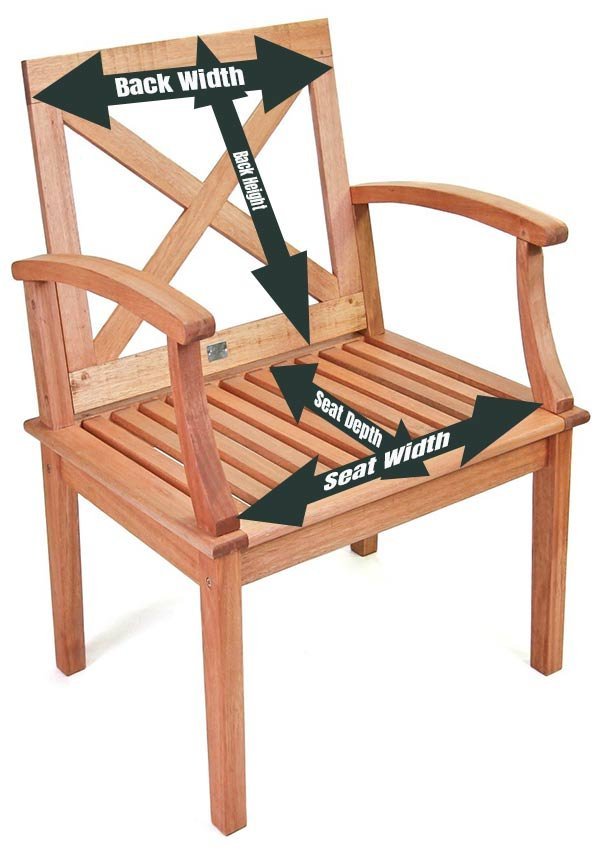
Can I use a yardstick?
You can use a yardstick if the chair has a flat seat, but it’s often less accurate for chairs with contoured cushions. A flexible metal tape measure is better because it follows the seat surface more closely than a rigid stick.
Does the seat angle change the depth?
The angle of the seat changes how it feels, but the physical depth remains the horizontal distance from front to back. If the seat tilts backward, you may need a slightly deeper measurement to ensure your feet remain flat on the floor.
What if my chair has armrests?
Armrests don’t change the measurement, but they can get in the way of your tape. Keep the tape measure inside the armrests to ensure you’re measuring the actual seating area between the two sides.
Is there a standard depth for chairs?
There’s no universal standard, but most dining chairs are 16 to 18 inches deep, while lounge chairs often range from 20 to 24 inches. Always check the manufacturer’s specification sheet for the exact design depth of your specific model.
How much space should be behind my knees?
You should aim for about 2 inches of space between the front of the chair and the back of your knees. This gap allows you to move your legs freely and prevents the chair from digging into your skin.
Does clothing affect seat depth?
Clothing doesn’t change the chair’s depth, but it can change how you perceive it when you sit down. If you wear thick jeans, you might feel a tighter fit than if you’re wearing thin fabric, which may influence your comfort preference.
Conclusion
Measuring your chair correctly is the first step toward better posture and preventing discomfort during long hours of sitting. By focusing on the usable space rather than the total frame size, you’ll always know if a chair provides the support your body needs.