
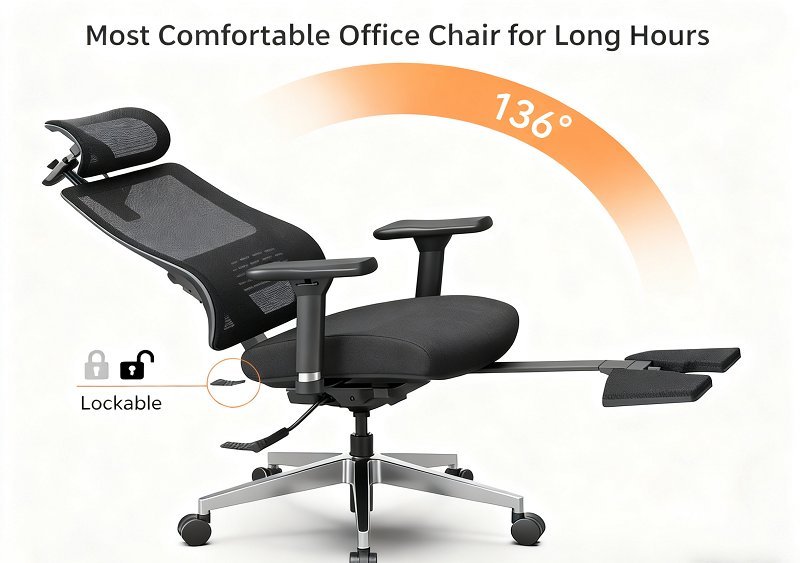
The Herman Miller Aeron is the most comfortable home office chair for most people working eight hours a day. It fits standard desks when adjusted between 16 and 20.5 inches high. Taller or heavier bodies require different sizes or dedicated high-back foam models.
Quick tips for a comfortable office chair
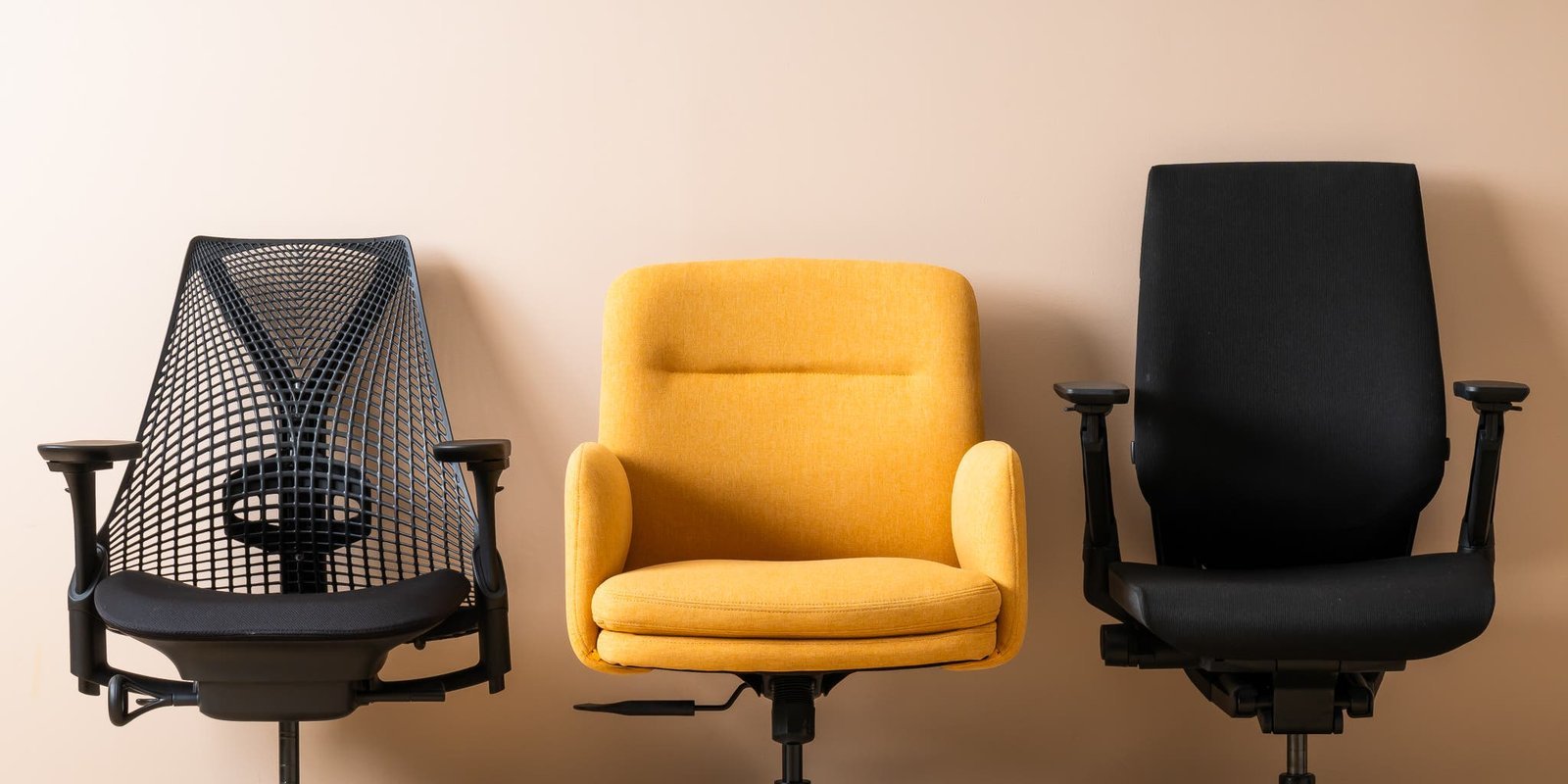
Match chair measurements to your frame. Chairs without lumbar support often cause spinal pain after four hours.
The chair you select must fit your desk height and your body weight right away.
- Measure knee height while wearing shoes; seat height must drop between 16 and 20.5 inches for standard desks.
- A seat depth that leaves 2 to 3 fingers of space behind your calves prevents leg numbness.
- Breathable mesh distributes weight evenly across your hips, while thick memory foam traps body heat after two hours.
- Adjustable armrests must lower enough so your elbows rest at a 90-degree angle without shrugging shoulders.
- Multi-tilt locks let your spine recline safely between 100 and 110 degrees during long screen tasks.
- Heavy users over 250 pounds require a steel-reinforced base and a class-4 gas lift cylinder.
Why proper spinal support matters
Sitting loads your lumbar discs with significantly more pressure than standing upright. When you slump forward, your pelvis rolls backward, flattening the natural inward curve of your lower back. This posture strains muscles, pulls spinal ligaments tight, and pinches nerves in your thighs.
A truly comfortable chair counters this pelvic rotation by applying firm pressure against your sacrum. The OSHA computer workstation guidelines specify that chairs must provide adjustable lumbar support that fits into the inward curve of the lower back. This mechanical support keeps the spine in an upright, neutral alignment without forcing you to tense your abdominal muscles.
Mesh spreads weight better than padding. Once foam bottoms out, sit bones hit hard surfaces, cutting off blood flow.
Fitting chairs to specific body types
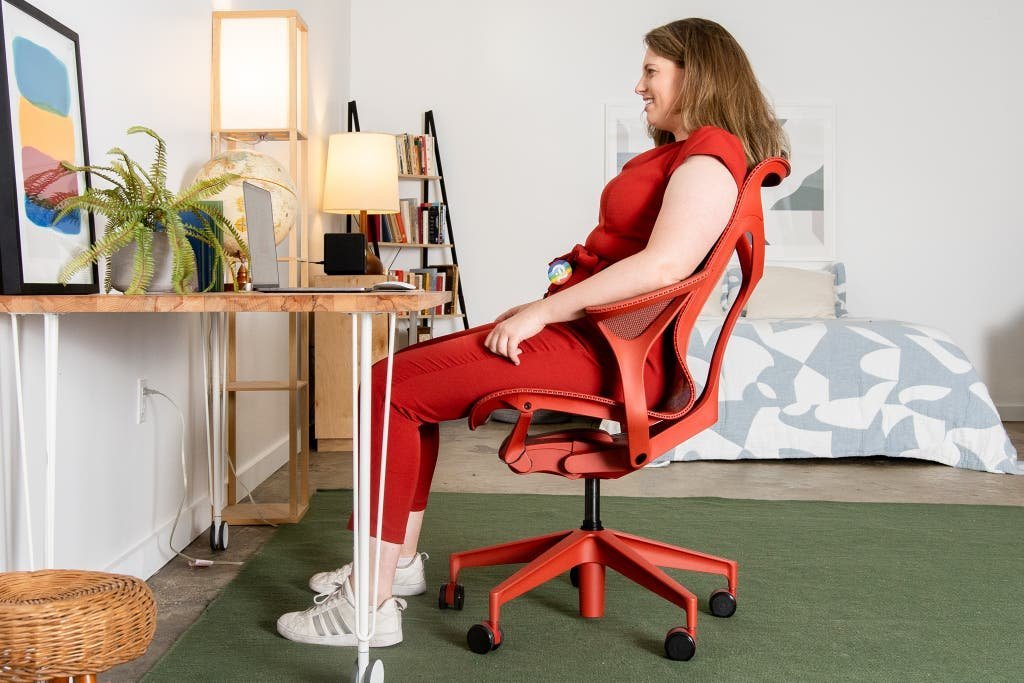
Standard chairs assume average height and weight. Non-standard frames suffer from poor fit in standard chairs.
| Situation | What changes | What to do instead |
|---|---|---|
| Height under 5 feet 2 inches | Feet dangle off ground | Add footrest or choose shallow seat |
| Height over 6 feet 2 inches | Backrest hits mid-shoulder | Pick tall back with headrest extension |
| Body weight over 275 pounds | Gas cylinder sinks down | Buy heavy-duty frame with steel cylinder |
| Persistent tailbone pain | Pressure builds on coccyx | Use split seat or mesh suspension |
| Sloped or carpeted floor | Casters drag and stick | Swap standard wheels for rollerblade casters |
| Workstation desk too tall | Elbows reach upward | Raise cylinder and add high footring |
How to adjust your chair
Setting up your chair takes ten minutes.
- Sit back completely in the seat until your lower spine touches the lumbar pad firmly.
- Adjust the seat height until your feet rest flat on the floor with thighs parallel to it.
- Slide the seat pan forward until two inches of space remain behind your knee joints.
- Set the lumbar support height directly into the curve above your belt line.
- Tilt the backrest backward between 100 and 110 degrees to ease spinal disc compression.
- Lower armrests until your elbows rest bent at 90 degrees without hunching your shoulders.
- Tighten the tilt tension knob so the chair reclines smoothly without dropping you backward.
Setup errors that cause pain
Using an unadjusted chair creates chronic muscle strain across your neck and hips.
- Sitting on a soft extra pillow elevates your hips, which pushes your lower back completely away from the lumbar curve.
- Locking the backrest completely upright at 90 degrees strains hip flexors, costing you spinal relief during long work shifts.
- Raising armrests too high forces your shoulder blades toward your ears, creating severe tension headaches by afternoon.
- Resting your feet on the rolling wheel base restricts blood circulation in the thighs, causing feet to fall asleep.
Frequently asked questions
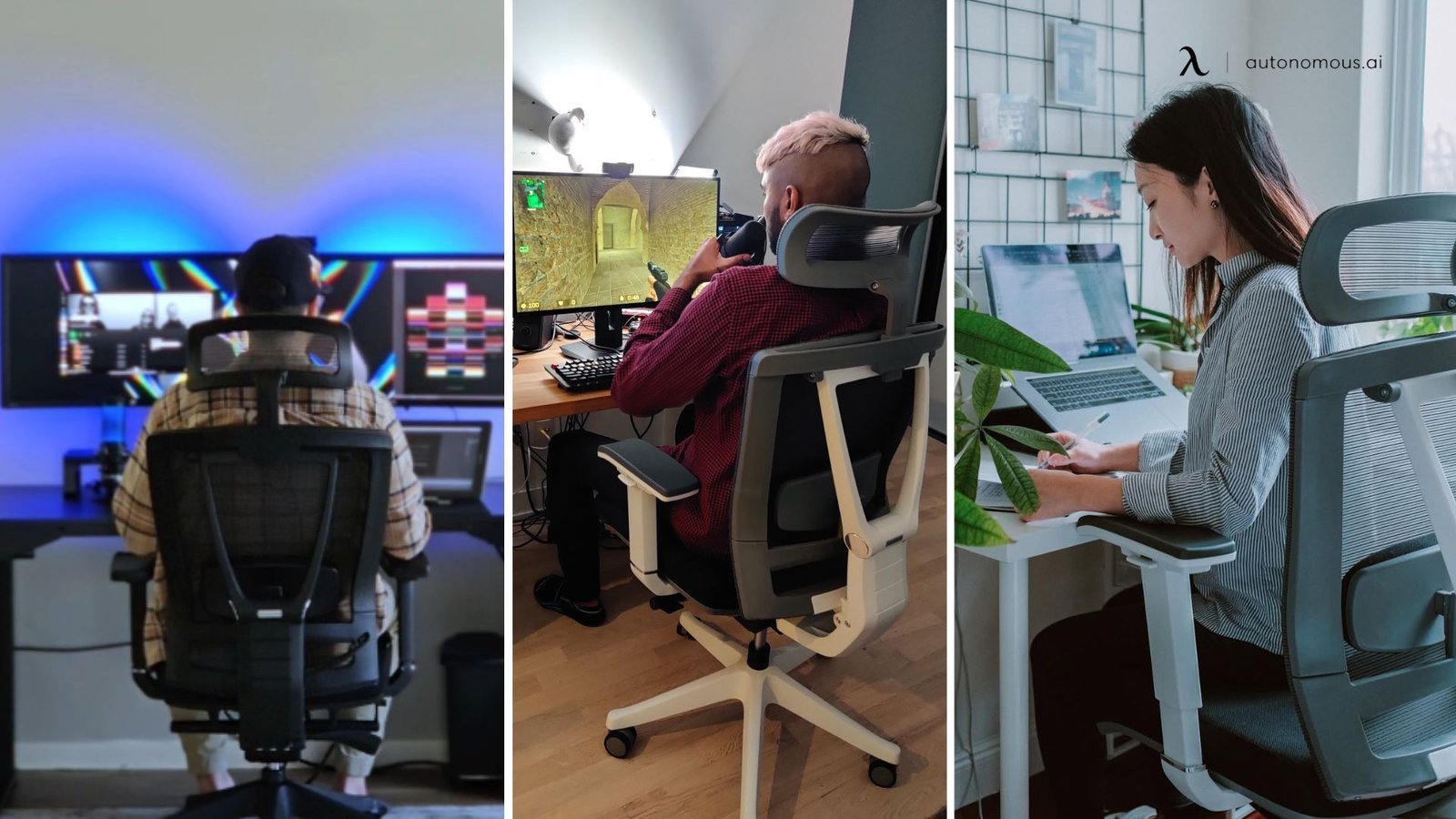
Can a gaming chair work well for office work?
No, most gaming chairs lack independent lumbar adjustments and force your shoulders forward with curved wings. They rely on cheap loose pillows that slip out of position, flattening your lower back after just an hour of typing.
How long should an ergonomic chair last?
About 7 to 10 years for commercial-grade mesh models used forty hours weekly. Budget chairs with polyurethane foam break down within two years, losing their cushioning thickness and failing to keep your pelvis level during long workdays.
Does mesh seating stretch out over time?
Yes, low-cost polyester mesh sags within two years, forcing your hips to hit the bottom plastic rim. High-tensile elastomeric mesh holds firm tension for over a decade without sagging under normal daily office use.
Is a headrest necessary for typing at a desk?
No, your neck stays upright while typing and shouldn’t touch a headrest during active tasks. Headrests only help if you recline frequently to read documents or take phone calls during long work sessions.
What happens if your chair is too high?
Your legs dangle and the front seat edge compresses your femoral arteries and nerves. This pressure restricts blood flow to your feet, causing tingling, numbness, and swollen ankles by the end of your workday.
Why do my legs fall asleep in a mesh chair?
The hard plastic front edge of the seat pan is pressing against the underside of your knees. This occurs when the seat depth is adjusted too deep or the chair sits too high off the floor.
Does a kneeling chair fix lower back pain?
Yes, for short tasks lasting twenty to thirty minutes by tilting your pelvis forward. They aren’t built for full eight-hour workdays because they shift excessive weight and strain directly onto your shin bones and knees.
Is leather better than fabric for desk chairs?
No, leather traps heat and causes slouching. Breathable mesh keeps you cool and holds your pelvis firmly in place against the lumbar support.
Most comfortable, in short
If you weigh under 130 pounds, choose Herman Miller’s small size; if you weigh over 230 pounds, choose the large size. For a standard frame, the mid-back Aeron gives you unmatched spinal relief, while a padded Steelcase Gesture offers the trade-off of a softer seat cushion at the expense of airflow.
Related guides