
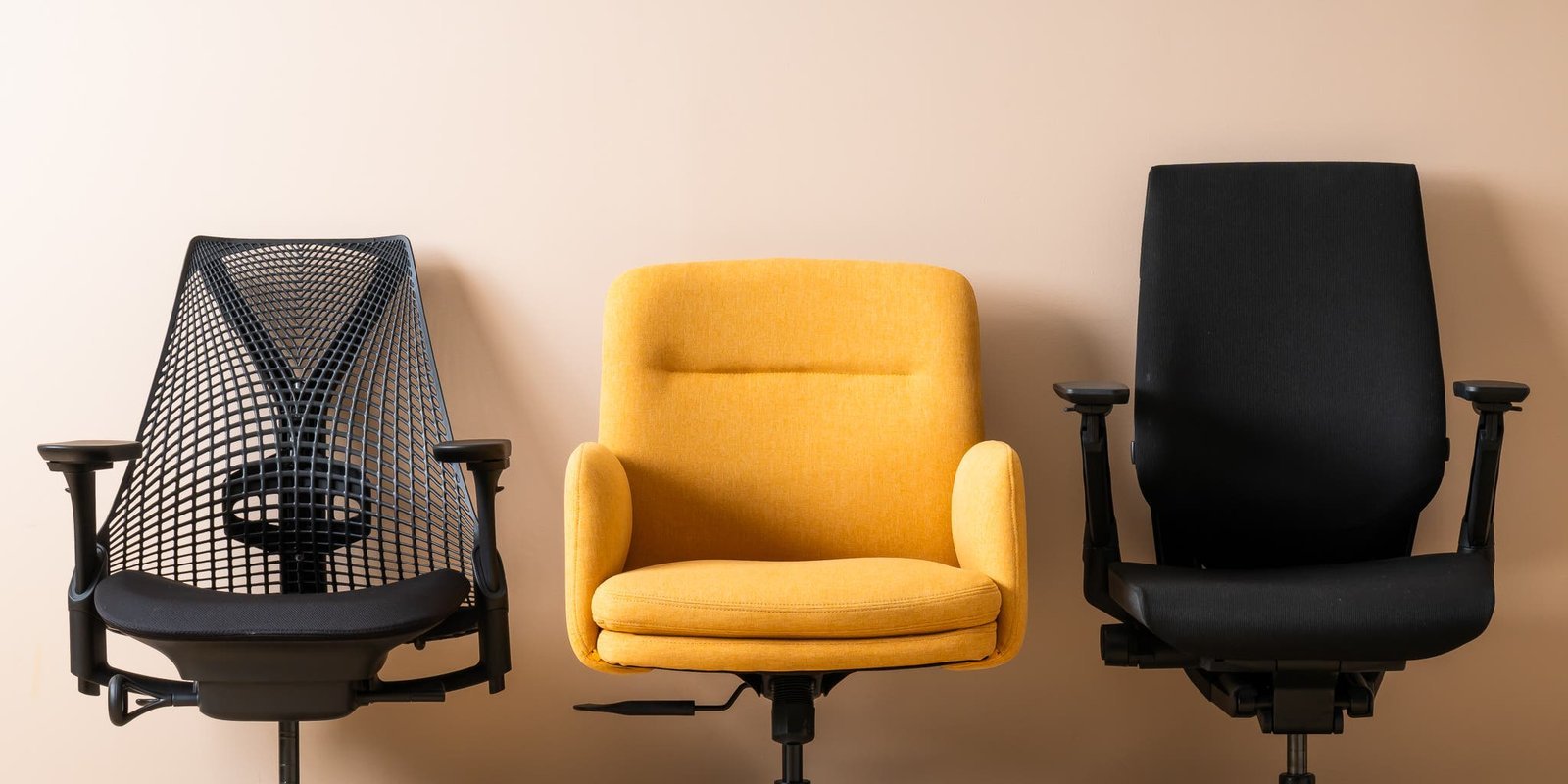
Which ergonomic chair is best depends entirely on your specific body dimensions and desk height. Prioritize models that offer adjustable lumbar support and seat depth to ensure your spine remains in a neutral position.
Choosing the right chair starts with understanding your own proportions. If you’re under five feet four inches or over six feet four inches, a standard “one size fits all” office chair will likely cause more pain than it solves. The biggest mistake people make is buying based on looks rather than fit; if the seat is too deep, you’ll lose back support, which costs you your posture and leads to chronic lower back strain.
Which ergonomic chair is best for you
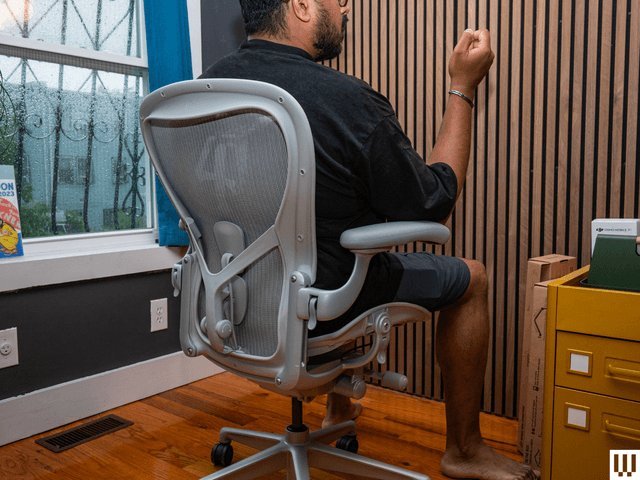
Follow these steps to find a model that supports your body weight and frame while working at a desk:
- Measure your height and weight to narrow down the manufacturer’s size charts, as most professional chairs come in sizes A, B, or C.
- Verify that the chair provides adjustable lumbar depth, which is essential to match the natural curve of your lower spine.
- Test the seat pan depth by sitting back; ensure there’s a two-inch gap between the edge of the seat and the back of your knees.
- Adjust the armrests so your elbows sit at a ninety-degree angle, preventing shoulder tension during long typing sessions.
- Confirm the chair meets the ANSI/HFES 100-2007 standard for human factors engineering, which ensures the design supports diverse body types.
Tip: If you can’t adjust the seat depth, don’t buy the chair, as it will cut off circulation to your lower legs.
Tip: Always try to sit in the chair for at least thirty minutes before committing, as initial comfort doesn’t equal long-term support.
Estimating the adjustment period
Finding the perfect fit involves several variables that change how your body reacts to a new chair.
| Situation | How long | What changes it | What to watch for |
|---|---|---|---|
| Brand new setup | 2 weeks | Muscle adaptation | New aches in the back |
| Switching styles | 1 week | Height and tilt | Neck strain |
| Incorrect size | Permanent | Improper support | Leg numbness |
If your body still feels sore after three weeks of daily use, check your desk height; if the desk is too high or low, even the best chair can’t fix your posture.
Signs of a perfect fit
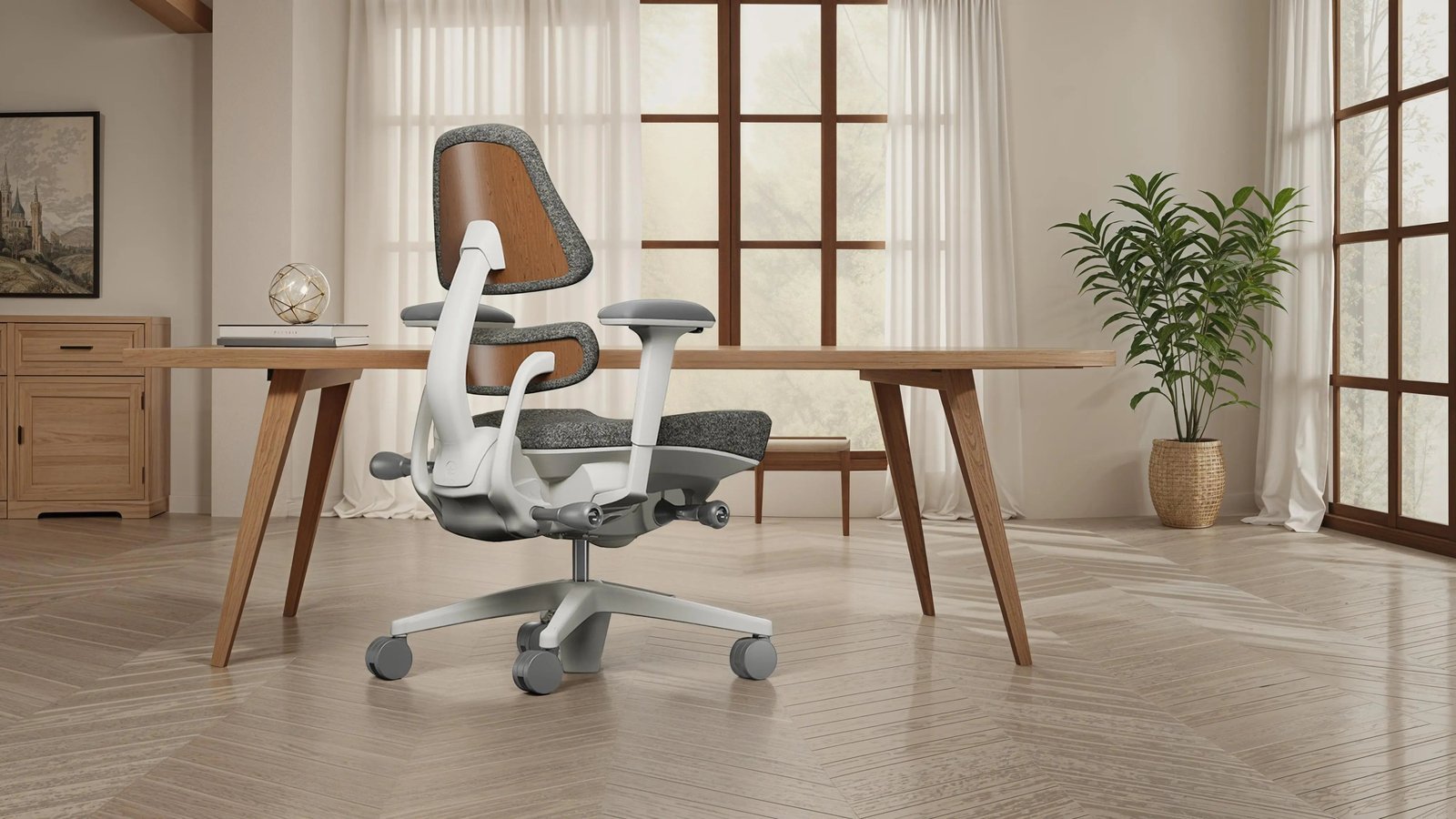
You know the chair is correct when your feet rest flat on the floor without pressure on your thighs. Your lower back should feel supported without you having to force your spine into the backrest. If you find yourself sliding forward or hunching, the chair is either too large or the tilt mechanism is incorrectly set. When in doubt, check if your hips are slightly higher than your knees. This alignment is the professional benchmark for reducing pressure on the spinal discs during extended periods of sitting.
Common seating mistakes
- Ignoring seat pan depth: This causes you to slide forward to reach the floor, which ruins the lumbar support and forces you to hunch. Always choose a chair where you can slide the seat pan back or forward to fit your thighs.
- Fixing armrests too high: This forces your shoulders upward, causing neck and trap muscle fatigue within an hour. Keep your shoulders relaxed and your arms hanging naturally at your sides when you set the height.
- Locking the tilt too tight: This prevents natural micro-movements, which are vital for keeping your muscles active. If you don’t allow the chair to recline slightly, you’ll experience stiffness because your spine remains in a static, unhealthy position.
Frequently asked questions
Can a chair fix my back pain?
No, an ergonomic chair can’t fix existing medical conditions, but it can prevent further strain by keeping your spine in a neutral position. If you have chronic pain, you should consult a physical therapist or a doctor to determine if your pain is caused by your workstation or an injury.
How long should an ergonomic chair last?
Most high-quality ergonomic chairs last for many years if they’re used for standard eight-hour workdays. This assumes you’re using the chair within its stated weight capacity; if you exceed the weight limit, the gas cylinder and base will likely fail much sooner than the manufacturer’s estimate.
Is it safe to buy a used office chair?
Yes, it’s safe to buy a used chair, but you must inspect the gas cylinder and the lumbar tension mechanism for signs of wear. If the chair sinks while you’re sitting in it or if the tilt mechanism clicks loudly, the internal components are likely worn out and unsafe.
What happens if I am between sizes?
If you’re between two sizes, always choose the smaller size if you prefer a tighter fit, or the larger size if you have broad shoulders. Most manufacturers provide specific weight and height ranges for each size; check the label on the underside of the seat for the exact model specifications.
How do I know if my chair is too big?
Your chair is too big if your feet don’t touch the floor when the seat is at its lowest setting, or if the lumbar support hits your mid-back instead of your lower back. You can’t adjust your way out of a chair that’s fundamentally too large for your skeletal frame.
Why does my neck hurt in a new chair?
Neck pain is usually caused by poor chair posture or incorrect monitor height. Adjust your backrest to keep your head neutral and position the top third of your screen at eye level to reduce strain.
Ergonomic chair, in short
Finding the right fit is a personal journey, so don’t rush the process. If you can, visit a local showroom to sit in a few options before you commit. You’ll feel the difference immediately when your back finally gets the support it needs. It’s worth the effort to get it right.
Related guides