
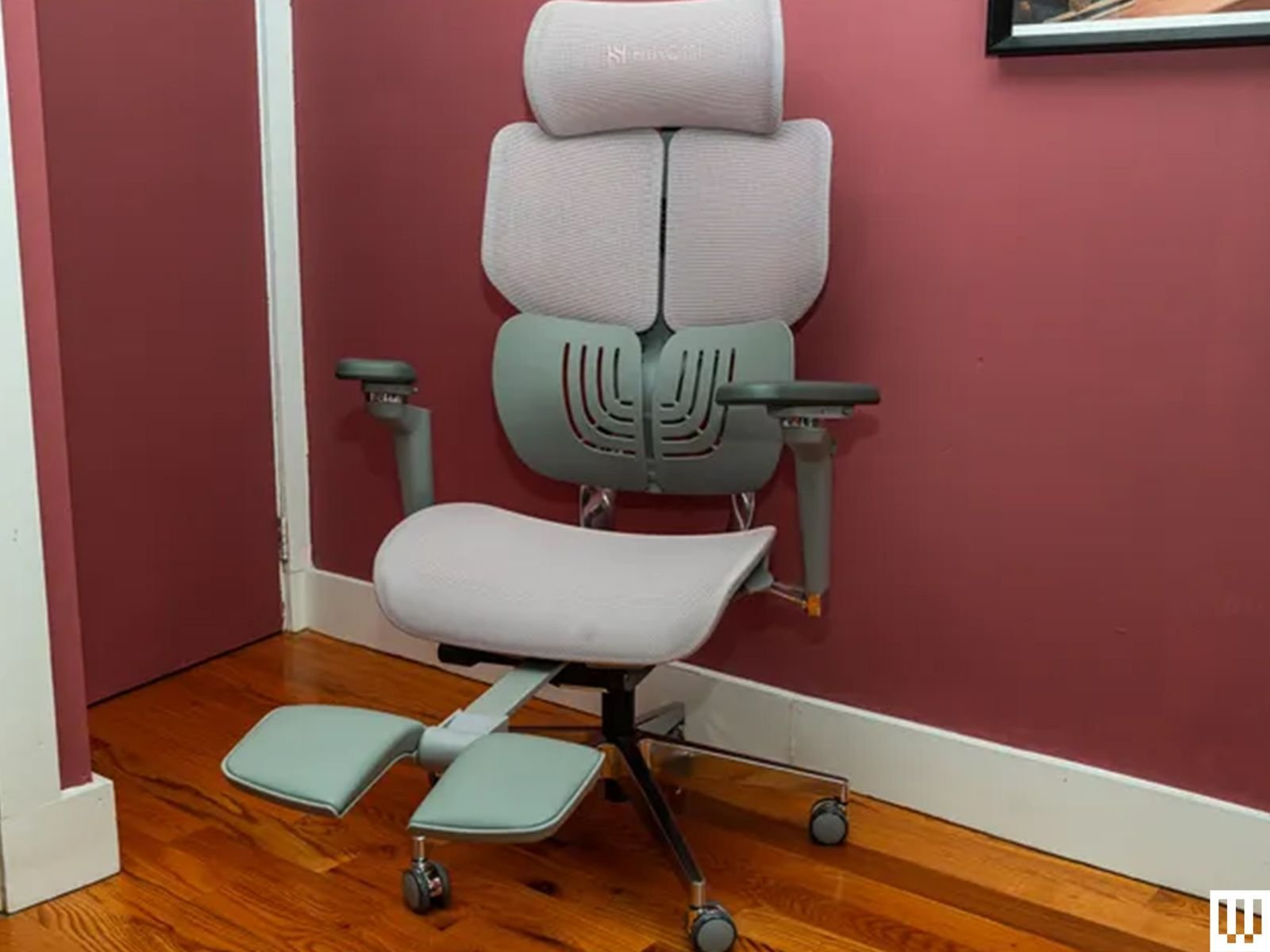
Which type of office chair is best depends on your spine alignment, as an ergonomic task chair with adjustable lumbar support provides the most comfort for long hours.
Which type of office chair is best for you?
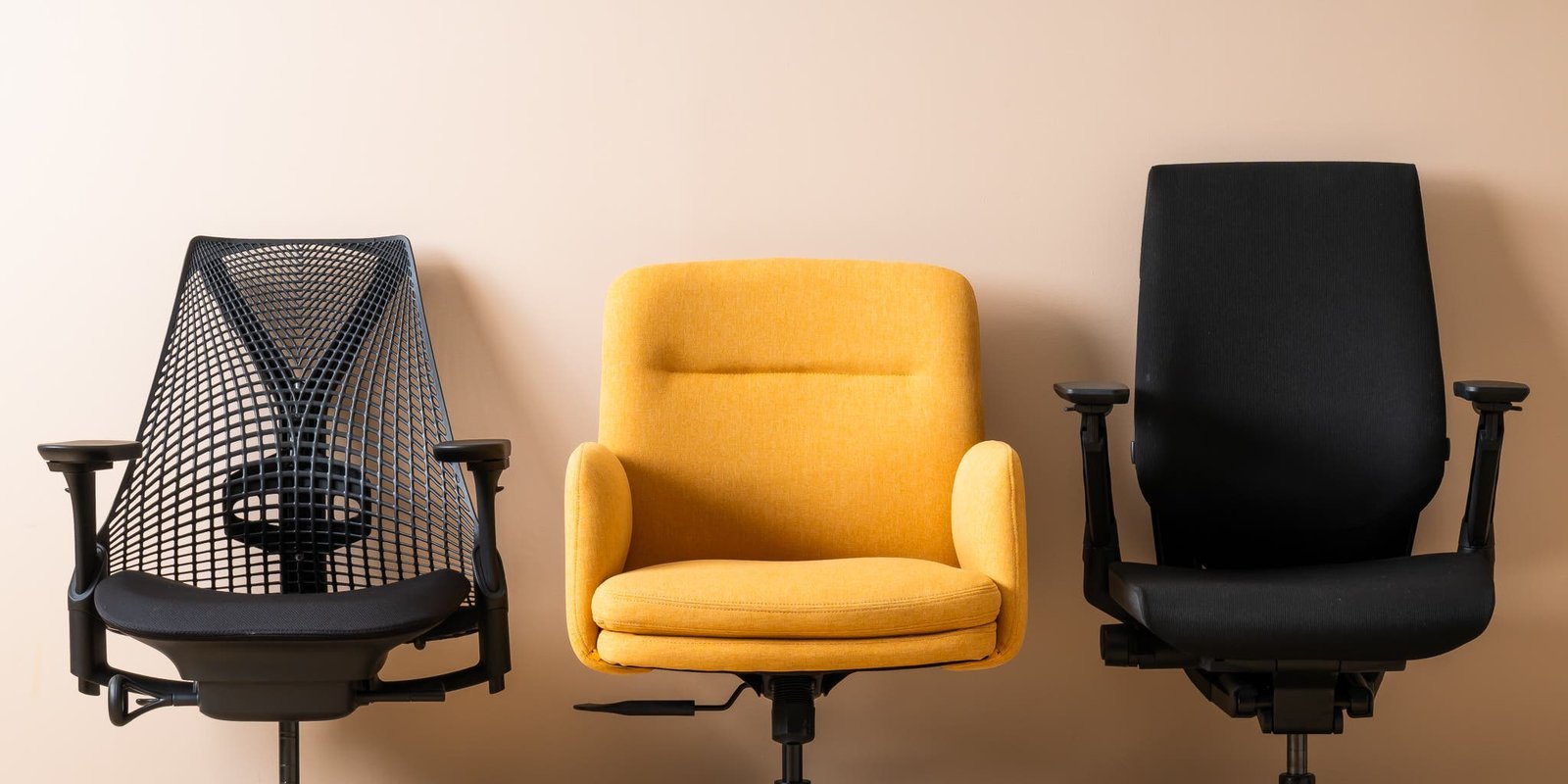
- Adjustable lumbar support keeps your lower back in its natural curve to prevent strain.
- Seat height should range from 16 to 21 inches to accommodate most users’ leg lengths.
- Breathable mesh backs prevent heat buildup during long work sessions compared to solid leather.
- Armrests must adjust in height so your shoulders stay relaxed rather than hunched upward.
- Check the weight capacity label; exceeding the limit voids the warranty and increases mechanical failure risks.
Why ergonomics matter for your health
Proper seating reduces physical stress by distributing your body weight across the seat pan. OSHA guidelines state that neutral posture prevents musculoskeletal disorders from static sitting. Check the manufacturer’s product page for BIFMA certification to verify durability and safety.
Chair types for different needs
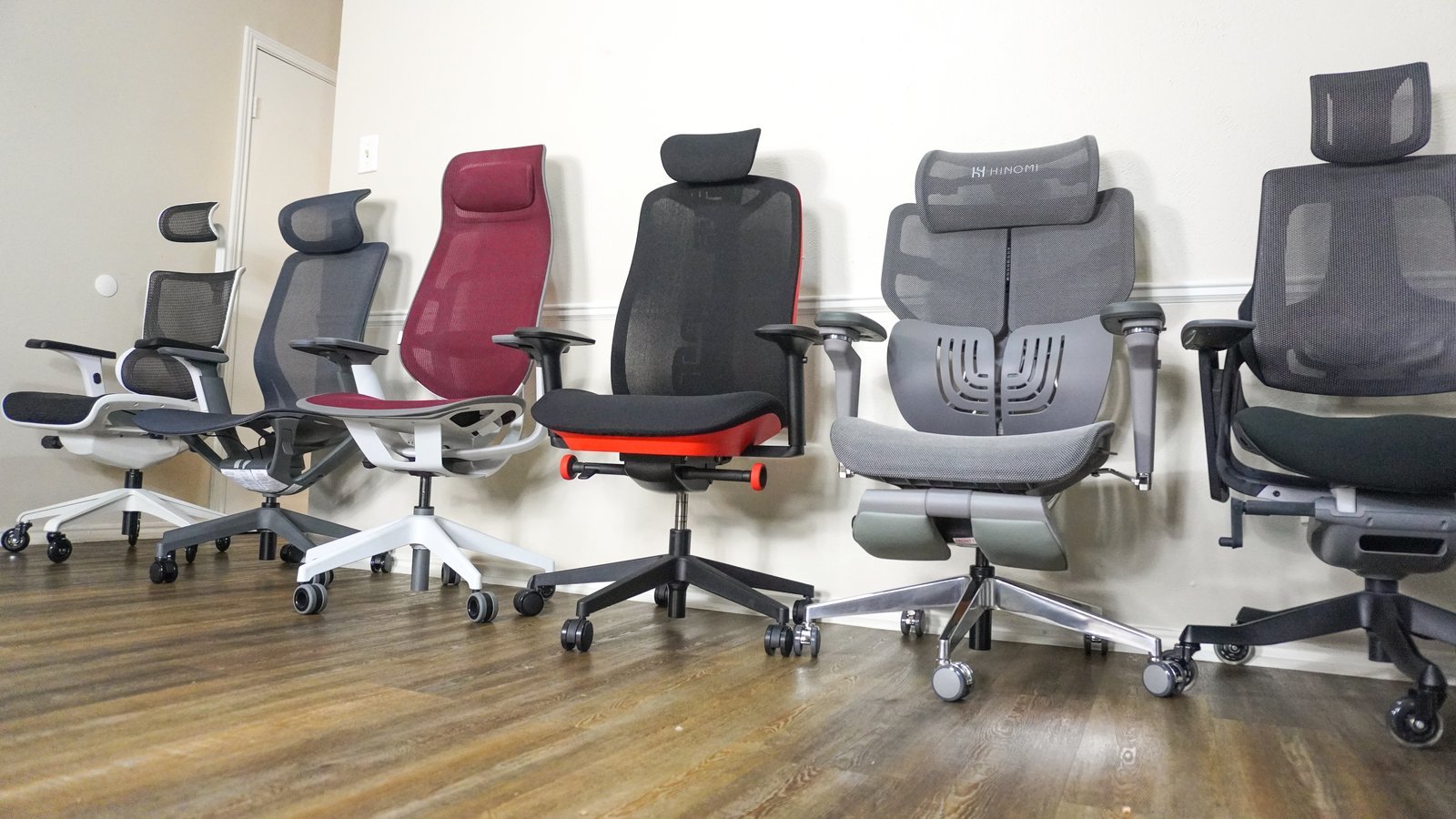
| Situation | What changes | What to do instead |
|---|---|---|
| Tall users | Seat depth | Choose extra-deep seat pans |
| Small offices | Footprint size | Use armless compact models |
| Standing desks | Height range | Get a taller stool chair |
| Budget constraints | Material quality | Pick fabric over leather |
| Hot climates | Backrest material | Select mesh back designs |
How to adjust your chair properly
- Place your feet flat on the floor; if your legs dangle, use a footrest to reach the ground.
- Adjust the seat height until your knees are at the same level as your hips or slightly lower.
- Slide the seat pan forward or backward, leaving a two-finger gap between your knee and the chair.
- Set the lumbar support to fit the curve of your lower back; it should feel firm but comfortable.
- Raise the armrests until your elbows rest lightly on them, keeping your shoulders relaxed and not hunched.
- Lean back slightly to engage the tension control, which should support your back without pushing you forward.
Mistakes that ruin your posture
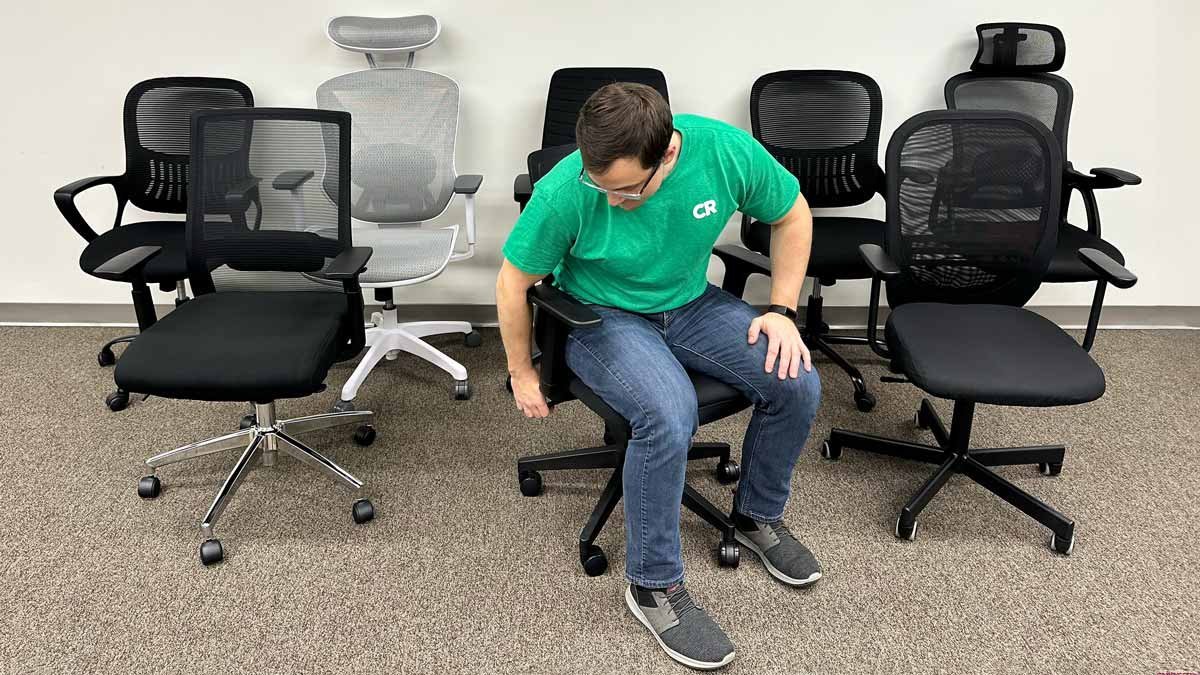
- Sitting on the very edge of the chair prevents the backrest from supporting your spine.
- Crossing your legs for hours cuts off circulation and creates an uneven tilt in your pelvis.
- Ignoring the tension knob causes the chair to feel too loose or too resistant when you lean back.
- Using a chair with a fixed armrest height often forces you to hunch one shoulder while typing.
Can I use a dining chair for work?
No, dining chairs lack the lumbar support and adjustability required for desk work. They often cause you to slouch, which places significant pressure on your lower back discs.
How long should a chair last?
High-quality chairs last 7 to 10 years with daily use. Check the manufacturer’s warranty, as it varies by model.
Is it safe to buy a used chair?
Inspect the gas lift and seat mechanism for rust or wobbling. Verify the brand name to ensure standard safety testing.
What happens if the chair is too high?
Your feet lose contact with the floor, putting pressure on your thighs. This restricts blood flow, leading to numbness in your legs.
Does the material matter?
Fabric or mesh offers better temperature control, while leather cleans easily. If you work in a warm room, mesh is the best choice to avoid sweating.
How do I fix a sinking chair?
The gas cylinder has likely failed. Don’t attempt to repair the internal pressure seal yourself.
Investing in the right chair is a decision that pays off in your daily energy levels and long-term physical health. Take the time to adjust your settings regularly, as your body needs change over time.
Type office, in short
Finding the right fit doesn’t have to be a chore. Once you’ve narrowed down your preferences, head to a local showroom to test a few models in person. Sitting in them for a few minutes will help you feel the difference, so you’ll be confident that your back stays happy for years.