
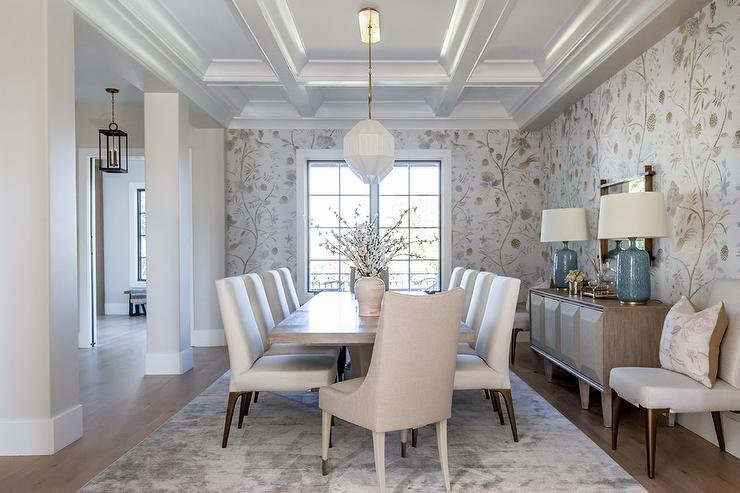
You can repurpose spare seating by placing them in entryways, bedrooms, or home offices to maximize utility throughout your house. Using extra dining room chairs helps you create functional vignettes while keeping your main dining area clear for daily movement.
Preparing Your Extra Dining Room Chairs
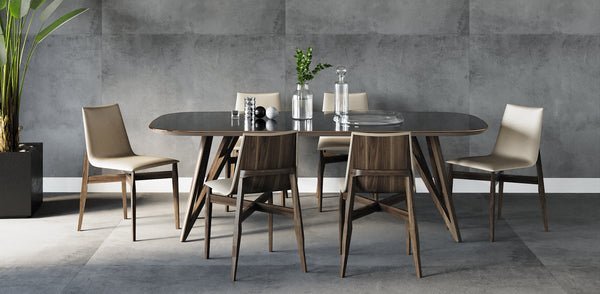
Gather these items to ensure your chairs look intentional rather than misplaced:
- Felt floor protectors: These prevent scratches on hardwood or tile surfaces.
- Small accent pillow: Useful for softening the look in living spaces.
- Decorative throw blanket: Drapes over the back to unify different furniture styles.
- Small side table: Pairs with a single chair to create a reading nook.
- Leveling shims: Necessary if the chair wobbles on uneven floor surfaces.
Always match the chair’s material to the room’s humidity level to prevent wood splitting; the Environmental Protection Agency provides guidance on maintaining healthy moisture levels in your home. If you lack these items, a simple folded rug can work as a temporary floor buffer.
Repurposing Your Spare Seating
- Clear the chosen space of existing clutter to see if the chair fits without blocking pathways.
- Attach felt pads to the bottom of each leg to protect your flooring from deep indentations.
- Position the chair in a corner or near a window to establish a dedicated reading or task spot.
- Add a textile like a throw or a small cushion to bridge the style gap between the chair and the rest of the room.
- Check for stability by sitting in the chair; if it rocks, use a thin wood shim under the shortest leg.
- Rotate your seating regularly to prevent uneven wear on your main dining set and the spare chairs.
Tip: Avoid placing heavy wooden chairs on thick, high-pile carpets, as they can tilt and become unstable. Careful: Don’t place dining chairs in high-traffic hallways where they might restrict exit routes during an emergency.
Adjusting for Different Rooms
The time and effort required to integrate a chair depend on the room’s function and the chair’s design.
| Location | Prep Effort | Style Match | Watch For |
|---|---|---|---|
| Entryway | Low | Medium | Blocking doors |
| Bedroom | Medium | High | Clothing piles |
| Home Office | High | Low | Back support |
| Living Room | Low | Medium | Floor scratching |
It’s always safer to start by placing one chair in a quiet corner and testing its utility for a week before adding more furniture to the space.
Ensuring Proper Placement
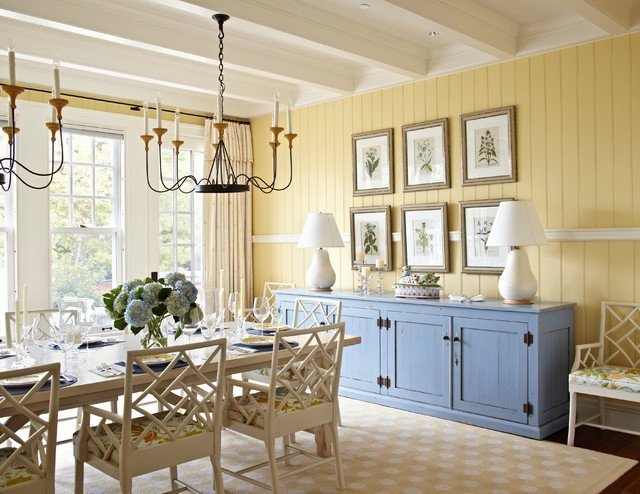
A successful placement looks like a deliberate choice rather than a storage solution. The chair should feel anchored to the wall or a side table. A poor result occurs when the chair sits in the middle of a room, disrupting the flow of traffic. This usually happens when the scale of the chair is too large for the available floor space. To prevent this, always measure the clearance around the chair;
Standards and Maintenance
Furniture placement should respect basic safety standards, particularly regarding fire safety and egress paths as outlined by the National Fire Protection Association. Keep chairs away from heat sources like radiators to prevent wood drying or fabric fading. Wipe down wooden surfaces with a dry microfiber cloth weekly to remove dust. If you use the chairs in a high-sunlight area, rotate them regularly to ensure the finish ages evenly. Professional upholstery cleaning is recommended whenever you notice it’s needed if the chairs feature fabric cushions.
Alternative Seating Strategies
Using as Side Tables
Place a small tray on the seat of the chair to transform it into a temporary side table. This works best for chairs with flat, wooden seats rather than cushioned ones.
Creating a Gallery Display
Group chairs against a blank wall under artwork to create a formal look. This keeps them out of the way while serving as a decorative element that fills empty vertical space.
Stacking or Nesting
If you have limited square footage, use chairs that are designed to stack. This allows you to store four chairs in the footprint of one, which is ideal for small apartment living.
Frequently asked questions
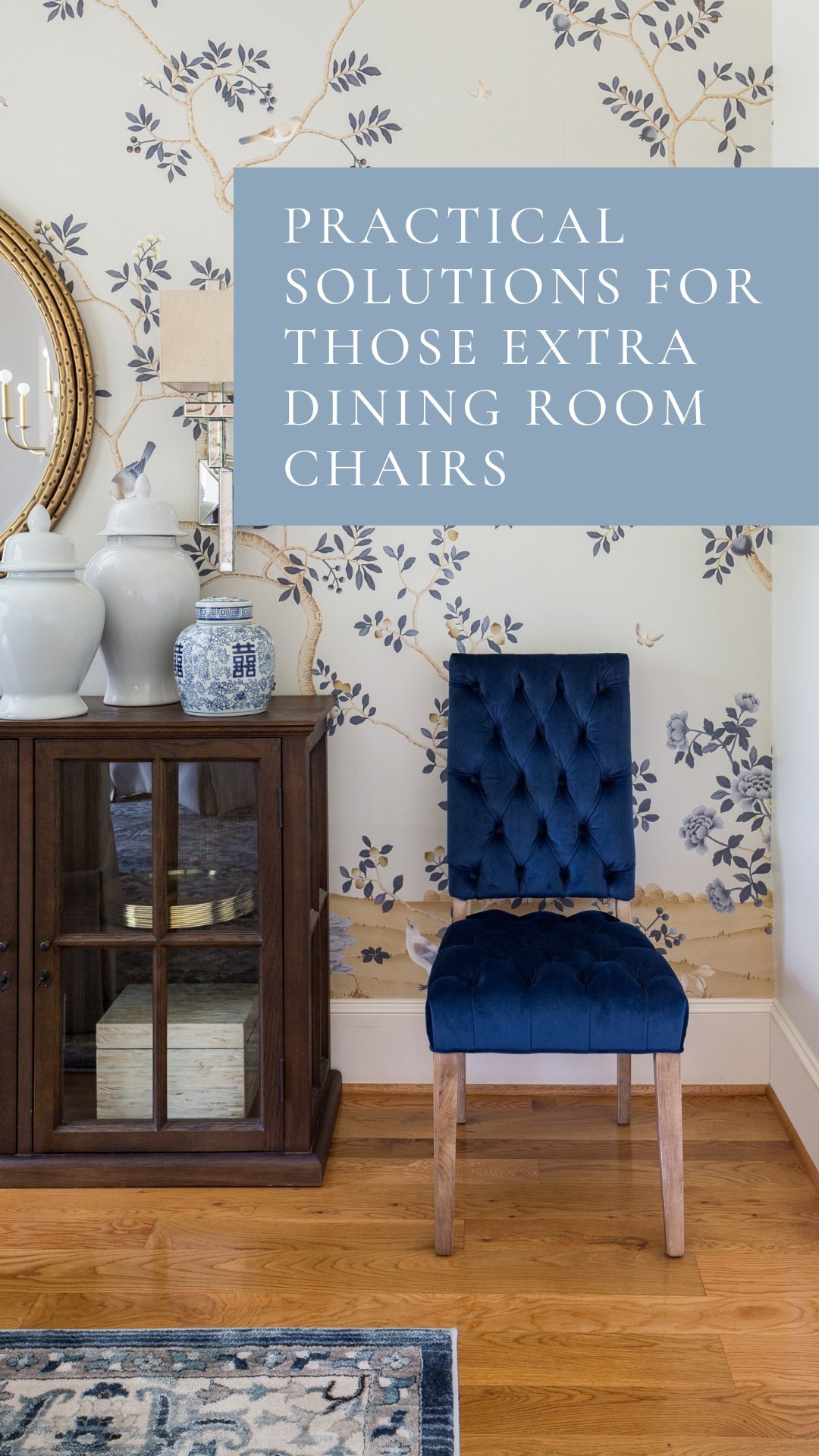
Can I paint my extra dining room chairs?
Yes, you can paint them to match your current room decor. Use a high-quality furniture paint and primer, and ensure you sand the existing finish lightly so the new paint adheres correctly to the surface of the wood.
How long can a chair stay in a bedroom?
A chair can stay in a bedroom indefinitely as long as it doesn’t block emergency exit paths. Periodically check that the chair remains stable and that the floor protectors are still attached to the legs.
Is it safe to use dining chairs as office chairs?
No, it’s generally not recommended for long hours of work. Dining chairs lack the lumbar support and adjustability of proper office furniture, which may lead to discomfort during extended periods of use.
What happens if the chair wobbles?
A wobbling chair indicates uneven floor surfaces or a loose joint. If the floor is level, check the joints for loose screws or glue failure. Tighten all hardware first; if it still wobbles, use a shim under the leg.
How do I store chairs if I have no room?
You can store chairs by folding them if they’re collapsible, or by placing them in a climate-controlled storage unit. Avoid attics or basements with extreme temperature swings, as these environments can warp wood and damage upholstery over time.
Extra dining, in short
Repurposing your extra chairs is a simple way to refresh your home’s layout without spending money on new pieces. By choosing the right spot and protecting your floors, you turn unused items into functional decor that serves your daily needs while keeping your dining area tidy.