
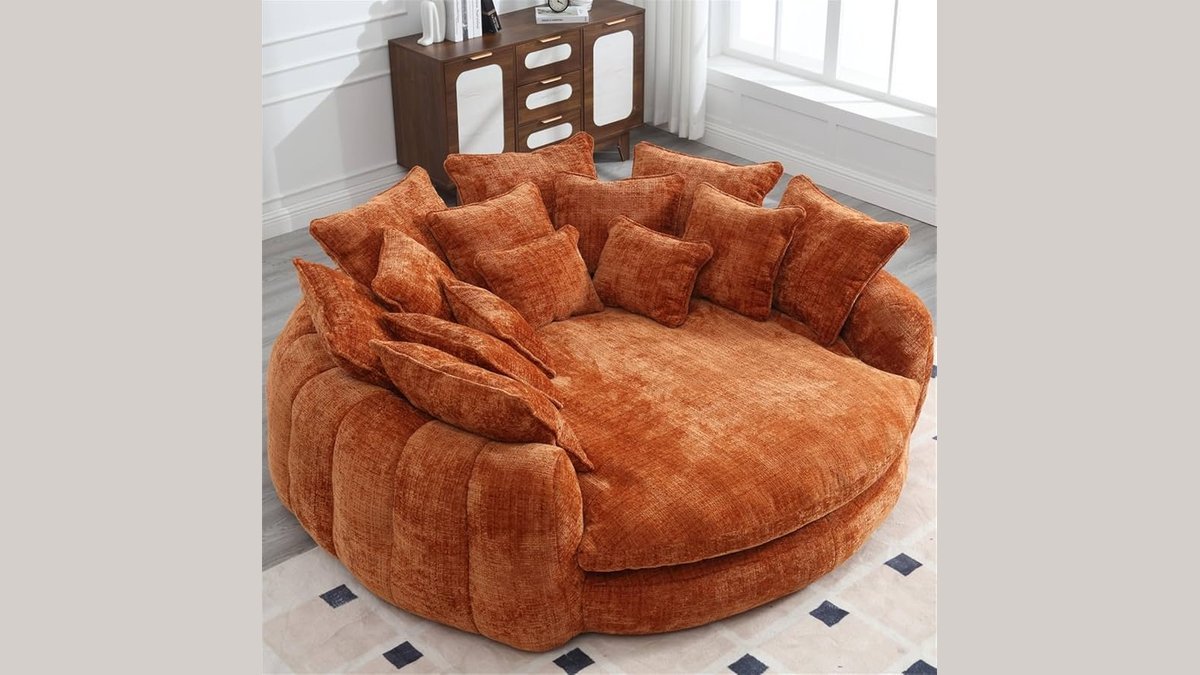
A standard lounge chair is typically between 28 and 35 inches wide. This measurement represents the distance across the front of the piece, from one outer armrest to the other, assuming you’re looking at a classic residential seat design.
Measuring your lounge chair space
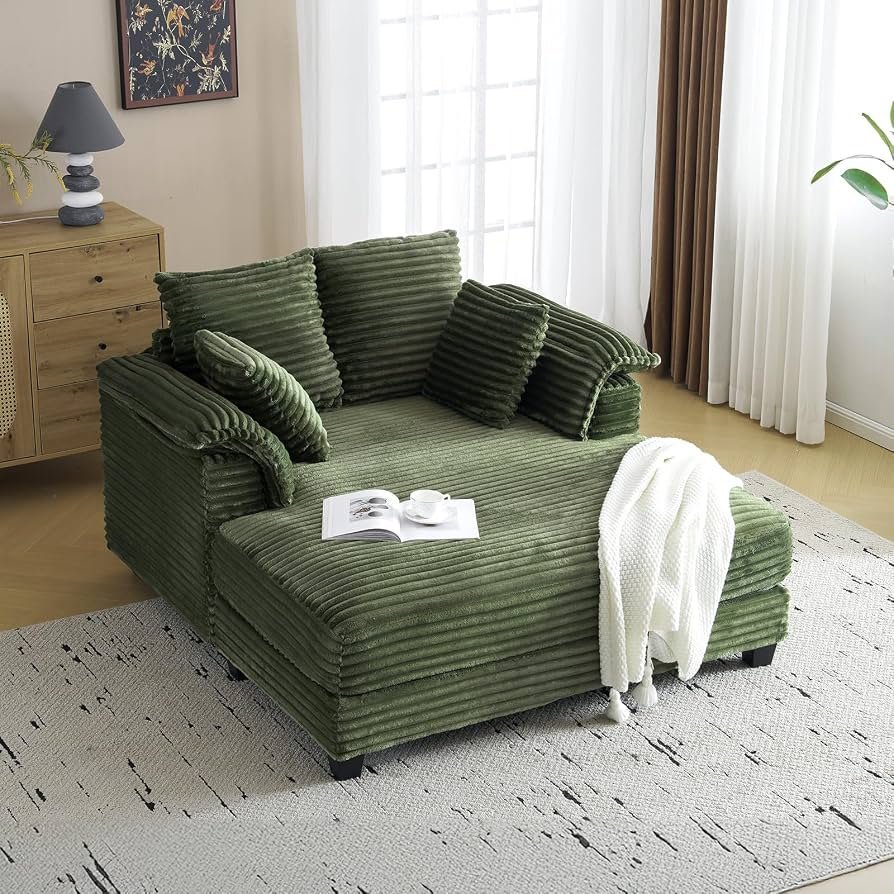
- Measure the widest point: Use a tape measure to check the distance between the two outermost edges of the armrests.
- Account for floor clearance: Ensure you have at least 18 inches of empty space on either side of the frame for easy movement.
- Check the door width: Standard interior doorways are usually 30 to 32 inches wide, which may require removing the chair legs for entry.
- Consider the back width: Some chairs are wider at the back than the front, so measure the widest part of the backrest if it protrudes.
- Check for wall clearance: Allow 6 to 12 inches between the back of the chair and the wall if the model has a reclining function.
Why Width Varies by Design
The size of a chair depends on its internal frame construction and the thickness of its padding. A lounge chair built for a commercial space, such as a waiting room, often uses thinner foam and tighter dimensions to save floor space, while residential models prioritize deep, plush cushions that add significantly to the overall footprint. According to the ADA Standards for Accessible Design, clear floor space for a single stationary person is often calculated at 30 inches by 48 inches, which serves as a helpful baseline when planning how much room your furniture needs. If you’re choosing between two models, check the “overall width” listed on the manufacturer’s specification sheet rather than the seat cushion width. The seat width is only the internal area, while the overall width includes the frame, armrests, and decorative trim, which determines if the item will physically fit in your room.
Adjusting for Different Chair Types
| Situation | What changes | What to do instead |
|---|---|---|
| Armless chair | No armrests | Measure the width of the seat base |
| Reclining model | Needs extension space | Add 20 inches to the depth |
| Swivel base | Rotating footprint | Allow 360-degree clearance radius |
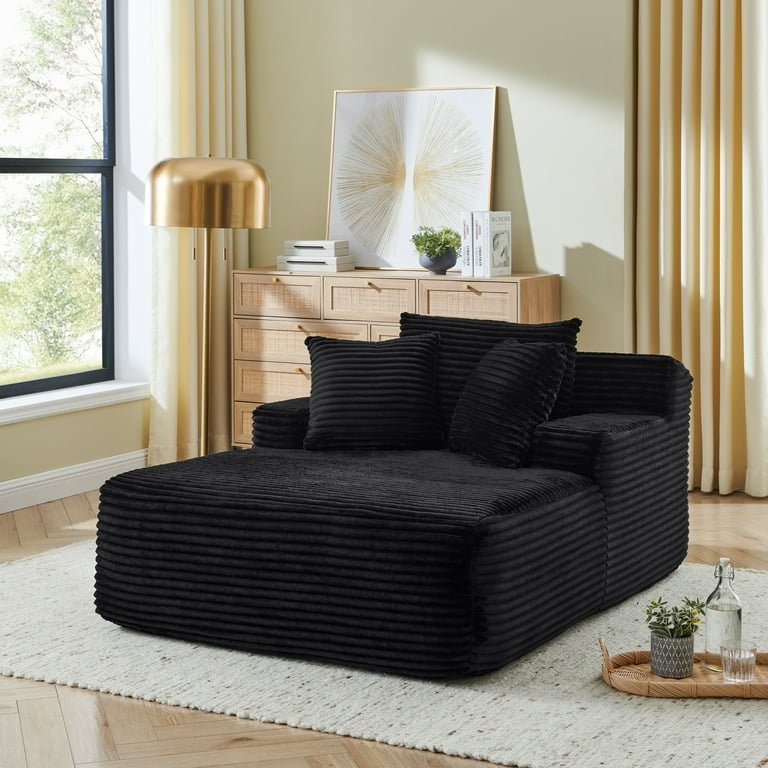
| Oversized lounge | Extra wide frame | Ensure 40 inches of width clearance |
| Loveseat style | Two-person width | Expect 48 to 60 inches total |
Finding the Right Fit for Your Room
- Place a piece of painter’s tape on your floor to outline the maximum width and depth the chair can occupy.
- Walk around the taped area to ensure you can reach other furniture without bumping into the intended chair placement.
- Measure the height of your side tables; a chair wider than 35 inches may look unbalanced if your tables are small.
- If the chair is for a corner, measure the diagonal distance from the wall corner to the front edge of the seat.
- Check the weight capacity if you choose an extra-wide frame, as these often require heavier internal steel supports for safety.
- Test the chair by sitting in it; if your elbows feel cramped, you likely need a wider model regardless of room space.
Common Mistakes That Ruin the Layout
- Ignoring the base: People often measure the backrest but forget the legs, which can be wider than the seat and cause tripping.
- Blocking traffic paths: Placing a chair too close to a walkway costs you flow, so always keep at least 30 inches of walking space clear.
- Overlooking wall depth: Failing to account for the chair’s reclining mechanism can damage the wall or the chair’s motor system.
- Misjudging scale: Choosing a chair that’s too wide for a small room makes the entire space feel cramped and difficult to navigate.
Frequently asked questions
Is a 30-inch wide chair considered small?
A 30-inch width is considered a standard or compact size for a lounge chair. It fits well in small apartments or bedrooms where you need a comfortable seat without taking up too much floor space in your living area.
How wide is a typical reading chair?
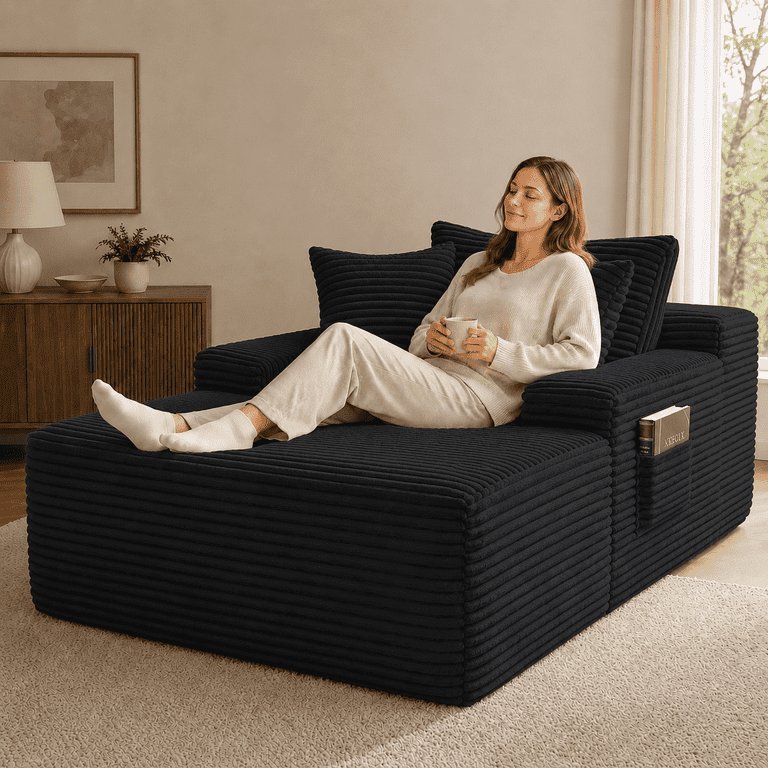
A typical reading chair is usually between 32 and 36 inches wide. This extra width allows for more padding and deeper armrests, which provide better support for your arms and shoulders while you hold a book for long periods.
What is the narrowest lounge chair available?
The narrowest lounge chairs are usually 26 to 28 inches wide. These are often armless designs or minimalist models intended for tight corners, though they may offer less lateral support than wider, more traditional styles of seating.
Does the width of a chair include the armrests?
The width of a chair always includes the armrests when listed as the “overall width” in product specifications. Always verify if the dimensions provided are for the frame alone or include the widest point of the armrests.
How much space should be between chairs?
You should aim for at least 18 to 24 inches of space between two lounge chairs. This gap provides enough room for a side table or lamp while ensuring that people can sit comfortably without feeling like they’re too close.
Is it safe to put a wide chair in a hallway?
It’s generally not safe to put a wide chair in a hallway if it blocks the primary path of travel. Ensure you have at least 36 inches of clear width remaining in the hallway to meet standard safety guidelines for movement.
Conclusion
Your comfort is the most important factor when you pick a chair width. If you’re tall or prefer to sit with your legs tucked under you, you’ll likely need a width of at least 34 inches to feel truly relaxed. Always measure the specific spot in your home before you buy, as the way a chair looks in a large showroom can be very different from how it fits in your own living space.