
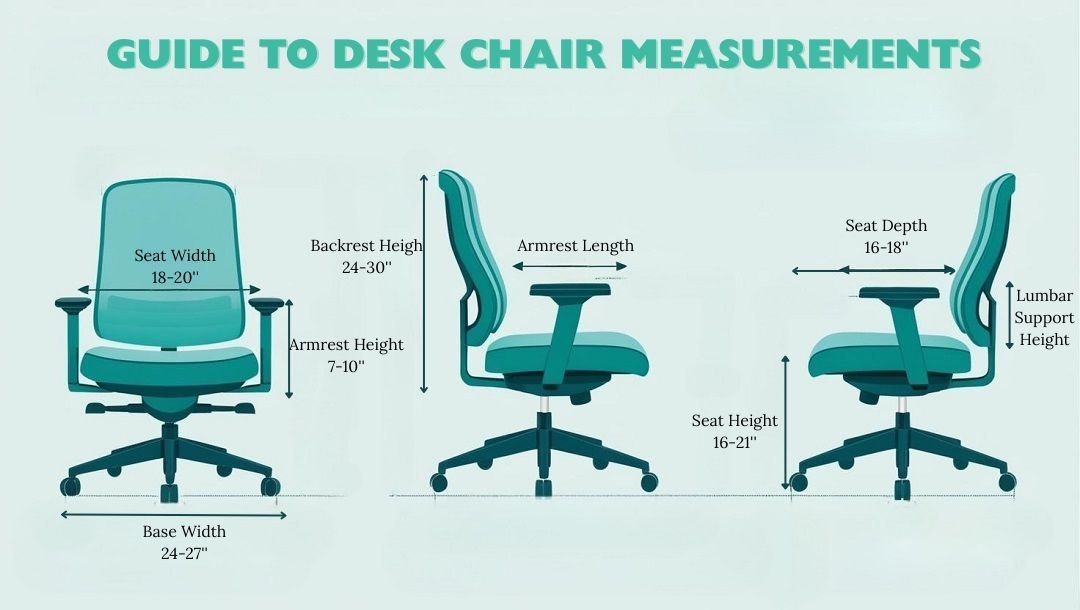
To find the seat depth, you place a tape measure at the front edge of the seat cushion and extend it straight back to the point where the cushion meets the backrest. Measuring the depth of a chair correctly ensures you choose furniture that provides proper lower back support.
If you’re measuring for comfort, always sit in the chair first to see where your knees land. If your legs are too long for the seat, you’ll feel pressure behind your knees; if the seat is too deep, you’ll struggle to reach the backrest. The most common mistake is measuring the total frame depth instead of the usable seating surface. This error leads to buying chairs that feel much larger than they actually are.
How to measure chair depth correctly
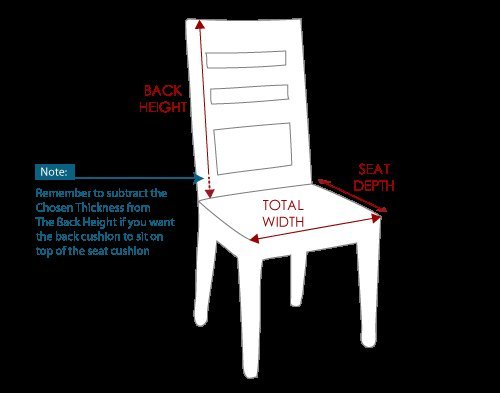
- Place your chair on a flat, level floor to ensure the frame isn’t leaning.
- Locate the front edge of the seat cushion where it curves downward toward the floor.
- Hook your tape measure on this front edge and pull it straight back toward the center of the backrest.
- Stop the measurement at the exact point where the seat cushion meets the vertical back support.
- Check that your tape measure remains parallel to the floor during the entire process.
Tip: If your chair has a curved or rounded back, take the measurement from the center of the front edge to the deepest point of the backrest.
Tip: Always measure the distance between the two points at the widest part of the seat to ensure you have the full depth.
If you’re planning to fit a chair into a tight space, you must also measure the total footprint of the furniture. If you need to verify specific dimensions for a workplace, contact a certified interior designer who has the tools to measure according to these industry standards.
Time Required for Measuring
Measuring a chair is a quick process, but it varies based on the shape of the furniture. The time you spend depends on whether the piece has loose cushions or a fixed frame.
| Situation | How long | What changes it | What to watch for |
|---|---|---|---|
| Standard dining chair | 30 seconds | Flat seat surface | Avoid measuring the legs |
| Overstuffed armchair | 2 minutes | Soft, rounded edges | Compress the cushion slightly |
| Recliner in use | 3 minutes | Moving parts | Ensure it’s locked in place |
If it takes longer than five minutes, you’re likely struggling to find the exact junction between the seat and back because of thick upholstery or decorative trim.
Identifying the End Point
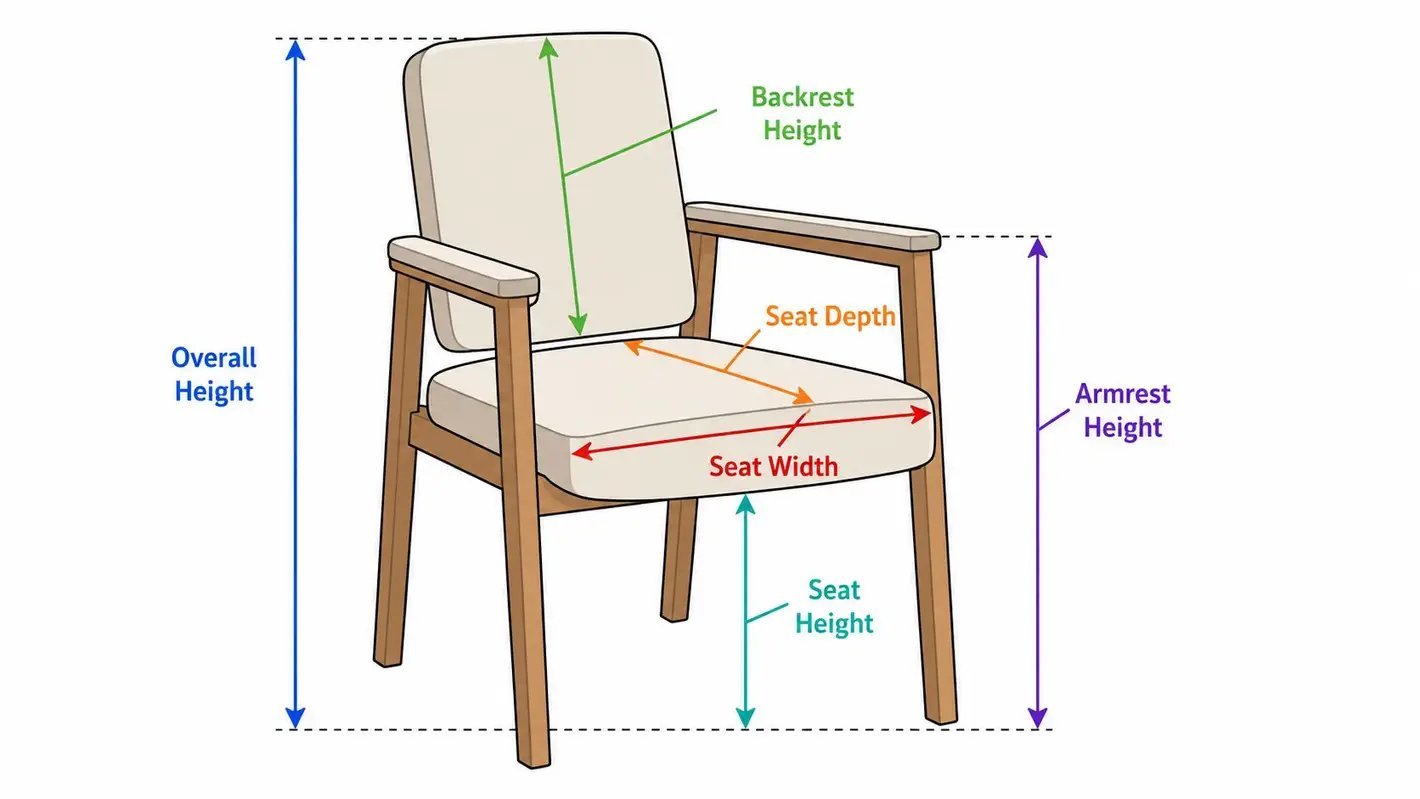
You know the measurement is done when your tape measure rests firmly against the back cushion at the same height as the seat surface. If the back cushion is slanted, measure to the point where the back of your thighs would naturally stop. A helpful trick is to place a flat book vertically against the backrest and measure from the front edge to the cover of the book. This creates a clear, vertical line that removes any guesswork caused by soft padding or pillows.
Common Measurement Mistakes
- Measuring the frame instead of the seat: This error makes the chair seem deeper than it is, which often results in purchasing furniture that doesn’t fit your room or your body. Always measure only the part where you actually sit.
- Ignoring the cushion compression: Soft foam compresses when you sit, which means the functional depth is shorter than the visual depth. Press down lightly while measuring to get a realistic number that reflects your actual sitting experience.
- Measuring at an angle: Slanting the tape measure creates an inflated number that doesn’t match the chair’s true dimensions. Keep the tape level to the floor to ensure your measurements are consistent across all your furniture pieces.
Frequently asked questions
Can I measure depth with a standard ruler?
Yes, you can use a standard ruler if the chair is small, but a steel tape measure is more accurate for larger armchairs. If you use a ruler, mark the spot on the seat and move the ruler repeatedly, as this prevents the errors caused by trying to span a long distance at once.
How much space should be behind my knees?
You should aim for a gap of about 2 to 3 inches between the front edge of the seat and the back of your knees. This space allows your legs to move freely and prevents the chair from cutting off your circulation while you’re sitting for long periods.
What happens if the seat is too deep?
A seat that’s too deep prevents you from using the backrest, which leads to poor posture and lower back strain. If you encounter this, you can fix it by adding a firm lumbar pillow to the back of the chair to push your body forward into a better position.
How do I measure a chair with a curved back?
You measure a curved back by finding the center point of the seat and extending the tape to the deepest part of the curve. If the curve is very deep, use a piece of string to follow the contour and then measure the string against a flat ruler.
Is seat depth the same as seat height?
No, these are different measurements that serve different purposes for your comfort. Seat depth measures from front to back, while seat height measures from the floor to the top of the cushion; both are needed to ensure the chair fits your body and your desk or table.
Does the cushion thickness matter?
Yes, the thickness of the cushion changes how the seat feels and how you measure it. If your cushion is removable, measure the frame depth separately to understand if you can replace the cushion with a thinner or firmer one to change the total depth of the seat.
Conclusion
Measuring your furniture correctly prevents wasted time and money when you’re trying to fit new pieces into your home. Always prioritize the functional space where you sit, and you’ll find that your chairs are much more comfortable for daily use.