
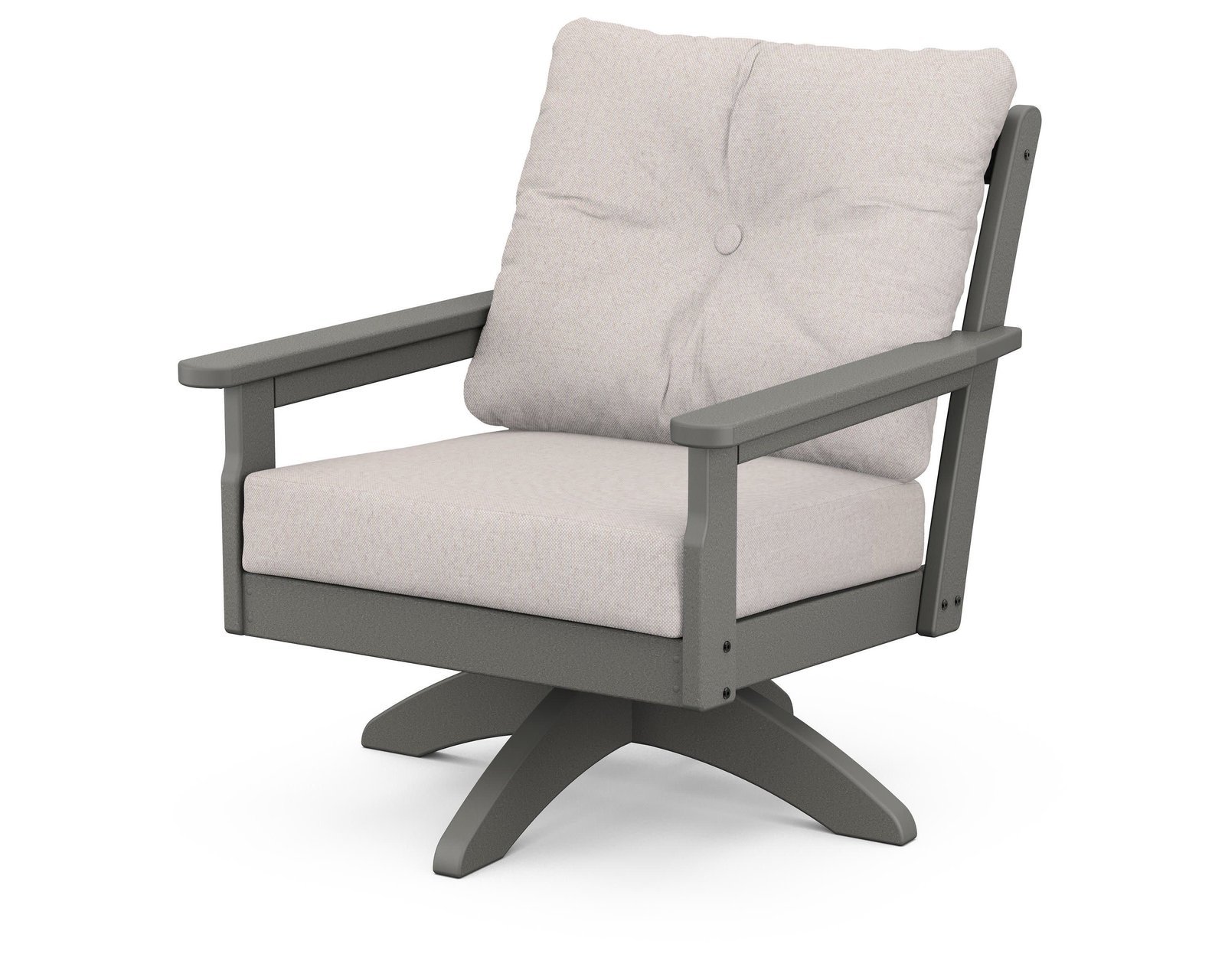
A standard dining or office chair seat is usually between 17 and 20 inches deep, meaning how deep is a chair is a measurement primarily dictated by the need for proper thigh support without hitting the back of your knees. If you’re taller, you’ll need more depth for comfort.
Choosing the right seat depth is the single most important factor for long-term comfort and preventing back pain. If the seat is too deep, you’ll lean forward to reach the floor, which strains your lower back. If it’s too shallow, your legs will lack support, causing pressure on your thighs. The most common mistake people make is ignoring their own height when buying furniture, which leads to immediate discomfort. Always test the fit before committing to a purchase.
How deep is a chair: Finding the Right Fit
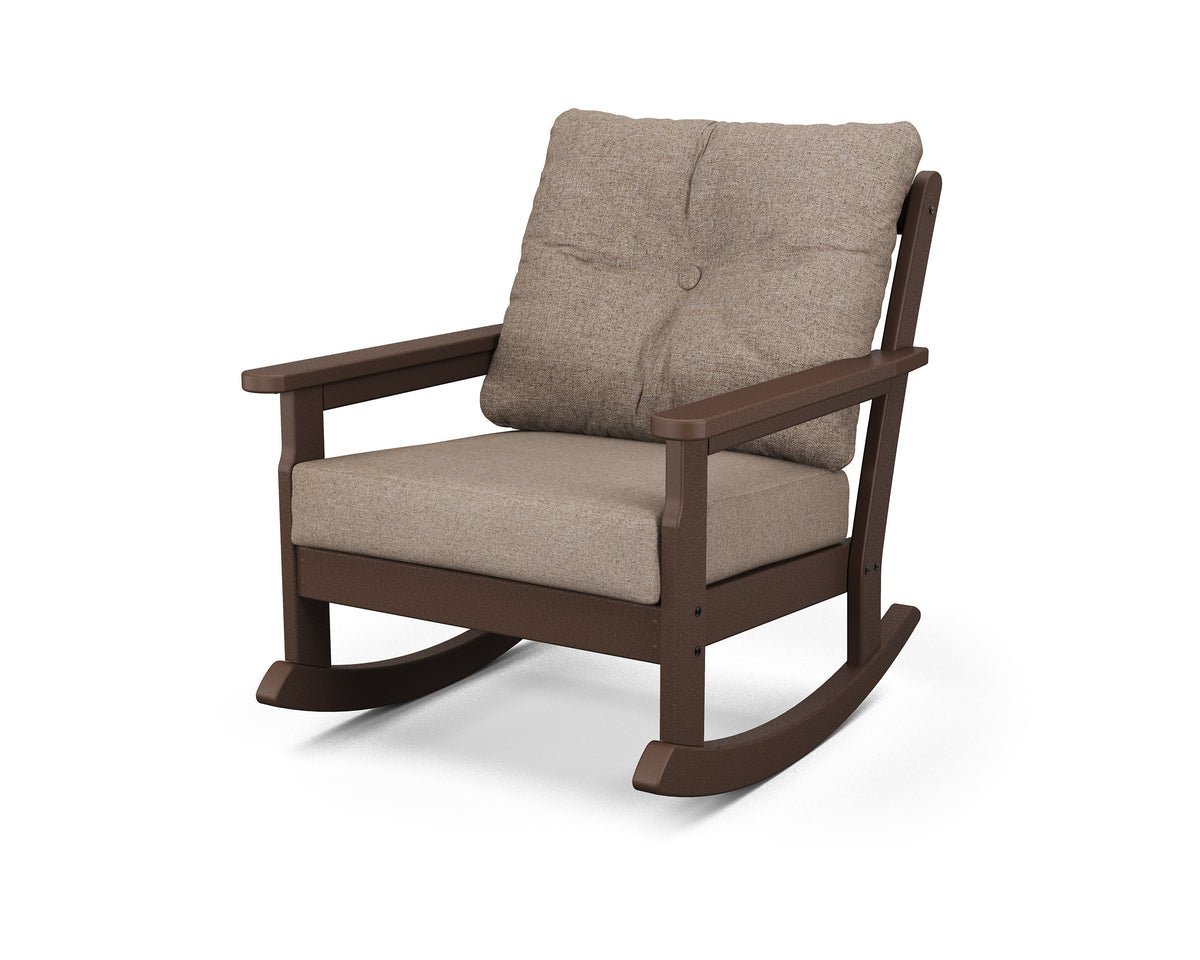
- Sit all the way back in the chair with your feet flat on the floor and your back against the backrest.
- Check the space between the front edge of the seat and the back of your knees.
- Ensure there’s a gap of about two to three inches between the seat edge and your calf muscles.
- Adjust the seat pan if your chair model allows for sliding depth adjustments.
- Use a footrest if your legs are too short to reach the floor while maintaining that two-inch gap.
Tip: If you feel pressure behind your knees while sitting, the chair is too deep for your frame.
Seat Depth Variations by Design
| Chair Type | Typical Depth | What Changes It | What to Watch For |
|---|---|---|---|
| Dining Chair | 16–18 inches | Backrest angle | Frame thickness |
| Office Chair | 17–20 inches | Sliding seat pan | Lumbar support position |
| Lounge Chair | 20–24 inches | Seat rake/tilt | Cushion softness |
| Accent Chair | 18–22 inches | Design style | Armrest placement |
If your chair feels significantly deeper than these ranges, you’ll likely need a lumbar pillow to push your body forward into a correct sitting position.
Signs of Proper Seat Depth
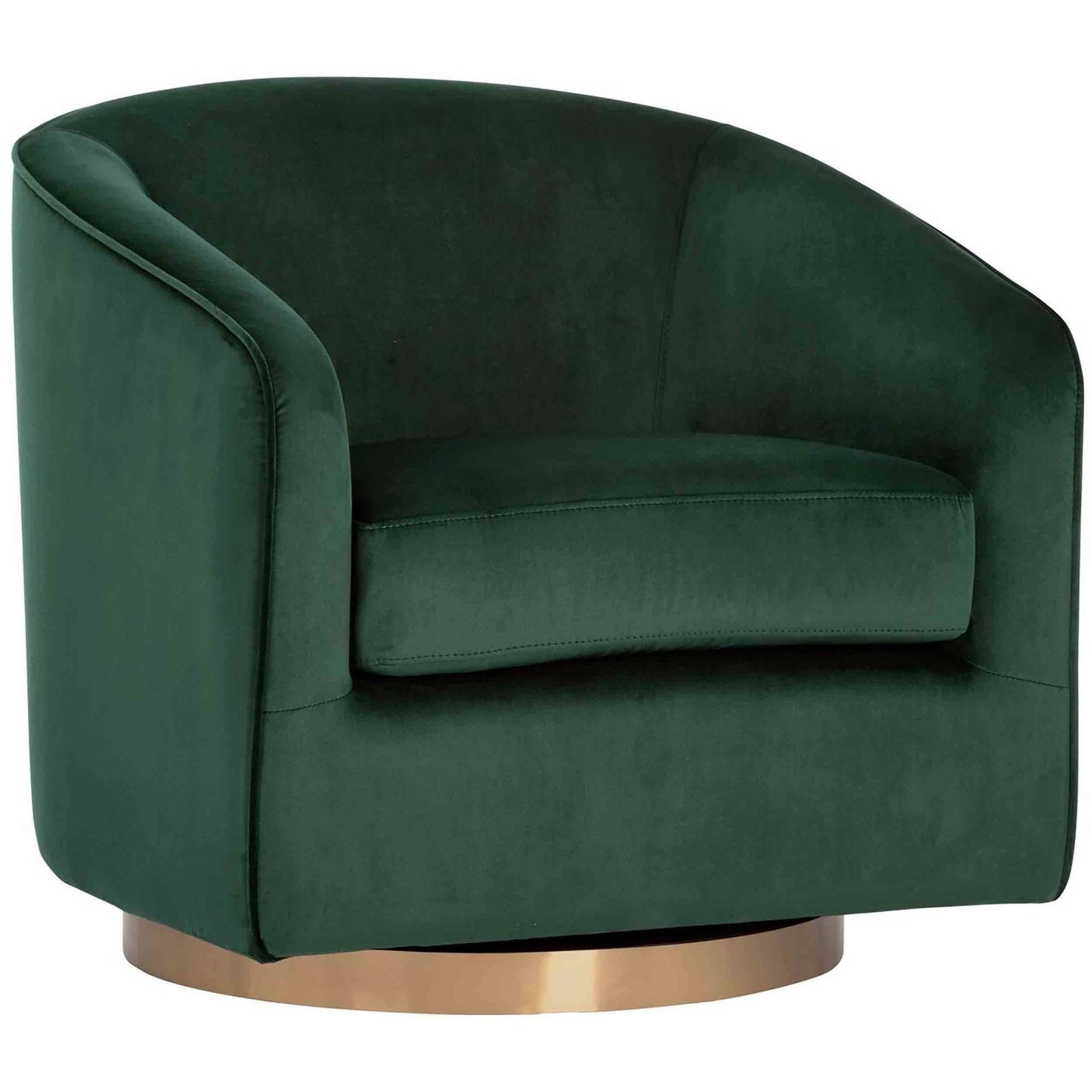
You know the depth is correct when your feet rest firmly on the floor and your back is fully supported by the backrest. There should be no pinching or tension behind your knees, and your weight should be distributed evenly across your thighs. If you have to slouch to feel comfortable, the seat is too deep. If you feel like you’re sliding off the front, it’s too shallow. This varies by model — check the label or the manufacturer’s technical drawing to confirm exact dimensions before you buy.
Common Furniture Sizing Mistakes
- Ignoring the seat-to-back angle: A chair with a deep recline requires more actual seat depth than an upright chair to prevent you from slipping forward. Always consider the tilt when measuring your space.
- Assuming one size fits all: People taller than six feet often require depths exceeding 20 inches, while those under five feet usually need 16 inches or less. Buying based on looks rather than body measurements leads to poor posture and chronic pain.
- Forgetting cushion compression: A plush, soft cushion will compress when you sit, which effectively increases the usable seat depth. Account for this “sink” factor by choosing a slightly shallower seat if the foam is very soft.
Frequently asked questions

Can I change the depth of my current chair?
Yes, you can modify the effective depth by adding a firm lumbar support cushion to the backrest. This pushes your torso forward, creating more space between your knees and the edge of the seat. If your office chair has a sliding seat pan, use the lever under the seat to adjust it.
How do I measure chair depth correctly?
Measure from the very back of the seat where it meets the backrest to the front edge of the seat cushion. You should use a rigid tape measure to ensure accuracy, as soft fabric tapes can sag or stretch. If the seat has a curved front, measure to the furthest point.
Is it safe to sit in a chair that’s too deep?
No, sitting in a chair that’s too deep for long periods often leads to poor posture and hip strain. You’ll likely find yourself perching on the very edge of the seat, which removes all back support and puts unnecessary pressure on your lower back and legs.
What happens if the seat is too shallow?
A seat that’s too shallow will leave your thighs unsupported, which puts all your weight on your sit bones. This creates localized pressure points that become painful after only a few minutes. Over time, this lack of thigh support leads to muscle fatigue in your legs and lower back.
How long should a chair last?
A high-quality chair typically lasts seven to ten years with daily, moderate use. Its lifespan depends primarily on the quality of the frame construction and the density of the seat foam. You should replace the unit once the foam loses its resilience or the frame begins to wobble.
Deep chair, in short
When you’re shopping for new furniture, don’t just look at the design. Take a tape measure with you to the store and sit down to test the fit yourself. You’ll quickly feel whether your legs have enough room to move, so you won’t end up with a seat that’s uncomfortable long-term.
Related guides