
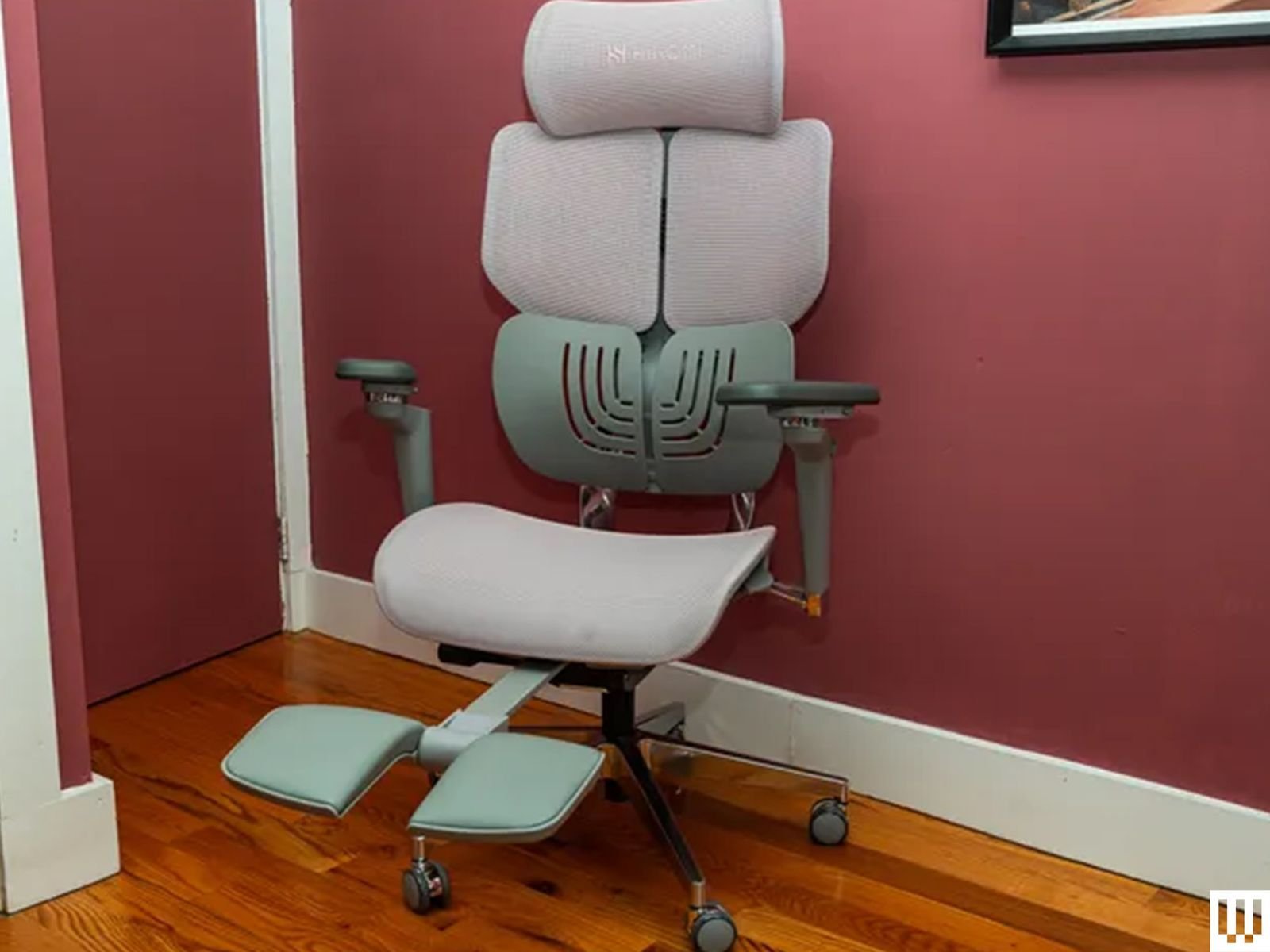
An ergonomic task chair with adjustable lumbar support and seat depth is the best type of office chair for most adults. You must choose a model that allows your feet to rest flat on the floor while keeping your knees at a right angle.
What type of office chair is best for comfort
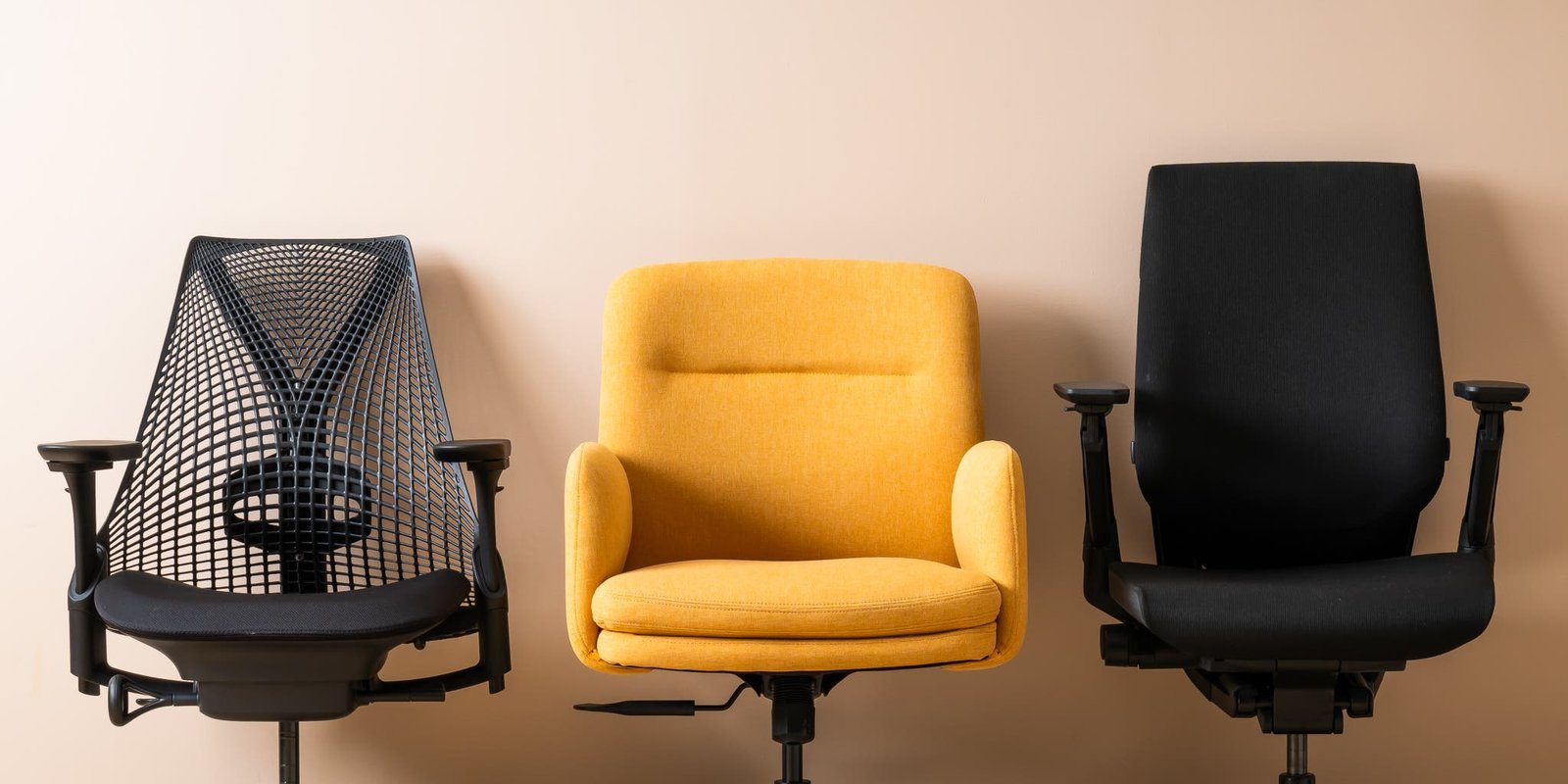
- Seat adjustment: Ensure the height allows your thighs to be parallel to the floor.
- Lumbar support: The backrest should curve to match your spine’s natural inward shape.
- Armrests: Adjust these so your shoulders stay relaxed and your elbows stay at ninety degrees.
- Depth control: Leave about two inches of space between the seat edge and your knees.
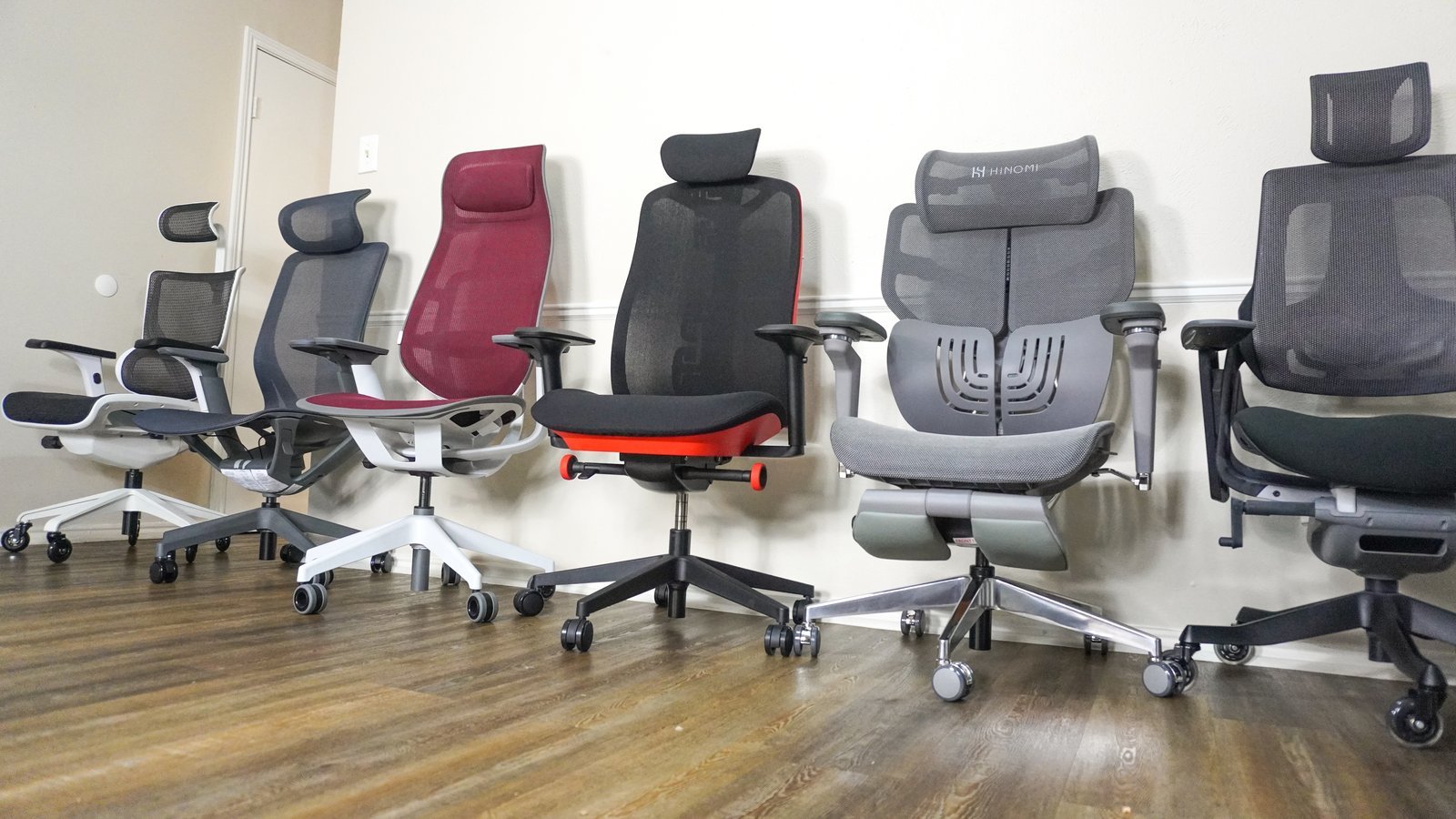
- Material: Choose breathable mesh or high-density foam to help distribute your body weight evenly.
- Base stability: Use a five-point star base to prevent the chair from tipping over during movement.
Why ergonomic design matters for your spine
The main reason to choose an ergonomic chair is to reduce the mechanical stress placed on your lumbar discs during long periods of sitting. When your chair supports the natural curve of your lower back, it prevents the slouching that forces your muscles to overwork. This alignment is vital because sustained poor posture leads to muscle fatigue and long-term spinal strain. According to the Occupational Safety and Health Administration, proper chair adjustment helps maintain neutral body positions, which significantly lowers the risk of developing musculoskeletal disorders in the neck and back. If your chair doesn’t fit your body, no amount of padding will stop the discomfort. You should prioritize a chair that offers multiple points of adjustment rather than one that simply looks modern or uses high-end materials. Always check the manufacturer’s weight limit and height range, as this varies by model — check the label to ensure it fits your specific frame.
Adjustments for different body types
| Situation | What changes | What to do instead |
|---|---|---|
| Very tall users | Seat height | Use a tall-cylinder gas lift |
| Short stature | Reach to floor | Add an adjustable footrest |
| Narrow shoulders | Armrest width | Choose narrow-width armrests |
| Heavy build | Seat width | Buy heavy-duty reinforced frames |
| Limited space | Chair footprint | Select a armless task chair |
How to set up your chair properly
- Place your feet flat on the floor; if they dangle, use a footrest to avoid pressure on your thighs.
- Adjust the seat height so your knees are level with or slightly lower than your hips to keep blood flowing.
- Slide the seat pan forward or backward until you have two inches of clearance behind your knees against the edge.
- Set the lumbar support height so it rests firmly against the curve of your lower back, not your upper back.
- Position the armrests so your shoulders feel relaxed; they shouldn’t push your shoulders up toward your ears.
- Lean back into the chair to confirm the backrest supports your spine through the full range of your movement.
Common mistakes that ruin your comfort
- Setting the seat too high causes pressure under your thighs and cuts off circulation to your feet.
- Ignoring the seat depth means you lose back support, which ruins your posture within thirty minutes.
- Choosing a chair based on style over function often results in a lack of necessary support features.
- Locking the backrest in a stiff, upright position prevents the natural micro-movements your spine needs to stay healthy.
Frequently asked questions
Can I use a dining chair for office work?
No, a dining chair lacks the necessary lumbar support and adjustability required for long-term sitting. You’ll likely develop back pain quickly because these chairs force your spine into a rigid position that doesn’t match your body’s natural shape.
Is it safe to use a stool?
No, most stools don’t provide the back support needed for extended work sessions. They force your core muscles to stay engaged constantly to keep you upright, which leads to rapid muscle fatigue and increased strain on your lower lumbar discs.
How long should an office chair last?
About seven to ten years is the typical lifespan for a high-quality office chair, though this varies by model — check the label for warranty information. Frequent use and the quality of the mechanical parts, like the gas lift, determine how long it lasts.
Does the material of the chair matter?
Yes, the material affects your comfort during hot weather. Mesh is usually better for airflow, which keeps you cool, while high-density foam provides a firmer, more stable seat that holds its shape longer than cheaper, softer padding materials.
What happens if the chair is too wide?
You’ll struggle to reach the armrests, which forces your shoulders into an awkward, stretched position. This creates tension in your upper back and neck, leading to discomfort that makes it difficult to focus on your work tasks for long.
How do I know if the chair fits?
You know the chair fits if your feet are flat on the floor, your back is fully supported, and your shoulders remain relaxed. If you feel any pressure points under your thighs or gaps between your back and the chair, it doesn’t fit.
Type office, in short
Choosing the right chair is an investment in your daily physical health and your ability to work without distraction. Take the time to test the adjustments before you buy, as your comfort depends on how well the seat matches your unique height and weight requirements.