
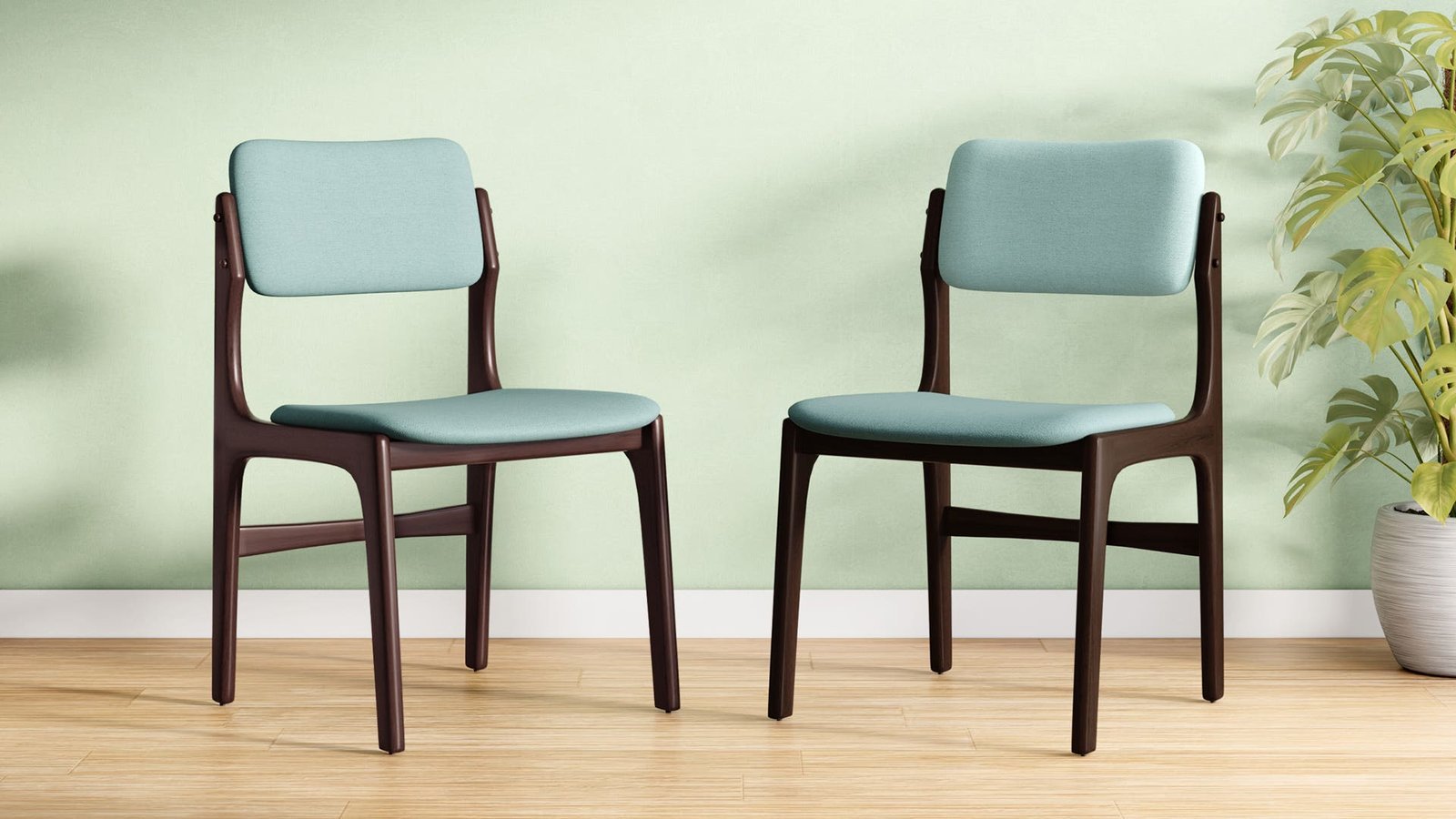
Prioritize a seat height of 18 inches and a clearance of 10 to 12 inches between the seat and the table apron when buying dining chairs. These standard dimensions ensure comfort for most adults while allowing enough legroom for movement.
How to buy dining chairs: Key features to look for
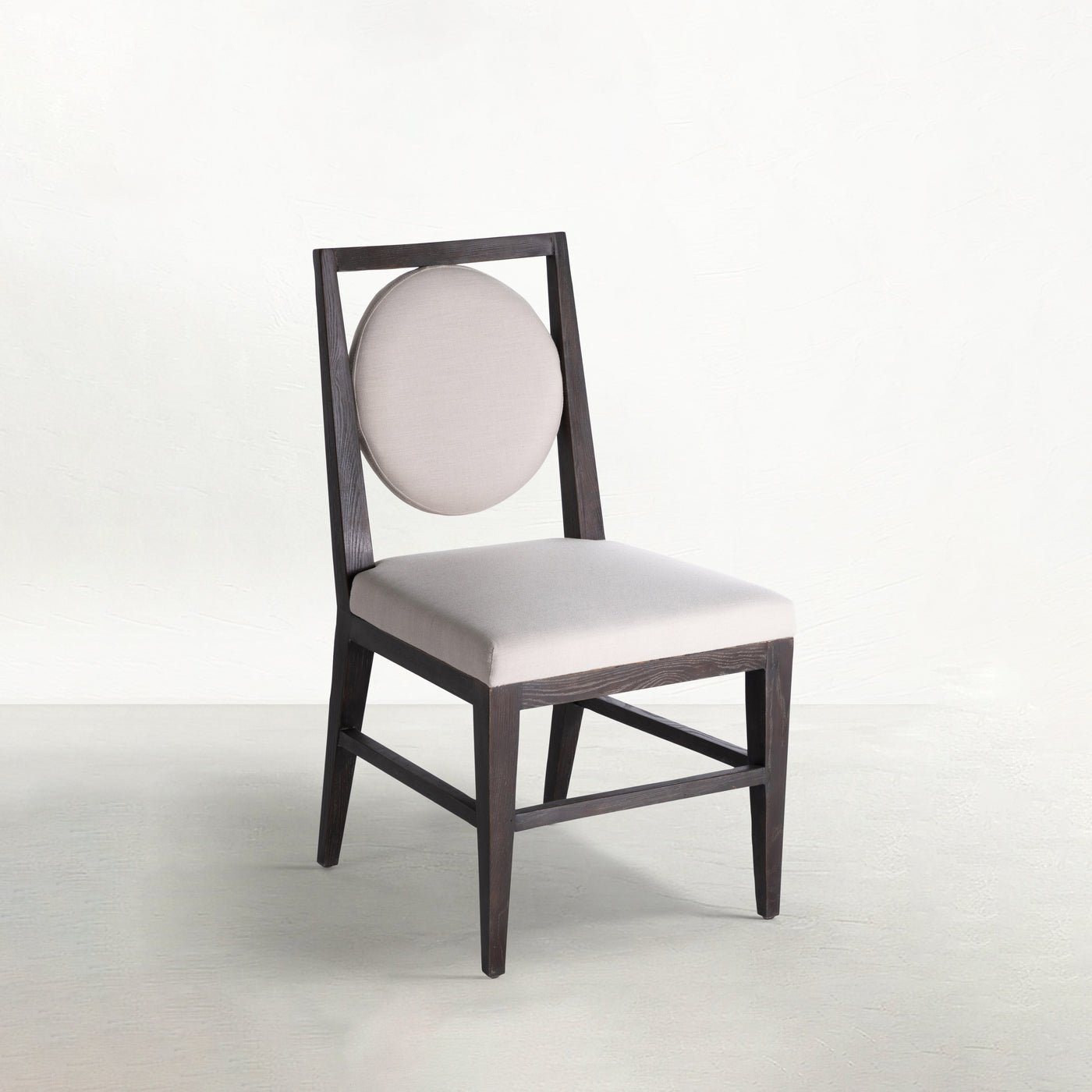
To choose the right furniture, you need specific information ready before you start shopping. Having these details prevents expensive mistakes and returns.
- Table height: Measure from the floor to the bottom of the table apron.
- Floor space: Note the width of your dining area to ensure chairs don’t block walkways.
- Upholstery preference: Decide if you need wipeable surfaces for children or pets.
- Tape measure: A standard steel tape measure is required for accuracy.
- Material samples: Keep fabric swatches if you’re matching existing decor.
If you’re unsure about safety, verify that your furniture meets the ANSI/BIFMA furniture standards for stability and durability. These standards help you avoid products that wobble or fail under regular use.
Steps for Choosing Furniture
- Measure your current table height to determine the necessary seat height. Most standard tables are 29 to 30 inches tall, requiring a seat height of 18 inches. If your table is taller, adjust your chair selection accordingly to maintain the 10- to 12-inch gap.
- Calculate the width of each chair by dividing the length of your table side by the number of people you want to seat. Allow at least 24 inches of width per person so guests don’t bump elbows.
- Check the chair depth to ensure it fits comfortably within your room dimensions. A deeper seat provides more comfort but requires more floor space behind the table when pushed out.
- Test the back support by sitting in the chair if you’re in a showroom. Ensure the lumbar curve aligns with your lower back.
- Verify the weight limit on the manufacturer’s label. Careful: Buying chairs without checking weight ratings often leads to premature frame failure or structural cracks.
- Compare the finish of the legs with your table. You don’t need a perfect match, but the wood tones should complement each other. Tip: If you have small children, avoid light-colored fabrics that show stains quickly; choose leather or performance microfiber instead.
Situational Selection Factors
The time and effort required vary based on your specific needs and the type of chair you select.
| Situation | Time/Cost | Difference | Watch For |
|---|---|---|---|
| Standard Wood | Low | Easy to clean | Wobbly legs |
| Upholstered | Medium | Higher comfort | Fabric stains |
| Custom Order | High | Long lead times | Color accuracy |
| Secondhand | Low | Needs inspection | Hidden damage |
It’s always safer to start small by purchasing two chairs to test for comfort before committing to a full set for a large table.
Confirming a Quality Purchase
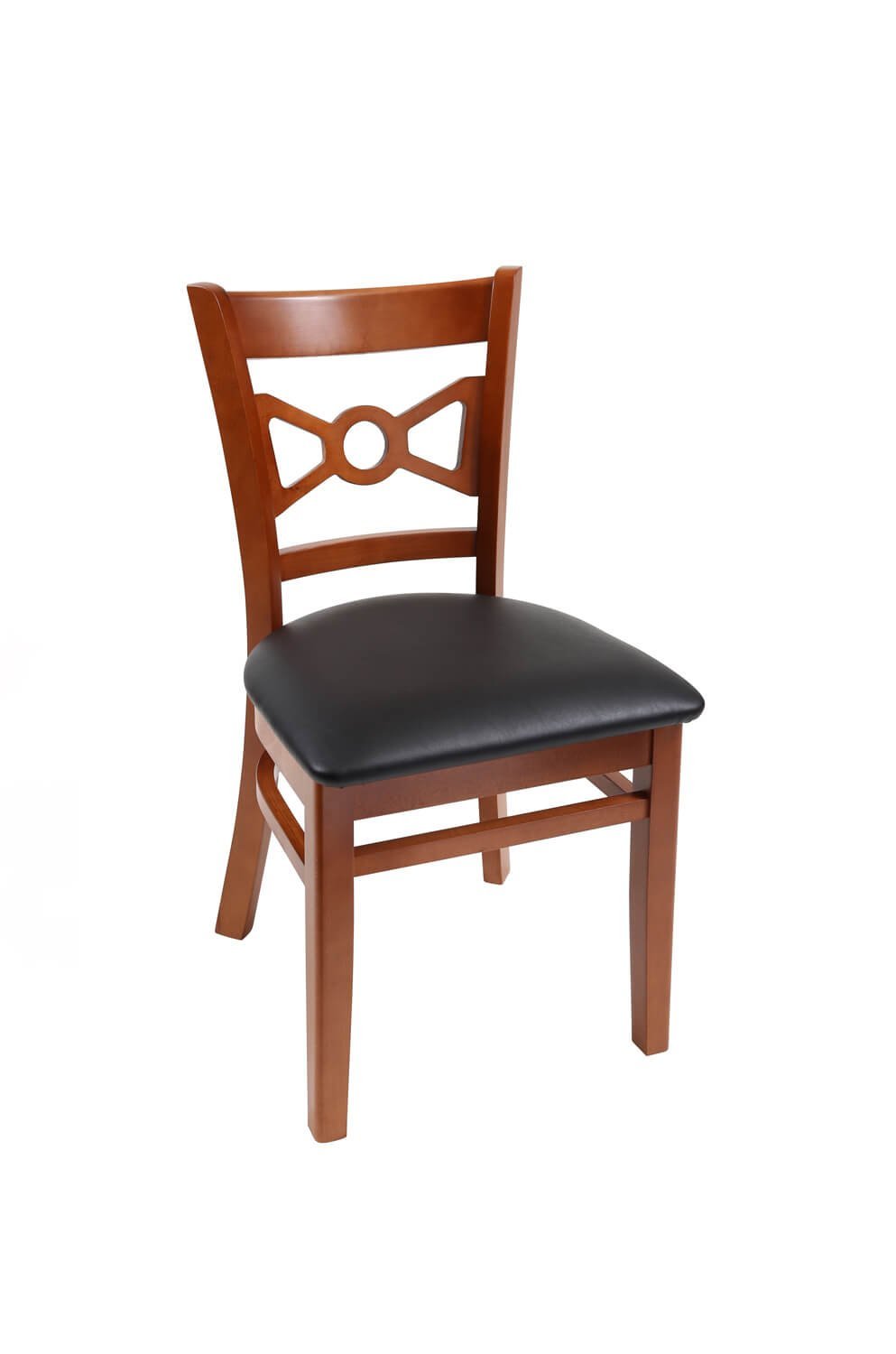
A well-made chair feels solid and doesn’t creak when you shift your weight. The joints should be reinforced with blocks or dowels, not just staples or glue. A common mistake is prioritizing aesthetics over structural integrity; this often results in loose joints within the first year of use. To prevent this, always lift the chair slightly to check its weight. If the chair feels light or flimsy, it’s likely built for short-term use rather than daily dining.
Rules and Proper Maintenance
The Consumer Product Safety Commission provides guidelines for furniture stability to prevent tipping hazards. After your purchase, check all bolts and screws regularly to ensure they remain tight. If you notice a loose joint, tighten it immediately to prevent the frame from warping. Keep your chairs away from direct sunlight or heat vents to prevent the wood from drying out or the finish from fading. If you lack the tools for assembly or repair, contact a professional furniture technician to avoid damaging the frame or voiding your warranty.
Alternative Ways to Purchase
Buying in Sets
Buying a matching set saves time and ensures a uniform look. This is the fastest route but offers less personality than mixing styles. Expect to pay a lower price per unit compared to individual chairs.
Mixing and Matching
Select chairs with similar heights but different designs to create a curated look. This requires more time to find pieces that coordinate well, but it adds unique character to your dining room.
Custom Furniture
Work with a local craftsman to design chairs that fit your exact specifications. This is the most expensive route and takes the longest, but you get a custom fit that works perfectly for your space.
Frequently asked questions
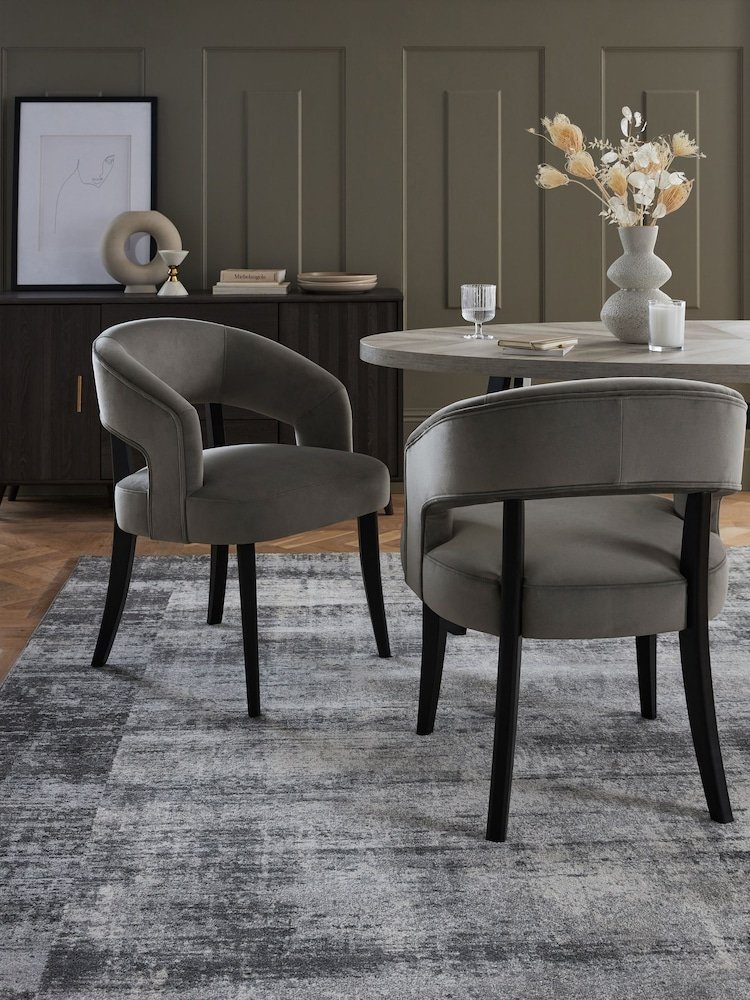
Can I mix different chair styles at one table?
Yes, you can mix styles as long as the seat heights are consistent. Keep the finish or the color consistent across the different chairs to ensure the space looks intentional rather than cluttered or mismatched.
How long should dining chairs last?
Quality dining chairs should last for many years with regular care. If the frame is solid wood and the joints are properly constructed, the chair will outlast cheaper options made with particle board or thin veneers.
Is it safe to buy used dining chairs?
Yes, it’s safe if you inspect the joints and stability before purchase. Check for signs of wood rot, loose screws, or broken supports that could pose a safety risk when someone sits down for a meal.
How much space do I need behind the chair?
You need at least 36 inches of clearance from the edge of the table to the wall or other furniture. This allows enough room for a person to pull the chair out and stand up comfortably.
What happens if the seat is too low?
You’ll feel uncomfortable and struggle to reach your food properly. If your seat is too low, you may need a thick cushion to raise your position, but it’s better to buy the correct height initially.
How do I clean upholstered dining chairs?
Use a vacuum with an upholstery attachment to remove dust and crumbs. This simple habit prevents debris from settling into the fabric, though you should always check the care label first to ensure you avoid harsh chemicals.
Dining chairs, in short
Once you’ve settled on a style you love, don’t rush the purchase. Visit a local showroom to test a few pieces in person, as comfort is something you can’t truly gauge online. You’ll be glad you took the extra time to ensure your new set feels just right for every meal.
Related guides