
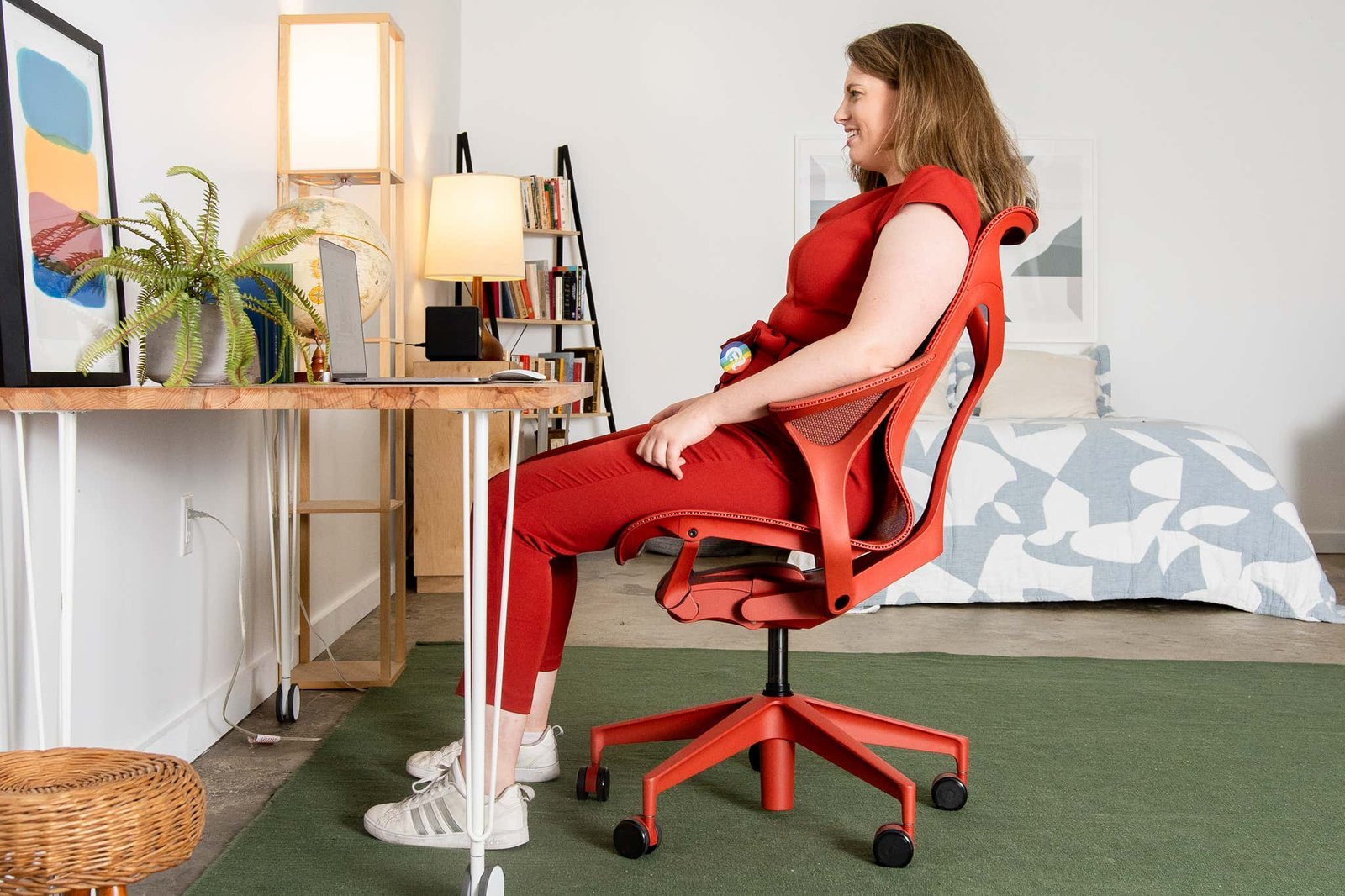
The Herman Miller Aeron is the best ergonomic office chair for most users because it offers superior lumbar support and breathable mesh material. You need a chair that fits your body size and height, as a seat that’s too large or too small will cause discomfort regardless of the brand.
Essential components of an ergonomic office chair
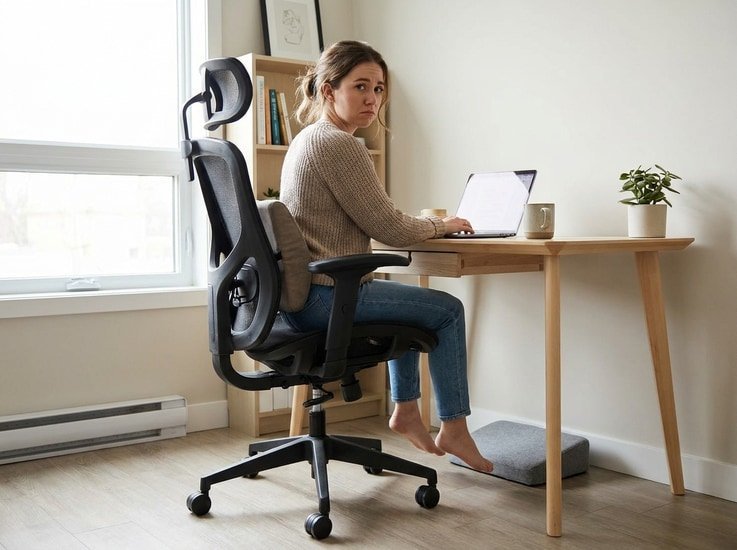
- Adjustable lumbar depth and height support the natural curve of your spine.
- Seat pan depth adjustment allows for two inches of space between the edge and your knees.
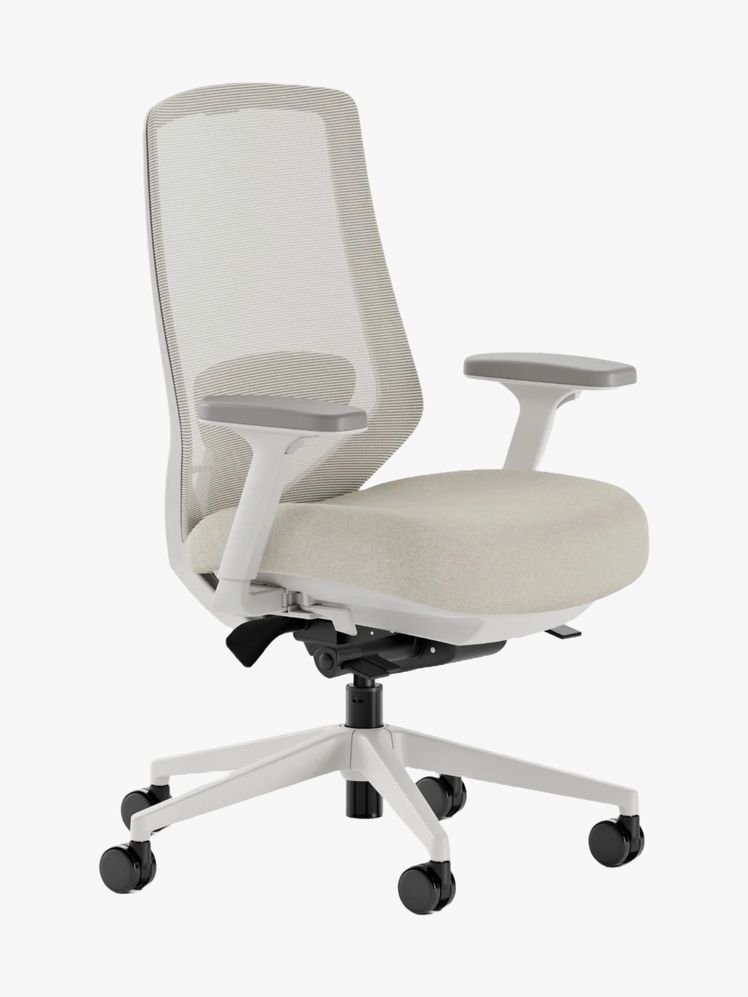
- Armrests must move in three directions—height, width, and angle—to prevent shoulder strain.
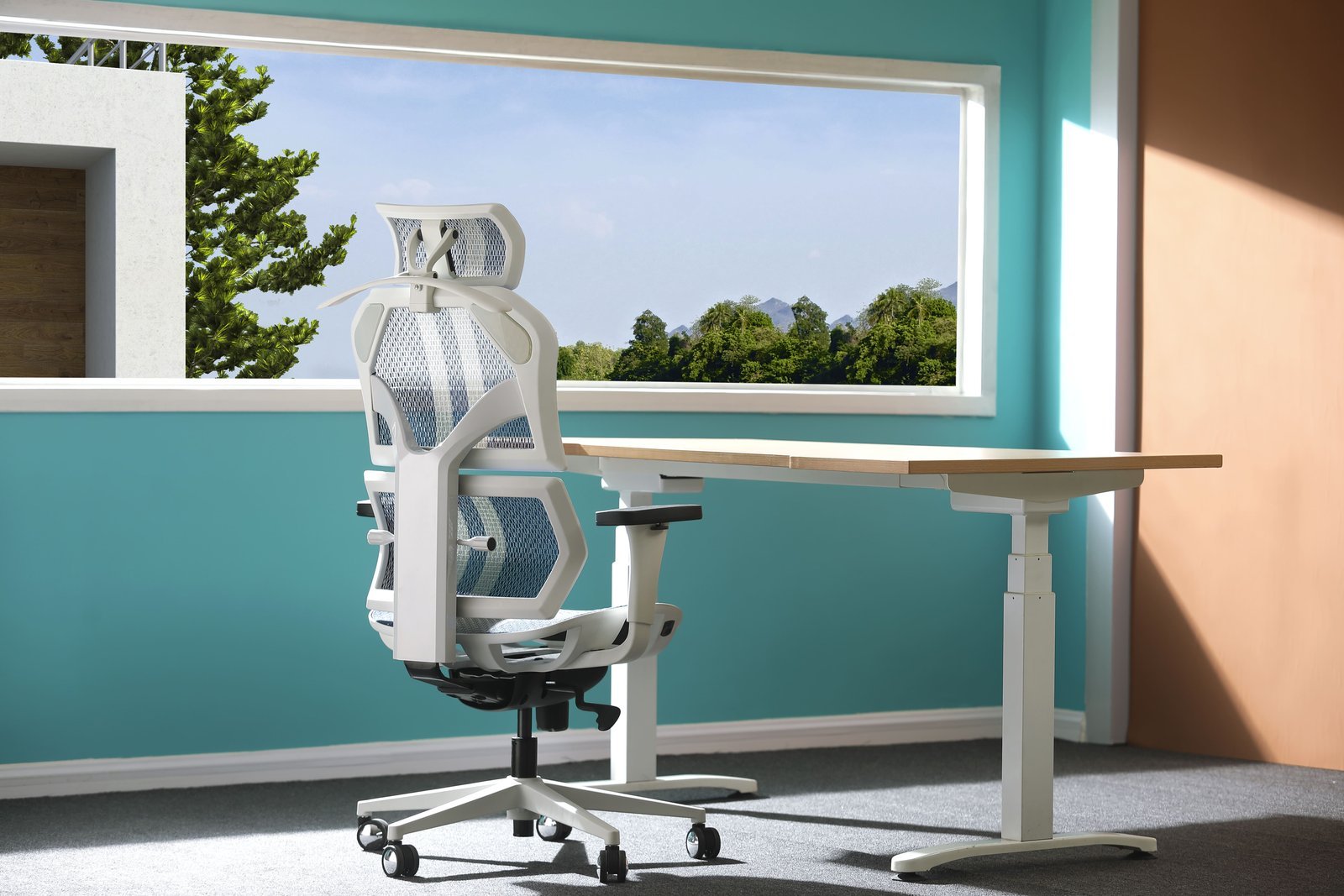
- Breathable mesh or high-density foam keeps the seat temperature neutral during long work sessions.
- Recline tension control lets you lean back without feeling like you’re falling over.
- Five-point base design ensures stability and prevents the chair from tipping during movement.
Why proper support matters
Ergonomic seating works by maintaining the spine’s natural “S” curve while you sit for extended periods. When your lower back lacks support, your pelvis tilts backward, which causes the upper spine to slump forward. This posture increases pressure on the spinal discs and creates tension in your neck and shoulders. According to the Occupational Safety and Health Administration, a chair that allows you to keep your feet flat on the floor and your thighs parallel to the ground is essential to reduce musculoskeletal strain. The mechanism of a high-quality chair uses a synchronous tilt feature, which allows the backrest and seat to move at a specific ratio. This keeps your hips open and your weight distributed evenly across the seat pan. If you feel pain after an hour, it usually means your chair lacks the necessary adjustments to match your body’s unique proportions.
Choosing the right chair configuration
| Situation | What changes | What to do instead |
|---|---|---|
| Very tall user | Seat height range | Seek tall-specific gas cylinders |
| Petite frame | Seat pan depth | Use chairs with slider mechanisms |
| Hot environments | Material choice | Prioritize mesh over thick foam |
| Shared workspace | Adjustment complexity | Choose simple, intuitive levers |
| Limited budget | Build quality | Buy refurbished professional models |
Steps for a perfect chair fit
- Place your feet flat on the floor; if your feet dangle, use a footrest to keep your knees at a ninety-degree angle.
- Adjust the seat height so your thighs are horizontal, ensuring your hips are slightly higher than your knees to promote better blood flow.
- Slide the seat pan depth until you have a two-finger gap between the back of your knees and the front of the chair edge.
- Position the lumbar support so it presses firmly into the inward curve of your lower back, preventing any slouching while you’re typing.
- Set your armrests so your elbows rest at a ninety-degree angle, which prevents your shoulders from hunching up toward your ears while working.
- Test the recline tension; you should be able to lean back with light pressure, but the chair should still hold your upright position firmly.
Common mistakes that cause back pain
- Setting the armrests too high forces your shoulders to stay elevated, which leads to chronic neck tension by the end of the day.
- Ignoring the seat depth adjustment causes the chair to cut off circulation behind your knees, often resulting in numb or tingling legs.
- Locking the recline mechanism in place prevents your body from making micro-movements, which are vital for keeping your muscles active while seated.
- Buying a chair without checking the weight capacity limit can cause the gas cylinder to fail or the frame to warp over time.
Frequently asked questions
Can a chair fix existing back pain?
No, a chair can’t fix existing injuries, but it can prevent further strain by keeping your spine in a neutral position. If you have chronic pain, talk to a doctor to see if your current seating is worsening an underlying issue or if you need physical therapy.
How long should an ergonomic chair last?
Most high-quality ergonomic chairs last between ten and fifteen years with daily use. You should check the manufacturer’s warranty information, as many top brands offer twelve-year coverage on parts and labor, which serves as a reliable indicator of the expected lifespan.
Is it safe to buy a used chair?
Yes, it’s safe if the frame isn’t cracked and the mechanical adjustments still function smoothly. Always test the gas cylinder to ensure it doesn’t sink while you’re sitting, as replacing the hydraulic cylinder is often the most expensive repair for older models.
What happens if the seat is too wide?
If the seat is too wide, you’ll be unable to use the armrests while maintaining a natural posture, which forces your arms to reach outward. This outward reach creates strain in the upper back and shoulders, negating the benefits of the chair’s lumbar support system.
Does the material really matter?
Yes, the material affects your comfort and temperature regulation during long work hours. Mesh is better for users who get warm easily, while high-density foam provides more consistent support for people who prefer a softer feel and spend less time moving in the chair.
How do I know if my chair is the right size?
You can verify the fit by checking if your back is fully supported against the backrest while your feet remain flat on the floor. If you have to sit on the edge of the seat to reach your desk, the chair is likely too deep for your body type.
Ergonomic office, in short
Investing in your workspace is about how your body feels after eight hours, not just how the chair looks. A chair that fits you properly will feel invisible, allowing you to focus on your work without constant adjustments. Take the time to measure your height and test the adjustments before making a final commitment, as this varies by model—check the label for the recommended height and weight ranges.