
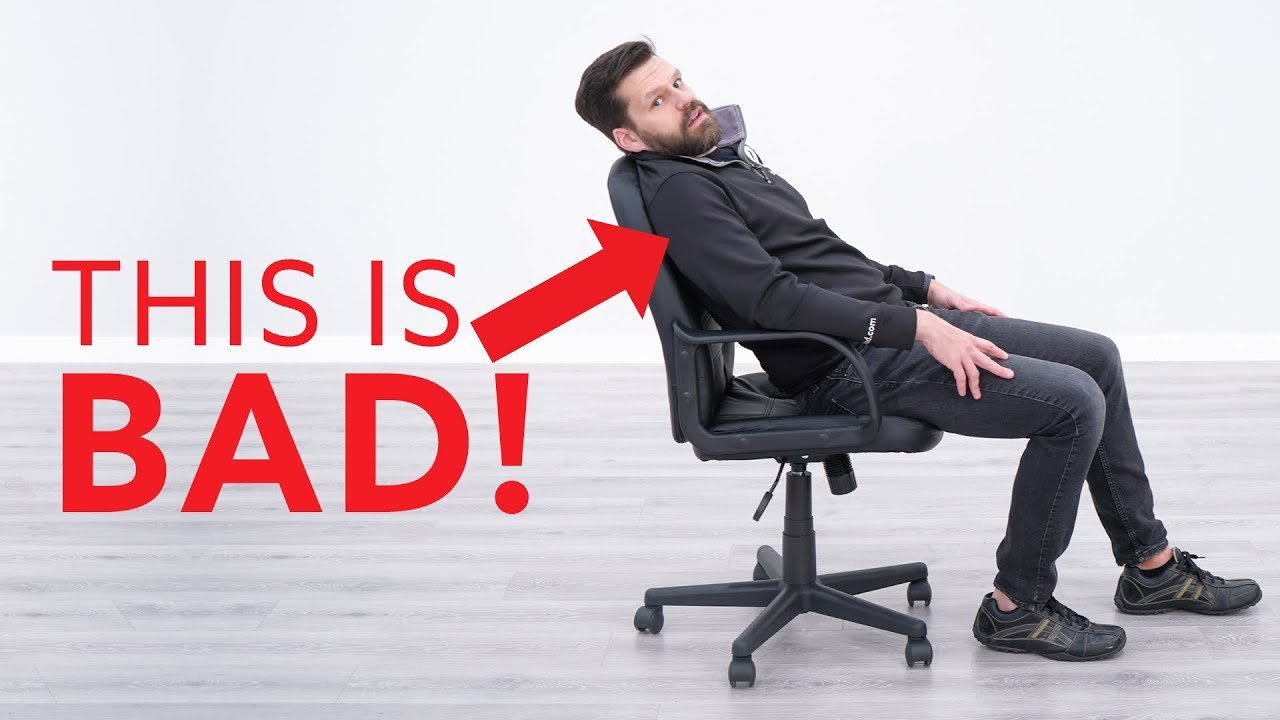
An ergonomic chair is worth it for anyone spending more than four hours a day at a desk, as proper lumbar support and adjustability significantly reduce the risk of musculoskeletal strain. While these chairs cost more than standard office models, the long-term benefit of improved posture justifies the investment.
Choosing the right seat depends entirely on your specific body dimensions and the duration of your daily desk work. If you’re under five-foot-four or over six-foot-two, you must verify the seat depth and height range before buying. The most common mistake is assuming a higher price tag guarantees a perfect fit; a chair that doesn’t match your spine’s natural curve will cause more discomfort than a basic, well-adjusted seat.
Making your ergonomic chair worth the investment
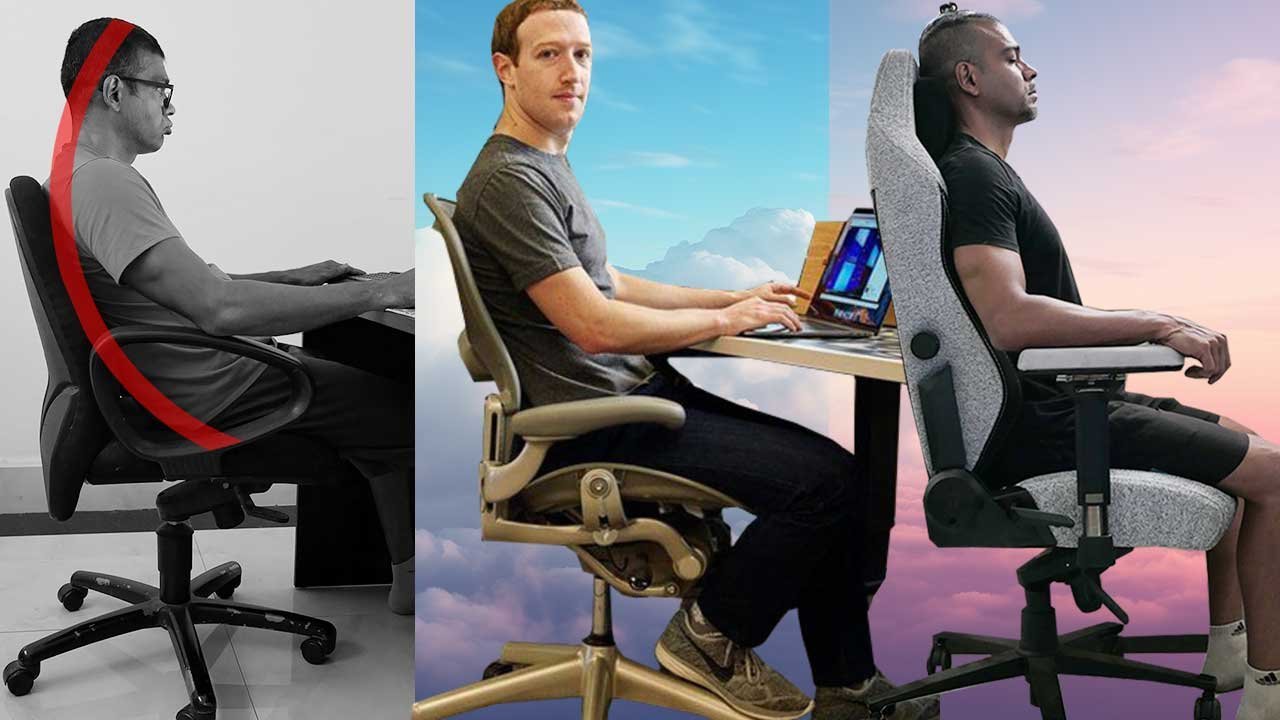
- Set the seat height so your feet rest flat on the floor and your knees are at a ninety-degree angle.
- Adjust the lumbar support to fit firmly into the natural inward curve of your lower back.
- Position the armrests so your shoulders stay relaxed and your elbows sit at a right angle while typing.
- Modify the seat pan depth to ensure there’s a two-finger gap between the edge of the seat and your calves.
- Tilt the backrest to a slight recline of about 100 to 110 degrees to reduce pressure on your spinal discs.
Tip: If your feet dangle after setting the chair height, use a footrest rather than lowering the seat, as this keeps your hips and knees aligned properly.
Tip: Avoid sitting in the same locked position all day; use the tilt-lock mechanism to change your angle every hour, as noted by the Occupational Safety and Health Administration guidelines regarding neutral body postures.
Expected time for postural adjustment
The time required to feel the benefits of a new chair varies based on your existing habits and current physical state. If you’re transitioning from a chair with zero support, your body may require a week or two to adapt to the new, corrected alignment.
| Condition | Adaptation Time | Primary Driver | What to Watch For |
|---|---|---|---|
| Minor discomfort | 3–5 days | Posture habits | Increased lower back ease |
| Chronic back pain | 2–4 weeks | Spinal alignment | Reduction in morning stiffness |
| Poor existing chair | 1 week | Support quality | Less shoulder fatigue |
If you feel increased pain after two weeks of consistent use, check that your desk height isn’t forcing you to hunch over the chair.
Signs of a proper fit
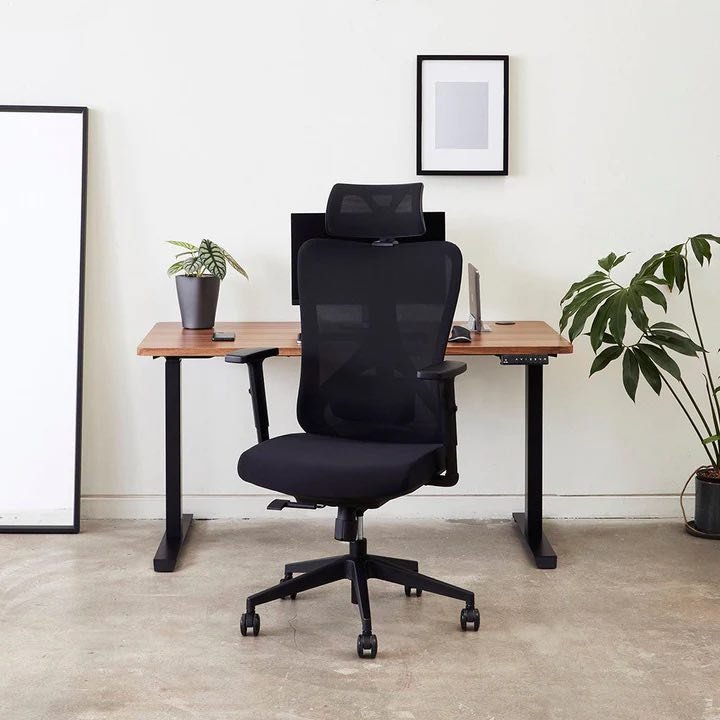
You know the chair is working when you no longer feel the need to lean forward or slouch to find a comfortable spot. Your lower back should feel supported without being pushed, and your thighs should be fully supported without the front edge digging into the back of your knees. The American National Standards Institute sets specific requirements for office furniture dimensions to ensure that a chair can accommodate a wide range of user sizes safely. If you find yourself constantly shifting or feeling pressure points, the chair is likely the wrong size or lacks the necessary adjustments for your frame.
Common mistakes to avoid
- Ignoring seat depth: A seat that’s too deep prevents your back from touching the backrest, which forces you to slouch. Always ensure you can sit all the way back while leaving space behind your knees.
- Over-tightening tension knobs: Many people tighten the recline tension so much that the chair becomes rigid, which defeats the purpose of dynamic movement. Set the tension so the chair moves with you, providing light resistance as you lean back.
- Choosing style over function: Buying a chair solely for its appearance often results in missing critical features like adjustable armrests or breathable mesh. Prioritize functional adjustments that match your body measurements over the color or brand name.
Frequently asked questions
Can an ergonomic chair fix my back pain?
An ergonomic chair can help reduce pain caused by poor sitting habits, but it isn’t a medical device. If your back pain is persistent or severe, you should consult a doctor to determine if the issue is structural or related to your desk environment.
How long does an ergonomic chair last?
Most high-quality ergonomic chairs last between seven and twelve years, depending on the quality of the materials and daily use. This assumes you follow the maintenance schedule in the manual, such as cleaning the mesh or fabric and tightening any bolts that may loosen over time.
Is it safe to buy a used ergonomic chair?
It’s safe to buy a used chair if the mechanical adjustments still function smoothly and the upholstery is free from significant wear. Always inspect the gas cylinder for signs of sinking, as this is the most expensive part to replace if it fails shortly after your purchase.
Why do my legs hurt after using an ergonomic chair?
Leg pain often happens because the seat pan is too high or too deep, which restricts blood flow behind your knees. You should adjust your seat height so your feet are flat on the ground and ensure that the seat edge doesn’t press into your calves.
What happens if the chair doesn’t fit my height?
If a chair doesn’t fit your height, you’ll experience either shoulder strain or lower back pain because the contact points don’t align with your spine. Check the manufacturer’s size chart before you buy, as some models are built specifically for shorter or taller users.
Ergonomic chair, in short
Investing in a quality chair is a practical step toward long-term comfort, provided you take the time to adjust the settings to your body. When you prioritize support over aesthetics, you create an environment that minimizes strain during long hours of desk work.