
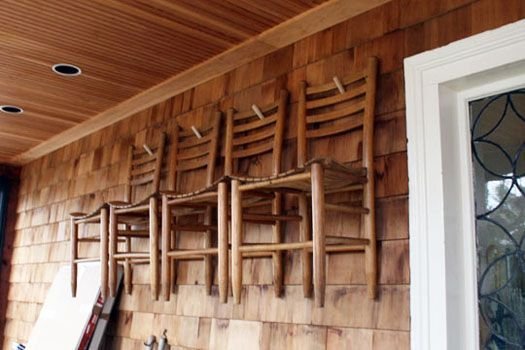
Storing dining room chairs in a climate-controlled area with low humidity protects your furniture and saves space. This task takes about 30 minutes for a set of four, costs very little for basic covers, and is easy for anyone to manage if they have a dry, indoor storage spot.
Supplies to store your dining room chairs
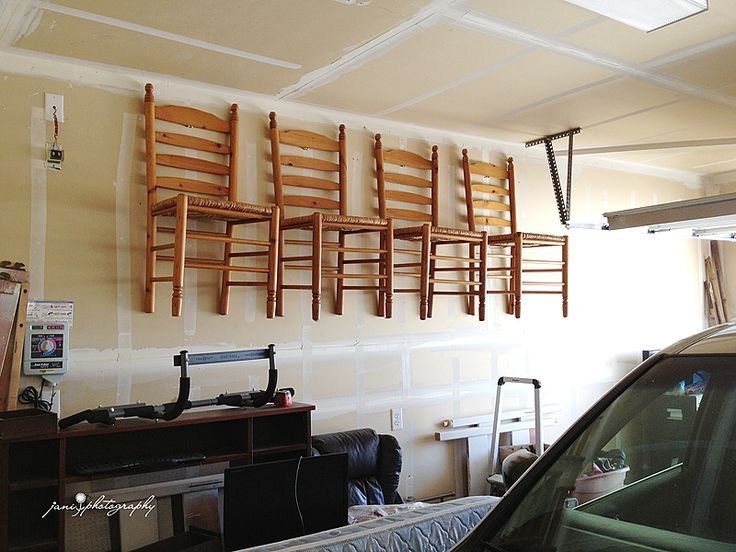
| Item | How much | Why it’s needed | A substitute |
|---|---|---|---|
| Cotton sheets | One per chair | Protects against dust | Old bed linens |
| Bubble wrap | Two meters | Prevents scratch damage | Thick moving blankets |
| Packing tape | One roll | Keeps covers secure | Painter’s tape |
| Cardboard | Two sheets | Protects floor contact | None — don’t swap |
Preparation before storing
- Wipe every surface with a soft, dry cloth to remove all dust and food crumbs.
- Check the underside for loose screws and tighten them using a manual screwdriver.
- Clear your storage area of all liquids and chemicals that might spill or leak.
- Ensure the space stays between 50 and 70 degrees Fahrenheit to prevent wood cracking.
- Never store chairs in an unheated garage or shed, as rapid temperature swings damage finishes.
Steps for safe storage
- Vacuum the seat upholstery thoroughly using a brush attachment to remove debris that attracts pests.
- Inspect the legs for existing scratches or loose joints to determine if they need repair first.
- Wrap the entire chair in a clean cotton sheet to allow the material to breathe properly.
- Place a small silica gel packet inside the seat base area to control internal humidity levels.
- Secure the sheet with low-tack painter’s tape to avoid leaving sticky residue on the wood.
- Add a layer of bubble wrap over the legs if you plan to stack them carefully.
- Place a piece of cardboard on the floor of your storage unit to prevent direct contact.
- Position the chairs upright in a cool, dark corner away from any direct sunlight or windows.
- Avoid stacking chairs unless the manufacturer explicitly states the frame can support the extra weight.
Signs of successful storage
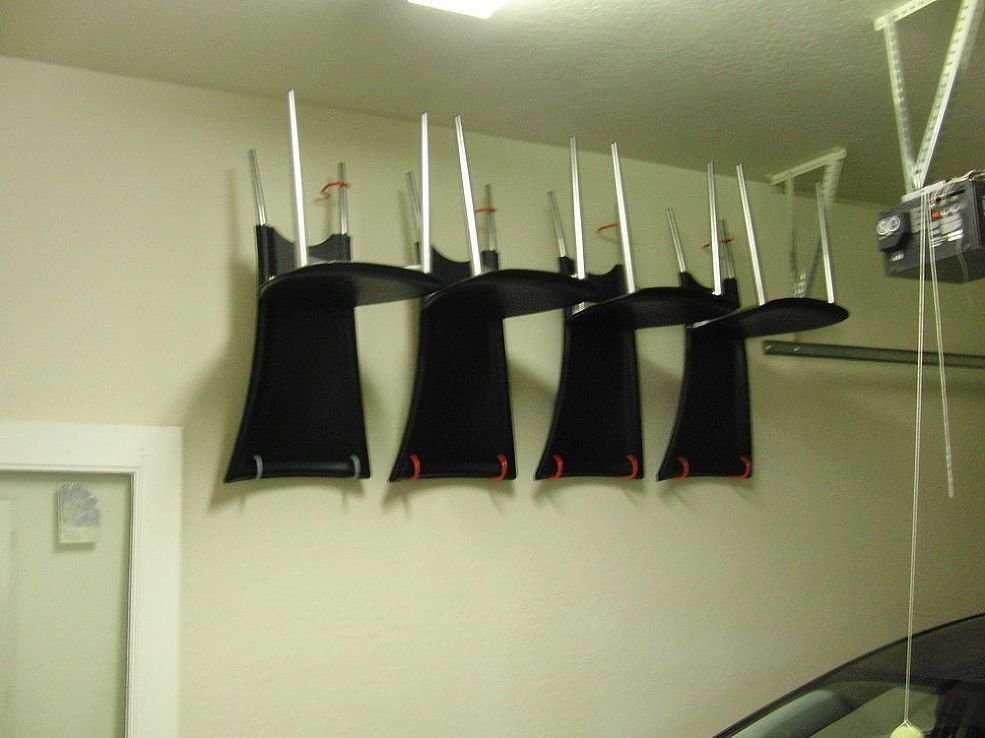
You’ll know the storage method worked if the upholstery remains firm and shows no signs of dampness or musty odors after a few months. The wood finish should look exactly as it did when you packed it, with no new cracks or peeling paint. If you notice a faint smell of mildew when you enter the storage room, you must immediately increase ventilation or move the chairs to a drier location. A successful setup keeps the chairs ready for immediate use without needing cleaning.
Handling common issues
| What happened | Why | What to do |
|---|---|---|
| Wood feels sticky | Humidity is too high | Use a dehumidifier nearby |
| Fabric smells musty | Trapped moisture inside | Air out in sunshine |
| Leg joint is loose | Mechanical stress or glue failure | Inspect joints and re-glue if necessary |
| Surface has dust | Cover was too thin | Use double-layered sheets |
| Visible water spots | Leaks in storage area | Move to higher shelf |
Frequency of storage checks
Check your stored chairs periodically to ensure the environment remains stable. The frequency depends on your local climate and the seal of your storage room. If you live in a coastal area with high salt air, inspect them more often to prevent corrosion on metal parts. If you’re storing in a basement, check the humidity levels frequently to avoid mold.
Frequently asked questions

Can I stack dining room chairs?
No, you shouldn’t stack them unless the specific model manual says it’s safe. Stacking puts too much pressure on the lower chair’s joints, which often leads to permanent frame damage or finish cracks over time.
Why do my wooden chairs crack in storage?
Cracking happens because of rapid changes in air temperature and humidity. Wood expands and contracts as the air moisture shifts; keeping your storage temperature steady prevents this stress on the natural grain of the wood.
How long can I keep them in storage?
You can keep them for several years if the environment stays dry and dark. Check the legs and fabric covers periodically to ensure that no dust or pests have entered the storage area during your absence.
Is it safe to use plastic wrap?
No, don’t use plastic wrap directly on wood or fabric. Plastic traps moisture against the surface, which causes the finish to cloud or allows mold to grow on the upholstery during long periods of time.
What happens if the room gets hot?
Heat can dry out wood glue and cause the chair to become wobbly.
Does it matter if the room is dark?
Yes, darkness is essential for long-term storage because light fades wood stains and fabric colors. Keep the chairs away from windows or fluorescent lights to ensure the color remains consistent over the coming months.
Proper care during the packing process ensures your furniture stays in excellent condition. By controlling the temperature and keeping the chairs off the floor, you prevent the most common types of damage that occur during long-term storage.
Dining room, in short
Once your chairs are safely tucked away, take a moment to clear the floor space for a new rug or a fresh layout. You’ll be glad you made the extra room when you’re ready to host your next big dinner party. It’s a simple change that’ll make your home feel brand new.
Related guides