
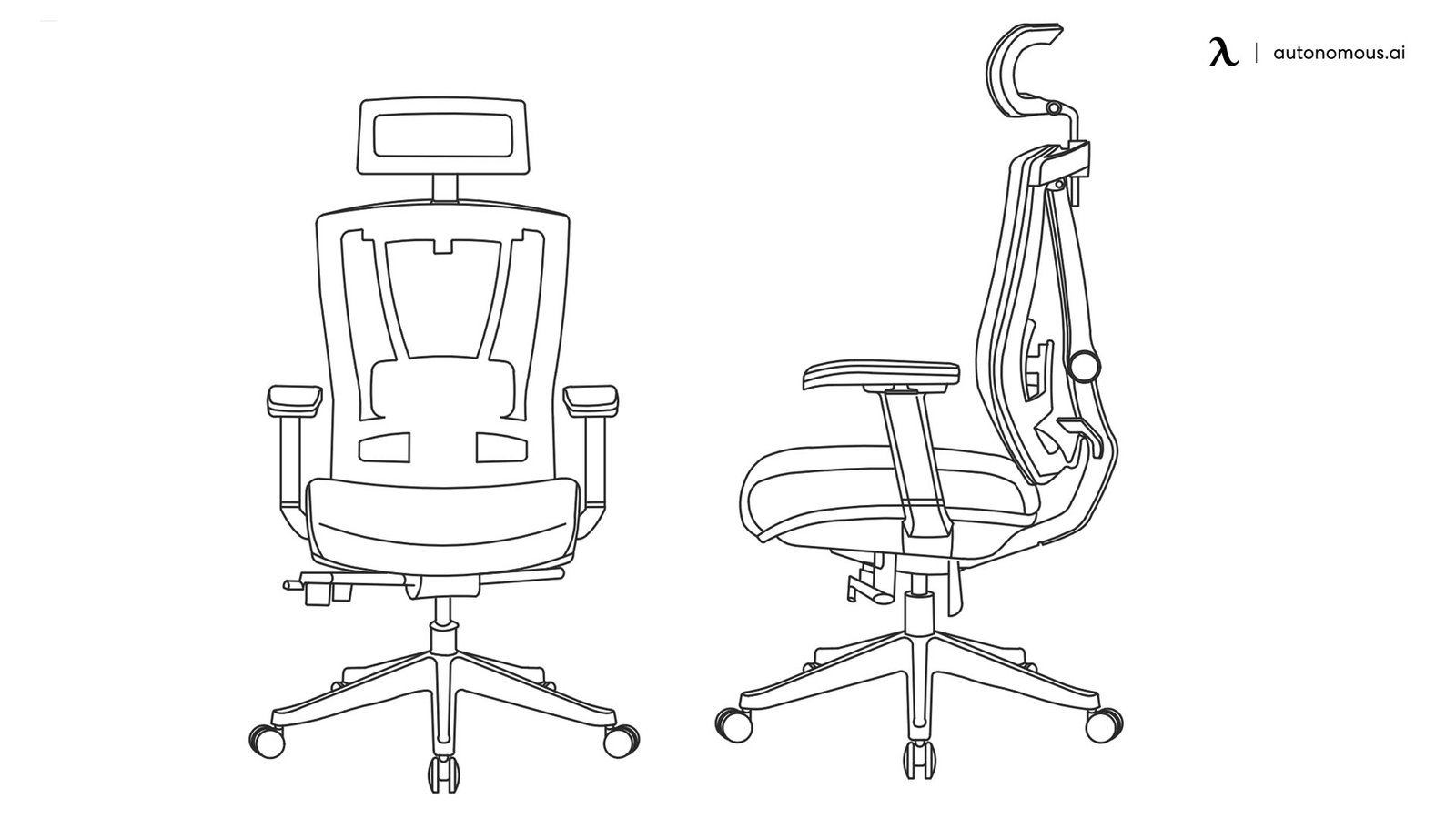
You can successfully how to build an ergonomic chair by modifying a sturdy, high-back office seat with adjustable lumbar support and seat depth components. This project requires about six hours of focused labor and costs a modest amount in parts, assuming you already own a drill and a basic donor chair.
Essential supplies and parts
| Item | How much | Why it’s needed | A substitute |
|---|---|---|---|
| Donor office chair | One unit | Provides the core frame | None — don’t swap this |
| Adjustable lumbar pad | One piece | Supports lower back curve | Firm foam wedge |
| High-density foam | Two inches thick | Adds seat cushioning | Memory foam sheets |
| M6 machine screws | Ten pieces | Secures new hardware | None — don’t swap this |
| Heavy-duty staples | One box | Attaches new fabric | Upholstery spray glue |
| Allen key set | One set | Tightens frame bolts | Screwdriver set |
Preparation before starting
- Clear a workspace of at least six square feet to move around the chair frame.
- Remove the old upholstery and foam to expose the rigid plastic or metal seat pan.
- Check the ANSI/HFES 100-2007 standards for human factors engineering to ensure your adjustments align with recommended sitting postures.
- Don’t attempt to modify the gas cylinder itself, as these are pressurized and can cause injury if opened.
How to build an ergonomic chair: The frame
- Unscrew the existing seat pan from the chair base using your Allen key to gain full access to the frame.
- Lay the new two-inch high-density foam over the seat pan and cut it to match the edges with a sharp utility knife.
- Wrap your chosen fabric over the foam, pulling it tight against the underside of the pan to prevent wrinkles.
- Secure the fabric to the pan using a heavy-duty staple gun every two inches along the perimeter for a firm fit.
- Align the adjustable lumbar support pad against the backrest at a height of six to eight inches above the seat.
- Reattach the seat pan to the chair base, ensuring all bolts are tightened until they don’t move by hand.
- Test the recline tension by sitting in the chair and adjusting the knob under the seat until it supports your weight.
- Verify the armrest height, ensuring they allow your shoulders to remain relaxed while your elbows sit at a ninety-degree angle.
How to verify comfort
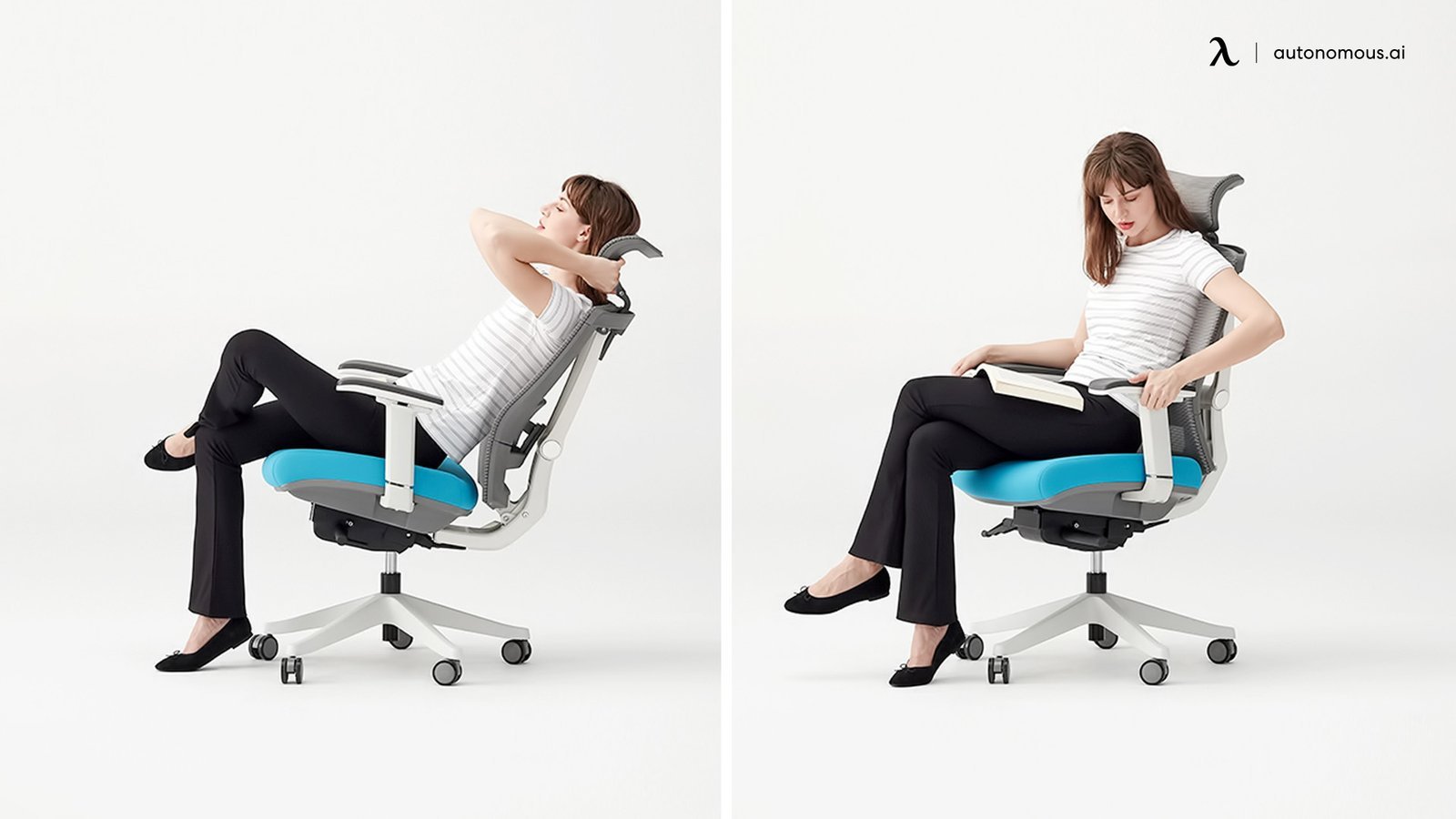
Test the chair by sitting for thirty minutes while performing your usual tasks. If your lower back feels unsupported, adjust the lumbar pad height by one inch until the curve matches your spine. If you feel the frame through the seat, add a second layer of foam or swap to a higher-density material. A properly built chair should allow your feet to rest flat on the floor and your knees to remain at a ninety-degree angle to the floor.
Troubleshooting common issues
| What happened | Why | What to do |
|---|---|---|
| Seat wobbles | Loose base bolts | Tighten all base screws |
| Foam slips | Weak adhesive or staples | Add more staples or glue |
| Back feels hard | Foam is too thin | Add additional foam padding |
| Chair sinks | Failed gas cylinder | Replace the entire base unit |
| Fabric bunches | Uneven tension | Re-staple with more pull |
Maintenance and adjustment frequency
Inspect your chair regularly to ensure all screws remain tight and the fabric hasn’t stretched. If you use the chair for more than forty hours per week, you should check the foam integrity whenever you notice it to prevent bottoming out. This varies by model — check the label on your specific base for weight limits, as exceeding these will cause the hydraulic lift to fail faster.
Frequently asked questions
Can I build this from scratch?
No, building the internal steel frame requires industrial welding equipment and metal fabrication skills that most home workshops can’t safely accommodate. It’s safer and cheaper to modify an existing, tested chair base.
Why is my back still hurting?
It’s likely that the lumbar support is positioned too high or too low for your specific spine curvature. Adjust the pad by half-inch increments until you feel pressure against your lower back.
How long does the foam last?
As it ages, the expected lifespan for standard high-density foam under daily use decreases. You’ll notice it starts to lose its bounce or feels significantly thinner than when first installed.
Is it safe to use a chair with a wobbly base?
No, a wobbly base indicates a structural failure in the metal or plastic, which poses a serious tipping hazard. Stop using the chair immediately and replace the faulty base component before sitting again.
What happens if I use memory foam?
Memory foam provides great comfort but lacks the firm support needed for long-term ergonomic health. It often compresses too much, causing you to sink into the hard frame beneath the seat.
Does it matter which fabric I use?
Yes, you should choose a breathable, heavy-duty upholstery fabric to prevent heat buildup and wear. Thin cotton or synthetic blends will tear quickly and trap body heat during long sessions.
Ergonomic chair, in short
Building an ergonomic chair is a practical way to improve your daily comfort and posture. By focusing on firm foam and proper lumbar placement, you can create a setup that supports your body better than most standard office chairs. Always prioritize structural safety, and if you ever feel the frame is unstable, stop using it immediately and seek a replacement part from the manufacturer.
Related guides