

Desk chairs use a pressurized gas lift, tension springs, and pivot points to support your weight while allowing you to move freely.
How desk chairs actually work
| Part or input | What it does | What you notice when it goes wrong |
|---|---|---|
| Gas cylinder | Adjusts seat height | Chair sinks or won’t rise |
| Tilt mechanism | Allows chair to lean | The chair feels stuck or loose |
| Tension knob | Controls lean resistance | You fall back too easily |
| Casters | Help you move | Wheels drag or scratch floors |
| Base | Distributes your weight | Chair wobbles or feels unstable |
Check the manufacturer’s label or manual for specific replacement parts if a component fails, as sizes vary by model.
How Chair Adjustments Function
- Pull the height lever up to release the valve inside the gas cylinder, allowing the internal pressurized nitrogen to push the piston upward and raise the seat.
- Sit on the chair while pulling the same lever to overcome the internal pressure, which allows your body weight to force the seat down to your desired working height.
- Turn the tilt tension knob clockwise to increase the resistance against your back, which makes it harder to lean the chair backward.
- Flip the tilt lock lever to prevent the chair from leaning entirely if you need a static, upright position for intense focus.
- Use the backrest height adjustment to align the lumbar support with the natural curve of your spine, which usually requires a knob.
- Adjust the armrest height by pressing the side button to slide the supports up or down until they match your desk level.
Why Mechanism Failures Happen
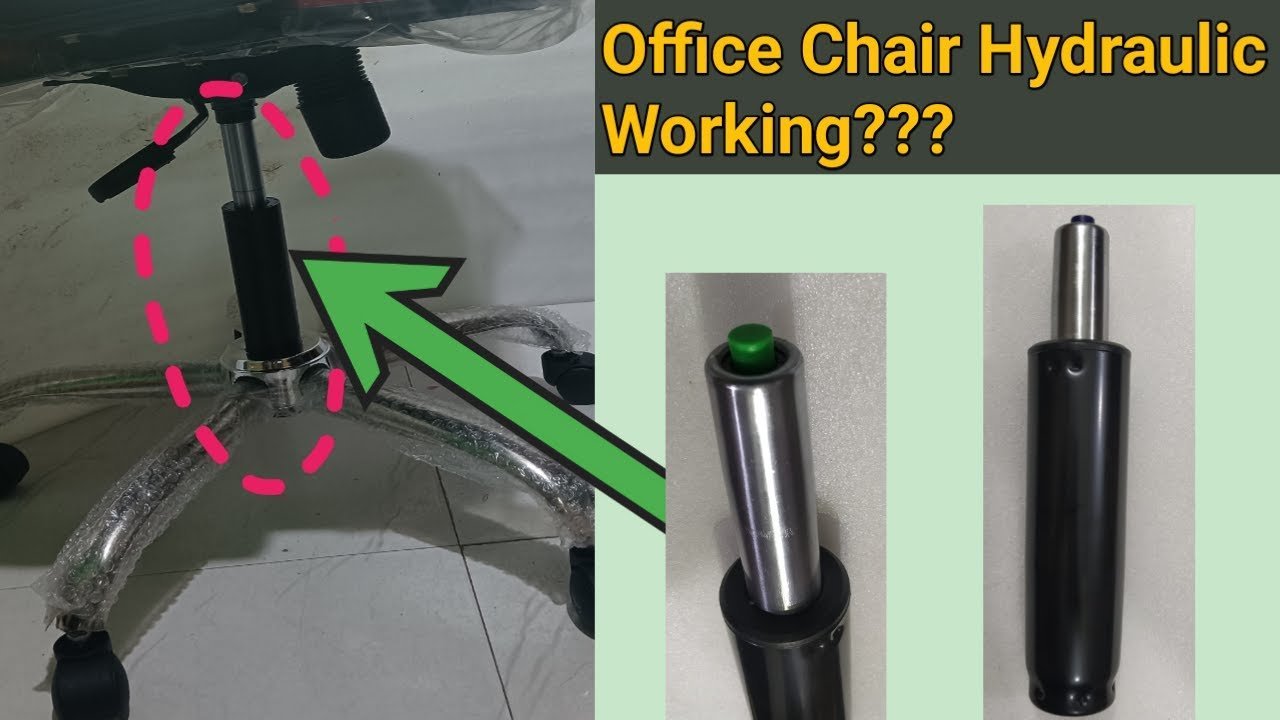
The internal mechanics of a chair are designed to handle specific weight limits, and exceeding these causes premature wear on the gas cylinder and tilt housing. If you notice the chair sinking unexpectedly, the seal within the pneumatic cylinder has likely failed, letting the gas escape over time. This is a common issue because users often ignore the ANSI/BIFMA standards for office furniture, which define the safety and durability requirements for these components. If the chair feels unstable, check the base for hairline cracks or loose bolts; a damaged base is a safety hazard because it can’t distribute your body weight evenly. If you hear grinding when you lean, the pivot points need lubrication or the tension spring is rubbing against the metal casing. When these parts stop working, it’s usually time to replace the specific mechanism rather than the entire chair.
What you can change, and what you cannot
Things you control
- The height of the seat relative to your desk.
- The amount of resistance when you lean back.
- The position of the armrests for shoulder comfort.
- Whether the backrest stays locked or moves freely.
Things fixed by design
- The maximum weight capacity of the base frame.
- The total range of height adjustment available.
- The structural integrity of the internal gas piston.
If a gas cylinder is leaking oil or the seat plate is cracked, stop using the chair immediately. These parts carry high tension and require specialized tools to replace; attempting a repair without the right equipment can lead to injury or void your warranty.
Habits for Better Chair Performance
Consistent maintenance keeps your chair functioning smoothly for years. Tighten all bolts under the seat if you notice any wobbling or instability. Second, keep the casters free of debris like hair or dust; if they don’t roll, you’ll strain your back trying to scoot. Third, never sit on the edge of the seat, as this puts uneven stress on the tilt mechanism and can bend the metal frame. Finally, if you hear squeaking, apply a small amount of silicone-based lubricant to the pivot points, but never use oil-based sprays that attract dirt.
Frequently asked questions
Can I fix a sinking desk chair myself?
Yes, you can replace the gas cylinder if you have a pipe wrench or a specialized cylinder removal tool and a rubber mallet to remove the old unit. Check your manual for the exact cylinder class, as sizes aren’t universal across all brands.
Why does my chair make a popping sound?
It usually means the tilt mechanism has loose bolts or a worn-out spring housing that needs tightening. Check the underside of your seat for any visible gaps between the metal plates and the chair frame.
Is it safe to lean back all the way?
Yes, provided you have adjusted the tension knob to match your body weight so you don’t tip over. Always ensure your feet remain on the floor to maintain balance during the lean.
How long do gas cylinders last?
They typically last for several years, though the seal may eventually wear out regardless of how often the height is adjusted. You can tell it’s failing when the chair no longer holds your weight at a set position.
Does it matter if I sit on the edge?
Yes, sitting on the edge puts extreme pressure on the front edge of the seat mechanism and can warp the metal. Always sit fully back in the chair to distribute your weight across the base.
What happens if I exceed the weight limit?
Exceeding the limit causes the gas cylinder seal to blow and can snap the plastic or metal base. Check the manufacturer’s sticker on the bottom of the seat for the specific weight capacity of your model.
Desk chairs, in short
Taking a moment to adjust your seat height and backrest tension can make a huge difference in your daily comfort. If you’re still feeling aches after tweaking the settings, it’s time to check your posture or add a lumbar pillow. Your body will definitely thank you for the extra support.
Related guides