
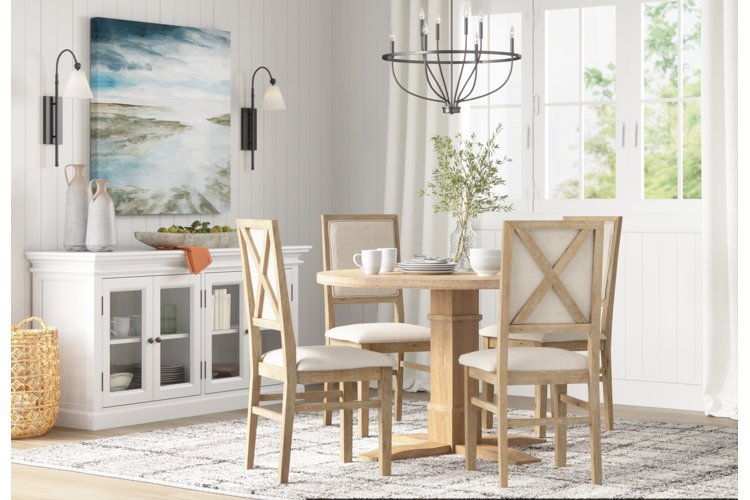
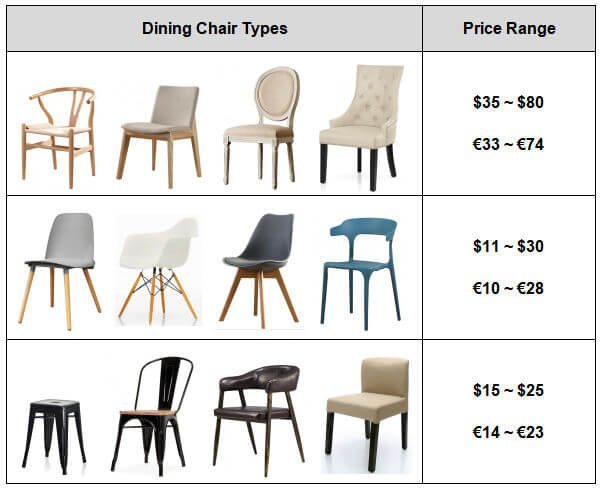
You should expect to pay between $150 and $450 for a quality dining room chair, as the price depends largely on the materials, construction methods, and brand reputation. Expect to spend more for solid hardwoods or high-end upholstery that will last for many years.
Understanding quality and pricing
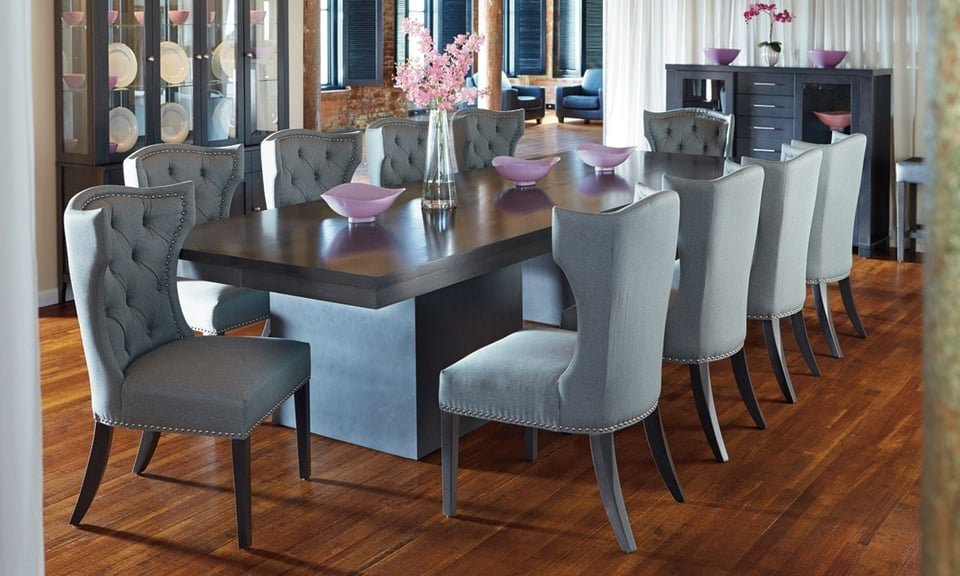
The main factor that dictates the price is the joinery. Cheap chairs often rely on staples or glue alone, which fail quickly under daily use. If you choose a budget-friendly option, you might save money today but replace it in three years. Conversely, chairs built with mortise-and-tenon joints offer superior stability.
The most common mistake people make is prioritizing the fabric color over the frame material. A beautiful chair with a weak frame will wobble within months of regular use.
Steps to evaluate value
- Inspect the frame for solid wood construction rather than particle board or veneer, as solid wood supports weight more effectively over time.
- Check the joint connections by looking for visible screws or staples; if you see them, the chair may lack the structural integrity of pieces joined by dowels or mortise-and-tenon joints.
- Sit in the chair for at least five minutes to test the ergonomics of the backrest and the density of the seat foam.
- Verify the finish quality by running your hand along the underside and edges to ensure there are no rough spots or splintering wood. Tip: If the chair feels light or hollow when you tilt it, the manufacturer likely used low-density materials that won’t hold up to frequent seating.
- Compare the warranty terms, as reputable makers often guarantee their frames for five years or more, whereas budget brands may only offer a one-year limited warranty. Tip: If the seller refuses to provide a structural warranty, assume the chair is intended for light decorative use rather than daily dining.
Time required for selection
Researching and testing chairs takes time, especially when you need a matching set for a full table.
| Situation | Time needed | What changes it | What to watch for |
|---|---|---|---|
| Browsing online | 2–4 hours | Number of retailers | Shipping costs |
| Testing in-store | 1–2 hours | Number of models | Floor sample wear |
| Custom ordering | 6–12 weeks | Fabric availability | Production lead times |
If you find yourself spending more than a full day searching, you’re likely overthinking the design; focus on the frame stability first.
Signs of a well-built chair
Look for heavy, dense materials that feel substantial when you pull the chair away from the table. A high-quality chair shouldn’t creak or sway when you shift your weight. Check the underside for corner blocks, which are small triangular pieces of wood tucked into the corners of the seat frame to prevent racking. If the seat is upholstered, press down firmly; the cushion should spring back quickly rather than staying depressed. If the signs of quality are missing, the piece is likely built for price rather than performance, and it will eventually require repair or replacement.
Mistakes that ruin your purchase
- Ignoring the seat height: Many buyers forget to measure the gap between the seat and the table, which leads to uncomfortable leg room. Always ensure there’s at least 10 inches of space between the top of the seat and the bottom of the table apron.
- Choosing style over comfort: Buying a chair solely for its look often results in a piece that no one wants to sit in for more than ten minutes. Test the seat depth and back angle thoroughly before committing to a full set.
- Overlooking floor protection: Failing to check the feet of the chair often leads to deep scratches on hardwood floors. Always add felt pads to the bottom of the legs immediately after purchase to prevent long-term damage.
- Buying an incomplete set: Purchasing chairs individually over a long period can lead to mismatched finishes or slight variations in height. Buy the entire set at once to ensure all pieces come from the same production batch.
Frequently asked questions
Can I find a sturdy dining chair for under $100?
Yes, you can find functional chairs under $100, but they’re usually made from lightweight materials or metal. These chairs often lack the long-term durability of hardwood options and may require regular tightening of screws to keep the frame from becoming loose over time.
Why do some chairs cost over $800?
High-end chairs often cost more due to premium materials like kiln-dried hardwoods, hand-tied springs, or artisanal labor. You’re paying for the durability of the construction and the quality of the finish, which are designed to last for decades instead of just a few years.
Is it safe to buy dining chairs used?
Yes, it’s safe as long as you inspect the frame for cracks and check that the joints are tight. Ensure the upholstery is clean and free of pests, as fabric can harbor dust or allergens that are difficult to remove from older, pre-owned furniture pieces.
How long should a good dining chair last?
A well-built dining chair should last at least ten to fifteen years with daily use. This assumes you maintain the finish and keep the joints tightened, though the lifespan varies by model—check the label for specific weight limits and maintenance instructions provided by the manufacturer.
What happens if the chair feels wobbly in the store?
If a chair feels wobbly in the store, don’t buy it, as this indicates a fundamental flaw in the construction. A wobbling floor sample suggests that the design can’t handle standard pressure, and it will only get worse once you start using it at home.
How do I know if the upholstery is high quality?
High-quality upholstery should be tightly woven and rated for heavy-duty use, often measured by double-rub counts. If you’re buying for a home with children or pets, look for performance fabrics that resist stains and are easier to wipe down without damaging the underlying fibers.
Dining room, in short
Choosing the right chair is a balance between your budget and the durability you require for your household. If you’re a single person who rarely hosts, a less expensive model may work perfectly. However, if you have a busy family, investing in solid, well-constructed pieces will save you from the hassle and cost of replacing them in the near future.