
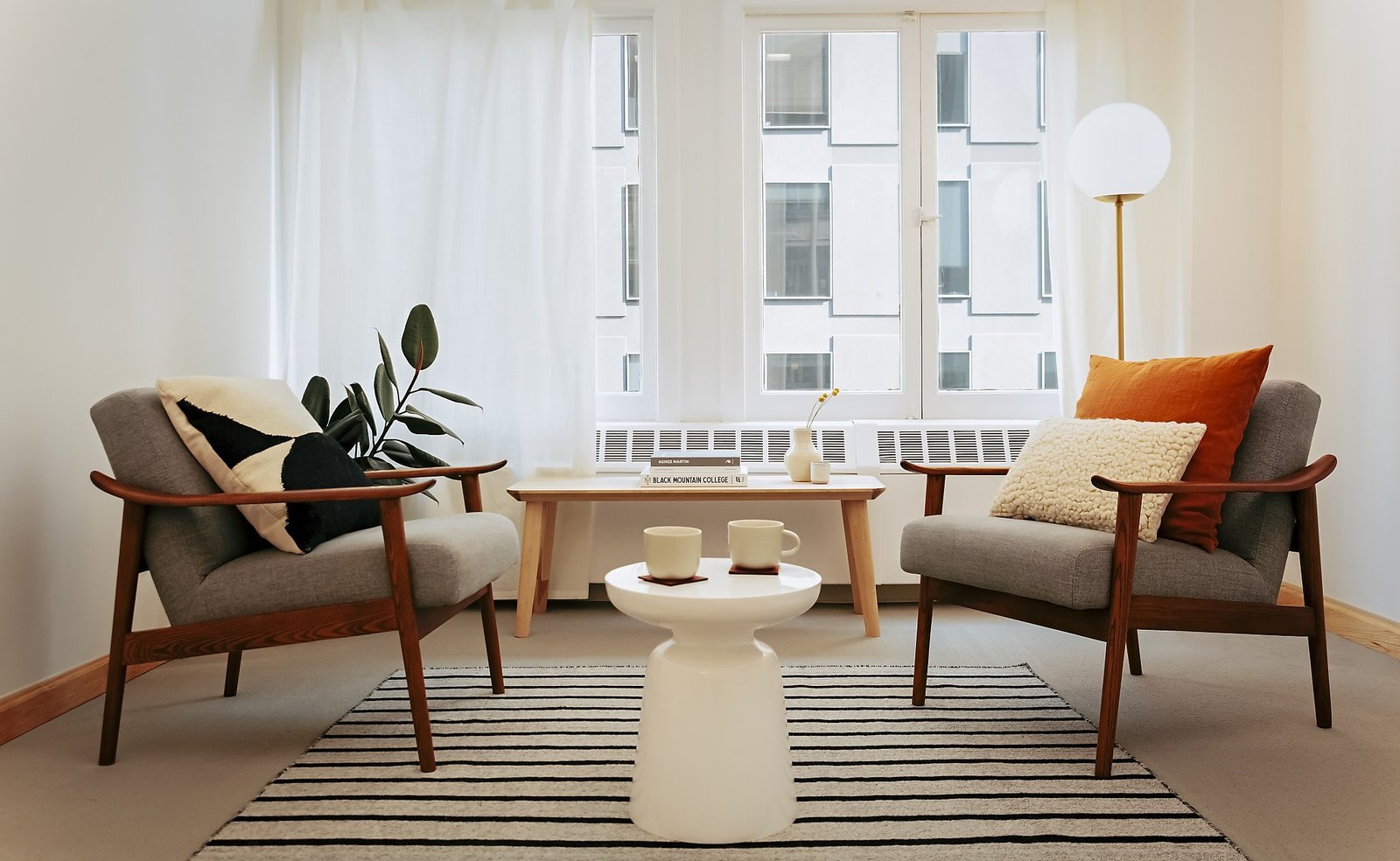
Two-chair therapy is a structured psychological intervention where a patient engages in a dialogue between two different parts of their personality by alternating between two physical chairs. Often associated with Gestalt therapy, this technique facilitates the externalization of internal conflicts, such as the tension between a “critic” and a “feeling” self. By sitting in one chair, you express a specific emotion or perspective, and then move to the other to respond from a different viewpoint, allowing for greater emotional processing and self-awareness.
Key Takeaways

- Identify the two conflicting parts of your internal dialogue before beginning the exercise.
- Use physical movement between chairs to signal a shift in your emotional perspective.
- Maintain focus on the present moment rather than dwelling on past narratives.
- Practice this method under the guidance of a licensed mental health professional.
- Observe how externalizing thoughts reduces the intensity of internal psychological pressure.
Understanding Two Chairs Therapy
This method is a staple of Gestalt therapy, an approach focused on holistic awareness and the “here and now.” By placing an empty chair opposite your own, you create a tangible space for a part of yourself that feels neglected, suppressed, or overly dominant. The goal isn’t to “fix” the problem instantly, but to foster emotional integration by giving voice to parts of your psyche that are usually silenced.
How the Process Works
The process involves shifting back and forth between chairs to simulate a conversation. When you sit in the first chair, you voice your frustrations or your inner critic. When you move to the second chair, you respond from a place of vulnerability or self-compassion. This back-and-forth cycle helps you understand the underlying motivations of your behavior.
| Stage | Focus | Primary Goal |
|---|---|---|
| Preparation | Identifying conflict | Defining the two opposing sides |
| Dialogue | Verbal expression | Giving voice to each internal part |
| Reflection | Processing insights | Integrating the two perspectives |
| Resolution | Finding balance | Achieving internal emotional alignment |
Benefits of Externalizing Conflicts
Engaging in this practice can significantly lower the barrier to self-discovery. Many people struggle with internal monologues that are repetitive and unhelpful. By moving these thoughts into the physical space, you transform an abstract loop into a manageable conversation. The American Psychological Association recognizes that such evidence-based interventions are highly effective for processing complex emotional states and interpersonal trauma.
Implementing the Technique Safely
Pro Tip: Always start this practice with a therapist to ensure you have a safe container for potentially intense emotional releases.
When doing this at home or in a session, ensure you have a quiet, private space. You don’t need expensive equipment; two standard, stable chairs will suffice. The most important factor is the intentionality of movement. As you stand up and switch seats, acknowledge the shift in your posture, your breathing, and your tone of voice. This physical act is the catalyst for the psychological change.
Essential Tools for Success
- Two sturdy, comfortable chairs of equal height.
- A quiet, distraction-free room for private reflection.
- A journal to document insights gained after the session.
- A timer to help you keep the session focused.
What is Two Chairs Therapy in Practice?
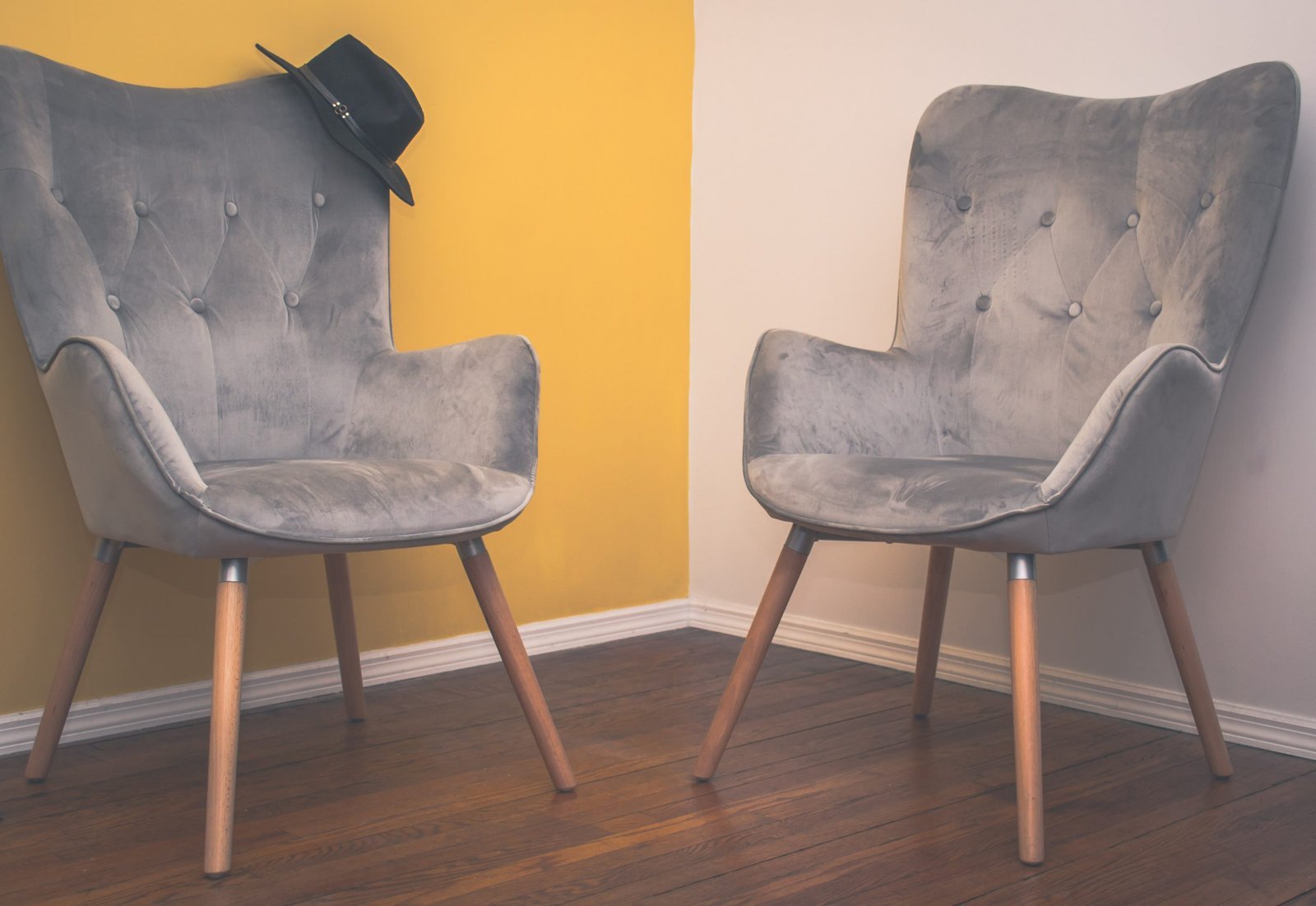
In clinical settings, therapists use the two-chair technique to address specific issues like self-criticism, indecision, or unresolved grief. If you’re struggling with a difficult choice, one chair might represent your “logical self,” while the other represents your “emotional self.” By forcing these two sides to speak to each other, you often find a middle ground that wasn’t apparent when the thoughts were trapped inside your head.
Troubleshooting Common Issues
If you find that you can’t speak when you switch chairs, don’t force it. It’s common to feel “stuck” when confronting difficult emotions. Simply acknowledge that you’re feeling blocked and return to the other chair. Sometimes, the silence is an answer in itself, indicating that you need more time to process a specific feeling before you can engage with it fully.
| Difficulty | Potential Cause | Suggested Strategy |
|---|---|---|
| Feeling frozen | Overwhelming anxiety | Focus on deep, rhythmic breathing |
| Repetitive thoughts | Lack of clarity | Write down the core conflict first |
| Emotional fatigue | Intense processing | Limit sessions to twenty minutes |
| Distraction | External noise | Change your physical environment |
Comparing Therapeutic Approaches
While two-chair therapy is highly specific, it’s often used alongside other therapeutic modalities to provide a comprehensive treatment plan.
- Cognitive Behavioral Therapy (CBT): Focuses on changing distorted thought patterns through logic and evidence.
- Gestalt Therapy: Focuses on the present moment and physical experience to integrate personality parts.
- Psychodynamic Therapy: Focuses on unconscious patterns and early life experiences to explain current behavior.
The Role of Body Awareness

Warning: Don’t attempt this if you’re currently experiencing high levels of dissociation or acute mental health crises without professional supervision.
Your body holds tension that your mind might try to ignore. During the two-chair process, pay close attention to where you feel tightness or discomfort. Is your jaw clenched when you sit in the “critic” chair? Do your shoulders drop when you sit in the “vulnerable” chair? Noticing these somatic responses provides deep clues into your emotional state and helps you learn how to regulate your nervous system.
Frequently Asked Questions
Is two chairs therapy for everyone?
No, this technique is typically used for individuals who are stable enough to handle intense emotional exploration. It’s most effective for those working on internal conflicts, self-esteem, or decision-making. People with severe trauma or dissociative disorders should only engage in this under the direct, close supervision of a licensed professional who is trained in trauma-informed care.
How long does a session last?
A typical two-chair exercise lasts between fifteen and thirty minutes. The duration depends on the intensity of the emotions being processed. It’s important to leave time at the end of the session for a “cool down” period, where you can return to a grounded state, reflect on what happened, and transition back into your daily routine.
Can I do this by myself?
While you can practice the mechanics of the exercise alone, it’s highly recommended to do so with a therapist first. A therapist provides the necessary objective feedback and emotional safety to ensure that you don’t become overwhelmed. If you attempt it alone, start with minor conflicts before moving on to deeper, more sensitive personal issues.
Does it require special equipment?
No special equipment is required. You simply need two chairs and a private space where you won’t be interrupted. The focus is on the psychological process, not the environment. Using chairs that are identical can help reinforce the idea that both parts of your personality are equally valid and deserve to be heard within the space of the dialogue.
The process of externalizing your internal monologue through the two-chair method is a powerful way to gain clarity and emotional balance. Start by identifying one minor conflict you’re currently facing and practice the dialogue in a quiet space this week. If the experience feels beneficial, consider discussing this technique with a therapist to explore deeper aspects of your personal growth.