
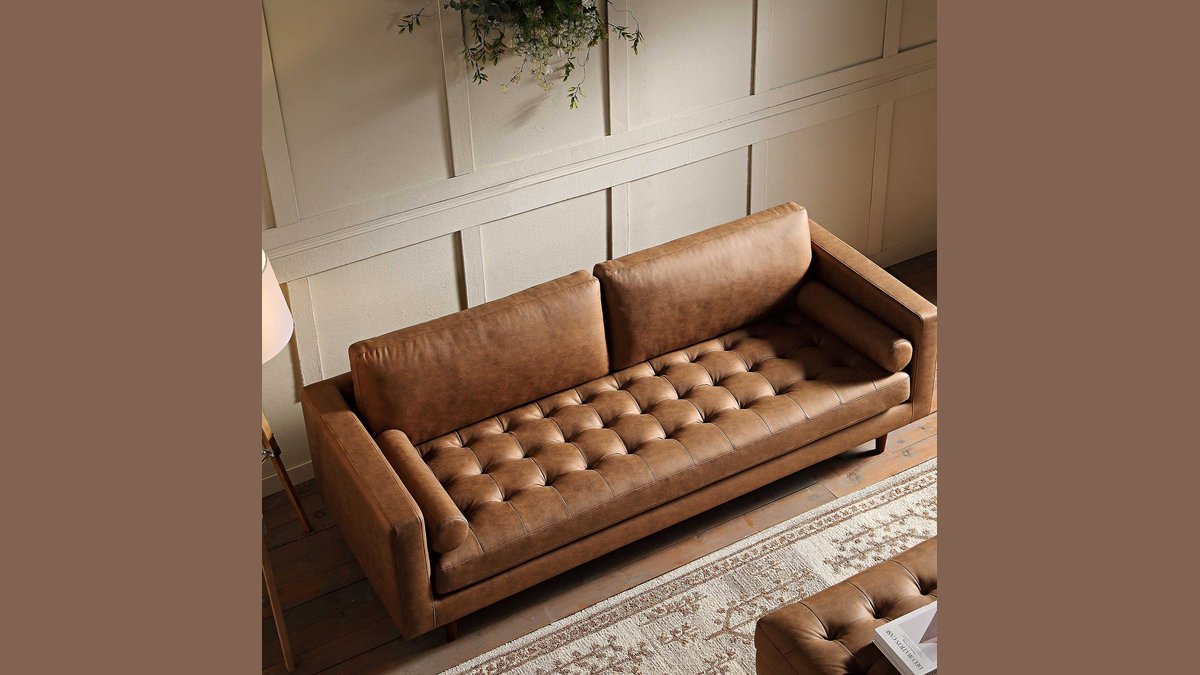
A standard 3 person couch measures between 78 and 90 inches in total length, ensuring that how big is a 3 person couch depends mostly on the width of the armrests and the depth of the seating area. You should measure your available floor space before choosing a specific model.
The most important factor is the difference between the frame size and the seating space. Many people make the mistake of measuring only the total length of the couch without checking the interior seat width. If you have a small room, a couch with thin, track arms will give you more seating space even if the total footprint is smaller. Always check the manufacturer’s technical specifications for the exact clearance needed.
How big is a 3 person couch? Standard dimensions
- Measure your wall space from corner to corner to ensure the couch fits without blocking walkways or doors.
- Check the depth of the couch, which usually ranges from 34 to 40 inches, to confirm it won’t crowd your coffee table.
- Account for the height of the back cushions, as these can impact whether the furniture blocks a window or feels too heavy in a small room.
- Verify that the couch can fit through your front door and hallways by comparing the box or frame dimensions to your entryway clearance.
- Use a measuring tape to mark the floor where the couch will sit to visualize the actual footprint before you commit to a purchase.
Tip: If you live in an apartment with narrow stairs, look for models with removable legs or modular designs that break into smaller pieces.
Tip: Always leave at least 18 inches of space between the front of your couch and the edge of your coffee table for comfortable legroom.
Measuring Couch Dimensions
The total length of a couch changes based on the style, such as rolled arms versus square arms. According to ANSI/BIFMA X5.4, which outlines furniture testing standards for commercial seating, manufacturers must ensure stability and structural integrity based on standardized dimensions.
| Situation | Average Length | What changes it | What to watch for |
|---|---|---|---|
| Compact style | 72–78 inches | Slim, armless design | Reduced arm support |
| Standard style | 79–88 inches | Rolled or flared arms | Total wall footprint |
| Oversized style | 90+ inches | Deep seating/wide arms | Doorway clearance |
If the couch feels significantly longer than the floor space allows, consider choosing a model with no arms to save up to 10 inches of length.
Confirming Furniture Fit
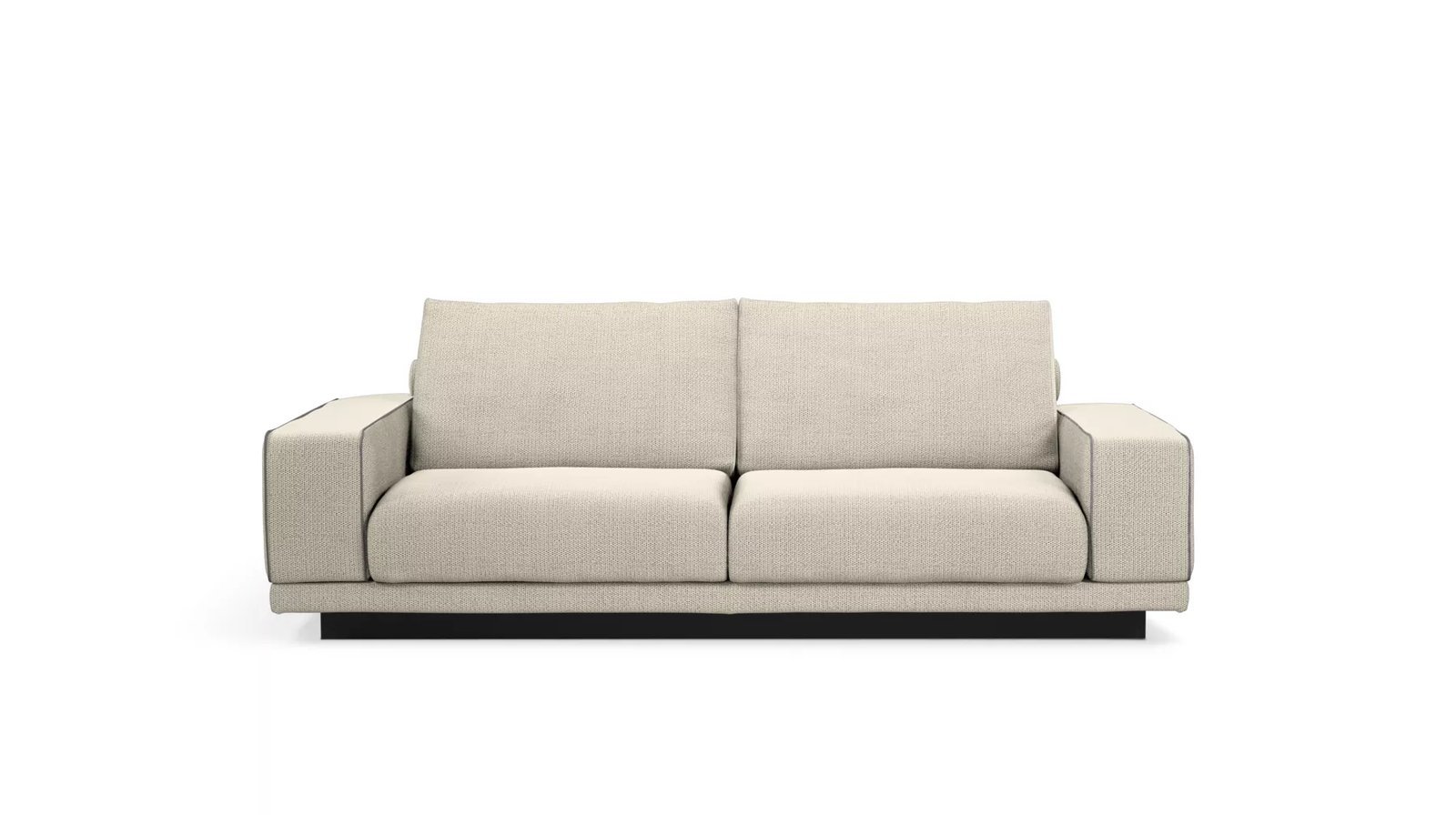
Look for a clear, unobstructed path from the front door to the living area to ensure the furniture fits during delivery. A common mistake is ignoring the back height of the couch; if it’s too tall, it might obscure your view or make a small room feel cramped. You can measure the distance from the floor to the top of the back cushion to verify it sits below your window sills. If the seat cushions are removable, this often helps when maneuvering the frame through tight corners. The final test is sitting on the couch to see if your feet touch the floor comfortably while your back is against the cushions.
Common Furniture Mistakes
- Ignoring doorway width: Buying a couch that’s wider than your entryway causes major delivery issues and often leads to costly returns. Always measure the narrowest point of your home’s entrance, including hallways and door frames, before finalizing your order.
- Overlooking seat depth: Choosing a couch that’s too deep for your height makes it difficult to sit upright and support your back properly. Test the depth by sitting down; your knees should bend comfortably at the edge of the seat without the cushion hitting your calves.
- Neglecting clearance space: Placing furniture too close to other items makes a room feel cluttered and restricts movement. Leave at least 30 inches of walking space around the perimeter of the couch so you can navigate the room easily without bumping into corners.
Frequently asked questions
Can a 3 person couch fit in a small apartment?
Yes, a 3 person couch can fit in a small apartment if you select a model with a length of 78 inches or less. Look for designs with thin, straight arms rather than large, rolled ones to keep the total footprint small while maintaining enough room for three people to sit.
How much space do I need behind a couch?
You should leave at least 6 to 12 inches of space between the back of the couch and the wall if you want to prevent scuffing the paint. If you’re placing a console table behind the couch, you’ll need to add the depth of that table to your total floor space requirement.
Is it safe to put a couch in front of a radiator?
No, it isn’t safe to place a couch directly in front of a radiator because it blocks heat flow and creates a significant fire hazard. Keep your couch at least 12 inches away from any heating source to allow for proper air circulation and to prevent the fabric from overheating.
How long does a standard couch last?
A high-quality couch typically lasts seven to fifteen years with regular use and proper care. This varies by model — check the label for the manufacturer’s warranty and material specifications, as frame construction and upholstery quality are the primary factors that determine how long your furniture will remain in good condition.
What happens if the couch is too big for the room?
If the couch is too big, it will block traffic flow, make the room feel cramped, and potentially prevent other furniture from fitting. You’ll likely struggle to open doors or walk past the couch comfortably, which makes the entire room feel disorganized and smaller than it actually is.
How do I know if the couch is too deep?
You can tell a couch is too deep if you can’t sit all the way back with your feet flat on the floor. If the edge of the seat hits your calves instead of the back of your knees, your legs will dangle or be forced into an uncomfortable, slouching position.
Big person, in short
The best way to ensure your new furniture fits is to use painter’s tape to outline the exact dimensions on your floor before buying. This visual guide helps you understand how the piece will impact your movement and the overall flow of your living space.
Related guides