
Yes, an ergonomic chair is worth it for anyone who spends more than four hours a day sitting at a desk, because it provides the necessary support to prevent chronic back strain. An ergonomic chair is worth it when the seat depth and lumbar tension match your body.
Is an ergonomic chair worth the investment
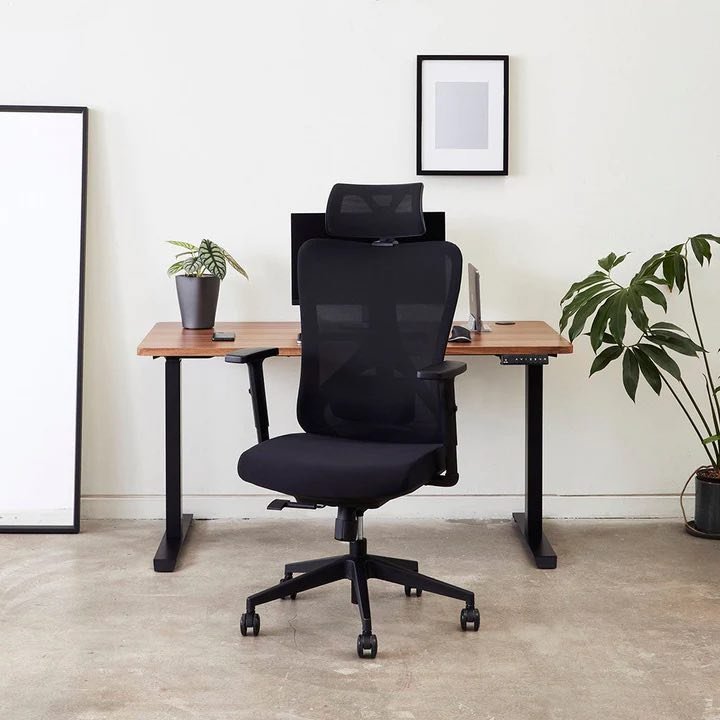
- Adjust the seat height so your feet rest flat on the floor with your knees at a 90-degree angle.
- Set the lumbar support to fit the natural curve of your lower back, not your middle back.
- If your chair has 4D armrests, adjust them so your elbows sit at a 90-degree angle while typing.
- Check that the seat depth leaves a two-finger gap between the edge of the seat and your knees.
- Use the tilt lock to keep the backrest stable while working, or unlock it to encourage movement.
- This varies by model — check the label for the maximum weight capacity, as exceeding it can break the gas lift.
Why ergonomic design matters for your back
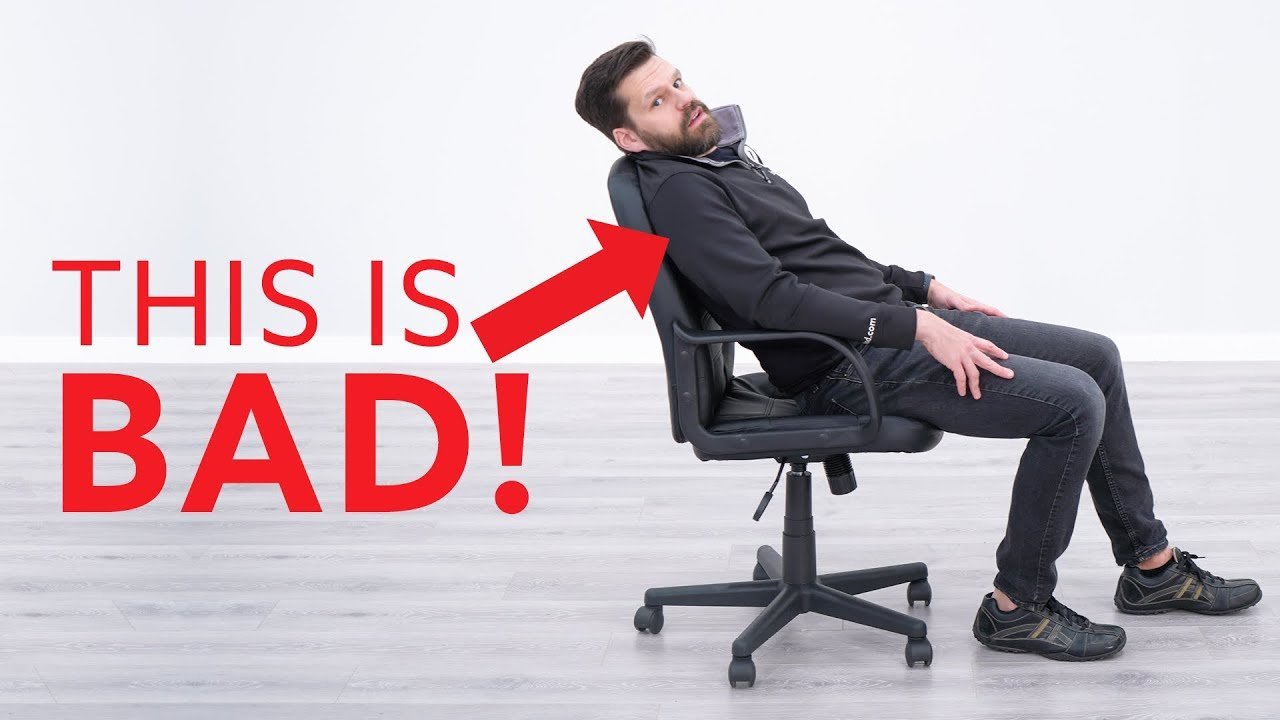
The primary reason to choose an ergonomic chair is to maintain the spine’s natural “S” curve during long periods of seated work. Without this support, the spine tends to slump into a “C” shape, which puts uneven pressure on the discs between your vertebrae. Over time, this poor posture contributes to muscle fatigue and lower back pain. Research published by the Occupational Safety and Health Administration explains that adjusting your chair to fit your specific body measurements reduces the physical stress on your muscles and joints. A standard office chair rarely offers enough adjustment points to accommodate different heights and weights. When you use a chair that allows you to change the angle of the seat and the height of the back, you distribute your body weight more evenly. This simple change helps you avoid the stiffness that often sets in after a few hours of desk work.
When the answer is different
| Situation | What changes | What to do instead |
|---|---|---|
| Sitting under 2 hours | Support needs | A standard chair works |
| Budget is very tight | Available features | Buy a used high-end chair |
| Very tall or short | Seat depth fit | Look for adjustable seat sliders |
| Standing desk user | Time in chair | Use a stool for support |
| Frequent movement | Lock mechanism | Choose a chair with synchro-tilt |
How to adjust your chair for comfort
- Stand in front of the chair and raise the seat until the highest point of the seat is just below your kneecap.
- Sit down with your feet flat on the ground and ensure your thighs are parallel to the floor for proper blood flow.
- Slide the seat pan forward or backward until you have a gap of roughly two inches between the seat edge and your knees.
- Adjust the lumbar support height until it feels firm against the curve of your lower back, providing a gentle push forward.
- Set the armrests so your shoulders stay relaxed and your elbows hover near your sides while your hands reach the keyboard.
- Lean back and test the tension knob; if you feel like you’re falling, tighten the knob until the chair holds your weight.
The mistakes that ruin it
- Keeping the seat height too low forces your knees upward, which cuts off circulation to your legs.
- Forgetting to lock the backrest can lead to accidental slips that cause sudden strain on your neck and shoulders.
- Ignoring the seat depth slider means you lose the benefit of the backrest, as your legs can’t reach it properly.
- Buying a chair based on style rather than fit leads to discomfort that no amount of cushioning can fix.
Frequently asked questions
Can a bad chair cause permanent damage?
Chronic poor posture can lead to long-term muscle imbalances and spinal issues. While a single day in a bad chair won’t cause permanent damage, the repeated stress of sitting incorrectly for years often results in lasting discomfort and potential injury.
How long should an ergonomic chair last?
A high-quality chair should last between seven and ten years with daily use. This assumes you maintain the moving parts and don’t exceed the weight limit set by the manufacturer, which you can find in the user manual.
Is it safe to buy a chair without testing it?
It’s risky to buy a chair without sitting in it first. If you can’t test it in person, check the manufacturer’s return policy carefully, as you need to ensure the adjustments actually fit your specific height and body frame.
What happens if the chair is too big for me?
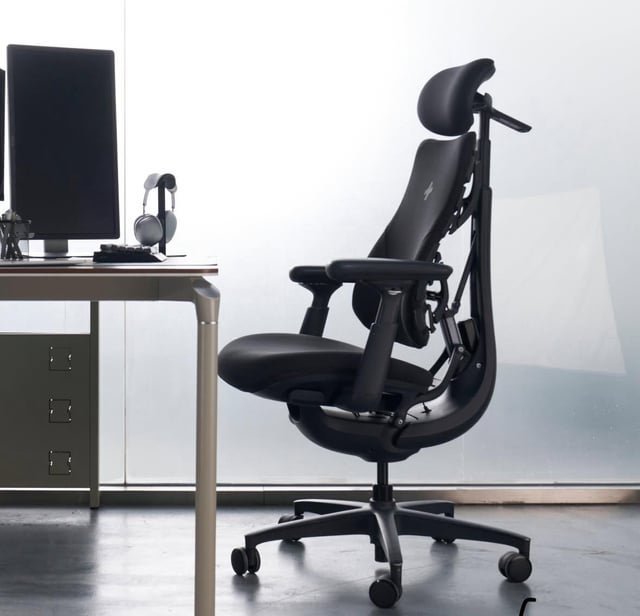
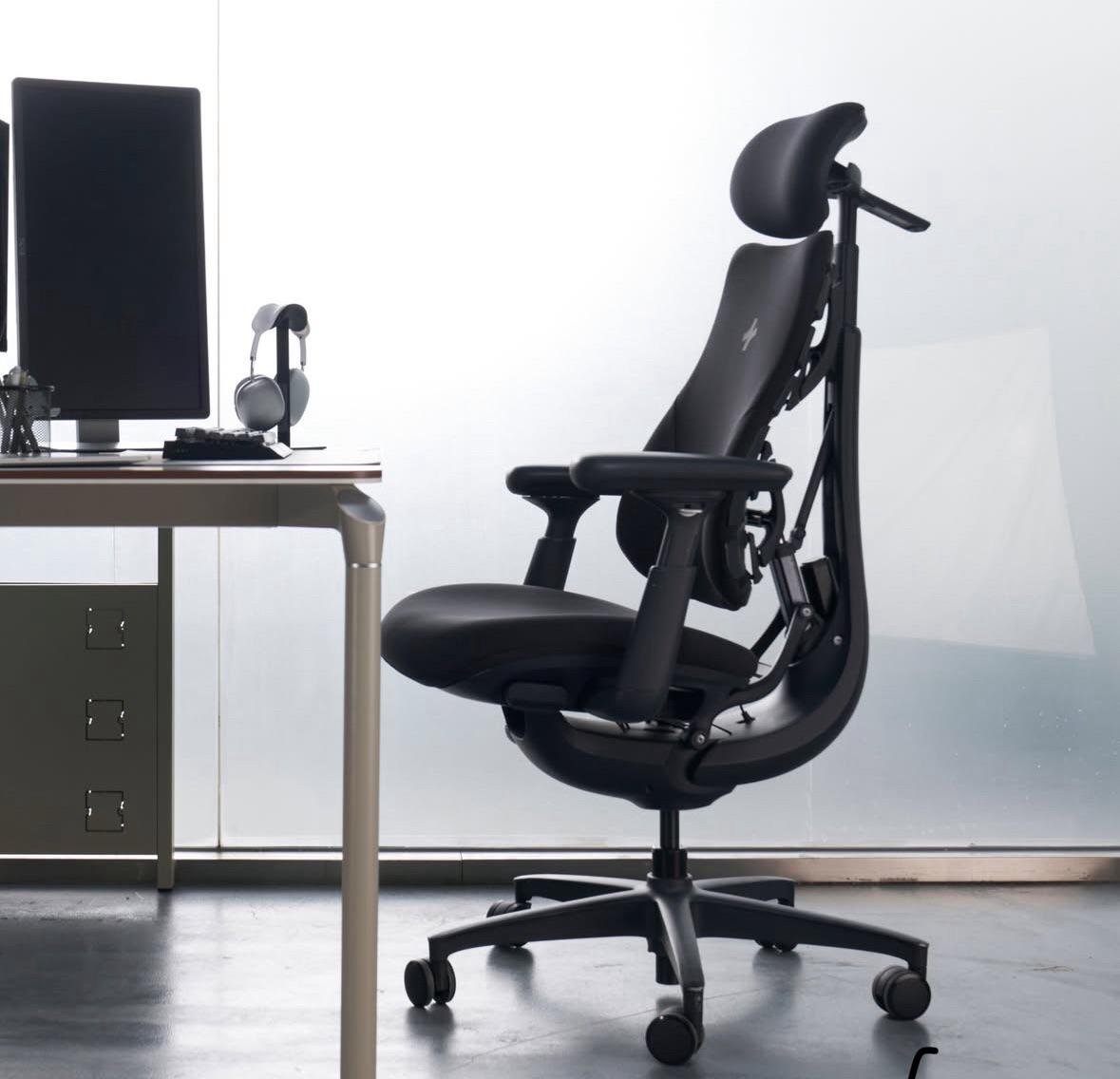
If the chair is too big, you won’t be able to use the lumbar support or the headrest correctly. You might find yourself slouching forward to reach your desk, which defeats the purpose of buying an ergonomic model in the first place.
Does the material of the chair matter?
Mesh is better for airflow if you work in a warm room, while fabric or leather offers more cushioning. This varies by model — check the label to see if the material is breathable and easy to clean for your environment.
Why do some chairs cost so much more?
Higher costs usually reflect better materials like steel frames, more adjustment points, and longer warranties. You’re paying for the durability of the mechanical parts that keep the chair stable and functional over many years of heavy use.
Ergonomic chair, in short
Finding the right chair is a trade-off between your budget and the time you spend working. If you’re only at your desk for a short time, you don’t need the most expensive model, but if your work keeps you seated all day, the health benefits of proper support are worth the investment.