
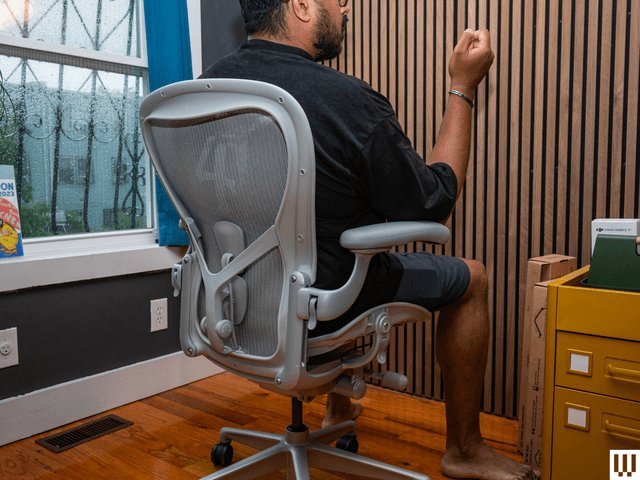
A good desk chair provides adjustable seat height, lumbar support, and armrests that allow your feet to rest flat on the floor while your elbows stay at a 90-degree angle. Investing in equipment that maintains neutral posture is essential, as it prevents long-term musculoskeletal discomfort.
Why it works / what to know first
The core principle here is adjustability. Your body is unique, so a chair must change to fit your specific height and weight. If the chair doesn’t align with your desk, you’ll hunch, which leads to neck and back strain.
The biggest mistake is ignoring the depth of the seat. Many people buy chairs that are too deep for their legs, which cuts off circulation behind the knees. Always check that you have a two-finger gap between the seat edge and your calves.
What is a good desk chair: How to pick yours
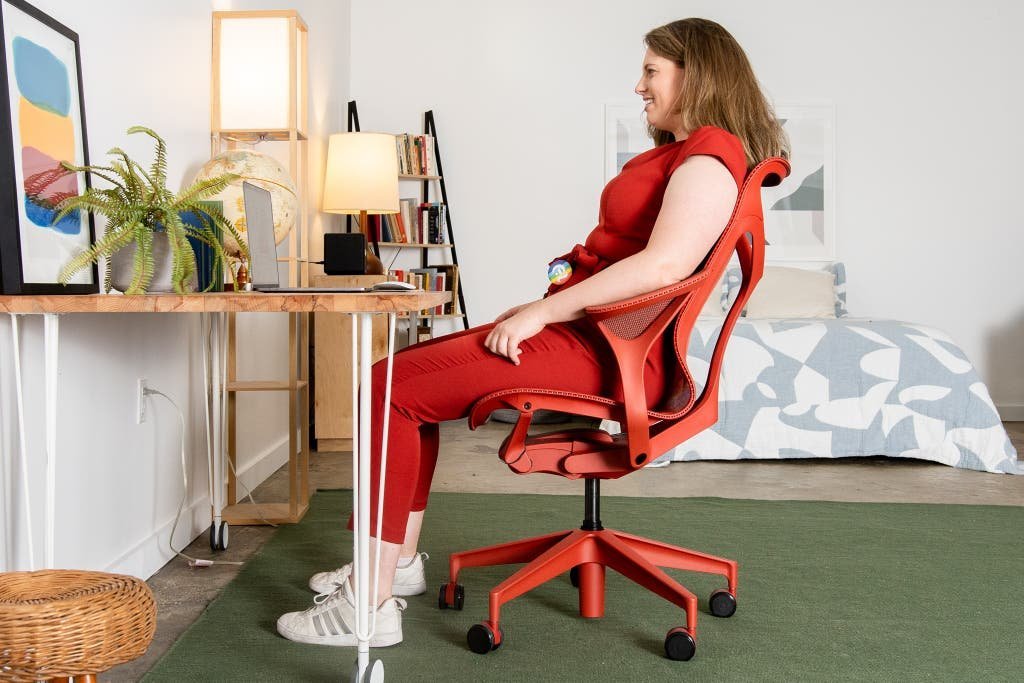
- Adjust the seat height so your feet sit flat on the floor with your thighs parallel to the ground.
- Set the lumbar support to fit the natural curve of your lower back, ensuring it feels firm but not intrusive.
- Position the armrests so your shoulders remain relaxed and your forearms are level with your keyboard.
- Check the recline tension to ensure the backrest follows your movement without forcing you forward or letting you fall backward.
- Verify the seat depth by sitting back fully and ensuring your back touches the support while leaving space for your fingers behind your knees.
Tip: If your feet don’t reach the floor after adjusting the seat, use a footrest rather than raising the chair further, as this keeps your hips in a healthy, neutral position.
Tip: Avoid chairs with fixed armrests, as these often prevent you from getting close enough to your desk, forcing you to lean forward and strain your upper back.
Time to find your fit
Finding the right chair is a process of testing and adjustment rather than a quick purchase. According to the Occupational Safety and Health Administration, proper workstation setup is essential to reduce physical stress during long hours of office work.
| Situation | Testing Time | What changes it | What to watch for |
|---|---|---|---|
| In-store trial | 15 minutes | Weight of the user | Pressure on thighs |
| Home assembly | 30 minutes | Tool availability | Loose bolts or wobbling |
| Daily adjustments | 2 minutes | Changing tasks | Slouching over time |
If you have spent more than 45 minutes adjusting the chair and still feel discomfort, you may need a different model or an external cushion to reach the correct alignment.
Checking for proper alignment
You know a chair is set correctly when your ears, shoulders, and hips form a straight vertical line while you’re sitting upright. Your elbows should stay close to your body, and your wrists should remain straight, not bent up or down, while typing. The most reliable test is the “end-of-day check”: if you stand up and feel no stiffness or tension in your lower back or neck after several hours, the chair is a good fit for your frame. If you still feel pain, check the chair height again, as a few centimeters of difference often determines if the seat puts too much pressure on your legs or not enough on your back.
Mistakes that ruin it
- Buying for aesthetics over function: Choosing a chair based on color or style often results in poor ergonomic support that can’t be fixed with pillows. Always prioritize chairs with independent seat and back adjustments over those that look modern but lack mechanical controls.
- Ignoring weight capacity limits: Every chair has a maximum load rating that ensures the hydraulic piston and frame remain safe for the user. Exceeding this limit causes the chair to sink or break, which creates a serious fall hazard.
- Locking the backrest in a rigid position: Many people lock their chair to stay upright, which prevents natural micro-movements that keep blood flowing to the spine. Use the tilt-lock sparingly and allow the chair to move with you to reduce static muscle fatigue.
Frequently asked questions
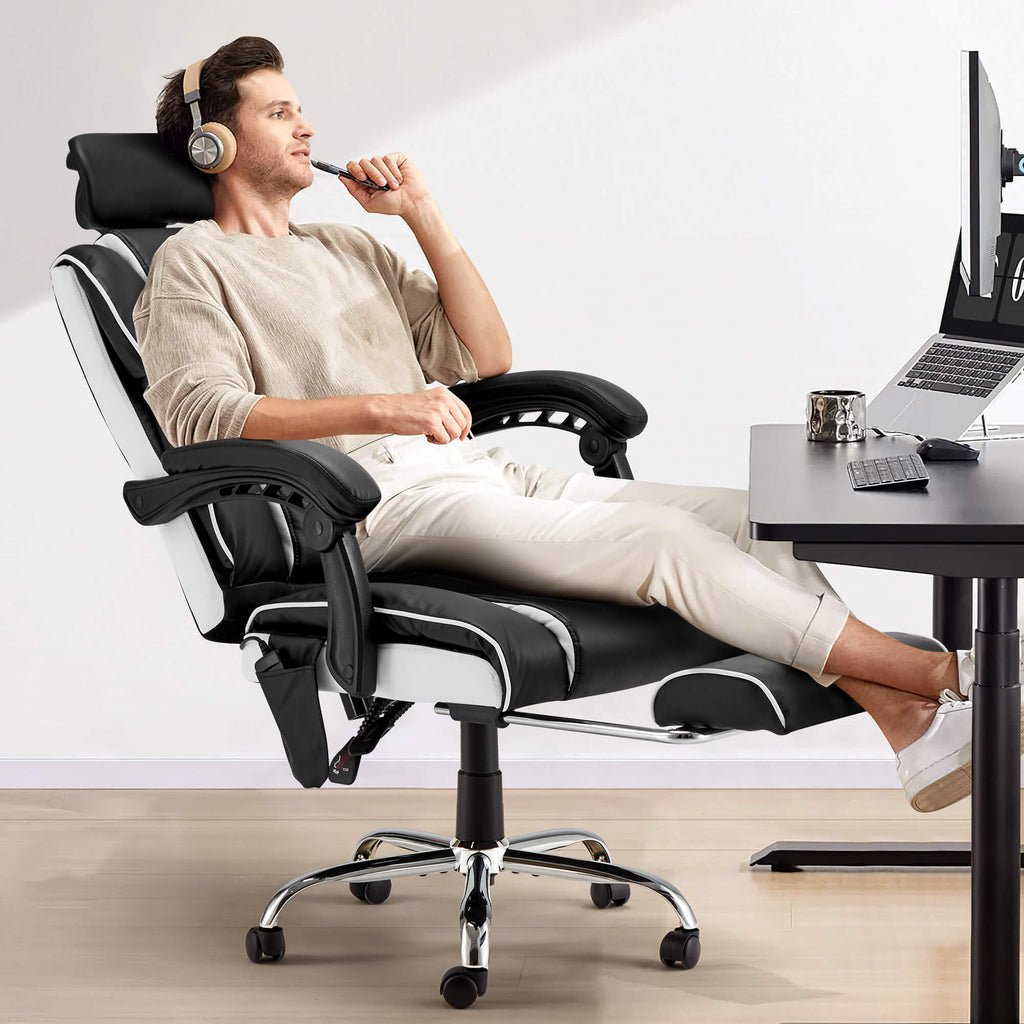
Can a gaming chair be a good desk chair?
Yes, some gaming chairs are suitable if they feature adjustable lumbar support and a flat seat. Many models focus on style over function, so ensure the seat doesn’t have “wings” that force your shoulders forward, as this posture causes significant neck pain during long work sessions.
How long should a desk chair last?
A high-quality chair should last for many years with daily use. This depends on the quality of the fabric, the durability of the foam, and the strength of the gas cylinder. If your chair begins to sink or the fabric tears, it’s usually time for a replacement.
Is it safe to buy a used chair?
Yes, but you must inspect the mechanical parts for rust or cracks before buying. Check that the height adjustment lever works smoothly and that the wheels roll without dragging. If the chair wobbles or the backrest feels loose, it may be unsafe for long-term use.
Why does my back hurt even in a good chair?
Your back often hurts because you stay in one position for too long, not just because of the chair. Even with the best equipment, you must stand up and move every 60 minutes to reset your posture and improve circulation to your muscles and joints.
How do I know if the chair is the right size?
The chair is the right size if your back fits the lumbar support perfectly and your feet touch the floor. If the chair is too big, you’ll feel like you’re sliding forward; if it’s too small, your knees will feel unsupported and your legs will ache.
What happens if I ignore chair ergonomics?
Ignoring ergonomics leads to chronic pain in your neck, shoulders, and lower back. Over time, this causes repetitive strain injuries that require professional treatment or physical therapy. Investing in a properly adjusted chair now is much cheaper than treating long-term musculoskeletal damage later in life.
Good desk, in short
Choosing the right desk chair is about finding the balance between your body size and the mechanical limits of the seat. Take the time to test the adjustments, and remember that even the most expensive chair requires you to move and change positions throughout the day to stay comfortable and healthy.