
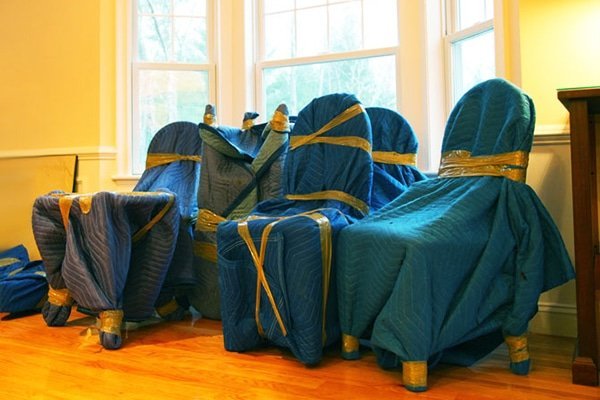
To pack dining room chairs correctly, wrap the four legs in bubble wrap, cover the seat with a thick moving blanket, and secure everything with stretch plastic film in about ten minutes per piece. This method suits standard wooden or upholstered chairs best.
Materials for Wrapping Chairs
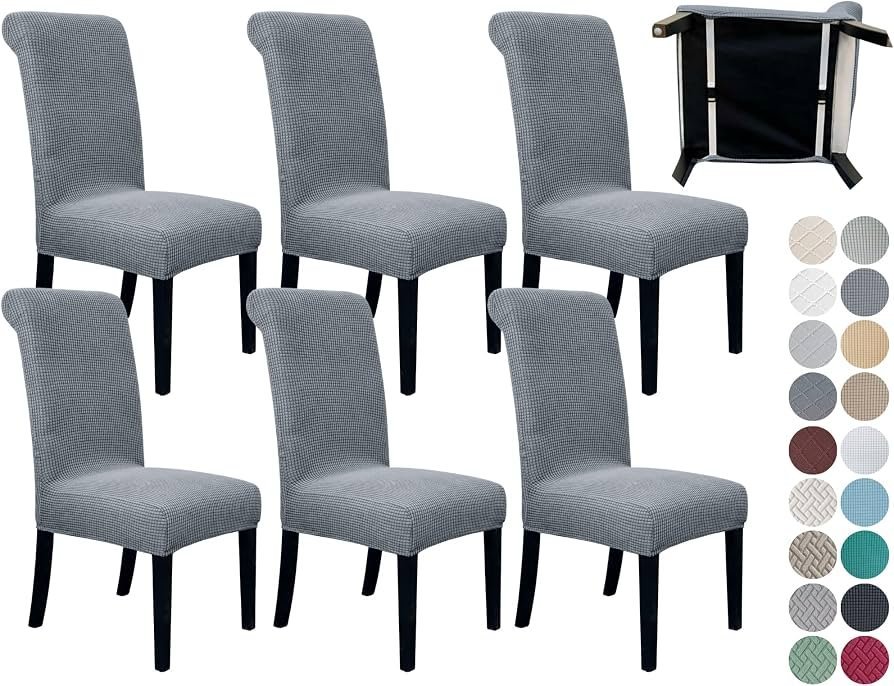
Gather your packing supplies before you touch the furniture. Having the right tools on hand prevents stops and keeps the work area tidy.
- Moving blankets (two per chair, standard 72×80 inch woven pads)
- Bubble wrap (small bubble roll, 12 inches wide, for legs and stretchers)
- Clear stretch wrap (15 or 18-inch roll, 80-gauge thickness)
- Packing tape (two-inch brown or clear tape, never applied to bare wood)
- Zip-top plastic bags (one quart-size bag per chair for loose bolts)
Thick bath towels work well as a substitute for moving pads, but thin plastic trash bags will tear instantly and trap moisture against fine wood finishes.
How to Pack Dining Room Chairs for Moving
Prepare the surface first by wiping off dust so grit won’t scratch the wood under your wraps. If you can remove the legs or seat cushions with a screwdriver, take them off to save space; if the frame is glued solid, wrap the piece whole.
- Remove any loose cushions and place them inside clean, sealed plastic bags.
- Cut four strips of bubble wrap, each about 30 inches long for standard-height dining seats.
- Wrap each leg from the foot up to the seat frame, overlapping the edges by two inches.
- Tape the bubble wrap to itself securely at the top, middle, and bottom of each leg. Careful: Don’t let the adhesive tape touch the chair’s bare finish, or it will pull away lacquer when unpacked.
- Lay a folded moving blanket across the backrest and pull it down over the front of the seat cushion.
- Drape a second blanket around the back and underside of the frame to cover exposed timber. Tip: Pull the corners tight so you don’t leave excess fabric dangling to catch on doorways.
- Wrap three complete layers of plastic stretch wrap around the entire chair body to lock the blankets in place.
Protection Needs by Chair Style
Different chair materials carry different risks during transit. A delicate antique can’t handle the same pressure as a metal stool, so adapt your padding to match the frame.
It’s much safer to start with extra padding and adjust it down later than to risk crushed wooden spindles on your first attempt.
Checking the Packing Quality
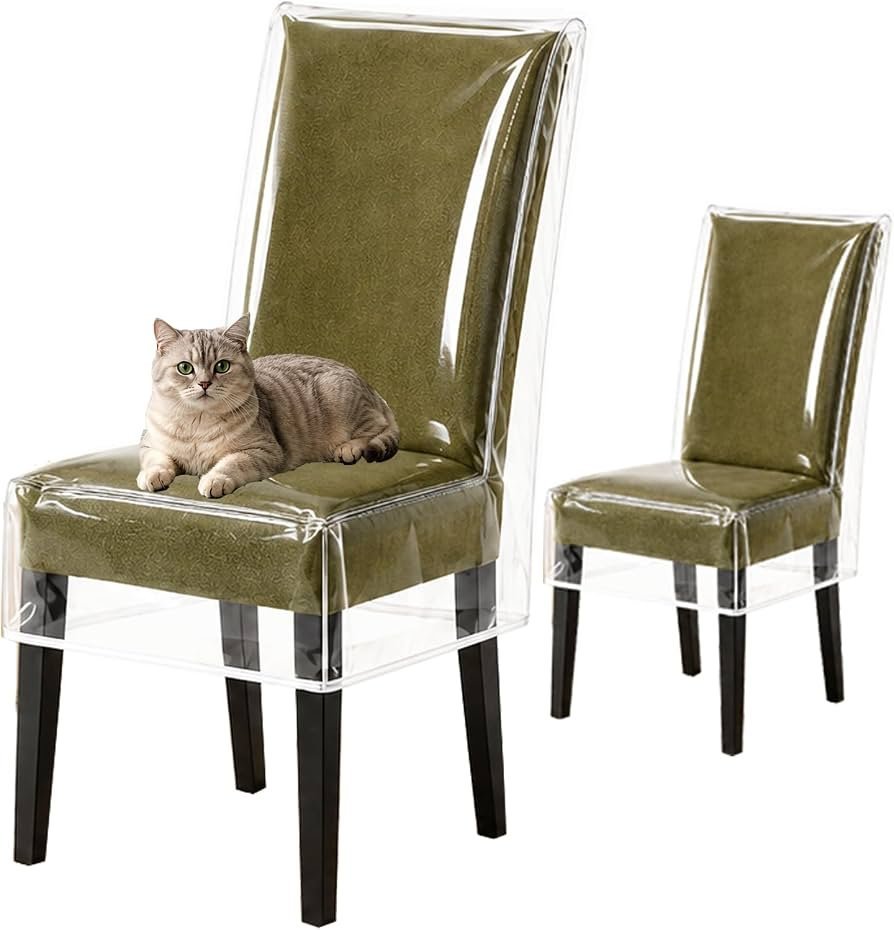
A well-packed chair looks neat, compact, and completely covered, with no wood or upholstery exposed to open air. Grab a leg and shake it gently; the padding shouldn’t slip, twist, or slide off the bottom foot. Poorly packed furniture shows loose fabric, exposed corners, and tape stuck directly to varnished surfaces.
This problem usually happens when stretch film is pulled too loose or wrapped in single layers that shift under road vibrations. You can prevent finish damage by using tightly pulled stretch wrap and checking that all blanket seams overlap by at least four inches.
Moving Standards and Storage Care
Secure your loaded furniture with heavy-duty tie-down straps inside the cargo truck. The Federal Motor Carrier Safety Administration rules require commercial cargo to be firmly secured against shifting, and using similar principles keeps home moves safe from sudden stops.
Once you arrive, remove the stretch wrap immediately. Leaving non-breathable plastic film on wood or leather for weeks in a warm garage will trap condensation and ruin the topcoat. Keep the pieces indoors at normal room temperature.
Alternative Packing Methods
Inverted Pairing Method
Nest two chairs together seat-to-seat, putting a moving pad between them. This cut down the floor space you need in the truck bed, but it adds extra weight to the lower frame.
Boxed Chair Method
Slide the padded chair into a heavy-duty, double-walled wardrobe box or specialty furniture carton. This option costs more for extra boxes, but it provides flat walls that allow simple stacking inside rental vans.
Furniture Disassembly Method
Unscrew the legs, back, and seat cushion completely, packing all flat pieces together with cardboard separators. This route takes twenty extra minutes per chair, but it eliminates leg breakage risks in tight truck loads.
Frequently asked questions

Can I stack dining room chairs on top of each other?
Only if the maker built them as stacking chairs. Stacking ordinary chairs seat-to-seat damages upholstery, bends wooden spindles, and causes structural joints to crack under sudden transport bumps.
Is it safe to leave plastic stretch wrap on wood chairs in storage?
No. Plastic wrap traps moisture inside the wood, which causes white blush marks, mold, and peeled varnish. Always unwrap the stretch film as soon as the furniture is placed in its final location.
What happens if packing tape sticks to a varnished chair leg?
The tape’s adhesive bonds to the finish and often pulls off lacquer when peeled away. If tape touches wood, soften it with low heat from a hairdryer before pulling it off slowly.
Can you pack dining chairs without moving blankets?
Yes, thick household items like quilts, heavy sleeping bags, or fleece blankets provide similar impact protection. Just ensure the fabric is clean and secured firmly with stretch wrap so it doesn’t drag.
How long does it take to wrap six standard dining chairs?
About one hour if you have your tape, bubble wrap, and pads staged nearby. Disassembling the frames will double that time, taking roughly two hours for the entire six-piece set.
Who is this DIY wrapping method not suitable for?
This approach isn’t for valuable family heirlooms or delicate antiques with loose joinery. Fragile historic pieces need custom timber crating from professional fine-art movers who carry specialized transit insurance.
Pack dining, in short
Remember that furniture dimensions and delicate finishes vary by model, so check the manufacturer label for specific care instructions before taping anything. Taking a few extra minutes to bind each leg firmly shields the joints and ensures your dining set arrives ready for your next meal.
Related guides